
Raised garden beds are a staple in many backyard gardens, providing a controlled environment for plants to thrive. However, traditional wooden or metal frame constructions can be heavy on resources and may not always deliver optimal results. That’s where raised garden bed logs come in – a natural and eco-friendly alternative that’s gaining popularity among gardeners. By using sustainably sourced wood, these logs offer a chemical-free solution for soil preparation and plant growth. Not only do they reduce soil compaction, allowing roots to spread freely, but they also increase crop yields by providing better drainage and aeration. In this article, we’ll explore the benefits of raised garden bed logs in more detail and show you how to incorporate them into your own gardening setup, giving you the knowledge to create a bountiful and environmentally friendly garden oasis.
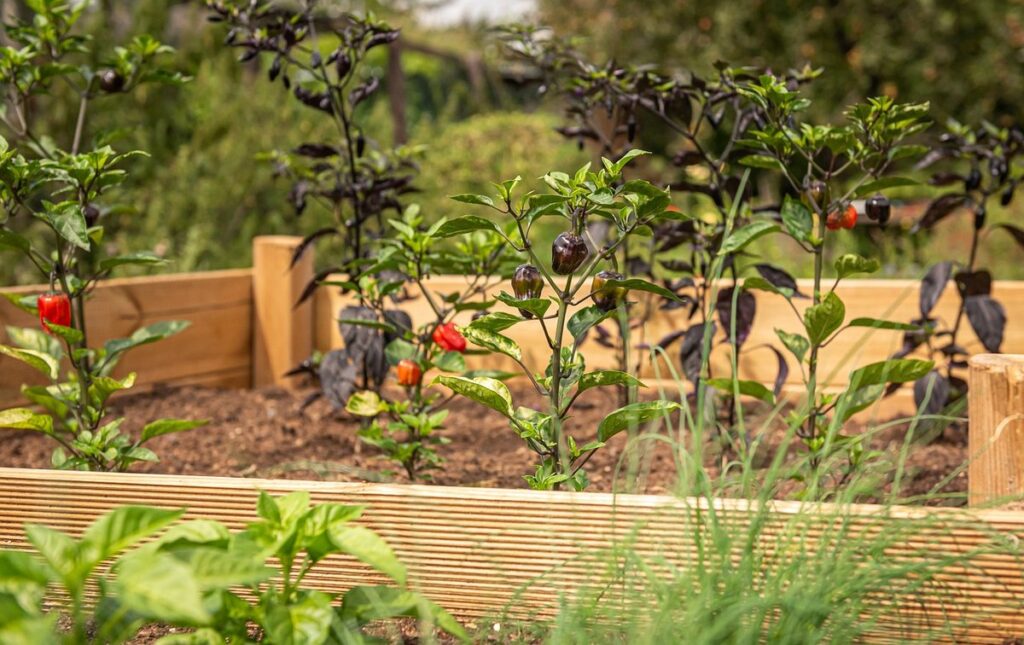
Benefits and Advantages of Raised Garden Bed Logs
Raised garden bed logs offer several key benefits that set them apart from traditional gardening methods, including improved drainage and reduced soil erosion. By exploring these advantages, you can make informed decisions for your own garden.
Reduces Soil Compaction
When you use raised garden bed logs, soil compaction is significantly reduced. This is because logs don’t compress the soil like solid materials do, allowing for better root growth and improved drainage. Roots can spread out more freely without being constricted by compacted soil, resulting in healthier plants.
The natural gaps between log pieces also create channels for water to seep through, reducing runoff and preventing erosion. This means you’ll need to water your plants less frequently, as excess moisture is drained away efficiently. In contrast, solid raised beds can become waterlogged, leading to poor drainage and root rot.
Using logs as a material for gardening has other benefits too. They’re a natural, biodegradable option that blends seamlessly into the surrounding landscape. Over time, the logs will break down and add organic matter to the soil, further improving its fertility and structure. This process can take several years, but it’s a sustainable way to garden without contributing to waste or pollution. As you choose your log pieces, consider the type of tree they came from – hardwoods like cedar and cypress are durable options that will last longer than softer woods like pine.
Increases Crop Yield
Proper soil structure and improved accessibility for plants are key factors that contribute to increased crop yield when using raised garden bed logs. The unique design of these beds allows for better drainage and aeration, which enables roots to grow deeper and wider, ultimately leading to healthier and more robust plant growth.
With the use of raised garden bed logs, you can expect to see improved soil structure due to the ability to control the amount of organic matter added to the bed. This results in a more balanced pH level and optimal nutrient distribution for your plants. Moreover, the space between the logs allows for easy access for plants’ roots to grow, reducing root bound conditions that can hinder plant growth.
Regular maintenance and proper care are crucial to maximizing crop yield with raised garden beds made from logs. Ensure to keep the bed well-watered but not waterlogged, and add a layer of compost or well-rotted manure annually to maintain soil fertility. With these simple practices in place, you may see a significant increase in crop yield within just a few seasons.
Environmentally Friendly Option
Using logs for raised garden beds is an environmentally friendly option because it reduces waste and minimizes the impact on the environment. When trees are harvested sustainably, the wood from pruned branches or fallen timber can be repurposed as logs for gardening. This approach not only conserves natural resources but also eliminates the need for new materials, such as pressure-treated lumber.
The use of untreated logs in raised beds reduces chemical usage significantly. Unlike composite materials or chemically treated timbers, natural wood requires fewer additives and preservatives to extend its lifespan. By choosing logs from locally sourced trees, you can further minimize transportation-related emissions.
To maximize the eco-friendliness of your log garden bed, consider the following:
- Choose logs from sustainably harvested forests or from your own property (if possible).
- Avoid pressure-treated lumber and composite materials that contain chemicals.
- Consider reusing old pallets or wooden crates for a creative and environmentally friendly solution.
By adopting this approach, you can create a thriving garden ecosystem while reducing waste and minimizing your environmental footprint.
Choosing the Right Logs for Your Garden
When selecting logs for your raised garden bed, it’s essential to consider factors such as durability and rot resistance to ensure a healthy growing environment. What to look for in high-quality logs is key to your gardening success.
Types of Trees Suitable for Raised Beds
When selecting trees for raised garden bed logs, consider species known for their durability and resistance to rot. Some options include cedar, cypress, and redwood, all of which are naturally resistant to decay and can withstand outdoor conditions. These woods also tend to be less prone to warping or cracking, ensuring a longer lifespan for your raised bed.
Hardwoods like oak and maple are another viable choice, as they’re often more dense than softwoods and therefore less susceptible to rot. However, they may require more frequent treatment to maintain their integrity. When selecting logs, look for those with minimal knots and defects, as these can create weak points that compromise the structure’s stability.
It’s also essential to consider local availability and sourcing when choosing trees. Some species might be readily available in your area, while others may need to be imported or sourced from a specific supplier. Be sure to research the characteristics of various tree species and select those that best fit your climate, budget, and project requirements.
Log Size and Thickness Considerations
When choosing the right logs for your raised garden bed, size and thickness are crucial considerations. The diameter of the log will impact how much soil it can hold, while its thickness will affect its stability and durability. To determine the necessary dimensions, consider the growth habits of your plants. For example, if you’re growing vegetables like tomatoes or peas that spread out significantly, choose logs with a wider diameter (typically 8-12 inches) to allow for easy access and maintenance.
On the other hand, if you’re growing compact herbs or leafy greens, thinner logs (6-8 inches in diameter) may suffice. The desired bed depth is also essential – most raised beds are between 6-12 inches deep, but this can vary depending on your specific needs. A general rule of thumb is to use at least two layers of logs for a bed depth of 6-8 inches and three or more layers for depths exceeding 10 inches. This will ensure stability and prevent the logs from becoming too heavy for their foundation. By considering these factors, you can select the right log size and thickness for your garden bed.
Log Treatment and Processing
When choosing logs for your raised garden bed, you may come across various treatment and processing methods. Debarking is a common process where the bark is removed from the log to expose the heartwood. This can help reduce moisture content, which in turn minimizes the risk of rot and pest infestations. However, some gardeners argue that debarked logs are more prone to cracking.
Cutting or splitting logs can also be beneficial for raised bed construction. Smaller pieces can be easier to handle and transport, making it a practical option for smaller gardens. Additionally, cutting logs exposes the inner wood, which can help speed up the composting process as microorganisms break down the wood faster.
Charring is another treatment method that involves burning the log on one side or both. This process can create a barrier against pests and diseases by killing any existing organisms on the surface. However, charring also reduces the logs’ carbon-rich properties, which are essential for soil health.
Some gardeners prefer to use untreated logs, arguing that they require fewer chemicals and provide a more natural environment for microorganisms to thrive. Ultimately, the choice of treatment method depends on your specific needs and preferences.
Designing and Building Your Raised Garden Bed
Now that you’ve chosen your perfect raised garden bed logs, let’s talk about how to design a beautiful and functional space for your plants. We’ll walk through the process of creating a custom bed.
Planning the Layout and Size of Your Bed
When planning the layout and size of your raised garden bed, it’s essential to consider accessibility, sunlight exposure, and plant spacing. A well-designed layout will ensure your plants receive the right amount of light and water while also making maintenance easy.
Start by determining the location of your raised bed based on its proximity to a water source and sunlight patterns in your yard. Ideally, choose a spot that receives at least six hours of direct sunlight per day. Consider the width and length of your bed, taking into account the mature size of the plants you’ll be growing. For example, if you’re planting tall vegetables like sunflowers or corn, ensure there’s enough space between rows for them to grow without overcrowding.
Height is also a crucial factor in designing an effective layout. If you’re using raised garden bed logs, consider building multiple levels to create a tiered system. This will not only add visual interest but also allow you to make the most of your available space. Typically, a height range of 2-4 feet is suitable for most vegetables and fruits. Keep in mind that plants with deep taproots, like carrots or beets, may require deeper soil levels.
To determine the optimal layout for your specific plants, consult their individual growing requirements. For example, leafy greens like lettuce and spinach prefer shallower soil and can thrive in narrower beds.
Building Techniques and Materials
When constructing the frame of your raised garden bed using logs, you’ll need to decide on a building technique and gather necessary materials beyond just the logs themselves. One common method is using screws or nails to secure the logs together. This can be done by pre-drilling holes into the logs to avoid splitting them, then driving in screws or nails to form the frame.
Alternatively, you can use brackets or corner connectors to attach the logs together. These provide a more secure hold and allow for easier disassembly when needed. It’s essential to choose brackets that are specifically designed for outdoor use and can withstand exposure to moisture and weather conditions.
In addition to the logs themselves, you’ll also need some auxiliary materials to ensure your raised bed is durable and long-lasting. This might include wood glue to fill gaps between the logs, waterproof sealants to protect against rot and decay, or a weed barrier to prevent weeds from growing up through the logs.
Tips for a Durable and Long-Lasting Structure
When constructing a raised garden bed using logs, it’s essential to focus on durability and longevity. To achieve this, start by selecting logs with natural resistance to rot and decay, such as cedar or cypress. These types of wood have inherent oils that repel insects and fungi.
Another crucial aspect is the log size and spacing. Generally, logs should be at least 8-10 inches in diameter and spaced 1-2 inches apart to allow for proper drainage and air circulation. This will help prevent moisture from accumulating between the logs and reduce the risk of rot.
To further enhance durability, consider using a wood sealant or preservative on the logs before assembling the bed. This will provide an extra layer of protection against pests and decay. Additionally, avoid over-tightening the logs, as this can cause them to crack and become vulnerable to damage. Instead, use gentle pressure to secure the structure in place.
When building your raised garden bed, also keep in mind that uneven or sagging sections can compromise the entire structure’s stability. Regularly inspect and maintain your bed to prevent these issues and extend its lifespan.
Plant Selection and Care for Raised Beds
When choosing raised bed logs, it’s essential to select plants that thrive in their specific conditions. This section will cover the ideal plant varieties and care tips for a healthy and productive garden.
Selecting Plants Suitable for Raised Garden Bed Logs
When selecting plants for raised garden bed logs, it’s essential to choose varieties with similar growth habits and sunlight requirements. Vegetables like tomatoes, cucumbers, and carrots thrive in these conditions. These plants typically require a trellis or support system to grow upwards, making them ideal for raised beds where vertical space is maximized.
For example, indeterminate tomato varieties can be trained to climb up the log walls using twine or clips, while compact cucumber varieties like ‘Bush Pickle’ or ‘Salad Bush’ spread out horizontally. Carrots, on the other hand, prefer a more contained environment and can be grown in shallow soil beds. Consider planting companion plants that complement these vegetables, such as basil with tomatoes or dill with cucumbers.
When choosing plants for your raised garden bed logs, also consider their mature size to ensure they don’t overcrowd the space. A general rule of thumb is to leave at least 12 inches between plants to allow for air circulation and easy access for maintenance. By selecting plants with similar growth habits and sunlight requirements, you can create a harmonious and productive raised garden bed that showcases the benefits of using logs as a growing medium.
Soil Preparation and Maintenance
When using raised garden bed logs, it’s essential to pay attention to soil preparation and maintenance. Raised beds can become waterlogged if not properly drained, which can lead to root rot and other issues. To ensure optimal drainage, mix in a 2-3 inch layer of compost or well-rotted manure into the top 6-8 inches of soil before planting. This will help improve the soil’s structure and increase its ability to absorb and filter water.
Maintaining a balanced pH level is also crucial for plant growth. Most vegetables prefer a slightly acidic to neutral soil pH between 6.0 and 7.0. Test your soil regularly to determine its pH level and adjust it accordingly. Adding organic matter such as compost, leaf mold, or well-rotted manure can help raise the pH of acidic soils.
Mulching is another key aspect of raised bed maintenance. Apply a 2-3 inch layer of organic mulch around plants to retain moisture, suppress weeds, and regulate soil temperature. Some popular options include wood chips, bark, straw, or grass clippings. By implementing these simple tips, you can create an optimal growing environment for your plants and extend the life of your raised garden bed logs. Regularly add compost tea or well-rotted manure to maintain nutrient levels.
Tips for Extending the Life of Your Raised Garden Bed Logs
To keep your raised garden bed logs looking their best, it’s essential to take steps to extend their lifespan and prevent rot. Proper maintenance can make a big difference in how long they last.
Regular Inspection and Maintenance
Regular inspection of your raised garden bed logs is crucial to extend their lifespan. Schedule a quarterly check on your logs to identify potential issues before they become major problems. Start by visually inspecting the logs for signs of rot, cracks, or warping. Look for any soft spots, discoloration, or unusual odors that may indicate decay.
Check for loose connections between the logs and ensure all gaps are filled with a suitable sealant to prevent water from seeping in. If you notice any damage, address it promptly by replacing or repairing the affected log sections. Additionally, inspect the surrounding soil for any signs of erosion or settling, which can put additional stress on the logs.
To maintain your raised bed structure, regularly replenish the mulch layer and ensure adequate drainage. Consider implementing a French drain system to prevent water from accumulating around the logs. By performing these regular inspections and maintenance tasks, you’ll be able to catch potential issues early on, preventing costly repairs and extending the life of your raised garden bed logs for years to come.
When inspecting, consider creating a log for tracking any maintenance or repairs made.
Addressing Pest and Disease Issues
Rot is a common issue for raised garden bed logs, caused by fungi breaking down the wood’s cellulose and lignin. To prevent rot, ensure the logs are properly seasoned before use – most experts recommend a minimum of six months to dry out the sapwood. Regularly inspect your logs for signs of moisture accumulation, such as warping or discoloration.
Insect infestations can also be a problem, with pests like termites and carpenter ants attracted to the wood’s cellulose. To minimize this risk, choose logs from trees that are naturally resistant to insect damage, like cedar or cypress. You can also apply a borate-based treatment to the logs before assembling the bed.
Fungal infections, such as powdery mildew and leaf spot, can be addressed by providing good air circulation around your plants. Space them out adequately, prune any overgrown branches, and avoid overcrowding. Additionally, consider using copper or neem oil sprays to prevent fungal growth on plant surfaces.
To stay ahead of these issues, inspect your logs and plants regularly, looking for signs of damage or infection. Address problems promptly, as they can spread quickly in a confined space like a raised bed.
Frequently Asked Questions
We know you have questions about raised garden bed logs, and we’re happy to provide answers. Below are some of the most common queries we’ve received from readers like you.
Q: What are the benefits of using raised garden bed logs?
Using raised garden bed logs offers several benefits compared to traditional gardening methods. One significant advantage is improved drainage and aeration of the soil. The logs’ natural structure allows for better airflow, reducing the risk of waterlogged soil conditions that can lead to root rot and other issues. Additionally, raised beds constructed with logs are often more accessible than in-ground gardens, making it easier to plant, maintain, and harvest your crops.
Raised garden bed logs also provide a habitat for beneficial insects and microorganisms. As the wood breaks down over time, it becomes a source of nutrients for plants, reducing the need for synthetic fertilizers. Furthermore, the logs’ natural acidity helps to regulate soil pH levels, creating an optimal environment for plant growth.
In terms of crop yield, raised garden bed logs can lead to increased productivity due to improved soil quality and reduced soil compaction. This can result in a faster maturation period and higher yields per square foot. By choosing raised garden bed logs, you can create a more sustainable and productive gardening system that minimizes environmental impact while maximizing your harvest.
Q: How do I prevent my raised bed logs from rotting?
To prevent raised bed logs from rotting, start by selecting logs from trees with naturally resistant properties. Cedar and cypress are popular choices due to their resistance to moisture and decay. However, these types of wood can be expensive, so consider alternative options like sustainably sourced pine or fir.
Regular treatment or sealants can also help protect your logs from rot. Apply a water-repellent finish to the cut ends and any areas prone to dampness. Make sure to follow the manufacturer’s instructions for application and drying times.
Inspect your raised bed logs regularly, checking for signs of moisture accumulation, warping, or discoloration. Remove any debris or plant material that may be harboring pests or diseases. Consider applying a fungicide specifically designed for use on wood if you notice fungal growth.
When inspecting your logs, also check the joints and connections between sections for signs of separation or weakness. Make adjustments as needed to maintain the structural integrity of your raised bed.
Frequently Asked Questions
Can I use raised garden bed logs in containers instead of building an entire raised bed?
Yes, using raised garden bed logs in containers is a great option for small spaces or for plants that prefer better drainage. Just ensure the container is at least 6-8 inches deep to accommodate root growth.
What if my logs are already rotting when I start building my raised garden bed? Can I still use them?
While it’s ideal to use healthy logs, you can still salvage partially rotten logs by applying a sealant or treatment. However, be aware that the logs may not last as long as expected and might require more frequent maintenance.
How often should I inspect my raised garden bed logs for signs of damage or decay?
Regular inspections are crucial to extending the life of your raised garden bed logs. Check your logs at least twice a year during peak growth seasons, looking for signs of rot, cracks, or pest infestations.
Can I use treated wood or pressure-treated logs for my raised garden bed, and is it safe for gardening?
While treated wood might seem like an attractive option due to its durability, it’s generally not recommended for gardening as the chemicals can leach into the soil. Instead, opt for naturally rot-resistant woods like cedar, cypress, or redwood.
What if I live in a region with extreme weather conditions, such as heavy rain or intense sunlight? How will that affect my raised garden bed logs?
In regions prone to heavy rainfall or intense sunlight, it’s essential to choose logs that are resistant to moisture and UV damage. Consider using durable woods like hardwoods or applying a waterproof sealant to protect your logs from the elements.

