
Queen Mary’s Rose Garden is one of the most renowned botanical attractions in the world, boasting an exquisite collection of over 4,000 roses across 32 acres. With its breathtaking beauty and rich history, this garden has become a must-visit destination for gardening enthusiasts, historians, and families alike. However, beyond its stunning scenery and romantic ambiance, Queen Mary’s Rose Garden also offers a wealth of educational value. By exploring the garden’s plant collection, carefully designed landscapes, and events calendar, you can gain insights into horticulture, conservation, and sustainable living. In this comprehensive guide, we’ll take you on a journey through the garden’s highlights, from its meticulously curated rose varieties to its expert-led workshops and seasonal festivals.
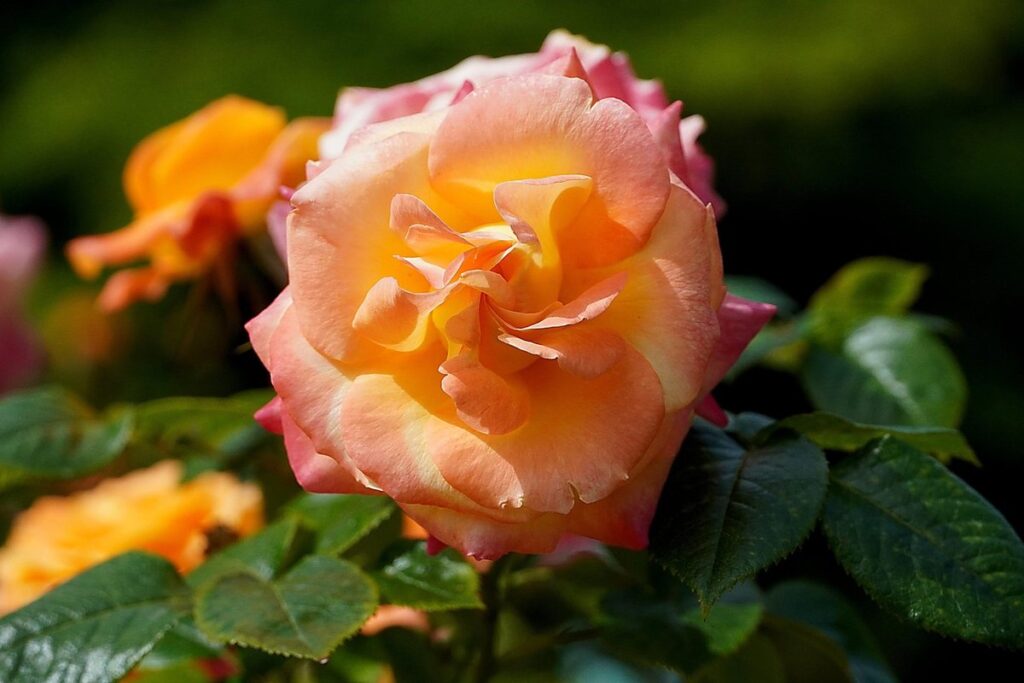
The Royal Background
Queen Mary’s life was marked by a series of grand gestures and historical events that shaped her legacy, which is beautifully reflected in the rose garden. We’ll take a closer look at some key aspects of her royal upbringing.
Origins and Namesake
Queen Mary’s Rose Garden was established in 1935 as a tribute to Queen Mary, the wife of King George V. The garden is named after her due to its proximity to the Palace of Holyroodhouse, where Queen Mary often stayed during her visits to Scotland. This connection highlights the significance of the garden as an homage to the queen’s frequent presence in Edinburgh.
The name “Queen Mary” reflects the garden’s royal background and its association with the British monarchy. It also underscores the importance of gardens as symbols of elegance and refinement, values that Queen Mary embodied during her lifetime. The garden’s design and layout are a testament to this legacy, featuring stately plantings and ornate features.
Interestingly, the garden’s original name was “The Queen Mary Rose Garden,” but it is now simply referred to as “Queen Mary’s Rose Garden.” This change in nomenclature likely occurred to emphasize the garden’s connection to the queen herself rather than its specific rose collection. Despite this change, the garden remains an enduring tribute to Queen Mary’s influence on Scotland’s horticultural heritage.
Location and Architecture
Located within the historic estate of Marlborough House, Queen Mary’s Rose Garden is situated on a gentle slope, providing an idyllic backdrop for the various rose species and varieties on display. The garden’s architecture is characterized by a formal design, with neatly manicured hedges and topiaries adding to its elegance.
A key feature of the garden’s design is its series of interlocking paths, which allow visitors to meander through the different sections and take in the sights and scents of the various roses. These paths are lined with ornate stone benches, providing a picturesque spot for rest and contemplation.
The overall aesthetic of the garden is influenced by the Arts and Crafts style, as evident from the use of natural materials such as stone and brick. The design also incorporates elements of symmetry and balance, creating a sense of harmony and order that complements the beauty of the roses themselves.
Plant Collection and Varieties
Within Queen Mary’s Rose Garden, you’ll find a stunning array of rose varieties that showcase their unique characteristics and uses. From classic hybrids to modern cultivars, each has its own story to tell.
Rare and Exotic Species
Among the approximately 20,000 roses on display, a small yet striking group stands out for their uniqueness and rarity. These rare and exotic species have been carefully selected from around the world to create a truly global rose collection at Queen Mary’s Garden.
One notable example is the ‘Iceberg’ rose from Australia, known for its snow-white blooms and vigorous growth habit. Another standout is the ‘Prairie Joy’ rose from Canada, which boasts vibrant orange-red flowers with a hint of yellow. Meanwhile, the ‘Mutabilis’ rose from China has gained international acclaim for its incredible ability to change color as it ages.
These rare species are often the result of years of careful breeding and cultivation by skilled rosarians. To spot them in the garden, look for labels that indicate their country of origin or unique characteristics. Keep in mind that some of these varieties may be more sensitive to temperature fluctuations or require specialized care, so be sure to check with a knowledgeable staff member if you’re interested in learning more.
Some rare species are also part of special displays or exhibits throughout the garden. Be sure to ask about these when visiting – they often provide fascinating insights into the history and cultivation of these incredible plants.
Hybrid Tea Roses and Floribundas
Hybrid Tea Roses are a classic variety found within Queen Mary’s Rose Garden. They were first bred in the early 20th century to produce large, repeat-flowering blooms on long stems. These roses thrive in full sun and well-drained soil, requiring minimal maintenance once established.
Floribundas, another popular type of rose, are known for their clusters of blooms and vigorous growth habit. They were developed from crossing Hybrid Teas with Polyantha roses and have become a favorite among gardeners due to their disease resistance and ability to thrive in a range of conditions.
Both Hybrid Tea Roses and Floribundas can be used as cut flowers or grown for their ornamental value in the garden. When selecting these varieties, consider factors such as bloom size, color, and fragrance. For example, ‘Peace’, a Hybrid Tea Rose with large, fragrant blooms, is often used in floral arrangements due to its long-lasting flowers and elegant appearance.
When visiting Queen Mary’s Rose Garden, be sure to look for these popular rose types among the many varieties on display.
Garden Design and Layout
When designing a garden, it’s essential to balance beauty and functionality, creating a space that’s visually stunning yet easy to maintain. We’ll explore how Queen Mary’s Rose Garden achieves this perfect harmony.
Themes and Zones
The garden is divided into distinct themes and zones, each with its own unique character and charm. The Herb Garden, situated near the Rose Walk, showcases a variety of fragrant herbs such as rosemary, thyme, and lavender. This zone encourages visitors to engage their senses by touching, smelling, and tasting the plants.
The Children’s Corner is another themed area, designed to educate and entertain young minds. Featuring interactive exhibits and hands-on activities, this zone fosters an appreciation for nature and gardening among kids. A small pond with a meandering walkway invites exploration and contemplation.
Near the palace, the Rose Walk offers a tranquil stroll amidst an array of fragrant roses. This area is ideal for photography and romantic strolls. The Garden of Fragrance features plants with strong scents, such as jasmine and honeysuckle, while the sensory garden includes plants with varying textures and colors.
A small woodland garden provides shade and seclusion from the rest of the garden. The themed areas within Queen Mary’s Rose Garden cater to diverse interests and preferences, making it an enjoyable experience for visitors of all ages and backgrounds.
Water Features and Landscaping
The water features and landscaping elements in Queen Mary’s Rose Garden are carefully designed to create a serene atmosphere and enhance the beauty of its rose collections. A tranquil lake with walking paths invites visitors to stroll and appreciate the garden’s tranquility. The gentle sound of water flowing from the fountain adds to the soothing ambiance, making it an ideal spot for relaxation.
The garden’s designers have incorporated various types of water features, including a small pond and a babbling brook, which are surrounded by lush greenery and fragrant flowers. These elements not only add visual interest but also create a sense of movement and life in the garden. In terms of landscaping, meandering paths made of natural stone and brick lead visitors through the garden, allowing them to appreciate the different plant collections and water features.
A key aspect of the garden’s design is its use of native plants and trees, which provide shade and help to maintain a healthy ecosystem. The careful placement of these elements creates a sense of depth and visual interest, making Queen Mary’s Rose Garden a true haven of beauty and tranquility.
Events and Activities
As you wander through Queen Mary’s Rose Garden, be sure to check out the various events and activities that bring the garden to life throughout the year. From concerts to festivals, something is always happening in this beautiful setting.
Special Events and Exhibitions
Throughout the year, Queen Mary’s Rose Garden is a hub of activity, hosting various special events and exhibitions that showcase its beauty and highlight the garden’s unique charm. One of the most popular events is the annual Flower Show, where visitors can marvel at stunning displays of roses and other flowers in a competitive setting. These events not only attract tourists but also provide an opportunity for local artists, florists, and gardeners to showcase their talents.
The garden is also a sought-after venue for weddings, with its picturesque backdrop and serene atmosphere making it an ideal spot for couples to tie the knot. However, it’s essential to plan ahead, as wedding bookings can be made up to 12 months in advance. Visitors can check the garden’s website or contact their event team to inquire about availability and packages.
Other events held at Queen Mary’s Rose Garden include concerts, festivals, and educational workshops, which cater to diverse interests and age groups. These activities not only enhance the visitor experience but also contribute to the garden’s vibrant community spirit.
Educational Programs and Workshops
The educational programs and workshops at Queen Mary’s Rose Garden cater to a wide range of interests and skill levels. Visitors can participate in classes on rose care and gardening techniques, learning from experienced horticulturists and garden experts. These sessions are typically hands-on, allowing participants to get their hands dirty while gaining practical knowledge.
Some popular workshops focus on specific topics such as pruning techniques, soil preparation, and pest management. For example, the “Rose Pruning 101” workshop covers the basics of rose pruning, including how to identify different types of roses and when to prune them for optimal growth. Participants also learn about various pruning tools and techniques.
Other programs might include guided tours or demonstrations on garden design, landscape architecture, or floral arrangement. These sessions are designed to be engaging and informative, providing attendees with a deeper appreciation for the beauty and complexity of Queen Mary’s Rose Garden. Some workshops may even offer certification or credit towards gardening courses.
Care and Maintenance
To ensure Queen Mary’s Rose Garden remains its breathtaking self, it’s essential to follow some simple care and maintenance tips to keep the flowers blooming throughout the year. Regular pruning is crucial for this process.
Soil and Fertilization
Roses require well-draining soil to thrive, which is essential for Queen Mary’s Rose Garden. The garden’s designers have incorporated a mix of topsoil and compost to create a nutrient-rich environment. However, over time, the soil may become depleted of essential nutrients. To maintain healthy soil, regular fertilization is crucial. A balanced fertilizer with an N-P-K ratio of 10-10-10 is recommended for roses.
When choosing a fertilizer, consider the rose variety and its specific needs. For example, hybrid tea roses require more phosphorus to promote blooming, while floribundas need nitrogen to encourage foliage growth. It’s essential to follow the application instructions carefully to avoid over-fertilizing, which can damage the plants. A general rule of thumb is to fertilize in early spring and again after blooming has finished.
To maintain soil quality, garden staff also practice regular mulching and pruning techniques. Mulch helps retain moisture and suppress weeds, while pruning promotes air circulation and encourages healthy growth. By combining these practices with careful fertilization, the rose garden’s soil remains fertile and supports the continued bloom of its vibrant roses.
Pest Management and Pruning Techniques
Effective pest management strategies are crucial to maintaining a healthy and thriving rose garden like Queen Mary’s. Regular inspections are essential for early detection of pests such as aphids, whiteflies, and spider mites. These pests can be managed using integrated pest management (IPM) techniques, which combine physical barriers, cultural controls, and biological controls.
For example, introducing beneficial insects like ladybugs or lacewings can help control pest populations naturally. Additionally, practicing good garden hygiene by removing weeds, debris, and infested plants can reduce the risk of pest infestations.
Pruning is another critical aspect of rose care. Proper pruning techniques promote healthy growth, encourage blooming, and maintain the garden’s appearance. Prune roses in late winter or early spring, removing dead, diseased, or damaged wood. Cut back canes to about one-third to one-half their height to encourage new growth.
When pruning, make clean cuts just above a bud eye (the small swelling from which a leaf emerges) using sharp, sterile tools. This helps prevent the spread of disease and encourages vigorous growth. By following these pest management strategies and pruning techniques, gardeners can help maintain the beauty and health of their rose garden.
Conclusion and Legacy
As we come to the end of our journey through Queen Mary’s Rose Garden, let’s reflect on what makes this haven truly special. This legacy of beauty will continue to inspire generations to come.
Impact on Local Community
The Queen Mary’s Rose Garden has become an integral part of the local community, attracting tourists from around the world who come to marvel at its beauty and tranquility. As a popular tourist destination, the garden generates significant revenue for the surrounding businesses, including hotels, restaurants, and shops. Visitors often extend their stay in the area, exploring other nearby attractions and experiencing the local culture.
In addition to its economic benefits, the garden also serves as an educational resource for the community. Schools and universities frequently bring students on field trips to learn about horticulture, botany, and conservation. The garden’s knowledgeable staff and volunteers provide guided tours, sharing insights into the garden’s design, plant selection, and maintenance practices.
The garden has also become a hub for local community events, hosting weddings, family gatherings, and corporate functions throughout the year. Its picturesque surroundings and tranquil atmosphere make it an ideal setting for special occasions. By embracing its role as a community asset, the Queen Mary’s Rose Garden continues to enrich the lives of those who live and visit nearby.
Preservation Efforts and Future Developments
Queen Mary’s Rose Garden has undergone significant preservation efforts over the years to maintain its historical integrity and ensure its continued beauty for future generations. The garden’s dedicated staff works tirelessly to control invasive plant species, which can outcompete native rose varieties and alter the garden’s delicate ecosystem. For instance, they carefully hand-pull English ivy and other aggressive weeds from the garden beds to prevent them from choking out the roses.
A key preservation effort has been the restoration of the original irrigation system, which was installed in the 1930s. This involved meticulous research to recreate the original design and materials used at the time. The new system not only helps conserve water but also preserves the historic character of the garden.
Future developments are also in the works, with plans to renovate the garden’s central plaza and add a new rose maze. These changes aim to enhance visitor experience while maintaining the garden’s tranquil atmosphere.
Frequently Asked Questions
What if I want to replicate Queen Mary’s Rose Garden in my own backyard?
You can start by researching the specific rose varieties mentioned in the article and selecting ones that suit your climate and available space. Consider consulting with a local nursery or gardening expert to ensure you’re using suitable soil and fertilization methods. It’s also essential to follow proper pruning techniques to maintain healthy growth and blooming.
Can I bring my dog to Queen Mary’s Rose Garden?
Yes, the garden is generally pet-friendly, but please note that some areas may be restricted due to special events or maintenance activities. It’s always a good idea to check with the garden staff before visiting with your furry companion to ensure you’re aware of any specific rules or guidelines.
What if I’m planning a wedding at Queen Mary’s Rose Garden and want to know more about event logistics?
The garden offers various services for weddings, including catering, floristry, and photography. Be sure to contact the garden staff directly to discuss your needs and schedule a site visit to ensure you have all the necessary information for a smooth planning process.
How do I participate in educational programs and workshops at Queen Mary’s Rose Garden?
The garden offers various educational programs and workshops throughout the year, including classes on rose care and gardening techniques. To stay up-to-date on upcoming events and activities, check the garden’s website or social media channels, or contact their education department directly to inquire about participation opportunities.
What if I want to volunteer at Queen Mary’s Rose Garden?
Yes, the garden welcomes volunteers who are passionate about horticulture and conservation. You can reach out to the garden’s volunteer coordinator to discuss available opportunities and get involved in activities such as rose care, landscaping, or event support.

