
Pottery painting vases is an art form that allows you to express your creativity while adding a personal touch to your home decor. Choosing the right shape, color scheme, and design can be overwhelming, especially for beginners. You might find yourself staring at rows of plain white vases in craft stores, unsure which one to take home. But with a little inspiration and guidance, you can transform these blank canvases into stunning works of art that reflect your unique style.
In this article, we’ll share a wide range of pottery painting vase ideas, from simple techniques for beginners to more advanced designs for experienced artists. We’ll cover everything from choosing the perfect vase shape and color scheme to expert tips on how to achieve professional-looking results. By the end of this article, you’ll be able to create unique and beautiful vases that make perfect gifts or add a personal touch to your home decor.
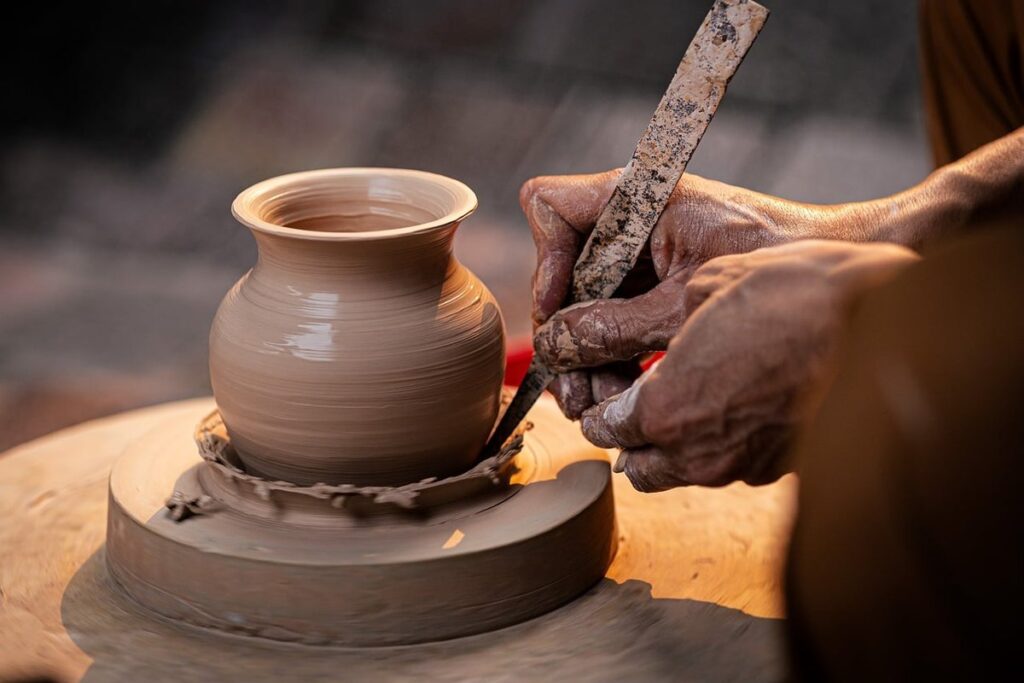
Choosing the Perfect Vase Shape
When it comes to painting a vase, the shape you choose can greatly impact the overall design and style. From sleek cylinders to elegant flutes, we’ll explore popular shapes for a unique look.
Understanding Vase Silhouettes
When it comes to pottery painting, the vase silhouette is often overlooked but plays a significant role in the overall aesthetic. A vase’s silhouette refers to its outline or shape when viewed from above. Understanding these silhouettes can help you choose a vase that complements your style and technique.
Tall, slender vases create a dramatic effect and are ideal for showcasing large, flowing brushstrokes. They’re perfect for capturing the beauty of abstract designs and allow the eye to follow the curves of the shape. In contrast, short and stout vases provide a more compact canvas for intricate details and patterns. These shapes work well with smaller brushes and fine lines.
A wide range of vase silhouettes exists, from classic cylinders to elaborate florals. When selecting a vase silhouette, consider the size and scope of your design. Taller vases often require fewer brushstrokes and allow for more expressive strokes, while shorter vases require more precision and detail work. By choosing a vase that suits your style, you’ll achieve a more cohesive and visually appealing piece of art.
Popular Vase Shapes for Beginners
When it comes to choosing a vase shape for pottery painting, beginners often find themselves overwhelmed by the numerous options available. However, some shapes are more forgiving than others, making them ideal for those just starting out.
Consider vases with symmetrical silhouettes, such as cylindrical or egg-shaped designs. These shapes allow for easier coverage and uniformity in painting. For example, a tall, slender cylinder is an excellent choice for beginners, as it provides ample space to experiment with different brushstrokes and patterns without worrying about asymmetry.
Another beginner-friendly option is the spherical vase shape. Its rounded form makes it easy to achieve smooth transitions between colors, creating a visually appealing effect. Additionally, spherical vases can be dressed up or down depending on the design, allowing beginners to experiment with various styles and techniques.
When selecting a vase shape, remember that simplicity often works best for beginners. Opt for shapes that offer clean lines and minimal visual distractions, enabling you to focus on perfecting your painting skills without unnecessary complications.
Color Schemes and Themes
When it comes to pottery painting vases, choosing a color scheme can make all the difference in bringing your design to life. We’ll explore some popular theme ideas to get you started on your next project.
Monochromatic Magic
Creating a monochromatic color scheme on a vase is a timeless and elegant approach to pottery painting. By sticking to one hue, you can achieve a cohesive look that’s both sophisticated and visually appealing. One of the benefits of this technique is its ability to create a sense of calmness and serenity in any space.
To start, choose a single color that resonates with your personal style or complements the vase shape. Consider selecting a bold, rich shade or a soft pastel hue – both can produce striking results. You can use different pottery painting techniques to add depth and interest to your monochromatic design.
For example, try using a gradient effect by transitioning from one shade of blue to another on a clear vase. Alternatively, experiment with texture by applying a layer of textured paint or decoupage in a single color. This will add visual interest without disrupting the overall harmony of the piece.
Some popular pottery painting techniques for monochromatic designs include ombre, sponging, and using stencils. Remember to balance bold colors with subtle details to avoid overwhelming the senses. By mastering these simple yet effective techniques, you can create stunning monochromatic vases that add a touch of elegance to any room.
Nature-Inspired Color Palettes
Nature-inspired color palettes are perfect for evoking a sense of serenity and calmness in your pottery-painted vases. These palettes often feature soft, muted tones reminiscent of the natural world. Consider using shades of sky blue, gentle lavender, or mossy green to create a soothing atmosphere.
When working with nature-inspired colors, it’s essential to balance warm and cool tones. Combine earthy browns and tans with blues and greens to achieve a harmonious palette. For example, pair soft sage with terracotta for a calming yet inviting effect.
To add depth and interest to your design, incorporate subtle texture and pattern elements. Use a sponge or textured brush to create organic patterns that resemble leaves or flowers. You can also use stencils or masks to add delicate details like branches or birds.
Some key colors to include in your nature-inspired palette are:
- Soft blues: sky blue, light blue, powder blue
- Muted greens: moss, sage, olive
- Earthy browns: terracotta, sienna, umber
- Creamy whites and ivories for added warmth
Remember to experiment with different combinations of these colors to create unique effects. With a little practice, you can achieve breathtaking results that transport your viewers to a serene natural setting.
Painting Techniques and Tips
To get started with creating unique vase designs, we’ll cover some essential painting techniques that will elevate your pottery pieces from ordinary to extraordinary. From brushstrokes to color combinations, let’s explore what makes a design truly special.
Basic Brushstrokes
Mastering basic brushstrokes is essential for creating visually appealing pottery paintings. The most common strokes used in pottery painting are flat wash, round wash, and drybrush. A flat wash involves applying paint to the entire surface of the vase with a broad brush, often using horizontal or vertical strokes to achieve a uniform color.
A round wash is similar but uses a smaller, more rounded brush to create a softer, more blended look. This technique is ideal for creating smooth transitions between colors and achieving a subtle gradient effect. To master the round wash, experiment with varying brush sizes and pressures to control the amount of paint released onto the surface.
The drybrush stroke involves dragging a almost-dry brush across the vase to pick up small amounts of pigment from the previous layer. This technique adds texture and interest to your design by creating subtle scratches and ridges on the surface. When using the drybrush, be sure to use gentle pressure to avoid damaging the glaze or creating uneven marks.
Texture and Pattern Creation
To create intricate textures and patterns on vases, you can experiment with various materials and tools. One technique is using sgraffito, where you scratch through a layer of underglaze to reveal the underlying color. For example, try applying a white or light-colored underglaze and then scratching through it with a sharp tool to create a subtle, textured design.
Another approach is incorporating found objects or materials into your design. You can use small rocks, seashells, or even beads to add visual interest and texture. Simply apply a thin layer of clear glaze over the object and let it dry before applying additional layers of paint. This technique works particularly well for creating organic, natural designs.
When working with textures, remember that less is often more. A single, bold design can be just as effective as a busy, intricate pattern. Experiment with different materials and tools to find what works best for you. Some popular options include:
- Stampers: Use these to create repeating patterns or textures
- Stencils: Apply paint through stencils for crisp, clean designs
- Texture paste: Mix this with paint for added depth and dimension
Inspiration from Art Movements
For a truly unique pottery painting vase idea, let’s draw inspiration from various art movements that have shaped the world of ceramics and visual arts. We’ll explore how Impressionism, Abstract Expressionism, and other styles can influence your next creative project.
Abstract Expressionism
Abstract expressionism’s emphasis on spontaneous gesture and emotional intensity resonates with pottery painters seeking to infuse their vases with unique character. Artists like Jackson Pollock and Willem de Kooning pioneered this movement, dripping and splashing paint onto canvas to create dynamic, expressive works.
Pollock’s “No. 5” (1948) features intricate web-like patterns formed by splattered paint. De Kooning’s “Woman I” (1950-52) showcases bold, gestural brushstrokes that evoke a sense of raw emotion. To apply these principles to vase painting, experiment with loose, expressive brushstrokes and consider using unconventional tools like household items or even your fingers.
When working with abstract expressionism-inspired designs, focus on capturing the emotional intensity of the process rather than achieving perfection. This means embracing mistakes and allowing them to become an integral part of the piece. For example, try dripping paint onto a still-wet base coat or using a palette knife to scrape and smear colors across the vase’s surface.
Key elements to consider when incorporating abstract expressionism into your pottery painting include:
• Emphasizing gesture and movement
• Using unconventional tools and techniques
• Focusing on emotional intensity over perfection
Minimalist Chic
In Minimalist Chic pottery painting, clean lines, simple shapes, and a limited color palette come together to create visually striking vases. This aesthetic is perfect for those who want to make a statement without overwhelming the senses. To achieve this look, focus on using smooth brushstrokes to apply one or two contrasting colors to your vase.
Consider pairing a bold, rich hue with a crisp white or creamy beige. For example, a deep navy blue can be paired with a subtle off-white for a sophisticated contrast. Alternatively, opt for monochromatic colors in different shades of the same hue, such as various blues or greens, to create a cohesive and streamlined appearance.
The key to Minimalist Chic is restraint – avoid cluttering your vase with intricate patterns or excessive details. Instead, let the simplicity of the design speak for itself. If you’re new to pottery painting, start by working with a plain white vase and adding a single bold stripe or pattern. This will allow you to focus on developing your skills while achieving a clean and modern look. By embracing this minimalist approach, you can create vases that are both elegant and effortless.
Advanced Techniques for Experts
For those who’ve mastered the basics, it’s time to push your pottery painting skills further with intricate designs and multi-colored techniques that will elevate your vases. We’ll explore expert-level methods for adding depth and visual interest.
Faux Finishing
To achieve a realistic faux finish on a vase, you’ll need to work with materials like ceramic paint, glazes, and sometimes even metallic powders. For a convincing stone-like effect, for instance, use a mixture of fine-grained glaze and subtle texture created by stippling or sponging. To create a wood-grain appearance, apply layers of transparent paint in a pattern reminiscent of wooden grain, building up the desired depth and texture.
Some popular faux finishing techniques include crackle finish, velvet finish, and suede-like finishes achieved through specific brushstrokes or texturing tools. A crackle finish can be created by applying a layer of clear glaze over an undercoat of ceramic paint, then using heat to cause it to crack and peel in a way that resembles old, weathered stone.
When working with faux finishing techniques, it’s essential to experiment with different materials and methods to achieve the desired effect. Consider practicing on smaller test pieces before applying complex finishes to your actual vase project. Pay attention to the specific characteristics you’re trying to replicate – for example, the subtle sheen of real wood or the rough texture of stone – and adjust your techniques accordingly.
Gilding and Metallic Accents
Gilding involves applying a thin layer of metal to create a luxurious finish. To achieve this effect on pottery-painted vases, you’ll need a gilding paste specifically designed for ceramics. Before application, ensure the surface is clean and dry. Apply a small amount of paste using a soft brush, working in thin layers to avoid pooling.
For metallic accents, consider using metallic paint or lusters that can be applied over a base coat. These products come in various finishes, from subtle shine to bold, reflective surfaces. When selecting a metallic color, keep the overall design in mind and choose an accent that complements the main theme.
To prevent uneven application, use a small brush for detail work and a larger one for broader strokes. Make sure to follow the manufacturer’s instructions for drying times between coats. A clear coat of varnish can be applied over metallic accents to protect them from wear and tear.
Some popular techniques for achieving metallic effects include layering thin glazes or applying a metallic underglaze before firing. Experiment with different methods to achieve unique, high-end finishes on your pottery-painted vases.
Troubleshooting Common Issues
We’ve all been there: a beautifully painted vase, ruined by a stubborn stain or an uneven finish. This section will help you troubleshoot common issues that can ruin your pottery painting projects.
Curing Techniques
When it comes to curing techniques, a common mistake is underestimating the importance of air circulation. You may have carefully applied multiple thin coats, but if the painting area isn’t well-ventilated, moisture can become trapped, leading to uneven drying and potential cracking. To avoid this, ensure that your workspace has good airflow or use a fan to circulate the air.
Temperature control is another crucial factor in the curing process. A typical temperature range for curing pottery paint is between 65°F to 75°F (18°C to 24°C). Avoid placing your vases near heating vents, radiators, or drafty windows, as extreme temperatures can cause the paint to dry too quickly or unevenly.
If you’re unsure about the optimal drying time for a specific project, consult the manufacturer’s guidelines for the particular pottery paint brand you’re using. Typically, it takes 24 hours for the first coat to dry completely, and subsequent coats should be applied when the previous one is fully dry to the touch.
For best results, aim for a consistent temperature range throughout the curing process. This will help prevent warping or cracking, ensuring your beautifully painted vases remain intact for years to come.
Repairing Damaged Work
When a pottery-painted vase suffers damage, it’s essential to address the issue promptly to prevent further deterioration. For minor cracks and chips, you can use clear nail polish to seal them. Apply multiple thin coats, allowing each layer to dry before adding more. This will help conceal small imperfections and provide an extra layer of protection against moisture.
For larger damages or extensive chipping, consider using a pottery repair kit specifically designed for ceramics. These kits usually contain a specialized adhesive that can be applied to the damaged area and then shaped to match the surrounding surface.
In some cases, it may be necessary to re-paint the entire vase. Before doing so, ensure you’ve cleaned and prepared the surface thoroughly to prevent any imperfections from being covered up by new paint. You can use a gentle scrubber or sandpaper to smooth out rough patches, then wipe clean with soap and water.
It’s also worth noting that prevention is often the best approach when it comes to damaged pottery-painted vases. Regularly inspecting your work and handling pieces with care can help minimize the risk of accidents.
Conclusion
The conclusion of our pottery painting vase ideas journey highlights the versatility and creativity of this art form. When it comes to painting vases, the possibilities are endless, from bold and vibrant designs to delicate and intricate patterns. A great way to get started is by experimenting with different brushstrokes, such as drybrushing or stippling, to achieve unique textures and effects.
To take your vase painting skills to the next level, remember that practice makes perfect. Don’t be afraid to try new techniques and make mistakes – they can often lead to unexpected and exciting results. Additionally, consider incorporating personal touches, like monograms or special messages, to give your vases extra meaning and significance. With patience, creativity, and a willingness to learn, you’ll be well on your way to becoming a skilled vase painter.
Frequently Asked Questions
How Long Does It Take to Cure Pottery Painted Vases?
It takes anywhere from 24 hours to several days for pottery-painted vases to fully cure, depending on factors like air circulation and temperature. To ensure proper curing, follow the recommended times provided with your specific paint or glaze.
What if I Want to Add Metallic Accents to a Pre-Painted Vase?
You can still add metallic accents to a pre-painted vase using gilding techniques. Clean and prepare the surface as instructed in the article on gilding and metallic accents, then apply the metallic material according to the manufacturer’s guidelines.
Can I Mix and Match Different Techniques for Unique Results?
Yes, mixing and matching different pottery painting techniques can lead to truly unique results. Experiment with combining monochromatic color schemes with nature-inspired patterns or adding metallic accents to abstract expressionist designs to create something entirely new.
How Do I Know When a Color Scheme Is Working on My Vase?
When designing your vase’s color scheme, it’s essential to step back regularly and evaluate the overall effect. If you’re unsure whether the colors are working together harmoniously, try using a reference image or seeking input from fellow artists for an objective perspective.
What if I Accidentally Damage My Pottery Painted Vase?
Don’t worry; most pottery-painted vases can be repaired with the right techniques and materials. Consult the article on repairing damaged work for step-by-step instructions on fixing cracks, chips, and other imperfections, or visit a local pottery supply store for professional advice.

