
Plastic waste is a pervasive problem that affects us all, from the microbeads in our face wash to the disposable water bottles littering our streets. As consumers, we have the power to make a change by choosing how and what we buy. Plastic-free shopping isn’t just about avoiding single-use plastics; it’s also about supporting stores that share your values and investing in products with sustainable packaging. But where do you start? This guide is designed to help you reduce plastic waste and shop more sustainably, covering everything from reusable alternatives for everyday essentials to the best eco-friendly stores to frequent. By the end of this article, you’ll know how to identify plastic-free shopping options, find stores that match your values, and make informed choices about the products you bring home.
Understanding the Problem: Why Plastic-Free Matters
Let’s face it, plastic waste is a massive problem that affects us all. In this crucial section, we’ll explore why adopting a plastic-free lifestyle is essential for our planet’s well-being.
The Impact of Single-Use Plastics on the Environment
Single-use plastics have a devastating impact on ecosystems around the world. When plastic waste enters our oceans and waterways, it can harm marine life through entanglement, suffocation, and ingestion of microplastics. This has been linked to declines in sea turtle populations and coral bleaching. Furthermore, plastic debris is also ingested by humans through contaminated seafood, potentially leading to health problems.
The production and disposal of single-use plastics contribute significantly to greenhouse gas emissions, exacerbating climate change. The extraction and processing of fossil fuels required for plastic production release carbon dioxide and methane into the atmosphere. Additionally, when plastic waste decomposes in landfills or incinerators, it releases toxic chemicals that can harm human health.
Some alarming statistics highlight the severity of this issue: most seabirds are thought to ingest some form of plastic debris each year, while a small minority of plastic waste is recycled annually. To mitigate these effects, consider choosing products with minimal packaging and avoiding items made from non-renewable resources whenever possible.
The Rise of Plastic Pollution: Statistics and Facts
Plastic pollution has become a pressing concern globally, with devastating consequences for our environment. The statistics are staggering: over 8 million tons of plastic waste enter our oceans every year, harming marine life and contaminating the food chain. This is not just an environmental issue; it also affects human health. For instance, microplastics have been found in tap water samples from around the world, including in the United States, Europe, and Australia.
The causes of plastic pollution are multifaceted but can be attributed to a combination of factors, including single-use plastics, poor waste management infrastructure, and lack of recycling facilities. In many countries, more than 50% of plastic waste is not recycled due to inadequate facilities or inefficient sorting processes.
Some alarming facts about plastic pollution include:
- The Great Pacific Garbage Patch, a massive accumulation of plastic debris in the ocean, has grown to over 700,000 square kilometers.
- Most seabirds have ingested some form of plastic, with up to 90% of seabird species affected worldwide.
- Plastic microbeads, commonly found in face wash and toothpaste, can take hundreds of years to decompose.
Reducing Your Plastic Footprint at Home
One of the most impactful ways you can live more sustainably is by reducing your plastic footprint at home, and it all starts with making a few simple changes to your daily habits. From switching to reusable bags to choosing products in bulk.
Assessing Your Current Habits and Making a Change
When it comes to reducing your plastic footprint at home, a crucial first step is assessing your current habits and making a change. Start by tracking your plastic usage for one week – write down every single-use plastic item you use, from water bottles and straws to bags and containers. This will give you a clear picture of where your plastic waste is coming from.
Next, identify areas where you can make the most significant impact. If you notice that you’re using a lot of single-use plastic bags for grocery shopping, consider switching to reusable cloth bags or buying items in bulk. Similarly, if you find yourself relying on disposable water bottles, look into investing in a refillable container.
Set realistic goals based on your findings – aim to reduce your plastic usage by 20% within the next month, for example. Break down larger changes into smaller, manageable steps: start by cutting back on one type of single-use plastic item each week. Remember, every small change counts, and making these adjustments will not only help you save money but also contribute to a more sustainable future. By being honest about your habits and setting achievable targets, you’ll be well on your way to making meaningful changes in your daily life.
Reusable Alternatives to Single-Use Plastics
When it comes to reducing single-use plastics at home, replacing them with reusable alternatives is a crucial step. Start by switching from disposable bags to sturdy canvas or jute tote bags for grocery shopping and other errands. These bags are often made from sustainable materials, can be machine washed, and will last for years with proper care.
Reusable water bottles are another essential item. Look for BPA-free options made from stainless steel, glass, or silicone, which can withstand extreme temperatures and are easy to clean. Some popular brands offer refill programs that reduce waste even further by eliminating the need for single-use plastic water bottle packaging.
Cutlery is another area where reusable alternatives shine. Opt for metal or bamboo straws instead of plastic ones, and choose a set of stainless steel or silicone utensils that can be washed and reused multiple times. When it comes to toothbrushes, consider switching to an electric model with replaceable heads made from sustainable materials.
Consider the following options when choosing reusable cutlery:
- Metal or bamboo straws
- Stainless steel or silicone utensil sets
- Reusable snack bags for packing lunches or snacks
- Beeswax wraps instead of plastic wrap for food storage
Plastic-Free Shopping on the Go
Whether you’re grabbing lunch at a busy café or running errands, it’s easy to get caught up in plastic packaging. We’ll share some expert tips for making plastic-free shopping a habit on-the-go.
Choosing Eco-Friendly Stores and Brands
When selecting stores and brands for plastic-free shopping, look for those that prioritize sustainability. Check if they have a clear commitment to reducing waste and using eco-friendly packaging. Some stores might display their sustainability policies on their websites or in-store, so it’s worth browsing through these resources.
You can also check online reviews and ratings from other customers who share your values. Many eco-conscious consumers review stores based on their plastic usage and sustainable practices. Websites like Good On You and Ethical Consumer provide ratings for brands’ environmental policies and practices.
Some certifications to look out for include the 1% For The Planet logo, which indicates that a company donates at least 1% of its sales to environmental causes. Another is B Corp Certification, which recognizes companies that meet rigorous standards for social and environmental performance.
When shopping in stores, take note of the types of packaging used by different brands. Opt for products with minimal or biodegradable packaging. You can also ask store staff about their plastic-free options and what initiatives they’re taking to reduce waste.
Navigating Supermarkets for Plastic-Free Options
When shopping for plastic-free products at supermarkets, it’s essential to be an informed and proactive consumer. Start by reading labels carefully, as many products may claim to be eco-friendly but still contain some level of plastic or non-biodegradable materials. Look for certifications like Biodegradable Products Institute (BPI) or Compostable logos, which indicate that the product meets certain standards for biodegradability and compostability.
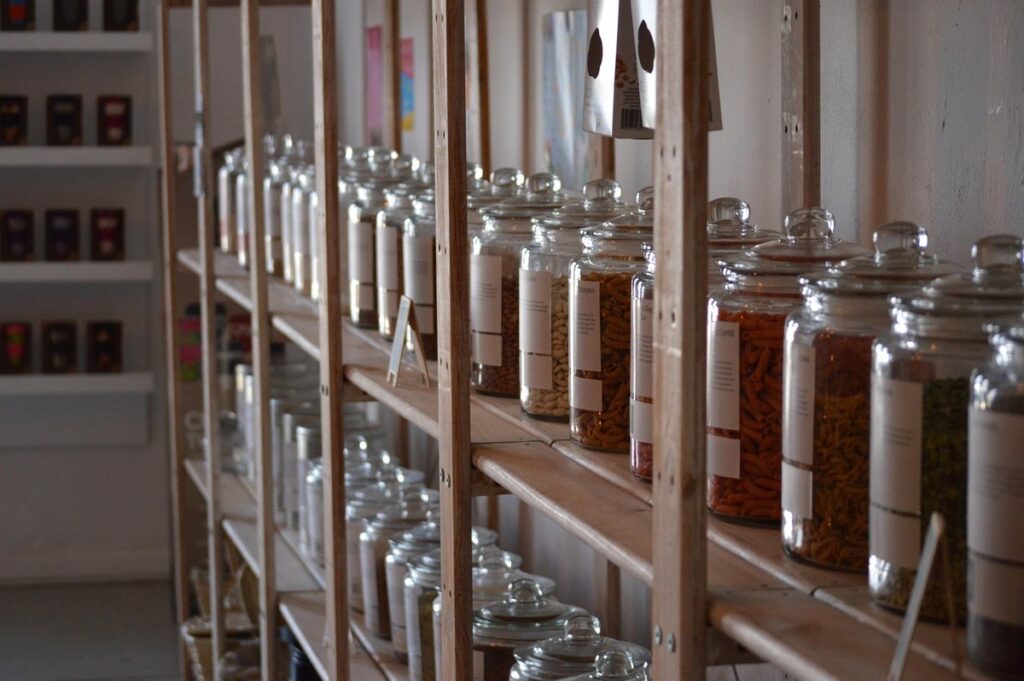
If you’re unsure about a particular product’s ingredients or packaging, don’t hesitate to ask the store staff for assistance. Many supermarkets now employ knowledgeable employees who can provide guidance on plastic-free options and sustainability initiatives within their stores. Some stores even have dedicated sections for eco-friendly products or offer bulk bins for nuts, grains, and other dry goods.
Before shopping, it’s also a good idea to plan your trip around the store’s layout. Familiarize yourself with the supermarket’s product offerings and location of natural food sections, which often carry more plastic-free options. By being prepared and proactive, you can make informed choices about the products you bring into your home and reduce your plastic footprint. Some supermarkets also offer online shopping with in-store pickup or delivery, allowing you to easily select plastic-free products without having to physically search for them.
Planning a Plastic-Free Shopping List
To plan a plastic-free shopping list, start by identifying your household’s most used products and replacing them with eco-friendly alternatives that are available in stores.
Begin by making a note of essentials like cleaning supplies, personal care items, and food storage containers.
Meal Planning and Grocery List Essentials
When planning a plastic-free shopping list, it’s essential to consider what you need for the next few days. Start by thinking about your dietary preferences and the number of meals you’ll be preparing at home. Consider meal prepping or batch cooking to reduce food waste and minimize packaging. For example, cook a large pot of beans or grains that can be used in multiple dishes throughout the week.
Make a list of staples like brown rice, quinoa, oats, and whole grains that are typically packaged in minimal or biodegradable materials. Don’t forget to include plastic-free-friendly pantry items such as nuts, seeds, dried fruits, and spices. You may also want to consider purchasing in bulk from stores that offer refill options for items like coffee beans, nuts, and granola.
When creating your shopping list, be sure to prioritize the most essential items and avoid impulse buys. Consider shopping at local farmers’ markets or through a community-supported agriculture (CSA) program to reduce packaging waste and support local producers. Finally, remember that plastic-free shopping is not about perfection – it’s about making progress and finding alternatives that work for you.
Specialty Stores and Online Resources for Plastic-Free Shopping
When it comes to plastic-free shopping, having access to stores and online platforms that cater specifically to our needs can be a game-changer. One such example is Thrive Market, an online marketplace offering over 30,000 organic and natural products with minimal packaging.
Another popular option is The Zero Waste Store, which offers a curated selection of eco-friendly products, including reusable bags, beeswax wraps, and refillable containers. Online stores like these often have a robust product filtering system, making it easy to find what you need without sifting through unnecessary options.
Some specialty stores worth exploring include plastic-free grocery stores like Plastic Free Pantry in the US or The Zero Waste Store in the UK. These physical stores provide an immersive experience, allowing customers to touch and explore products before purchasing. Online platforms like Abundance Store, which offers a wide range of sustainable household items, also deserve a mention.
When shopping online, consider signing up for newsletters from your favorite plastic-free brands or stores to stay informed about new arrivals, promotions, and special offers.
Sustainable Packaging and Product Choices
When shopping for plastic-free products, it’s essential to consider the packaging that comes with them. Let’s take a closer look at how sustainable packaging options can make all the difference in your plastic-free journey.
The Role of Sustainable Packaging in Reducing Waste
Sustainable packaging innovations have revolutionized the way products are packaged and shipped. One notable example is biodegradable packaging made from plant-based materials such as cornstarch, sugarcane, or potato starch. These alternatives to traditional plastics decompose naturally in a short period, typically between 1-6 months, depending on environmental conditions.
Another innovation is compostable packaging, which can be turned into nutrient-rich soil after use. Compostable packaging is often used for food and beverage products, as it allows consumers to easily dispose of packaging waste by adding it to their home compost piles.
These sustainable packaging solutions contribute significantly to reducing waste by minimizing the amount of non-biodegradable materials sent to landfills or oceans. By choosing products packaged in eco-friendly materials, consumers can make a tangible impact on the environment.
Some notable companies have already started incorporating biodegradable and compostable packaging into their product lines. For instance, L’Oréal has introduced a line of shampoos packaged in glass bottles with bioplastic caps. Similarly, companies like Seventh Generation and Method use plant-based materials for their packaging. When shopping for plastic-free products, look for these labels to make informed choices about the impact of your purchases on the environment.
Product Labels to Look Out for: Biodegradable, Compostable, and More
When shopping for plastic-free products, keep an eye out for eco-friendly labels like biodegradable and compostable. These terms can be misleading if you don’t understand what they mean. Biodegradable products break down naturally in the environment over time, but the process can still take years – not exactly “green.” Compostable items, on the other hand, are designed to decompose quickly when exposed to heat and microorganisms.
Refillable packaging is another option worth considering. Many brands now offer refill options for their products, which can be an effective way to reduce waste. Companies like Seventh Generation and Method offer refills for cleaning supplies and personal care items.
Some certifications to look out for include the Biodegradable Products Institute (BPI) and Compostable logo, both of which ensure that products meet specific standards for biodegradability or composting. When shopping, scan the label for these logos or search for brands that use them. Keep in mind that certification is not always a guarantee – some companies may make unsubstantiated claims about their products’ eco-friendliness.
Making Plastic-Free Shopping a Lifestyle
Now that you’re hooked on reducing plastic, it’s time to take your commitment to the next level by turning plastic-free shopping into a sustainable lifestyle habit.
Building Community and Supporting Local Initiatives
Building a community of like-minded individuals who share your commitment to plastic-free shopping can be incredibly empowering. By connecting with others who are working towards similar goals, you’ll not only stay motivated but also gain valuable insights and ideas for sustainable living. Consider joining local environmental groups or attending workshops that focus on reducing waste and promoting eco-friendly practices.
Look for initiatives in your community that align with your values, such as beach cleanups, park revitalization projects, or zero-waste meetups. Participating in these events not only helps you make a tangible impact but also introduces you to people who share your passion for sustainability.
When shopping, prioritize local businesses and brands that are committed to reducing their plastic footprint. Many of these companies have found innovative ways to package products without single-use plastics or use biodegradable materials whenever possible. Some may even offer discounts or loyalty programs for customers who bring reusable containers or bags.
By supporting these businesses, you’re sending a clear message about the importance of sustainable practices and encouraging others to follow suit.
Continuous Improvement: Challenges and Solutions
Adopting a plastic-free lifestyle can be a steep learning curve, and even the most committed individuals face common challenges along the way. One of the biggest hurdles is maintaining momentum, as old habits creep back in or new situations arise that weren’t anticipated. For instance, traveling to areas with limited eco-friendly options or hosting guests who don’t share your values can test one’s resolve.
To overcome these obstacles, it’s essential to build a support system and stay informed about the latest products and solutions. Joining online forums or local plastic-free groups connects you with like-minded individuals who can offer advice and encouragement. Staying up-to-date on new packaging materials and brands that meet your standards is also crucial – consider following eco-conscious influencers or subscribing to newsletters from companies committed to sustainability.
Another key strategy is to focus on progress, not perfection. It’s unrealistic to expect yourself to eliminate plastic entirely overnight, especially when faced with the sheer volume of products containing it. By celebrating small victories and adjusting your goals as needed, you’ll be more likely to maintain a plastic-free lifestyle in the long term. This mindset shift enables you to approach setbacks with flexibility and resilience, rather than frustration or guilt.
Frequently Asked Questions
Can I still use public transportation with my reusable shopping bags?
Yes, most buses and trains allow passengers to bring their own bags on board. However, it’s always best to check with the transit authority or driver beforehand to confirm their policy.
How do I handle situations where stores don’t have eco-friendly alternatives for certain products?
When faced with a store that doesn’t offer plastic-free options, try asking the staff if they can special order the item for you or suggest alternative brands that are more sustainable. You can also consider shopping at local farmers’ markets or online platforms that cater to plastic-free consumers.
What if I’m planning a road trip and need to buy snacks on the go – will my reusable containers fit in the car?
Yes, most reusable containers are designed to be compact and lightweight, making them easy to pack into a car. Consider investing in a portable container with a secure lid to keep contents fresh during travel.
Is it okay to still use some plastic products if I’m mostly shopping plastic-free – like using a plastic water bottle occasionally?
While it’s great that you’re making an effort to reduce your plastic footprint, it’s worth noting that occasional use of single-use plastics can undermine the overall impact of your sustainable choices. Consider switching to refillable options for water and other essentials to maintain consistency.
Can I make my own reusable products like bags and straws instead of buying them online or at stores?
Yes, making your own reusable products can be a fun and cost-effective way to reduce waste. You can find plenty of DIY tutorials and patterns online for creating reusable bags, straws, and other items using eco-friendly materials.

