
The average person uses between 4-6 single-use plastic containers per day for lunch, contributing to an staggering amount of waste. Plastic containers are not only detrimental to the environment but also pose health risks due to chemicals leaching into food. You may be surprised by the number of hazardous substances found in everyday plastics, including BPA and phthalates. As more people become aware of the environmental impact of their daily choices, a growing movement towards eco-friendly alternatives is emerging. This shift towards sustainability can start with something as simple as switching to reusable lunch containers made from materials like stainless steel or glass. In this article, we’ll explore sustainable alternatives to plastic lunch containers and provide you with practical tips on how to make the switch, allowing you to reduce waste and promote healthy eating habits by the time you finish reading.
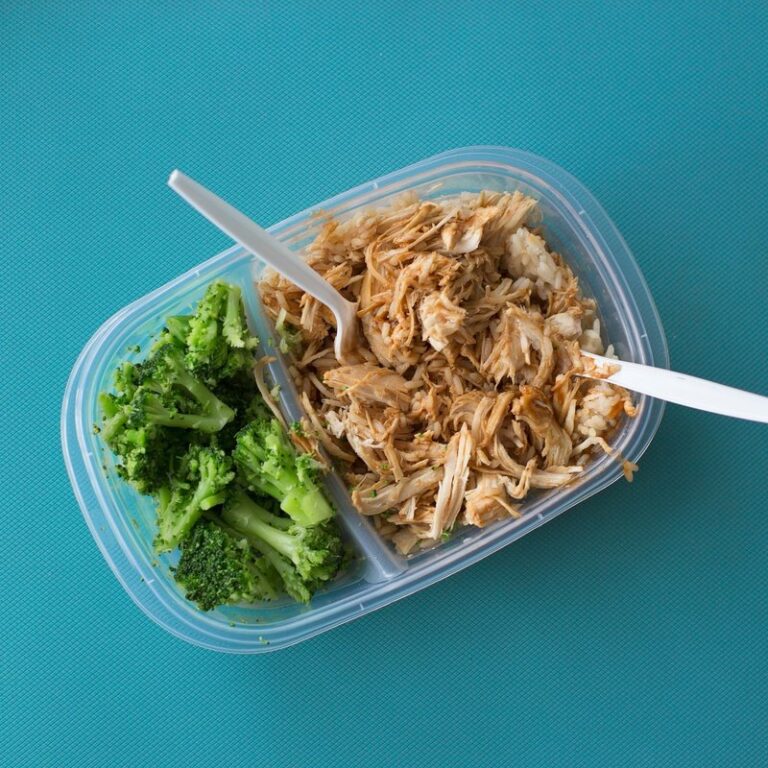
Benefits of Switching to Plastic-Free Lunch Containers
Let’s take a closer look at the tangible rewards you can expect from making the switch to plastic-free lunch containers, including reduced waste and cost savings.
Reducing Plastic Waste and Its Environmental Impact
Each year, eight million tons of plastic waste enter our oceans, harming marine life and contaminating ecosystems. Plastic bags, straws, and microbeads are among the most devastating contributors to this problem. According to the United Nations, if we continue at this rate, there will be more plastic than fish in the ocean by 2050.
The impact on marine life is alarming: sea turtles mistake plastic bags for jellyfish, while seabirds ingest microplastics that can cause blockages and nutrient deficiencies. Coral reefs, vital ecosystems, are also destroyed by plastic debris. Moreover, when fish consume plastic particles, they accumulate in the food chain, ultimately reaching human plates.
Reducing plastic waste from lunch containers is a crucial step towards mitigating this crisis. Consider switching to reusable containers made of stainless steel or glass, which can withstand daily use and last for years. When you must use disposable containers, choose those made from bioplastics or plant-based materials that are designed to decompose more easily. By making these simple changes, you can significantly contribute to a reduction in plastic waste and its devastating environmental impact.
Health Risks Associated with Plastic-Containing Food Containers
When plastics break down in food containers, they can leach chemicals into the food itself. BPA, phthalates, and other endocrine disruptors have been found to migrate from plastic containers into fatty foods like meats and cheeses. Studies have linked exposure to these chemicals with a range of health problems, including reproductive issues, cancer, and developmental delays.
In particular, young children are at risk due to their rapidly developing bodies and frequent consumption of foods stored in plastic containers. A small minority of research suggests that even brief exposure to BPA can alter gene expression in infants. While more studies are needed, it’s essential for parents and caregivers to minimize exposure whenever possible.
To reduce the risks associated with plastic-containing food containers, choose containers made from glass or stainless steel, which don’t leach chemicals into food. When shopping for plastic containers, look for ones labeled as BPA-free or phthalate-free, although note that even these may not be entirely safe. Avoid heating foods in plastic containers, and wash them thoroughly before reusing.
Types of Eco-Friendly Lunch Container Materials
You’re likely curious about the various materials used for eco-friendly lunch containers, and there are several options available that prioritize sustainability without sacrificing functionality. From stainless steel to bamboo, let’s explore some popular alternatives to traditional plastic containers.
Stainless Steel Lunch Boxes: Durable and Sustainable
Stainless steel lunch boxes have gained popularity as an eco-friendly option due to their impressive durability. These containers can withstand scratches and corrosion, making them a great choice for daily use. Their rugged construction also means they can be used repeatedly without degrading, reducing the need for frequent replacements.
One of the key advantages of stainless steel is its ease of cleaning. Unlike plastic or other materials, stainless steel doesn’t harbor bacteria, making it an ideal choice for food storage. A simple wash with soap and water is often enough to keep your lunch box clean and hygienic. For tougher stains, a gentle scrubber and some baking soda can work wonders.
Stainless steel is also non-toxic, eliminating the risk of chemicals leaching into your food. This makes it an excellent option for storing hot or cold meals, including soups and leftovers. When choosing a stainless steel lunch box, consider looking for one with a double-walled insulation to keep your food at the right temperature. This feature can be particularly useful during peak summer months when you need to keep your meals cool without the risk of ice packs.
Glass Containers: Non-Toxic and Reusable
Glass containers are an attractive alternative to plastic lunch containers due to their non-toxic nature. Unlike plastic, glass doesn’t contain chemicals like BPA and phthalates that can leach into food. This makes them a safer choice for packing lunches. Glass is also incredibly durable and can withstand high temperatures, so you can microwave or oven-bake meals in them without worrying about melting.
One of the significant benefits of glass containers is their reusability. Once you’ve used a glass container, simply wash it with soap and water, and it’s ready for its next use. This reduces waste and saves money by eliminating the need for single-use plastic containers or bags. When shopping for glass containers, look for ones made from thick, tempered glass that can withstand daily wear and tear.
To make the most of your glass containers, consider investing in a set with lids to keep food fresh. Some popular options include Pyrex or Anchor Hocking brands, which offer a range of styles and sizes suitable for packing lunches.
Choosing the Right Plastic-Free Lunch Container for Your Needs
When it comes to switching to a plastic-free lunch container, the options can be overwhelming. Let’s break down the key factors to consider in making your choice.
Factors to Consider When Selecting Eco-Friendly Lunch Containers
When selecting a plastic-free lunch container, consider the size to ensure it fits your daily needs. A standard 7-inch diameter container is suitable for most adults, but if you’re packing for children or have a larger appetite, opt for a slightly larger size. Measure your usual meals to determine the ideal capacity.
Material is another crucial factor. Look for containers made from durable, food-safe materials like stainless steel, bamboo, or BPA-free silicone. Avoid containers with a wax or varnish coating, as these can leach chemicals into your food. For instance, if you’re planning to store hot meals, choose a container with excellent thermal insulation to keep food warm for hours.
Durability is also essential; a long-lasting container will reduce waste and save you money in the long run. Check the manufacturer’s warranty and reviews from other users to gauge the product’s durability. Consider containers with removable lids or parts for easy cleaning and maintenance. By weighing these factors, you’ll be able to find a plastic-free lunch container that meets your needs and supports a more sustainable lifestyle.
Brands and Products That Offer Sustainable Alternatives
Several brands have developed eco-friendly lunch containers made from sustainable materials. Stasher offers reusable silicone bags with a zipper seal, allowing for easy cleaning and storage. These bags are also dishwasher safe and come in various sizes to accommodate different food types.
Another option is the bees wrap brand’s reusable beeswax wraps, which are a natural alternative to plastic wrap. These wraps are made from beeswax, jojoba oil, and cotton, making them compostable at the end of their life cycle. They can be used to store fruits, vegetables, and even snacks.
The company Susty Party offers a line of reusable lunch containers made from stainless steel and bamboo. These containers are durable, BPA-free, and easy to clean. They also come with a lifetime warranty, ensuring they will last for many years to come.
When selecting a sustainable alternative, consider the material, durability, and ease of cleaning. Some products may require more maintenance than others, but they can provide long-term benefits for the environment.
Preparing Meals in Plastic-Free Lunch Containers
When packing lunch in your new plastic-free containers, you’ll want to know how to prepare meals that won’t compromise their longevity. Let’s discuss the best practices for meal prep and storage in these eco-friendly containers.
Meal Planning and Preparation Tips for Using Eco-Friendly Containers
When planning meals to pack in plastic-free lunch containers, consider portion control to avoid overfilling and reduce waste. A good rule of thumb is to fill each container about 3/4 full to allow for expansion during transportation and prevent spills. This also helps ensure that you’re not packing too much food, which can be a challenge when using reusable containers.
In terms of food safety, always prioritize the “2-hour rule”: keep perishable items like meat, dairy, and eggs at a safe temperature below 40°F (4°C) for no more than 2 hours. For example, pack sandwiches with cold cuts in insulated containers or use ice packs to keep them cool. Be mindful of high-risk foods like raw sprouts, which can harbor bacteria.
For meal ideas, think beyond the usual sandwiches and salads. Try packing leftovers from last night’s dinner, hard-boiled eggs, carrot sticks with hummus, or even a small bowl of soup. Keep it simple by preparing identical meals for multiple days or making a batch of rice or quinoa to use as a base for different fillings. By planning ahead and being mindful of portion control and food safety, you’ll be well on your way to packing plastic-free lunches that are both healthy and sustainable.
Storage and Transportation Options for Plastic-Free Lunch Containers
Choose bags made from sustainable materials like canvas, cotton, or recycled polyester to store your plastic-free lunch containers. Look for ones with sturdy construction and secure closures to prevent spills and leaks during transport. For instance, a canvas tote bag can hold multiple containers, utensils, and even a water bottle.
Consider wraps or rolls specifically designed for carrying food containers. These often have insulation to keep contents warm or cool, reducing the need for extra packaging. Some popular options include reusable snack wraps made from silicone or beeswax-coated cotton.
For shorter trips, opt for backpacks or pouches with dedicated compartments and padding to protect your containers. This is ideal for kids’ lunches or when carrying fragile items like glassware. You can also repurpose old backpacks or bags to create a zero-waste solution. Just be sure to clean and deodorize them regularly.
When selecting storage and transportation options, prioritize durable materials that can withstand regular use. Regularly inspect your containers and bags for signs of wear, replacing them as needed to maintain their effectiveness and extend their lifespan.
Washing and Cleaning Eco-Friendly Lunch Containers
To keep your eco-friendly lunch containers in great condition, you’ll want to learn how to wash them effectively without harsh chemicals. Effective cleaning techniques are key.
Tips for Properly Washing and Cleaning Stainless Steel and Glass Containers
To maintain their performance and longevity, stainless steel containers require regular cleaning. Avoid using abrasive cleaners, scouring pads, or bleach, as these can damage the finish and compromise the container’s non-stick coating. Instead, wash them with mild soap and warm water. For tougher stains, mix equal parts water and white vinegar in the container, let it soak for a few hours, then scrub gently with a soft sponge.
Glass containers are also prone to etching and scratching if not cleaned properly. Always rinse glass containers thoroughly before washing to remove any residue from food or drink. Use a soft-bristled brush to scrub away stubborn stains, and avoid using paper towels which can leave behind lint. For more severe etching, mix baking soda and water to form a paste, apply it to the affected area, and let it sit for 30 minutes before rinsing with warm water.
Regular cleaning is essential to maintaining the performance and longevity of both stainless steel and glass containers.
Sanitizing Methods for Reusable Food Containers
Boiling is an effective method to sanitize reusable food containers. Fill the container with water and bring it to a rolling boil for 5-10 minutes. This heat will kill most bacteria, viruses, and fungi that may have accumulated on the surface of the container. For tougher stains or odors, you can also add baking soda or white vinegar to the boiling water.
Steaming is another gentle yet effective sanitizing method. Simply place the container in a steamer basket over boiling water for 5-10 minutes. The steam will loosen and remove any food residue without damaging the material of the container. This method is particularly suitable for delicate containers, such as stainless steel or silicone ones.
Sanitizing solutions can also be used to sanitize reusable food containers. Look for products that are specifically designed for sanitizing food contact surfaces and follow the manufacturer’s instructions carefully. Some popular options include bleach-based solutions or products containing tea tree oil, which have antimicrobial properties. Always rinse the container thoroughly after sanitizing with a solution, as residues can affect the taste of food.
Overcoming Common Challenges with Plastic-Free Lunch Containers
One of the biggest hurdles to adopting plastic-free lunch containers is overcoming common challenges that can make them seem impractical, such as leakage and durability. We’ll tackle these issues head-on in this next section.
Addressing the Cost Factor: Making Eco-Friendly Options More Affordable
One way to make eco-friendly lunch containers more affordable is by buying in bulk. Many online retailers offer discounts for large orders of reusable containers made from materials like stainless steel, silicone, and bamboo. By purchasing a dozen or more containers at once, you can reduce the cost per unit and spread out the expense over time.
Another option is to explore second-hand stores, thrift shops, or online marketplaces for gently used eco-friendly lunch containers. Websites like eBay, Craigslist, or Facebook Marketplace often have listings for second-hand containers that are still in good condition. You can also consider swapping containers with friends or family members who may be upgrading their own collection.
It’s also worth noting that some brands offer affordable options by using minimal packaging and designing products that are easy to clean and maintain. Look for companies that prioritize sustainability and transparency in their production processes. By making a few smart choices, you can find eco-friendly lunch containers that fit your budget and help reduce waste.
Addressing the Convenience Factor: Balancing Sustainability with Practicality
When using plastic-free lunch containers, it’s essential to balance sustainability with practicality. A common challenge is preparing meals that are both nutritious and easy to transport without generating excess waste. Meal planning can make a significant difference here. Consider preparing larger batches of food on the weekends or one day a week for lunches throughout the next few days. This approach allows you to minimize food packaging while ensuring there’s always something ready to go.
Think about what foods are easiest to prepare in bulk, such as rice, grains, and roasted vegetables. These can be used as bases for salads or wraps, making it simple to pack a balanced lunch without resorting to single-use plastics. When planning your meals, also keep in mind the containers you’ll use – opt for ones that can be easily washed and reused multiple times. By thinking ahead and being intentional about meal prep, you can maintain a sustainable lifestyle while still enjoying convenient and practical solutions for packing lunches on-the-go.
Making a Long-Term Commitment to Plastic-Free Lunch Containers
If you’re serious about ditching plastic containers for good, it’s essential to choose options that are both durable and sustainable. We’ll explore the benefits of committing to long-term alternatives.
Creating a Sustainable Routine with Eco-Friendly Lunch Containers
To create a sustainable routine with eco-friendly lunch containers, consider starting by identifying opportunities to use them in your daily life. For instance, you might begin by replacing disposable water bottles and coffee cups with refillable options made from stainless steel or glass. Next, integrate plastic-free lunch containers into your meal prep routine by packing a reusable container for breakfast, lunch, and snacks.
Be mindful of the materials used in your containers’ lids and accessories – look for BPA-free and phthalate-free alternatives to ensure they align with your eco-friendly goals. When choosing food, select items that can be easily packed and transported without generating excess waste, such as fruits and vegetables, whole grain sandwiches, or leftovers.
As you incorporate plastic-free lunch containers into your daily routine, consider a phased approach to minimize disruption. For example, dedicate one day of the week for meal prep, where you pack all your lunches for the next few days. This can help you develop muscle memory and make the transition smoother. By making small changes over time, you’ll find it easier to stick to your sustainable routine and reduce your reliance on single-use plastic containers.
Encouraging Others to Join the Movement: Sharing Your Experience and Knowledge
When sharing your commitment to plastic-free lunch containers with others, it’s essential to emphasize how this choice has positively impacted you. You’ve likely noticed a reduction in waste, saved money on replacement containers, and felt good about reducing your environmental footprint. Highlight these benefits when explaining your decision to friends, family, or colleagues who might be interested in making the switch.
Share specific examples of how you’ve reduced plastic use in your daily routine. This could be as simple as switching from disposable bags to reusable cloth napkins or swapping out single-use containers for glass or stainless steel alternatives. By doing so, you’ll demonstrate that adopting a plastic-free lifestyle is achievable and practical.
In conversations with others, also highlight the importance of community involvement in creating lasting change. Encourage those who are new to this movement to explore local online groups or forums focused on sustainable living. These resources can provide valuable support, advice, and motivation as they work towards reducing their own plastic usage.
Frequently Asked Questions
Can I use plastic-free lunch containers for microwave reheating?
Yes, many glass and stainless steel containers are designed to be safe for microwave reheating. However, always check the manufacturer’s guidelines before using your container in the microwave. Some containers may require specific handling or temperature limits.
How do I clean a stainless steel lunch box with stubborn stains?
For tough stains on stainless steel containers, mix baking soda and water to create a paste. Apply it to the stain, let it sit for 15-20 minutes, then scrub and rinse thoroughly. For more severe stains, you can soak the container in warm soapy water overnight.
What if I forget my plastic-free lunch container at home or on the go?
If you forget your eco-friendly lunch container, consider investing in a reusable bag or wrap that can be easily carried with you. These alternatives can help reduce waste and minimize the need for single-use containers.
Can I use glass containers in the freezer to store leftovers?
Yes, glass containers are safe for freezing and can be used to store leftovers. However, make sure to leave enough space between the container’s contents and the lid to allow for expansion during freezing. This will prevent any potential breakage or shattering.
How often should I replace my stainless steel lunch box or glass containers?
The lifespan of your eco-friendly lunch container depends on usage and maintenance. Generally, you can expect a well-maintained stainless steel container to last 1-3 years, while glass containers can last up to 5 years with proper care.

