
The average family spends over $1,000 per year on disposable lunch bags, which not only contribute to the staggering 8 million tons of plastic waste generated annually but also burden parents’ budgets. You might be wondering how something as simple as a lunch bag can have such an impact. The truth is that single-use plastics are a significant contributor to pollution, and making small changes in our daily habits can make a huge difference. In this guide, we’ll explore the importance of switching to eco-friendly lunch bags, specifically plastic-free options, for schools and families. We’ll look at the benefits of reducing single-use plastics, the costs involved, and some practical tips on how to make the transition. By the end of this article, you’ll be equipped with the knowledge to choose sustainable lunch bag solutions that not only help reduce waste but also save you money in the long run.
Benefits of Using a Plastic-Free Lunch Bag
When it comes to ditching plastic lunch bags, one of the most compelling reasons to make the switch is the incredible environmental benefits that come with it. Let’s take a look at just how much of a difference you can make by choosing eco-friendly alternatives.
Reducing Single-Use Plastics
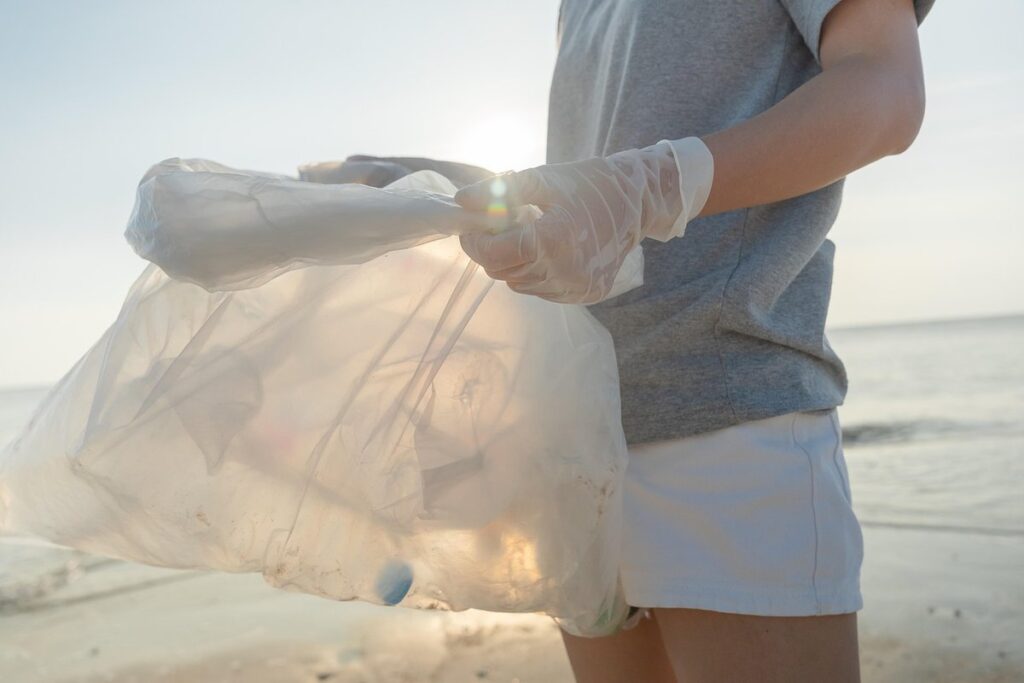
Single-use plastics contribute significantly to the staggering amount of waste generated by schools. Disposable packaging, such as sandwich bags and water bottles, often ends up in landfills or oceans. When these plastics break down, they release toxic chemicals into the environment.
The environmental impact is not just limited to litter and pollution; it also affects wildlife habitats. Sea turtles, for instance, mistake plastic bags for jellyfish and eat them, which can cause blockages in their digestive tracts. By switching to a plastic-free lunch bag, you’re reducing the amount of single-use plastics used daily.
When selecting an alternative, consider reusable containers or cloth wraps. Look for products made from durable materials like cotton or silicone. These options may be more expensive upfront but offer long-term cost savings and environmental benefits. A small change in your child’s daily routine can collectively make a substantial difference in reducing plastic waste. You can also encourage other parents to adopt similar practices, creating a ripple effect that extends beyond the schoolyard.
Cost Savings
Using reusable plastic-free lunch bags can lead to significant cost savings over time. The average student uses a disposable lunch bag every day, which translates to around 180-200 bags per year. Considering most schools have a lunch period five days a week, this number is even higher for students who bring their lunch daily.
To put this into perspective, if you were to buy a pack of 50 disposable lunch bags at $1.99 each, that’s approximately $0.04 per bag. However, if you use a reusable plastic-free lunch bag, it can last for an entire year with proper care. The initial investment in a high-quality reusable bag might be around $15-$20. Even assuming the bag needs to be replaced every two years, you’ll still save money by opting for reusables.
Additionally, using reusable bags also reduces waste and minimizes your environmental footprint. By making this simple switch, you can significantly cut down on disposable bag waste and contribute to a more sustainable school community.
Types of Eco-Friendly Materials Used in Plastic-Free Lunch Bags
From canvas and cotton to hemp and recycled plastic, there are several eco-friendly materials used to make plastic-free lunch bags. Let’s take a look at some of these sustainable options in more detail.
Reusable Cotton Bags
Reusable cotton bags are a popular choice for eco-friendly lunch containers. They’re made from natural fibers, making them biodegradable and non-toxic. One of the key benefits of cotton-based bags is their durability – they can withstand regular use without showing significant signs of wear.
To maintain your cotton bag’s longevity, wash it by hand in cold water with a mild detergent. Avoid using fabric softeners or bleach, as these can damage the material. It’s also essential to air-dry your cotton bag instead of putting it in the dryer. This helps prevent shrinkage and preserves the natural fibers.
When choosing a reusable cotton bag, look for one made from high-quality cotton that’s tightly woven. This will help prevent any spills or leaks. You can also consider bags with interior pockets or compartments to keep food separate and organized.
In general, cotton-based bags require minimal maintenance compared to other eco-friendly materials like bamboo or hemp. With proper care, a cotton bag can easily last for several years – making it an excellent investment for families and students looking to reduce their plastic waste.
Silicone and Waterproof Options
Silicone and waterproof options are gaining popularity for plastic-free lunch bags. These materials provide a reliable alternative to traditional linings. Look for silicone-coated nylon or polyester blends, which combine durability with easy cleaning.
When it comes to waterproof properties, silicone itself offers impressive performance. Many brands use food-grade silicone that’s BPA-free and non-toxic. Some even feature reinforced stitching and seams to prevent leaks.
Stasher and Silipint are notable examples of companies offering high-quality silicone-based products. These bags not only keep contents dry but also provide a smooth, wipe-clean surface for maintenance.
Consider the following when selecting silicone or similar materials: assess your child’s eating habits, including any tendency towards spills or messy food. If they have a history of accidents, invest in a bag with added waterproof protection. Also, be mindful of the weight and flexibility of the material – some silicone bags can be quite rigid, while others are designed to be more pliable.
Choose products made from high-quality materials that ensure durability and performance over time. Research brands’ materials and manufacturing processes to guarantee they align with your eco-friendly goals.
Faux Leather Alternatives
Some plastic-free lunch bags use faux leather alternatives as a more sustainable option. However, it’s essential to examine their eco-friendliness closely. Many of these alternatives are made from polyurethane (PU) or polyvinyl chloride (PVC), which may seem like improvements over traditional plastics but still have environmental drawbacks.
For instance, PU and PVC production involves the use of non-renewable resources, such as petroleum, and can lead to air pollution during manufacturing. Moreover, these materials are not biodegradable and often end up in landfills or oceans after their lifespan.
Some manufacturers are now offering vegan leather alternatives made from plant-based materials like mushroom-based mycelium, cork, or Piñatex (a sustainable material made from pineapple leaf fibers). These options have a lower environmental impact compared to traditional faux leather. However, it’s crucial for consumers to research and verify the authenticity of such claims.
When shopping for plastic-free lunch bags with faux leather alternatives, look for certifications like Oeko-Tex or Bluesign, which ensure that materials meet rigorous sustainability standards. Additionally, consider purchasing from brands that openly disclose their material composition and manufacturing processes. This transparency can help you make more informed choices about the eco-friendliness of your chosen product.
Design Considerations for a Practical Plastic-Free Lunch Bag
When choosing a plastic-free lunch bag, several design factors come into play to ensure it’s functional and practical for daily use. Look for bags with durable materials and easy-cleaning designs.
Compact Size
A compact size is crucial for a practical plastic-free lunch bag. When it comes to school or work, space is often limited. A bulky bag can take up valuable real estate in a backpack, briefcase, or desk drawer. This can lead to a cluttered and disorganized workspace, making it harder to find what you need when you need it.
Consider the average student’s backpack: it’s already stuffed with textbooks, laptops, and other essentials. Adding a large lunch bag only adds to the bulk. In contrast, a compact plastic-free lunch bag is more likely to be stowed away safely without getting in the way. This also makes it easier to throw into a gym bag or tote for errands on the go.
When shopping for a plastic-free lunch bag, look for one with a slim profile and sturdy construction. Avoid bags with excessive padding or unnecessary features that add bulk. A compact size also means less material is needed, which can help reduce waste and environmental impact. By prioritizing compactness, you’ll have a more practical and sustainable option for packing lunches on-the-go.
Multiple Compartments
A well-designed lunch bag with multiple compartments can significantly enhance organization and meal planning for students. By separating food items into different sections, kids can easily keep their snacks and meals apart from each other, preventing cross-contamination and making clean-up a breeze.
Incorporating multiple compartments also encourages healthy eating habits by allowing parents to portion out specific ingredients or meals in advance. For instance, you could have a separate compartment for fruits, another for sandwiches, and a third for yogurt or cheese sticks. This setup makes it easy to see what’s available each day and helps kids develop a sense of autonomy over their meal choices.
When selecting a lunch bag with multiple compartments, consider the following factors: size, material, and ease of cleaning. Opt for a bag made from durable, BPA-free materials that can withstand daily use. Also, ensure the compartments are large enough to hold a variety of food items but not so big that they take up too much space in the bag.
Washable Linings
Washable linings are a game-changer for plastic-free lunch bags. They offer a convenient solution to cleaning spills and stains without having to replace the entire bag. These linings can be removed and washed separately, allowing you to sanitize the lining and extend its lifespan.
Some plastic-free lunch bags come with removable linings made of natural fibers like cotton or hemp. These materials are breathable, absorbent, and gentle on surfaces. Others might use synthetic materials that mimic these properties but offer easier cleaning. When choosing a bag with a washable lining, consider the material’s durability and ease of washing.
Look for bags with linings that can be machine washed or hand-washed with mild soap and cold water. Some manufacturers might recommend specific cleaning products or methods to maintain the lining’s performance. Always follow these guidelines to ensure the longevity of your bag. A washable lining is a valuable feature in a plastic-free lunch bag, but it’s essential to choose one that suits your needs and maintenance habits.
How to Choose the Right Plastic-Free Lunch Bag for Your Needs
Choosing the right plastic-free lunch bag is crucial, as it needs to be both functional and suitable for your child’s age and daily needs. In this section, we’ll help you make an informed decision about what to look for in a sustainable school bag.
Considerations for Parents
When selecting a plastic-free lunch bag for school, parents have several key considerations. Durability is crucial, as a bag that can withstand daily use will last longer and reduce waste. Look for bags made from thick, high-quality materials like canvas or denim, which can resist tears and punctures. A sturdy construction also makes cleaning easier, reducing the risk of spills seeping into the fabric.
Ease of cleaning is another vital consideration. Some plastic-free lunch bags feature water-resistant linings that can be easily wiped clean with a damp cloth. These types of bags are ideal for parents who worry about their child’s bag becoming stained or smelling musty after a messy meal. Additionally, consider bags with removable interior pockets or pouches, which can be machine washed separately.
When choosing a plastic-free lunch bag, think about your child’s specific needs and preferences. If they tend to drop their bag or use it in wet conditions, prioritize durability above all else. If your child is prone to making messes, look for bags with easy-clean linings or removable pockets. By considering these factors, you can find a plastic-free lunch bag that meets your family’s unique needs and promotes sustainable schooling practices.
Preferences for Kids
When it comes to choosing a plastic-free lunch bag for kids, their preferences play a significant role. Kids are often drawn to bright colors and fun designs, which can make packing lunches more enjoyable for them. Consider letting your child pick out their favorite color or pattern, as this will not only make them excited about using the bag but also encourage them to take ownership of packing their lunch.
In terms of design preferences, many kids love cartoons, animals, and superheroes. Brands like Skip Hop and PlanToys offer a range of colorful and playful designs that are both eco-friendly and appealing to children. If your child has a favorite cartoon character or color, try to find a bag that incorporates these elements.
Some plastic-free lunch bags also feature fun and educational designs, such as maps of the world or illustrations of different ecosystems. These can help teach kids about geography and environmentalism while they pack their lunches. Ultimately, choose a bag that aligns with your child’s personality and interests to make packing lunches a positive experience for them.
Budget-Friendly Options
If you’re on a tight budget, it’s easy to assume that plastic-free lunch bags are out of reach. However, many affordable options exist that won’t break the bank. Thrift stores and second-hand shops often carry gently used lunch bags made from sustainable materials like canvas or cotton. These can be purchased for as little as $1-$3.
Online marketplaces also offer a range of budget-friendly plastic-free lunch bags. Websites like Amazon and eBay often feature deals on eco-friendly bags, including those made from recycled materials. Some brands even offer affordable options with prices starting at around $5-$7.
When shopping for an affordable plastic-free lunch bag, consider purchasing last season’s model or a discontinued design. These can be significantly cheaper than newer models but still offer the same level of quality and functionality. Additionally, look for sales or discounts on eco-friendly bags to stretch your budget further. By being mindful of prices and shopping smart, you can find an affordable plastic-free lunch bag that fits within your budget.
Maintaining Your Plastic-Free Lunch Bag
To keep your plastic-free lunch bag looking its best, regular cleaning is essential to prevent stains and odors from building up over time. Let’s go through some simple steps to maintain yours.
Washing Instructions
Machine-washable lunch bags made from cotton, canvas, or other natural fibers should be washed inside out to prevent water spots. Use a mild detergent specifically designed for washing synthetic-free materials. Avoid using bleach or harsh chemicals, as they can damage the fabric and compromise its waterproof coating.
For hemp-based lunch bags, it’s best to spot clean spills and stains with a damp cloth before washing them in cold water with a gentle soap. Never wring or twist these bags, as they may stretch or lose their shape. Instead, gently squeeze out excess water without wringing the fabric.
To prevent mildew and musty odors, make sure your lunch bag is completely dry after each wash. You can stuff it with newspaper to absorb moisture or lay it flat on a towel to air-dry. Regular washing will help maintain the bag’s breathability and keep it clean for your next use.
Storage Tips
When not in use, storing your plastic-free lunch bag properly is essential to maintain its shape and extend its lifespan. One effective way to store the bag is by folding it into a compact square or rectangle. Start by laying the bag flat on a surface, then fold each side towards the middle, followed by the top and bottom edges. This neat fold allows for easy storage in a drawer or cupboard.
Another option is to hang the bag on a hook or pegboard using a small clip or strap. This method keeps the bag off the floor, preventing it from getting crushed or damaged. You can also use a hanging organizer with pockets to store other school supplies like water bottles or snacks.
For those who prefer a more space-saving solution, consider rolling your plastic-free lunch bag into a tight cylinder. This works particularly well for bags with a sturdy handle or strap that can be wrapped around the rolled shape. By storing your bag in this way, you’ll save room in your locker or backpack and keep it protected from spills and dirt. Remember to always clean and dry your bag before folding, hanging, or rolling it away for storage.
Repair and Replacement
When a plastic-free lunch bag starts to show signs of wear and tear, it can be tempting to simply replace it with a new one. However, before you do so, consider whether repair might be a more sustainable option.
A small tear or hole can often be easily mended with some fabric glue and a needle. In fact, many people find that repairing their lunch bag not only extends its lifespan but also develops a special attachment to the item. By fixing it, you’re giving it new life and preventing unnecessary waste. On the other hand, if the damage is more extensive or the material has broken down, replacement might be the better choice.
In general, if the bag’s main compartment can still contain liquids without leaking, repair is a viable option. However, if the damage compromises this functionality, it’s likely time to replace the bag with a new one. Consider keeping an eye out for second-hand or thrift stores where you might find a gently used plastic-free lunch bag that just needs a bit of cleaning and care before being ready for use.
Real-Life Examples and Case Studies
Let’s take a look at how families have successfully transitioned to plastic-free lunch bags, using everyday products that reduce waste and promote sustainability. We’ll examine some inspiring examples in more detail.
Success Stories from Schools and Families
Many schools and families have successfully made the switch to plastic-free lunch bags. For instance, a small elementary school in California replaced their traditional plastic bag program with reusable ones made from durable materials like canvas or cotton. The students enjoyed designing their own colorful patterns on the bags, making it a fun and engaging experience.
A family of four from New York City shared that they reduced their waste significantly by switching to cloth lunch bags. They chose bags with separate compartments for sandwiches, fruits, and snacks, which made mealtime more organized and efficient. The mother noted that her kids were more likely to use the reusable bags because they felt responsible for taking care of them.
A common challenge schools face is maintaining hygiene levels when using reusable bags. To address this, some schools have implemented a washing schedule for the bags or designated specific areas for students to clean their bags before use. These real-life examples demonstrate that transitioning to plastic-free lunch bags requires minimal effort but can yield substantial benefits in reducing waste and promoting sustainability.
Interviews with Eco-Conscious Parents
Many eco-conscious parents have made the switch to reusable lunch bags, and their experiences offer valuable insights for those looking to make a similar change. In conversations with these parents, a common theme emerges: it’s not just about replacing plastic bags, but also about creating a sustainable routine.
Sarah, a mother of two from California, shared that her family started using reusable lunch bags after discovering the environmental impact of single-use plastics. “We wanted to set an example for our kids and reduce our waste,” she said. Sarah and her husband invested in a few high-quality, washable lunch bags that have become a staple in their daily routine.
Other parents mentioned the importance of involving children in the process of choosing and using reusable lunch bags. For instance, Emma, a mother from New York, lets her kids help pick out new lunch bags at the store, making it a fun and interactive experience. By incorporating reusable lunch bags into your daily routine, you can significantly reduce plastic waste and model sustainable habits for your children.
Frequently Asked Questions
Can I Use My Existing Lunch Bag or Must I Buy a New One?
You can definitely repurpose an old lunch bag and make the switch to plastic-free. However, consider the condition of your existing bag and whether it’s still durable enough for daily use. If it’s torn, faded, or has lost its water resistance, it might be more cost-effective to invest in a new eco-friendly option.
What if My Child Accidentally Leaves Their Lunch Bag at School?
Yes, it can happen! To minimize the risk of losing your child’s lunch bag, consider labeling their name and contact information on the bag. Additionally, discuss with your child the importance of taking responsibility for their belongings and having a backup plan in case they forget their bag.
How Do I Clean My Waterproof Lunch Bag When It Gets Dirty?
Cleaning waterproof lunch bags requires some care to maintain their water resistance. Use mild soap and warm water to wipe down the exterior and interior surfaces. Avoid using harsh chemicals or abrasive cleaners, as they can damage the material. Also, make sure to rinse the bag thoroughly and let it air dry.
What If My Child Has a Favorite Lunch Bag That’s Not Eco-Friendly?
You’re right; kids often form attachments to their favorite items! When introducing your child to an eco-friendly lunch bag, involve them in the process of choosing a new one that they’ll love. Explain the benefits of using reusable bags and how it contributes to taking care of our planet. You can also offer incentives for switching, such as picking out a new bag or participating in environmental activities together.
What Are Some Signs That My Plastic-Free Lunch Bag Needs Replacing?
A worn-out lunch bag may no longer be effective at keeping food fresh or dry. Watch out for signs like moldy odors, torn seams, or loss of water resistance. If you notice any of these issues, it’s likely time to replace your plastic-free lunch bag with a new one.

