
Plastic waste has become a ubiquitous problem in our communities, with staggering amounts ending up in oceans and landfills. You might be wondering where to start when it comes to addressing this issue. The truth is that plastic and recycling are intricately linked, and understanding their relationship is key to finding effective solutions. Plastic production has increased exponentially over the past few decades, leading to an overwhelming amount of waste. However, not all plastics are created equal, and some can be recycled with great success. In fact, reducing pollution through recycling can have significant economic benefits for communities. This article will explore the environmental and economic impacts of plastic waste, and provide practical advice on how to promote recycling in your community and reduce plastic pollution. By the end of this article, you’ll know how to implement effective recycling solutions in your neighborhood.
The Problem with Plastic Waste
Plastic waste is a growing concern that affects not just our environment but also our health and economy, causing a significant amount of harm. We’ll examine the root causes of this issue in more detail.
What is the Scope of the Plastic Pollution Issue?
Plastic pollution is a vast and complex issue with far-reaching consequences. Globally, it’s estimated that over 8 million tons of plastic waste enter our oceans every year, harming marine life and contaminating the food chain. This staggering statistic is largely due to the fact that most plastics are not biodegradable and instead break down into microplastics, which are ingested by fish and other organisms.
The impact on wildlife is devastating: sea turtles mistake plastic bags for jellyfish, while whales and other marine mammals choke on discarded fishing gear. In fact, a recent study found that 90% of seabirds have eaten plastic at some point in their lives. The effects don’t stop there – plastic pollution also contaminates the soil and water, posing health risks to humans who ingest or come into contact with these pollutants.
Some of the most affected regions are coastal communities, where plastic waste accumulates on beaches and in mangroves. In these areas, local economies often rely heavily on fishing and tourism, making it crucial to address plastic pollution through effective waste management practices and sustainable development policies.
Types of Plastics Used in Everyday Products
Plastics come in a variety of types, each with its own unique properties and uses. Polyethylene, for example, is commonly used in packaging materials such as plastic bags and containers, while polypropylene is often found in bottle caps and other small parts. PET (polyethylene terephthalate) is widely used in water bottles and food containers.
These plastics can be difficult to recycle due to their low melting points or the presence of additives that make them more durable. For instance, some plastic products may contain polyvinyl chloride (PVC), which cannot be recycled as it contains toxic chemicals like phthalates. Similarly, expanded polystyrene foam (EPS) is often used in packaging materials but can be difficult to recycle due to its lightweight and fragile nature.
When recycling plastics, it’s essential to know what types of plastics are being collected by your local recycling program. Some communities may have specialized programs for collecting specific types of plastics, such as electronics or textiles. By understanding the different types of plastics used in everyday products and their respective recycling challenges, you can take steps to reduce plastic waste and promote more effective recycling practices.
Recycling Process: How It Works
So, how does the recycling process actually work? We’ll break down the step-by-step journey of recyclables from collection to transformation into new products.
The Steps Involved in Recycling Plastic Waste
Recycling plastic waste involves a multi-step process that begins with collection. This can occur through curbside pickup, drop-off centers, or community recycling programs. Collected plastics are then sorted based on their type and resin identification code (RIC). HDPE (#2) and PET (#1) bottles are typically recycled into new containers, while PVC and LDPE items may be downcycled into lower-grade products.
Sorting is a crucial step in the recycling process as it helps ensure that plastic waste is properly processed. Once sorted, plastics are transported to a materials recovery facility (MRF), where they undergo additional sorting and processing. This can involve shredding, washing, or separating different types of plastics.
The final step involves manufacturing new products from recycled materials. For example, recycled PET (rPET) can be used to produce clothing, carpets, or even new plastic bottles. Some manufacturers also use recycled HDPE to create playground equipment, lumber, or composite materials. When choosing products made from recycled materials, look for certifications like “recycled content” or “post-consumer recycled material.” This ensures that the product meets industry standards and contains a significant amount of recyclable material.
Common Challenges in the Recycling Process
Contamination is a significant issue in plastic recycling. It occurs when non-recyclable materials are mixed with recyclables, rendering them unusable. This can be due to improper sorting by consumers or contamination during collection and processing. As a result, contaminated plastics may end up in landfills instead of being recycled.
Lack of infrastructure is another common challenge in the recycling process. Many communities lack access to curbside recycling programs or have inadequate recycling facilities. This forces residents to rely on drop-off centers or other ad-hoc solutions, which can be inefficient and unreliable. In some areas, the cost of building new recycling infrastructure may be prohibitively expensive.
Market fluctuations also pose a significant challenge for plastic recyclers. When global demand for recycled materials is low, recyclers may struggle to find buyers for their products. This can lead to a build-up of unsold inventory and decreased revenue for recyclers. To mitigate these risks, some companies are exploring new markets or developing innovative products made from recycled plastics.
Economic and Environmental Impact of Plastic Waste
The production, disposal, and recycling of plastic waste have a significant impact on our planet’s ecosystems and economies, causing widespread pollution. As we explore the effects, it becomes clear that this issue is multifaceted and far-reaching.
The Financial Burden of Plastic Pollution on Cities and Countries
Cities and countries bear a significant financial burden from plastic pollution. Cleanup efforts are costly, with estimates suggesting that removing plastic waste from beaches and waterways can cost up to $100 million per year for just one country. For example, the Philippines has spent millions of dollars cleaning up its islands, which have been overwhelmed by plastic trash.
The economic toll of plastic pollution also extends to healthcare expenses. Studies have shown that exposure to microplastics in drinking water can lead to serious health problems, including cancer and reproductive issues. In some areas, medical bills for treating these conditions are rising sharply, putting a strain on local hospitals and economies.
Lost productivity is another significant cost associated with plastic pollution. When streets and waterways become clogged with trash, it disrupts daily life, causing traffic jams, power outages, and other problems that can lead to lost revenue and economic growth. For instance, a study in Indonesia found that the country loses around $200 million each year due to marine debris.
Environmental Consequences of Plastic Pollution: A Review of Research
Plastic pollution has been linked to a range of environmental consequences, from marine life entanglement and habitat destruction to climate change. Research suggests that plastic debris can affect over 600 species worldwide, with many more expected to be impacted as the problem continues to grow.
One of the most significant concerns is the ingestion of microplastics by marine animals. A study found that nearly 90% of tap water samples from around the world contained microplastics, which can then be ingested by fish and other aquatic organisms. This can lead to physical harm, as well as the transfer of toxic chemicals into the food chain.
Plastic pollution also contributes to climate change through the production and transportation of plastic goods. It’s estimated that producing new plastic bags alone emits around 3.4 million tons of CO2 equivalent annually in the United States.
The impact of plastic pollution on ecosystems is often irreversible, highlighting the need for immediate action to reduce plastic waste and promote recycling.
Solutions to Reduce Plastic Waste and Promote Recycling
One of the most significant steps towards a more sustainable future is finding effective ways to reduce plastic waste and promote recycling. Let’s explore practical solutions that can make a real difference in our daily lives.
Implementing Extended Producer Responsibility (EPR) Policies
Implementing EPR policies requires a coordinated effort between governments, manufacturers, and waste management authorities. A key step is to establish clear guidelines and regulations for product design, packaging, and take-back systems. For instance, some countries have introduced deposit-refund schemes for certain types of plastic bottles, which incentivize recycling and encourage producers to adopt more sustainable practices.
To effectively implement EPR policies, manufacturers must be held accountable for the waste generated by their products and packaging. This can be achieved through a combination of Extended Producer Responsibility fees, product design requirements, and take-back obligations. For example, in Europe’s EPR legislation, producers are required to pay for the collection and recycling of waste electrical equipment.
In addition, governments should provide education and training programs for manufacturers on sustainable product design and packaging practices. This can include workshops on reducing material usage, designing for recyclability, and implementing closed-loop production systems. By taking a holistic approach to EPR implementation, we can promote a culture of sustainability among producers and reduce plastic waste in the long run.
Innovative Recycling Technologies and Materials
Chemical recycling, also known as plastic-to-fuel technology, is a process that breaks down plastics into their raw materials, which can then be reused to produce new products. This approach can significantly improve the efficiency of the recycling process by allowing for the recovery of high-quality materials from mixed waste streams.
Advanced sorting systems are another key innovation in recycling technologies. These systems use AI-powered computer vision and machine learning algorithms to quickly and accurately identify the type of plastic being sorted, enabling more efficient separation and processing of recyclables.
Other emerging technologies include advanced sorting robots that can pick out contaminants like food packaging and liquids from mixed waste streams. These machines are equipped with high-resolution cameras and manipulator arms that allow for precise identification and removal of non-recyclable materials.
These cutting-edge recycling technologies have the potential to significantly increase the quality and quantity of recyclables collected, making them an essential part of any comprehensive strategy to reduce plastic waste and promote recycling.
Community Engagement and Education: A Key to Successful Waste Management
Effective community engagement and education play a crucial role in changing individual behavior and driving meaningful change in waste management practices. By empowering communities, we can create lasting impact on plastic usage and recycling habits.
Strategies for Raising Awareness about Plastic Pollution and Recycling
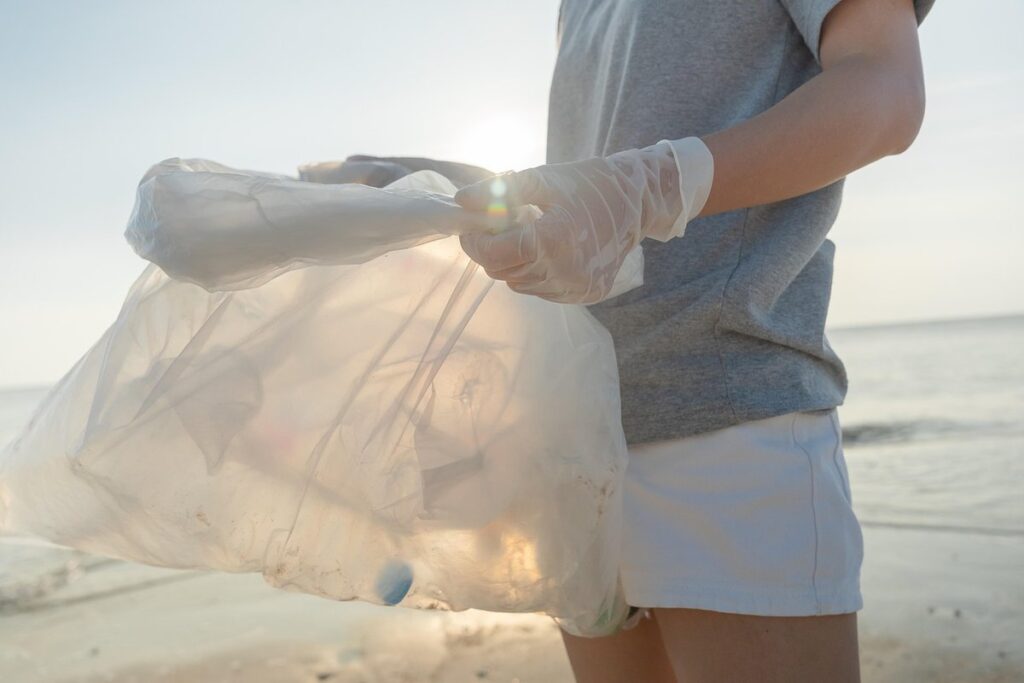
Engaging communities is a crucial step in addressing plastic pollution and promoting recycling. Public outreach campaigns can be effective in raising awareness about the issue. For instance, hosting community clean-up events or organizing beach cleanups can bring attention to the problem of litter and encourage participation from local residents.
Educational programs are also vital in teaching people about the importance of proper waste disposal and recycling practices. Schools can integrate environmental education into their curricula, teaching children about the impact of plastic waste on marine life and ecosystems. Community-based initiatives, such as establishing community composting programs or organizing neighborhood recycling drives, can also be effective.
Some key considerations when designing public outreach campaigns include:
- Collaborating with local businesses to provide resources and support
- Utilizing social media platforms to reach a wider audience
- Partnering with influencers or thought leaders in the environmental space
By working together and engaging communities in waste reduction efforts, we can create lasting change and move towards a more sustainable future.
Collaborations Between Governments, Businesses, and Civil Society
Successful partnerships between governments, businesses, and civil society organizations have been instrumental in improving waste management practices and increasing recycling rates. One notable example is the collaboration between the city of San Francisco and the company TerraCycle. Together, they launched a program that allows residents to recycle previously non-recyclable materials such as coffee pods and snack packaging.
In another initiative, the government of Kenya partnered with the United Nations Environment Programme (UNEP) and several private companies to launch the “Clean Up Kenya” campaign. The campaign brought together local communities, businesses, and government agencies to clean up litter and promote sustainable waste management practices.
Effective collaborations often involve clear goals, defined roles, and measurable outcomes. Governments can provide regulatory support and infrastructure, while businesses contribute expertise and resources. Civil society organizations bring grassroots knowledge and community engagement. For example, the city of Toronto partnered with the environmental organization, Earth Day Canada, to develop a comprehensive waste management plan that included education and outreach programs.
By working together, these stakeholders can leverage each other’s strengths to drive meaningful change in waste management practices.
Frequently Asked Questions
Can I start recycling at home with just a few simple changes?
Yes, starting small can make a big difference in reducing plastic waste. Begin by switching to reusable bags, water bottles, and coffee cups, and try to reduce your use of single-use plastics like straws and cutlery. You can also compost food waste and recyclables separately to make the process easier.
What if I live in an area with limited recycling options or no curbside pickup?
In areas with limited recycling infrastructure, consider starting a community garden or participating in local clean-up initiatives. You can also explore alternatives like composting toilets or worm farming for managing organic waste. Look into online resources and forums to connect with others facing similar challenges.
How do I know which types of plastic are recyclable in my area?
Check your local recycling guidelines, either on the city website or by contacting the waste management department directly. You can also use apps like iRecycle or Recycle Coach to identify recyclable materials and find nearby recycling facilities. Keep in mind that even if a material is recyclable, it may not be accepted in every area.
Can I implement Extended Producer Responsibility (EPR) policies at my workplace?
Yes, EPR policies can be implemented by any organization looking to reduce waste and increase recycling rates. Start by conducting an inventory of your company’s packaging materials and assessing their recyclability. Work with suppliers to adopt more sustainable practices and consider partnering with local recycling facilities or waste management companies.
What if I’m unsure about the quality of recycled materials used in products?
Look for certifications like Recyclable Materials Certification (RMC) or International Organization for Standardization (ISO) 14001, which ensure that materials meet certain standards. You can also research the company’s sustainability report and supply chain transparency policies to gauge their commitment to using high-quality recycled materials.

