
Creating beautiful pencil drawings is an art form that requires patience, skill, and attention to detail. Whether you’re a seasoned artist or just starting out, learning the basics of pencil drawing can be a challenging but rewarding experience. Choosing the right tools, such as graphite pencils and erasers, is crucial in achieving realistic textures and subtle shading effects. Mastering advanced techniques like layering and blending takes practice, but with dedication, you can achieve professional-looking results. This guide will walk you through the essential skills needed to create stunning pencil drawings that capture your imagination. By the end of this article, you’ll have gained a solid understanding of how to master realistic textures and artistic compositions in pencil drawing, giving you the confidence to experiment with new techniques and styles.
Choosing the Right Tools
When it comes to bringing your pencil drawings to life, having the right tools can make all the difference. Let’s take a look at what you should consider when selecting your pencils and sketching essentials.
Essential Drawing Equipment
A set of good-quality pencils is the foundation of any pencil drawing. Invest in a range of graphite pencils with varying hardness levels (HB, 2B, 4B, 6B) to achieve different line weights and tonal values. A starter set or individual selection should include at least four to six pencils.
An eraser is also essential for correcting mistakes and blending edges. Look for a kneaded eraser that can be molded into various shapes to fit small areas. Some artists prefer white vinegar-based erasers, which can lift graphite more effectively but may not be as gentle on paper.
A sharpener is necessary for maintaining pencil tips, although some artists prefer to use manual sharpeners or sharpen their pencils by hand to avoid the waste of shavings. Paper choice is equally crucial – invest in a high-quality sketch paper with a smooth finish (not too thin, and not too thick) that allows for confident lines and subtle shading.
Understanding Different Types of Pencils
Graphite pencils are a staple for traditional pencil drawing. They come in various hardness levels, denoted by numbers from 6H (soft) to 9B (hard). The softer the pencil, the darker the line and more smudges you’ll get. A 2B or 4B pencil is a good starting point for beginners, as it provides sufficient darkness without being too messy.
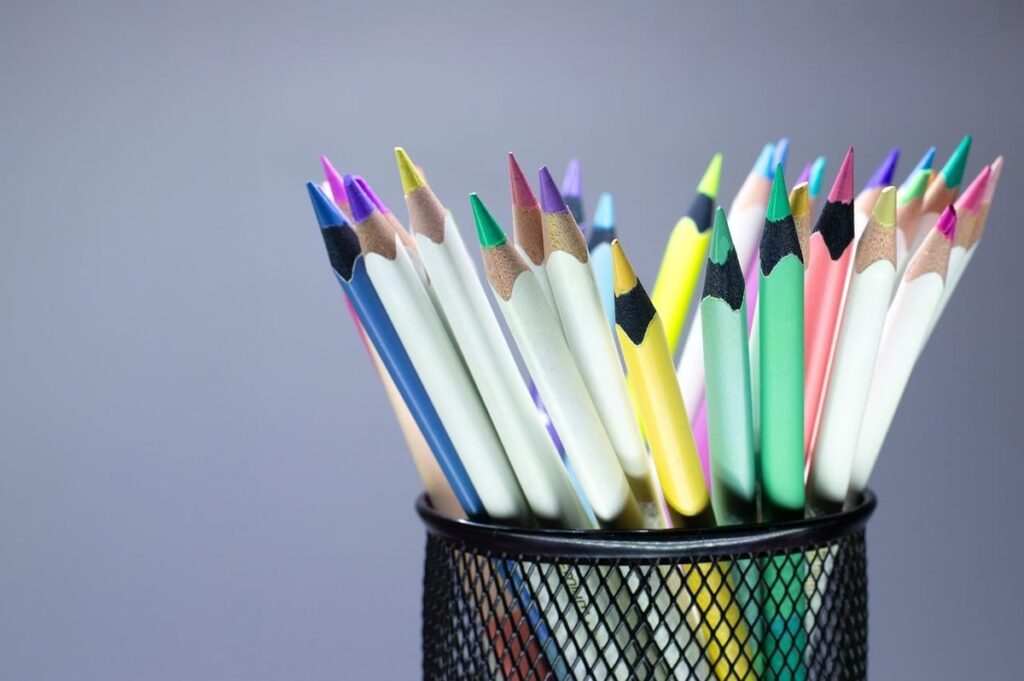
Colored pencils are perfect for adding depth and color to your drawings. They’re available in single colors, sets, or even as part of a set with markers. Look for brands that use high-quality pigments for vibrant results. A popular choice is Prismacolor or Faber-Castell. For more subtle blending, consider layering colors or using colored pencils on toned paper.
Mechanical pencils are ideal for precision and consistency. They often feature interchangeable leads, allowing you to switch between different hardness levels without changing the pencil itself. Brands like Tombow or Pentel offer reliable options. Keep in mind that mechanical pencils tend to be more expensive than traditional graphite ones but provide a smooth writing experience and precise lines.
Basic Techniques for Beginners
Mastering pencil drawings starts with developing good habits and understanding basic techniques, which is where many artists begin their journey to create stunning artworks. This section covers the fundamental skills you need to get started.
Hatching and Cross-Hatching Fundamentals
Hatching involves creating a series of closely spaced parallel lines to suggest form and volume. Single-layer hatching is achieved by layering these lines in one direction only, often with varying line weights to convey depth and dimension. A simple example is shading the side of an object: darker areas can be achieved by applying more layers of hatching or increasing the density of lines.
Multi-layer hatching builds upon this concept by alternating between dark and light layers to create a sense of form and structure. For instance, when drawing a cylinder, you might start with a layer of dense hatching on the darker side before gradually transitioning to lighter strokes towards the top.
Cross-hatching occurs when two sets of lines intersect, typically at right angles. This technique is used to add depth and texture by creating a layered effect without relying solely on line density or direction. Experimenting with different combinations of single-layer and cross-hatching techniques can help you achieve more nuanced shading in your pencil drawings.
Blending and Smudging Basics
To create smooth transitions between shades, you need to understand how blending works with pencils. It’s not just a matter of layering dark colors over light ones; rather, it’s about gradually building up values from one area to another using different strokes and pressures on the pencil. For example, try creating a gradual transition from shadow to highlight by applying gentle pressure at the beginning and increasing pressure towards the end of your stroke.
You can also use smudging techniques to create soft, blended edges. To do this, choose a blending stump or tortillon and gently rub it over the area you want to smooth out. The friction between the eraser and paper will redistribute the graphite particles, creating a softer, more gradual transition between shades. When using an eraser for correction, be sure to use a kneaded eraser specifically designed for pencil work; these are gentle on the paper and won’t damage it.
When blending or smudging, keep in mind that different pencils have varying levels of softness and hardness. Using a softer pencil will produce more pronounced edges, while a harder pencil will yield smoother transitions. Experiment with different combinations to achieve the desired effect.
Advanced Techniques for Experienced Artists
As you refine your pencil drawing skills, exploring advanced techniques can help you achieve even greater depth and nuance in your artwork. Let’s examine some expert methods to take your drawings to the next level.
Atmospheric Perspective and Depth
Atmospheric perspective is a crucial element in creating depth and atmosphere in pencil drawings. By utilizing value, contrast, and perspective, artists can create a sense of distance and haze, drawing the viewer’s eye into the scene. Start by establishing a vanishing point, where lines converge on the horizon line. This will help you gauge the relative size and scale of objects as they recede into the distance.
To enhance atmospheric perspective, focus on reducing contrast as objects become more distant. You can do this by applying softer, lighter values to the background or by using hatching techniques that create a sense of mistiness. The example of a landscape drawing with trees in the foreground and a misty mountain range in the background demonstrates how well-executed atmospheric perspective can transport the viewer into the scene.
Pay attention to the way light interacts with objects at different depths, as this will help you capture the subtleties of atmosphere. A small amount of mid-tone value on distant objects can create a sense of depth and separation from the foreground.
Realistic Rendering and Texture
When rendering realistic textures with pencil drawings, it’s essential to understand the unique characteristics of each surface. For example, skin requires a softer approach to capture the subtle nuances of tone and value, whereas hair demands a more expressive and varied range of lines. Fabrics, on the other hand, can be achieved by layering hatching patterns and blending with gentle strokes.
To achieve realistic skin tones, use a combination of mid-toned pencils (2B-4B) for broad areas and softer options (6B-8B) for finer details. Blend these marks using stump or tortillon to create smooth transitions between values. For hair, employ a range of pencil leads from fine to coarse, using cross-hatching and stippling techniques to suggest texture and movement.
For fabrics, experiment with layering different hatching patterns – rough for woven textures like tweed, and smoother for finer weaves such as silk. Apply gentle blending strokes to soften the transitions between these layers, allowing the viewer’s eye to discern individual threads and fibers. Practice observing real-world examples of skin, hair, and fabric to develop a keen sense of their unique visual characteristics and adapt your techniques accordingly.
Tips and Tricks for Mastering Pencil Drawings
To take your pencil drawings to the next level, let’s explore some expert tips on hatching, shading, and composition that will elevate your skills in no time.
Common Mistakes to Avoid
When starting out with pencil drawings, it’s easy to fall into common pitfalls that can hinder progress. One of the most prevalent mistakes is applying too much pressure, resulting in heavy lines and a lack of subtlety. This can be corrected by switching to a softer grade or using a gentle touch.
Another mistake beginners make is not allowing for layering time. Pencil drawings benefit from multiple layers of hatching and cross-hatching, but this requires patience and planning. Try breaking your drawing into smaller sections, focusing on one area at a time, and gradually building up the details.
Inadequate erasing can also hinder the success of a pencil drawing. Don’t be afraid to use a kneaded eraser or white vinegar to lift off graphite marks when necessary. This will help create crisp lines and prevent smudging.
It’s essential to remember that pencil drawings are not about creating perfect replicas, but rather about capturing essence and mood. By being mindful of these common mistakes and making adjustments accordingly, you can improve your technique and achieve more expressive results in your art.
Essential Practice Exercises
Start by practicing gesture drawing. Set a timer for 10 minutes and quickly sketch the overall pose of a model or still-life setup. Focus on capturing movement and energy rather than details. Use short, expressive strokes to convey the subject’s dynamic motion. For example, imagine drawing a sprinter crossing the finish line – emphasize the flowing lines and abstracted forms.
Next, move on to contour drawing. Find an object with interesting contours, such as a vase or book. Draw its outline multiple times without looking at your paper. Pay attention to subtle changes in shape and curvature. This exercise helps develop your ability to perceive and render form.
Consider setting up a simple still-life composition using household objects. Practice drawing the relationships between forms, textures, and values. For instance, place a glass on a table next to a book. Draw the shapes, shadows, and reflections created by this arrangement. These exercises will improve your observation skills and enable you to create more convincing pencil drawings. Focus on making small improvements each time – consistency is key.
Creating Artistic Pencil Drawings
To create artistic pencil drawings, you’ll need to master various techniques that bring your subject to life, such as layering and blending. With practice, anyone can achieve stunning results.
Composition and Storytelling
Composition is key to creating engaging pencil drawings. A well-balanced composition guides the viewer’s eye through the artwork and enhances its overall impact. To achieve balance, you must distribute visual elements – such as shapes, lines, and forms – thoughtfully across the page. Consider the placement of your main subject: should it be centered or off-center? You can also use negative space to create a sense of breathability and draw attention to specific areas.
Harmony in composition is achieved through repetition, rhythm, and visual connections between elements. For instance, you might repeat similar shapes or lines throughout the drawing to create a sense of unity. Alternatively, varying line weights or textures can add depth and visual interest. Consider how these elements interact with each other: do they create a sense of tension or harmony?
In creating pencil drawings, it’s essential to understand that composition is not just about aesthetics – it also serves a functional purpose. By guiding the viewer’s eye through the artwork, you can direct their attention to specific areas and convey meaning more effectively. Practice observing how different compositions work together to tell stories in various forms of art.
Expressive Line Work and Gesture Drawing
Expressive line work and gesture drawing are essential techniques for capturing movement, emotion, and energy in pencil drawings. By using loose, expressive lines, you can convey a sense of dynamism and life to your subjects. This is particularly effective when drawing figures or animals in motion.
To practice gestural drawing, start by quickly sketching the overall pose and movement of your subject with large, sweeping strokes. Don’t worry too much about proportion or detail at this stage – focus on capturing the energy and flow of the figure. You can then refine your lines and add more detail, but maintain some of that initial looseness to keep the drawing feeling dynamic.
Pay attention to the varying weights and widths of your lines to convey different levels of tension and relaxation in the subject’s muscles. For example, a loose, curved line might suggest a relaxed arm or leg, while a tighter, angular line could indicate tension or strain. By using expressive line work and gestural drawing techniques, you can create more engaging and emotive pencil drawings that really capture the essence of your subjects.
Frequently Asked Questions
How can I improve my hatching and cross-hatching skills quickly?
Improve your hatching and cross-hatching skills by practicing regularly with exercises that challenge you to create smooth transitions between shades. Start by drawing simple subjects like fruit or household objects, then gradually move on to more complex compositions. Pay attention to varying line weights and textures, and don’t be afraid to experiment with different techniques.
What if I’m struggling to achieve realistic textures in my pencil drawings?
Achieving realistic textures requires patience and practice, but here are a few tips: use the right pencils for the job – softer pencils like 6B or 8B work well for blending and creating soft textures. Experiment with layering techniques, such as building up layers of hatching and cross-hatching to create depth and dimension.
Can I use colored pencils instead of graphite pencils for most of my drawings?
While you can certainly use colored pencils for some aspects of your drawing, they’re not suitable for detailed work or creating subtle shades. Graphite pencils are still the best choice for delicate details and nuanced value shifts.
How do I know when to stop adding layers in a pencil drawing?
The key is to observe how much detail and depth you want to achieve in your piece. When you feel like you’ve reached a balance between detail and overall effect, it’s likely time to step back and let the drawing speak for itself. Remember that overworking can lead to muddy or soggy-looking textures.
What if I’m trying to create a pencil drawing with very fine details, but my pencils are too soft?
If your pencils are too soft, they may smudge or blur easily, making it difficult to achieve fine details. Try switching to harder pencils (HB or 2H) for detailed work, and reserve softer pencils like B or 6B for blending and creating subtle value shifts.

