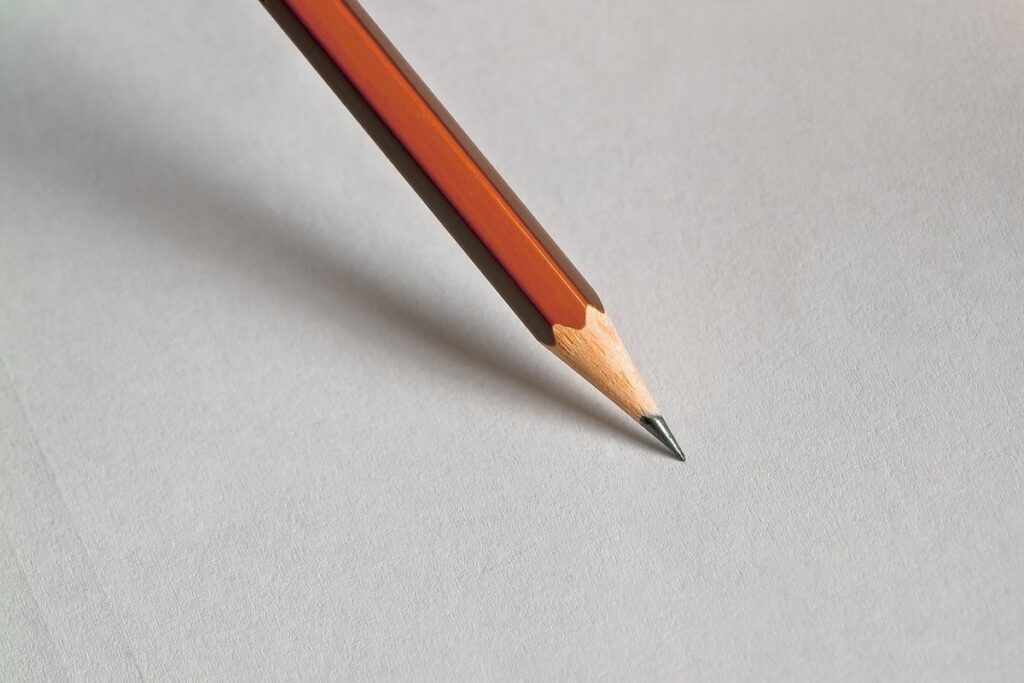
Are you tired of staring at blank paper, unsure where to start with your pencil art? With so many techniques to master and styles to explore, creating realistic drawings can feel daunting. But don’t worry, we’ve got you covered. Whether you’re a beginner or looking to take your skills to the next level, this article will guide you through various pencil art ideas that’ll help you create stunning portraits, landscapes, and still-life drawings with ease. From basic techniques like shading and hatching to advanced methods like layered blending and texture building, we’ll break it down in simple terms so you can get started right away. By the end of this article, you’ll have a solid understanding of how to create realistic pencil art that will make your friends and family green with envy – or at least, admire your skills.
Understanding the Basics of Pencil Art
Pencil art is more than just sketching with pencils, it’s a unique medium that requires its own set of techniques and skills. Let’s start by understanding the fundamental basics of pencil art to unlock your creative potential.
The History of Pencil Art
Pencil art has a rich history spanning centuries, with its evolution closely tied to advancements in materials and techniques. The medium’s early beginnings can be attributed to the development of graphite, which was discovered in the 16th century. Initially used for writing and sketching, graphite was later refined into a more portable and versatile form – the pencil.
Key milestones include the invention of the mechanical pencil by Nicolas-Jacques Conté in the late 18th century, enabling artists to achieve finer lines and details with greater precision. The rise of mass-produced pencils during the Industrial Revolution further democratized access to art supplies, paving the way for a wider range of creative expression.
Influential artists such as Leonardo da Vinci and Rembrandt experimented with graphite, exploiting its expressive potential in their work. Modern-day techniques have expanded the possibilities of pencil art, incorporating various blending methods, textures, and mixed media applications. Contemporary artists continue to push the boundaries of this timeless medium, exploring innovative ways to combine traditional skills with digital tools and unconventional materials.
Choosing the Right Pencils
Graphite pencils come in a range of hardness levels, from 6H (very hard) to 9B (very soft), with 2B and 4B being common choices for detail work. When selecting a graphite pencil, consider the type of lead – some pencils have a softer, wax-based core that’s easier on paper, while others use a harder, oil-based core that resists smudging.
Colored pencils offer a different set of characteristics, with wax-based cores that can blend and layer colors. Brands like Prismacolor and Faber-Castell are popular among artists for their vibrant pigments and range of colors. However, they require more pressure to create deep colors and may not be suitable for detailed work.
Mechanical pencils offer a convenient, low-maintenance option with interchangeable leads. They’re often preferred by artists who work on large projects or need precise control over line width. Look for ergonomic designs that fit comfortably in your hand, reducing fatigue during long drawing sessions. Some mechanical pencils even feature adjustable lead thickness and specialized tips for specific techniques.
Essential Materials for Pencil Art
When creating professional pencil art, one often overlooked yet crucial aspect is the quality of materials used. Paper plays a significant role, as it affects the overall appearance and durability of the artwork. Look for paper with a smooth finish, high rag content, and a weight that suits your technique – typically around 80-100 gsm.
A good eraser is essential for correcting mistakes and creating subtle transitions between values. Choose an eraser specifically designed for pencils, such as a kneaded or white eraser, which can gently remove pencil marks without damaging the paper. A sharpener is also necessary to maintain precise lines and details. Opt for a high-quality sharpener that holds its edge well and can produce razor-sharp points.
Other essential tools include a blending stump for subtle transitions, a tortillon for creating soft backgrounds, and a fixative spray to prevent smudging. Invest in a few basic drawing pencils with varying hardness levels (HB, 2B, 6B) to achieve a range of tonal values. By selecting the right materials, you’ll be well on your way to producing stunning pencil art that showcases your skills and creativity.
Mastering Techniques for Realistic Drawings
Now that you have a solid foundation in pencil art basics, let’s focus on mastering techniques to bring your drawings to life. You’ll learn methods for creating realistic shading and textures.
Basic Strokes and Hatching
When creating realistic pencil drawings, mastering basic strokes and hatching techniques is crucial. Let’s start with straight lines: to achieve crisp, sharp edges, use gentle pressure on a sharp pencil for smooth lines or more deliberate pressure for textured ones. Curved lines require less pressure and can be drawn in one fluid motion or built up gradually.
Cross-hatching involves layering lines at different angles to create shading and texture. Begin with parallel hatching strokes that follow the direction of your subject’s contours, then overlay perpendicular strokes to add depth and dimension. Be mindful of line weight and spacing for a cohesive look – denser areas can be achieved by increasing line frequency or using darker pencil shades.
Stippling, another fundamental technique, uses closely spaced dots to form textures and shading. Create tonal range with varying dot sizes, experimenting with small dots for highlights and larger ones for deeper shadows. Practice combining these techniques to develop your own unique approach and achieve the level of realism you desire in your pencil art.
Blending and Smudging
Blending pencil marks is an essential technique for achieving smooth transitions between values and creating realistic drawings. You can use a tortillon to blend soft edges and subtle gradations of tone. Hold the tortillon at a 45-degree angle and gently rub it over the pencil marks, allowing the graphite to transfer onto the tortillon and create a smoother surface.
Stumps are another effective tool for blending pencil marks. They come in varying sizes and hardness levels, allowing you to choose the right one for your specific needs. To use a stump, hold it at a 90-degree angle and press down gently on the pencil marks. As you apply pressure, the graphite will begin to break down and blend into the surrounding area.
Smudge sticks are a popular choice among artists due to their versatility and ease of use. They can be used to create soft, subtle blends or more dramatic, expressive strokes. To achieve smooth transitions with smudge sticks, focus on applying gentle pressure and working in small sections. This will help prevent any harsh lines or edges from forming.
Shading Techniques for Realism
To create a sense of depth and dimension in pencil art, artists can employ advanced shading techniques such as gradient mapping. This involves using smooth transitions between values to suggest volume and form. For example, by gradually darkening the edges of a subject, you can imply that it is receding into space.
Atmospheric perspective also plays a crucial role in creating realism with pencils. This effect refers to the way colors appear lighter and less saturated when seen at a distance. To replicate this, use softer pencils or gentle strokes for distant elements, gradually increasing the darkness and vibrancy of your shading as you move towards the foreground.
Negative space can be used to great effect by incorporating areas where pencil marks are absent into the overall composition. By strategically placing these voids, you can create a sense of depth and dimensionality that draws the viewer’s eye through the drawing.
Creating Whimsical and Expressive Art
Let’s tap into your creative side as you learn how to create whimsical and expressive art using nothing but a pencil. This technique is perfect for adding personality to any drawing.
Exaggeration and Distortion
Exaggeration and distortion are powerful tools for conveying emotions and ideas in pencil art. Cartooning and caricature styles rely heavily on these techniques to create humorous or satirical effects. For instance, political cartoons use exaggeration to highlight the absurdity of a particular issue or policy.
In cartooning, facial features are often distorted for comedic effect. A character’s eyes may be exaggeratedly large, their nose elongated, or their mouth stretched into an absurd shape. This distortion not only adds humor but also conveys emotions like silliness or outrage. In caricature, the focus is on exaggerating physical characteristics to create a recognizable likeness of a person.
To apply this technique in your own pencil art, consider what you want to emphasize about a subject. Do you want to convey a sense of alarm or excitement? Exaggerate the features that would most effectively communicate this emotion. Remember that distortion can be subtle as well – a slight elongation of a line or an emphasis on certain details can go a long way in adding emotional depth to your artwork.
Abstract Expressionism with Pencils
Pencils can be a surprisingly versatile tool for creating abstract artworks that explore texture, pattern, and expressive lines. By varying line weights, hatching techniques, and scribbles, you can achieve a range of effects that are reminiscent of traditional painting media. For instance, using a range of pencil hardness levels (HB to 9H) allows you to create delicate, wispy textures or bold, graphic contrasts.
To tap into this potential, try experimenting with loose, gestural strokes and layered washes of graphite. You can also use pencils to build up intricate patterns by layering hatching marks at different angles and densities. When working on a larger scale, consider using erasers to create subtle highlights and contrast or even carve out areas of negative space.
For an added level of complexity, incorporate mixed media elements like paper scraps, fabric, or found objects into your compositions. This can introduce new textures and visual interests that are uniquely suited to the tactile nature of pencil art. By embracing the expressive qualities of pencils, you can create bold, abstract artworks that invite viewers to explore their surfaces and contemplate the underlying meaning behind them.
Combining Media for Mixed-Media Art
Combining pencils with other media can be a game-changer for artists looking to add new dimensions to their work. Ink, paint, and digital tools are particularly effective at enhancing pencil art. For instance, layering ink over pencil strokes can create rich, textured effects that resemble printmaking or calligraphy. To achieve this look, start by sketching the main elements with pencils, then use a fine-tip pen to add details or outlines.
Adding paint to pencil work can also yield striking results. Mix media-specific techniques like glazing or impasto with traditional pencil shading to create intricate, high-contrast pieces. You might try applying a thin layer of transparent paint over pencil hatching for a subtle, atmospheric effect. Alternatively, use heavy body paint to add bold textures and colors.
When combining digital tools with pencils, consider using software that allows you to merge layers or blend images. This enables artists to integrate scanned or photographed elements into their pencil work seamlessly. You can also experiment with techniques like collage or composite imagery by merging different media in a single piece.
Advanced Techniques for Portraits and Landscapes
Now that you’ve mastered the basics, it’s time to take your pencil art skills to the next level by learning advanced techniques specifically designed for portraits and landscapes.
Capturing Facial Expressions
When rendering facial expressions in pencil art, it’s essential to pay attention to eye anatomy. Start by sketching out the shape of each eye, making sure to capture the unique contours and proportions of each individual’s eyes. The eyelids should be slightly curved, with a subtle crease at the lash line. Don’t forget to add a hint of sparkle in the pupil area to give your subject depth.
Next, focus on skin texture. To create realistic skin tones, use gentle hatching and cross-hatching techniques. Varying line weights can help convey different textures, such as fine wrinkles around the mouth or nose. Avoid over-rendering, as this can make the skin appear too smooth or plastic-like.
Hair details are often overlooked but add significant character to a portrait. Observe the individual’s hair texture and style, noting any distinctive features like curls or bangs. Use short, expressive strokes to capture the movement and flow of the hair around the face and shoulders.
Landscape Drawing Basics
When drawing landscapes with pencils, it’s essential to master basic perspective techniques. You can create a sense of depth by using atmospheric effects and careful placement of elements. Start by sketching the horizon line, making sure it’s not necessarily at eye level – instead, aim for about one-third of the way down from the top.
The rule of thirds also applies here; divide your paper into thirds both horizontally and vertically to create a grid. Place important features like mountains or trees along these lines, rather than centering them directly over the horizon line. This will help you achieve balance in your composition.
Atmospheric effects can add mood and character to your landscape drawings. Use hatching techniques to suggest the softness of clouds or the mistiness of a forest glade. Varying line weight and direction can create a sense of texture, from rough tree bark to smooth water. Practice capturing these subtle details by studying real-world scenes – observe how light interacts with different materials and environments to inspire your own work.
Mastering Light and Shadow in Pencil Art
Capturing dramatic lighting effects is a crucial aspect of creating captivating pencil art. Techniques such as chiaroscuro and sfumato can add depth and dimension to your work. Chiaroscuro involves using strong contrasts between light and dark to create a sense of volume, while sfumato uses soft blending to create a hazy effect.
To achieve high contrast in pencil art, focus on varying the density of your lines and shading. Use a range of pencils with different hardness levels to create subtle gradations from dark to light. For example, you can use a 6H or 8B pencil to block out large areas of shadow, while reserving softer pencils like 2B or 4B for details and highlights.
Pay attention to the way light interacts with different textures and forms in your subject. In landscapes, this might mean capturing the soft glow of sunlight on water or the deep shadows cast by trees. For portraits, focus on conveying the subtleties of facial expression through nuanced lighting effects. By mastering these techniques, you can create pencil art that’s not only visually striking but also emotionally resonant.
Tips for Displaying and Preserving Your Artwork
Once you’ve finished your pencil art piece, you want to make sure it’s displayed and preserved properly to protect its beauty for years to come. Here are some expert tips on how to do just that.
Best Practices for Matting and Framing
When selecting a frame and mat for your pencil art, consider the overall aesthetic you want to achieve. A simple white mat can create a clean and modern look, while a more ornate gold or wooden frame can add a touch of elegance. However, be mindful that bold frames can overpower delicate artwork, so it’s essential to balance the two.
In general, use a mat that is one to two inches wider than the pencil art itself. This provides adequate space for the artwork and allows the eye to focus on the piece without being distracted by the frame. Avoid overly wide mats as they can make the artwork appear smaller than it actually is.
When choosing a frame style, consider the medium used in your pencil art. For instance, a deep-set frame can highlight the texture of charcoal or pastel work, while a slim frame can emphasize the intricate details of fine-line drawings.
Long-Term Storage Solutions
When storing pencil artwork long-term, it’s essential to maintain optimal conditions to prevent deterioration. Temperature and humidity levels play a significant role in preserving your pieces. Avoid placing artwork near heating vents, radiators, or air conditioning units, as these can cause fluctuations in temperature and humidity.
Ideally, store your artwork in a room with a consistent temperature between 60°F to 70°F (15°C to 21°C). A relative humidity of 40% to 50% is also recommended. Avoid storing artwork in attics or basements, where moisture levels can be high due to poor ventilation.
Use acid-free storage materials, such as cardboard boxes or paper folders, to store your artwork. This will prevent damage from acidic chemicals that can leach into the artwork over time. Consider using airtight containers or mylar bags to further protect your pieces from dust and moisture.
When storing large or heavy artworks, consider consulting with a professional conservator or framer for advice on proper handling and storage techniques. They can assess the specific needs of your piece and provide personalized guidance on preserving it for generations to come.
Conclusion: Continuing to Improve Your Pencil Art Skills
Now that you’ve learned a range of pencil art techniques and ideas, let’s focus on building upon your skills to take your work to the next level. Here are some tips for continued growth and improvement.
Setting Personal Goals and Challenges
Setting achievable goals is crucial to progress and satisfaction in pencil art. Identify areas where you’d like to see improvement – specific techniques, styles, or subjects – and write them down as concrete objectives. Break these down into manageable steps, such as dedicating 30 minutes daily to practice or completing a certain number of sketches within a set timeframe.
Regular tracking is essential for measuring progress and staying motivated. Set up a dedicated space for your sketchbook or a digital equivalent, and allocate time each week to review what you’ve accomplished. Consider implementing a rating system to gauge your growth – whether it’s a simple ‘pass’ or ‘fail’ for each piece, or a more detailed critique using specific criteria.
Staying accountable can also be an effective motivator. Share your goals with fellow artists online or in-person, or join a community focused on pencil art. This will not only provide a network of support but also create opportunities to learn from others and receive constructive feedback on your work. By setting clear objectives and tracking your progress, you’ll stay engaged and directed throughout your pencil art journey.
Resources for Further Learning
For artists looking to further develop their pencil art skills, there are numerous resources available. The Art Instruction Schools offers a range of online courses, from foundational drawing techniques to more advanced subjects like portrait and landscape rendering.
Additionally, Skillshare provides an extensive library of video tutorials on various artistic topics, including pencils and graphite. Some popular courses include “The Fundamentals of Drawing” and “Graphite Portraits.”
Other recommended resources include the books “The Natural Way to Draw” by Kimon Nicolaides and “Gesture Drawing” by Laura Lee Dunikowski. These texts provide in-depth guidance on mastering fundamental drawing techniques.
Online communities, such as Reddit’s r/learndrawing, offer a space for artists to share their work, receive feedback, and learn from others. The Pencil Museum in York, England also hosts workshops and exhibitions that can help inspire new ideas and techniques.
Frequently Asked Questions
Can I use colored pencils for realistic drawings?
Yes. While often associated with coloring books, high-quality colored pencils can be used to create realistic drawings by layering colors and using blending techniques described in the article. Experiment with different brands and techniques to achieve the desired effect.
How do I know if a pencil is suitable for my specific art project?
When choosing a pencil, consider the surface you’ll be drawing on, your personal preference for softness or hardness, and the level of detail required. For example, softer pencils work well on rough paper, while harder pencils are better suited for smooth surfaces.
What’s the best way to blend colors with colored pencils?
To blend colors effectively, use a gentle touch, light strokes, and gradually build up layers. Experiment with different blending tools like tortillons, stumps, or smudge sticks to achieve smooth transitions between values. This technique can be applied to both graphite and colored pencil art.
Can I combine different materials for mixed-media art, even if they’re not pencils?
Yes, combining pencils with other media like ink, paint, or digital tools is a great way to add new dimensions to your artwork. Consider the unique characteristics of each material and how they can enhance or contrast with pencil marks. This approach allows you to experiment and create one-of-a-kind pieces.
What if I’m not seeing the desired effect when trying advanced techniques like gradient mapping?
If you’re struggling to achieve a specific effect, try breaking it down into smaller steps, practicing individual skills before combining them. Additionally, consider consulting online tutorials or workshops that focus on your area of interest for personalized guidance and examples.