
Creating realistic and stylized pencil drawings of animals can be a challenging but rewarding task. Even with some experience in drawing, capturing the essence and movement of an animal can seem daunting. However, mastering the basics of pencil strokes and techniques can unlock new levels of skill and creativity in your art. You may have struggled to convey the subtle nuances of texture and muscle tone in your drawings, or found it difficult to capture the dynamic energy of a moving subject. In this article, we’ll explore expert techniques for creating realistic and stylized pencil drawings of animals, from basic strokes and shading to capturing movement and expression. By the end of this guide, you’ll be able to create detailed and engaging animal drawings that showcase your artistic skill and imagination.
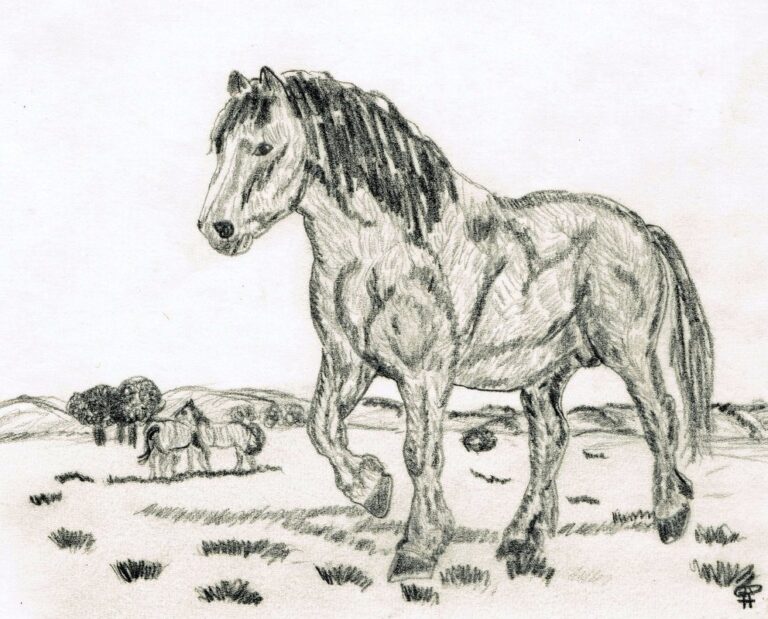
Understanding the Basics
If you’re new to pencil drawing, understanding the basics is key to creating realistic and detailed animal portraits. We’ll cover the fundamental techniques and concepts that will set a strong foundation for your art.
Getting Started with Pencils
To start creating pencil drawings of animals, you’ll need a few basic tools. The most essential tool is a set of pencils, which come in various grades or hardness levels. Graphite pencils range from 6H (very hard) to 9B (very soft), with softer pencils producing darker lines and harder ones producing lighter ones. A good starting point for beginners is a set that includes HB, B, 2B, and 4B pencils.
You’ll also need a sharpener to keep your pencils pointed. Manual sharpeners are inexpensive and portable, but they can be fiddly to use. Electric pencil sharpeners are faster and more convenient, but they’re generally pricier. A good compromise is a battery-powered sharpener that’s easy to clean and maintain.
Finally, you’ll need some paper to draw on. Look for high-quality paper specifically designed for graphite drawings, which usually have a smooth finish and won’t feather or bleed excessively. Cartridge paper or vellum are popular choices among artists, but you can also use sketchbooks with mixed media pages. Experiment with different papers to find the one that suits your style best.
Basic Strokes and Lines
To create engaging pencil drawings of animals, you need to master basic strokes and lines. These fundamental techniques form the building blocks for more complex designs. Let’s start with straight lines, which are essential for defining edges and boundaries.
To draw a straight line, hold your pencil at a 90-degree angle to the paper and apply gentle pressure. For sharper lines, use a harder pencil (HB or 2B). Soft pencils (4B or 6B) produce smoother lines but can be less precise. You can also experiment with varying pressures to achieve different thicknesses.
Next, focus on curved lines, which help capture animal shapes and contours. To draw smooth curves, move your pencil in a continuous motion without lifting it from the paper. Practice drawing circles, ovals, and S-curves to develop your skills. Hatching involves creating closely spaced parallel lines that follow the shape of an object. This technique helps create depth and texture.
By mastering straight, curved, and hatched lines, you’ll be able to draw animal features accurately. Experiment with different line weights, styles, and combinations to add visual interest to your drawings. Practice these basic strokes regularly to see improvement in your pencil drawings of animals.
Animal Anatomy and Proportion
When it comes to drawing animals, accurately capturing their anatomy and proportion is crucial for creating realistic and believable illustrations. Understanding the body structure of various species will help you draw more convincing creatures.
Understanding Animal Body Structure
When drawing animals, accurately representing their skeletal and muscular systems is crucial for capturing their natural appearance. Start by understanding the basic structure of the animal’s body, including its vertebral column, ribcage, and pelvis. For example, dogs have a deep chest and well-sprung ribs, while cats have a more compact torso with less prominent ribs.
Identify key areas such as the shoulders, hips, and joints, which contribute to an animal’s overall posture and movement. In canines, the scapula (shoulder blades) are typically sloping, while in felines, they’re more upright. The muscular system also plays a significant role, particularly in larger animals like horses or elephants, where muscles are needed to support their massive weight.
In practice, this means studying reference images and observing the animal’s anatomy up close. Pay attention to the way muscles group together to form specific muscle masses, such as those around the neck, back, or hind legs. By accurately depicting these underlying structures, you’ll be able to create more lifelike drawings that capture the essence of your subject.
Measuring and Drawing Proportions
When measuring animal proportions for a pencil drawing, it’s essential to start by understanding their overall body structure. Observe how the skeleton supports the muscles and organs, which will help you determine the placement of limbs and other features. For example, in a cat, the spine is relatively long compared to its head and legs, while in a horse, the neck is longer and more muscular.
To accurately measure proportions, use a measuring tool or a grid paper with squares marked on it. Measure from the base of the skull to the tip of the nose, then to the shoulder, and finally to the ground. Compare these measurements to ensure they’re in proportion to each other. You can also use reference images or observe real-life animals to get an idea of their proportions.
When drawing, break down the animal’s body into sections, measuring and checking each one as you go along. Use simple shapes like cylinders or rectangles to help you draw correct proportions. For instance, if drawing a bird’s leg, start with a cylinder for the thigh and then add smaller, more tapered shapes for the knee and ankle.
By following these steps, you’ll be able to create convincing sketches from observation or reference images that accurately depict animal proportions.
Techniques for Creating Texture and Depth
Adding texture and depth to your pencil drawings can be achieved through various techniques, such as hatching and cross-hatching. Let’s explore these methods together in more detail.
Hatching and Cross-Hatching
To create texture and depth in pencil drawings of animals, hatching and cross-hatching techniques are essential. Hatching involves creating parallel lines that follow the contours of the subject, with varying line weights to suggest different textures and depths. For example, when drawing a cat’s fur, use smooth hatching strokes for the belly and rougher strokes for the back.
Cross-hatching takes this technique further by layering multiple layers of hatching lines at different angles. This creates a more nuanced and detailed texture, perfect for capturing the intricate patterns on an animal’s hide or the delicate feathers on a bird’s wings. To achieve cross-hatching, start with a light layer of hatching strokes and gradually build up to darker layers, adjusting the angle of your pencil strokes as you go.
When applying these techniques to animals, consider the texture and depth of their specific features. For instance, use loose, expressive strokes for a lion’s mane or tighter, more controlled lines for a snake’s scales. By mastering hatching and cross-hatching, you can add incredible depth and dimensionality to your pencil drawings of animals.
Stippling and Pointillism
Stippling involves creating an image using small dots, each one placed with precision to form a larger shape. This technique requires patience and attention to detail, but it can produce striking results. To create stippled drawings of animals, start by dividing the area you want to draw into smaller sections. Focus on building up layers of dots, varying their size and spacing to achieve depth and texture.
When using stippling to capture fur or feathers, consider the natural patterns and textures found in these features. For example, a cat’s coat might be depicted with small dots of varying density to suggest individual hairs, while a bird’s plumage could be represented by larger, more rounded dots.
Pointillism is closely related to stippling and also relies on the use of small dots or points. However, pointillism often involves blending colors together to create a continuous tone. This technique can be used to add subtle shading and dimension to your drawings, but it requires a higher level of color control and understanding of how different hues interact.
To get started with stippling and pointillism, practice creating simple patterns using dots on paper or with digital drawing tools. Pay attention to the spacing and density of your dots, as these factors will greatly affect the overall appearance of your drawing.
Pencil Drawing Styles and Inspirations
As you continue exploring pencil drawings of animals, let’s take a closer look at various styles that have inspired artists to create unique pieces. From realistic portraits to whimsical illustrations, these styles will spark your creativity.
Realistic Drawings
Realistic drawings of animals aim to capture their likeness with precision and accuracy. Artists like John James Audubon and Robert Bateman are renowned for their realistic depictions of wildlife. Their work showcases an attention to detail, from the texture of fur to the structure of bones.
To achieve a realistic style, focus on observing your subject’s anatomy. Study the way muscles and tendons interact beneath the skin. Note how light affects different textures – smooth skin takes on subtle shading, while rough fur absorbs and scatters light.
Look to contemporary artists like David Hare for inspiration. His pencil drawings of animals are characterized by their incredible level of detail. Observe how he uses hatching and cross-hatching techniques to create a sense of depth and dimensionality.
When drawing realistically, it’s essential to consider the overall proportions of your subject. Measure carefully to ensure that your animal is drawn in proportion to its real-life counterpart. Pay attention to the way different parts relate to one another – for example, the size and placement of ears relative to the head.
A few key techniques can help you achieve a realistic look: layering hatching lines, using a range of pencil grades, and paying attention to edge quality. By mastering these skills and studying the work of other artists, you’ll be well on your way to creating stunningly realistic pencil drawings of animals.
Cartoonish and Whimsical Drawings
When creating cartoonish and whimsical drawings of animals, remember that the goal is to have fun with it. Don’t worry too much about realism; instead, focus on exaggerating features for comedic effect or to emphasize a particular trait. For instance, you could draw an elephant with extremely long ears or a cat with oversized eyes.
To achieve this look, experiment with bold lines and expressive gestures. Use thick pencils like 4B or 6B to create deep shadows and add texture to your animal’s fur or feathers. You can also use hatching techniques to create patterns and details – but keep them loose and playful.
Think about the personality of the animal you’re drawing, too. A happy-go-lucky dog might be drawn with a big smile and bouncy lines, while a grumpy cat could have sharp angles and dark, foreboding shading. Don’t be afraid to get silly or try out new styles – cartoonish drawings are all about having fun and experimenting with different techniques.
Some popular techniques for creating whimsical pencil drawings include using contrasting colors, bold outlines, and loose gestural lines.
Overcoming Common Challenges
One of the biggest hurdles when creating pencil drawings of animals is capturing their unique characteristics, such as fur texture and movement. We’ll address some common obstacles to help you refine your skills.
Perspective and Foreshortening
Perspective is the way an artist depicts a three-dimensional scene on a two-dimensional surface. When drawing animals from life, you need to consider their position and orientation within the space. Imagine standing face-to-face with a cat or dog – its eyes are at about eye level, making it easier to draw them. However, when drawing a horse or cow, you’re more likely to be looking up at its head, which can make its body appear foreshortened.
To achieve a convincing perspective in your pencil drawings of animals, focus on the relationships between forms and spaces. For instance, when drawing a bird perched on a branch, pay attention to how the branch intersects with the bird’s body. The point where they meet is called the vanishing point. By placing this intersection correctly, you can create a sense of depth and distance.
When dealing with foreshortening, remember that it’s not just about shortening the animal’s body – it’s also about maintaining its proportions. Imagine slicing the animal’s body in half vertically; the proportions of its front and back halves should remain consistent even if they appear distorted due to their angle.
Capturing Movement and Expression
To capture the dynamic movement and expression of animals, you need to convey energy and life through your drawings. This is achieved by varying line weight, direction, and texture to create a sense of fluidity. Start by observing how an animal’s muscles move beneath its skin – note where tension builds up or relaxes.
When drawing a running horse, for instance, you might emphasize the movement in the legs and tail while softening the lines around the eyes and mouth. This subtle distinction creates a sense of urgency without sacrificing realism. Practice capturing different gaits by sketching animals in various states of motion: walking, galloping, or even just preparing to pounce.
Consider experimenting with gesture drawing – quickly sketching an animal’s overall pose and movement without worrying about details. This exercise helps you tap into the underlying energy of your subject. To refine this skill, practice observing animals in real life or through photographs, paying close attention to how their bodies move as a whole unit.
Conclusion and Final Tips
When creating pencil drawings of animals, it’s essential to remember that practice is key. The more you draw, the better you’ll become at capturing the subtleties of animal anatomy. To improve your skills, try drawing different species regularly, paying attention to their unique characteristics.
Start with simple sketches and gradually move on to more intricate designs. Consider using reference images from nature or photographs for accuracy. For example, when drawing a horse’s mane, observe how it flows in the wind and capture that movement on paper.
Finally, don’t be afraid to experiment and try new techniques. Mix media, blend different shading methods, or incorporate textures to add depth and visual interest to your drawings. This will not only keep your work fresh but also allow you to develop a personal style.
Frequently Asked Questions
Can I use stippling to create realistic portraits of animals?
Yes. Stippling can be used to create highly detailed and realistic pencil drawings of animals by varying the size and density of the dots. However, it requires great control and patience, as well as a steady hand.
What if my animal drawing looks more like a stick figure than a living creature?
This is a common challenge when drawing animals from scratch. To overcome this, try practicing basic strokes and lines in your drawings, paying close attention to proportions and anatomy. You can also use reference images to help you get the shape and structure of the animal correct.
How do I achieve smooth transitions between different textures and shading techniques?
To create smooth transitions between textures and shading, focus on using gradual gradations of pressure and stroke direction with your pencil. Experiment with layering hatching and cross-hatching strokes in different directions to achieve a cohesive look.
Can I use pencil drawing to capture the movement and energy of animals in motion?
Yes. Pencil drawing can be an excellent medium for capturing dynamic movement and energy, especially when using expressive lines and loose brushstrokes. To achieve this effect, try focusing on the animal’s action rather than its static form, using techniques like gesture drawing to quickly capture the essence of movement.
What if I’m struggling to draw realistic eyes in my pencil drawings?
Realistic eye drawing can be challenging, but it’s a crucial aspect of creating believable and engaging animal portraits. To improve your skills, try studying the shapes and proportions of different animal eyes from reference images, paying attention to the way they curve and intersect with surrounding features.

