Paper lanterns have been a staple in many Asian cultures for centuries, symbolizing good fortune and prosperity. Their beauty and significance extend beyond their traditional use as decorations during festivals and special occasions. With a few simple materials and some basic crafting skills, you can create stunning paper lanterns that add a touch of elegance to any space. Whether you’re a seasoned crafter or just starting out, making your own paper lanterns is a fun and rewarding experience. In this guide, we’ll take you through the history and origins of paper lantern craft, introduce you to the essential materials needed, and provide step-by-step instructions on decorating techniques that will help you achieve professional-looking results. By the end of this article, you’ll be able to create beautiful paper lanterns to illuminate your home or gift them as unique keepsakes.
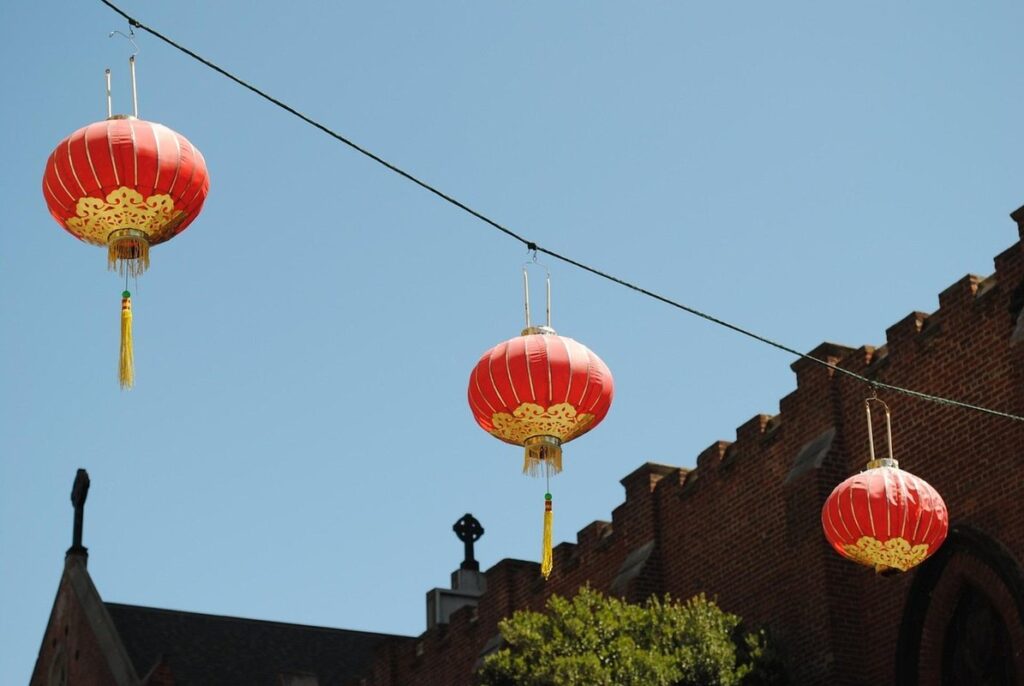
Understanding Paper Lanterns
Let’s start by understanding the basics of paper lanterns, including their history and cultural significance. This brief introduction will help you appreciate the craftsmanship behind these beautiful decorations.
History and Origins of Paper Lanterns
Paper lanterns have a rich history that spans centuries and originated in Asian cultures. The earliest known paper lanterns were made from silk and used for lighting during Chinese festivals around 2000 BCE. These early lanterns were often decorated with intricate designs, auspicious symbols, and poems to ward off evil spirits.
In Japan, the art of paper lantern making was refined over time, and by the Edo period (1603-1867 CE), Japanese lantern makers developed specialized techniques for creating beautiful, delicate lanterns. These lanterns often featured elegant patterns and motifs that reflected the country’s strong aesthetic sense.
As trade and cultural exchange between Asia and Europe increased during the 18th and 19th centuries, paper lanterns were introduced to Western societies. They became a popular decorative item in gardens and homes, especially during the Victorian era. Today, paper lanterns continue to evolve with modern designs, materials, and techniques. However, their traditional significance and symbolism remain an integral part of Asian culture and are still celebrated through various festivals and events.
Types of Paper Lanterns
Paper lanterns come in a variety of styles to suit different tastes and occasions. Traditional paper lanterns are often made with rice paper or silk paper, giving them a delicate, translucent appearance. They’re commonly used to add a touch of Asian flair to outdoor spaces, especially during special events like weddings and festivals.
Modern paper lanterns, on the other hand, incorporate more contemporary designs and materials. These might include metallic finishes, bold colors, or innovative shapes that depart from traditional forms. For example, a modern paper lantern might feature a sleek, geometric design with a metallic sheen.
Decorative paper lanterns are perfect for adding a pop of color to indoor spaces. They often feature intricate patterns, florals, or other designs that create visual interest. To choose the right type of paper lantern for your project, consider the occasion and the desired aesthetic. Traditional lanterns work well for cultural events, while modern lanterns can add a trendy touch to any room.
Symbolism and Cultural Significance
Paper lanterns have a rich cultural significance across various societies, with meanings extending beyond their decorative appeal. In many Asian cultures, paper lanterns symbolize good luck and prosperity. For instance, red lanterns are often hung outside homes during Chinese New Year celebrations to ward off evil spirits and attract positive energy. Similarly, in Japan, paper lanterns, known as “tōrō,” are used to light the way for travelers, representing the path to enlightenment.
In Buddhist tradition, paper lanterns hold spiritual significance as a reminder of the fleeting nature of life. The soft glow of the lantern represents the impermanence of all things, encouraging practitioners to let go of attachments and cultivate mindfulness. When creating your own paper lantern, consider the cultural associations you want it to convey. You can choose colors or patterns that align with specific meanings, such as using yellow for happiness or blue for calmness.
Some cultures also associate paper lanterns with longevity and health. In Korean tradition, for example, paper lanterns are used in funeral rites to guide the deceased’s spirit to the afterlife. By understanding these symbolic meanings, you can imbue your paper lantern craft with deeper significance and create a more meaningful piece of art.
Materials and Preparation
To create a beautiful paper lantern, you’ll need to gather some essential materials first. Let’s take a look at what you’ll need to get started on your craft project.
Essential Supplies for Paper Lantern Making
To create a beautiful paper lantern, you’ll need some essential supplies. Start with high-quality paper specifically designed for crafting, such as washi paper or rice paper. You can find these at most art supply stores or online. A good pair of scissors is also crucial – look for ones with sharp blades and comfortable handles.
Next, gather a reliable adhesive like white glue or decoupage medium. These types of glue dry clear and won’t yellow over time. You’ll also need a surface to work on – a cutting mat or a piece of cardboard can protect your table from spills and cuts.
Other necessary tools include a pencil or marker for tracing patterns, a ruler for measuring, and a bone folder or similar tool for creasing the paper. Some crafters find it helpful to have a pair of tweezers on hand for delicate work. Don’t forget a few basic household items like a sponge or cloth for cleaning up spills.
A small tray or container can also be useful for holding your supplies within easy reach. This will help you stay organized and focused as you work on your lantern.
Choosing the Right Paper Type
When it comes to crafting beautiful paper lanterns, selecting the right type of paper is crucial. Different types of paper offer unique textures, weights, and durability levels, which affect how they handle folding, cutting, and lighting.
Rice paper, a popular choice for lantern making, has a delicate, translucent quality that allows light to filter through. Its thinness makes it easy to fold into intricate designs, but it can be prone to tears if handled roughly.
Silk paper offers an elegant sheen and is often used in high-end decorative projects. It’s more durable than rice paper but still requires gentle handling. Silk paper can also be dyed or printed with various patterns and colors, adding an extra layer of creativity to your lantern designs.
For a bolder look, consider using patterned paper featuring bold prints or colorful motifs. This type of paper adds visual interest to your lantern without requiring additional embellishments. When working with any of these papers, remember that they can be more delicate than expected, so handle them carefully and use the right adhesives to avoid damage.
Preparing the Workspace
To create a workspace conducive to paper lantern crafting, you need to set up a surface where you can comfortably work on your project. Start by clearing a large, flat area of clutter and dust. A dedicated table or desk with enough space for your materials is ideal. Cover the surface with a smooth, protective material like parchment paper or a silicone mat to prevent damage from glue spills and other accidents.
Proper lighting is essential for this task. Bright, focused light can help you see intricate details in your design, while soft, ambient light can make it easier on your eyes during prolonged crafting sessions. Consider using a combination of overhead lighting and task lamps to achieve the perfect balance.
Organize your materials by categorizing them into separate containers or bins. This will save time searching for specific supplies and prevent clutter buildup. Keep frequently used items like scissors and glue within easy reach, while less essential materials can be stored in labeled containers on shelves or in a nearby cabinet. By creating an efficient workspace, you’ll be able to focus on the creative aspects of paper lantern crafting without distractions.
Designing and Creating Your Lantern
Now that you have a basic understanding of paper lantern craft, it’s time to put your skills into practice by designing and creating your very own beautiful lantern. This section will guide you through every step of the process.
Basic Paper Lantern Shapes
To create basic paper lantern shapes, you’ll need to master a few fundamental folding techniques. Start by practicing simple folds, such as the accordion fold and the zigzag fold, which will become the building blocks for more complex forms.
For a sphere-shaped lantern, begin with an octagonal or hexagonal base cut from your chosen paper type. Fold each edge in towards the center, creating a symmetrical shape. Next, use the accordion fold to create a series of pleats that will give your lantern its rounded appearance.
When working with cylinders and cones, focus on creating smooth, even folds. Use a bone folder or similar tool to help crease your paper sharply, then carefully unfold the shape into its desired form. You can also experiment with layering multiple shapes to create more intricate designs.
Here are some essential tips for creating basic paper lantern shapes:
- Use a consistent folding technique to maintain symmetry and evenness.
- Experiment with different paper weights and textures to achieve unique effects.
- Practice, practice, practice – mastering these basic folds will make it easier to tackle more complex projects.
Adding Decorations and Patterns
To add a personal touch to your paper lantern, consider various decoration methods. Painting is one of the most straightforward approaches, allowing you to create intricate designs and patterns with minimal equipment. Choose from a range of brushes, including fine-tip pens for detailed work or larger brushes for broad strokes.
For more defined designs, stenciling is an excellent option. Use pre-made stencils or cut out custom shapes to add patterns and images to your lantern. This method works particularly well with geometric shapes and symmetrical motifs. Remember to use a gentle touch when placing the stencil on the paper, as excessive pressure can cause tears.
Appliqué techniques involve attaching fabric or paper pieces to create multi-layered designs. You can cut out intricate shapes from tissue paper or thin fabric and arrange them in a collage-style pattern. Secure the appliqués with glue or decoupage medium, ensuring they adhere evenly to the lantern’s surface. Experiment with contrasting colors and textures to add depth to your design.
Advanced Techniques for Experienced Crafters
For experienced crafters looking to elevate their lantern-making skills, layering and pleating techniques offer a wealth of creative possibilities. By layering multiple sheets of paper, you can achieve complex textures and dimensional effects that add depth to your design.
To create intricate patterns with layering, start by selecting papers with contrasting colors or textures. Apply a small amount of adhesive to the back of each sheet, then carefully position them on top of one another. Use a bone folder or similar tool to smooth out any air bubbles and ensure even adhesion.
Pleating is another technique used to add visual interest to your lanterns. This involves folding paper into accordion-like pleats that create a unique, textured appearance. You can use a ruler or other straightedge to guide the folds, making sure they’re evenly spaced and symmetrical. To enhance the effect, layer multiple pleated sections on top of one another.
When shaping lanterns using these techniques, experiment with varying fold directions and angles to achieve unique forms and silhouettes. This will allow you to create truly one-of-a-kind designs that showcase your expertise in paper lantern craft.
Assembly and Finishing Touches
Now that you’ve carefully crafted your paper lantern, it’s time to bring it all together by assembling its components and adding those final decorative touches. This is where the magic happens!
Glueing the Lantern Structure Together
To glue the lantern structure together, you’ll need to start by applying a thin layer of adhesive to the folded edges. Use a brush or applicator to spread the glue evenly, making sure to cover all exposed surfaces. For a stable base, apply glue to both sides of the bottom panel and attach it to the frame.
When using the accordion fold method, insert the tabs into corresponding slots on adjacent panels, applying gentle pressure as you go. Hold each section in place for a few seconds until the glue sets. To reinforce joints, use additional glue or apply small dots between the folded layers.
Alternatively, you can use the “clip and stick” technique: attach clips to the top of each panel before inserting them into the lantern’s frame. This allows you to adjust the panels as needed and prevents warping during assembly. Remove the clips once the adhesive has set, then secure any loose ends with additional glue or small staples.
When working with delicate paper types, apply a thin layer of tissue paste (such as PVA) instead of traditional glue. This will help prevent tears and ensure a clean finish. For added stability, use a combination of glue and small weights to hold the panels in place while they dry.
Adding a Light Source
When it comes to illuminating your paper lantern, you have several light source options. LED lights are a popular choice due to their energy efficiency and long lifespan. You can place them inside the lantern or use a string of fairy lights that can be easily threaded through the top opening.
Candles are another option for adding warmth and ambiance to your lantern. However, they pose a fire hazard if not used properly. To safely integrate candles into your paper lantern, make sure to use a heat-resistant material for the bottom panel and keep the flame away from flammable materials.
Fairy lights can add a whimsical touch to your lantern, especially when wrapped around the frame or draped inside. When choosing fairy lights, opt for ones with a low wattage and a durable wire coating to prevent overheating.
When integrating any light source into your paper lantern, ensure that it’s securely fastened to avoid accidents. This can be done using glue, adhesive putty, or even small metal clips.
Finishing and Displaying Your Creation
When your paper lantern is complete, it’s time to add the finishing touches. This includes adding a hanger or chain so you can easily display your creation. For a traditional look, use a simple metal loop and attach it to the top of the lantern using a strong adhesive. Alternatively, you can use a decorative chain or ribbon to add a pop of color.
To display your paper lantern, consider the space where it will be placed. If it’s indoors, choose a spot with soft lighting that won’t create harsh shadows on the lantern’s surface. For outdoor displays, opt for a sheltered area protected from direct sunlight and moisture. Some ideas for displaying your lantern include:
- Hanging it from a porch or patio ceiling
- Placing it in a window to catch natural light
- Using it as a centerpiece for a table or mantel
- Suspend it from a tree branch or gazebo
Remember, the key to creating a beautiful display is balance and harmony with its surroundings. Experiment with different placements until you find one that showcases your lantern’s unique charm.
Tips for Beginners and Troubleshooting
If you’re new to paper lantern crafting, don’t worry if things get a bit tricky at first. This section is here to help you overcome common mistakes and perfect your technique.
Common Mistakes to Avoid
When crafting paper lanterns, it’s easy to make mistakes that can ruin the entire project. One common error is over-tightening the pleats, which causes the lantern to pucker and lose its shape. To avoid this, gently press the pleats with a bone folder or your fingers, working from the center outwards.
Another mistake beginners often make is not using enough glue, resulting in a weak and flimsy structure. Use a generous amount of glue on each seam, but avoid applying too much as it can create a sticky mess. To test if you’ve applied enough glue, gently press on the seam – if it holds its shape, you’re good to go.
Underestimating the time required for drying is another common mistake. Paper lanterns take longer to dry than you might think, and rushing the process can lead to weak spots in the paper. Allow at least 24 hours for small projects and up to a week for larger ones before handling or displaying your lantern.
Time-Saving Hacks and Shortcuts
To speed up the crafting process and reduce waste, consider these time-saving hacks. When cutting out lantern shapes, use a template or stencil to ensure precise cuts and minimize paper wastage. Alternatively, cut multiple pieces at once using scissors or a craft knife, rather than making individual cuts.
For gluing, apply a thin layer of adhesive evenly across the surface before assembling the lantern structure. This helps prevent excess glue from oozing out during assembly, saving you time on cleanup. To speed up drying time, use a heat gun or allow the glued pieces to air dry under a fan – just be cautious not to overheat the paper.
To reduce errors and improve results, implement a “test patch” approach when experimenting with new patterns or decorations. Apply a small test patch of paint, glue, or other materials to a discreet area of the lantern before applying it to the entire surface. This allows you to adjust your technique without wasting time and resources on a larger-scale project gone wrong.
By incorporating these simple hacks into your paper lantern crafting routine, you can streamline your workflow and achieve better results with less effort.
Troubleshooting Issues with Paper and Glue
When working with paper and glue, common issues can arise. Paper may tear during handling or cutting, while glue bonding might not be as secure as desired. To resolve these problems, start by checking the weight and quality of the paper. Thin or low-grade paper is more prone to tearing. If this is the case, consider switching to a heavier paper designed specifically for lantern making.
Another issue may be with the type of glue used. Make sure you’re using an adhesive suitable for paper craft. A small test area can help determine if the glue is bonding correctly. If necessary, apply multiple thin layers rather than one thick layer, which can lead to pooling and uneven drying.
Some common mistakes include applying too much glue or not enough, causing bubbles or weak joints. To minimize this risk, use a glue brush to spread a small amount evenly across the seam. For particularly tricky areas, try using a small dot of adhesive instead of a continuous line. By paying attention to these details and being prepared for potential issues, you can create beautiful paper lanterns with minimal stress and maximum success.
Frequently Asked Questions
Can I use recycled paper for making paper lanterns?
Yes, using recycled paper is a great way to make your craft project more eco-friendly. You can experiment with different types of recycled paper, such as newspaper or cardboard packaging, but keep in mind that they might not hold the same shape as specialty paper designed for lantern-making.
How long do paper lanterns typically last when exposed to direct sunlight?
Paper lanterns can be sensitive to sunlight and may fade over time. To extend their lifespan, consider using UV-resistant paper or applying a protective coating. With proper care, your lanterns can last for several years indoors, but outdoor exposure will likely reduce their lifespan.
What if I accidentally tear the paper while folding it? Can I fix it?
Yes, torn papers are a common issue when working with delicate materials. To repair tears, apply a small amount of glue and gently press the paper together. If the tear is severe, consider using a paper patch or re-cutting the affected area.
How do I safely transport and store my finished lanterns without damaging them?
To prevent damage during transportation, make sure your lanterns are securely wrapped in tissue paper or bubble wrap. Store them upright to maintain their shape and avoid folding or bending, which can cause creases or cracks.