
Plastic water bottles have become an ubiquitous part of modern life, but their convenience comes at a steep cost. With billions of single-use plastic water bottles discarded every year, it’s no wonder that they’re one of the most littered items on Earth. Not only do these bottles contribute to the staggering 8 million tons of plastic waste that enter our oceans annually, but they also pose serious health risks, including exposure to toxic chemicals like BPA and phthalates. As you may know, drinking from single-use plastic water bottles can actually harm your body, not to mention the devastating impact on marine life. This article will explore the alarming statistics, health risks, and environmental impact of plastic water bottles in more detail, as well as provide practical tips for making sustainable alternatives a part of your daily routine, allowing you to reduce your plastic waste today.
The Alarming Statistics
The numbers behind plastic water bottle waste are staggering, revealing a disturbing trend that demands our attention and action. Let’s take a closer look at some of these alarming statistics to understand the scope of the problem.
Plastic Water Bottle Production and Waste
Plastic water bottle production is a massive industry, with over 1.5 million plastic bottles being produced every hour worldwide. In the United States alone, more than 35 billion plastic water bottles are discarded annually, with only about 29% of them being recycled. The staggering amount of plastic used and discarded has severe consequences for the environment.
The production process itself is resource-intensive, requiring large amounts of fossil fuels to manufacture the plastic resin, which is then molded into bottles. Additionally, the transportation and storage of these bottles contribute to greenhouse gas emissions and further strain on natural resources. To put this in perspective, if we were to lay all the plastic water bottles produced globally end-to-end, they would stretch for over 200,000 miles – more than twice the distance around the Earth.
The alarming rate at which plastic water bottles are being discarded has led to a significant increase in ocean pollution and marine life entanglement. To reduce this waste, consider switching to reusable water bottles made from sustainable materials like stainless steel or glass. By making this simple change, you can significantly contribute to reducing the staggering numbers behind plastic water bottle production and waste.
Environmental Impact of Plastic Water Bottles
Plastic water bottles have a profound impact on ecosystems, wildlife, and human health. One of the most significant effects is the entanglement and suffocation of marine life. When plastic water bottles are discarded, they can end up in oceans, where animals become trapped or ingest them, leading to injuries and fatalities.
In addition, microplastics from plastic water bottles break down into smaller pieces that are ingested by small fish and other organisms, which can then be consumed by humans through the food chain. This process is known as biomagnification, where the concentration of toxins in an organism increases as it moves up the food chain. Studies have shown that humans may ingest up to 5 grams of microplastics per week through consumption of seafood.
The impact on human health is also significant. Exposure to certain chemicals in plastic water bottles, such as BPA and phthalates, has been linked to various health problems, including reproductive issues, cancer, and developmental disorders. Furthermore, the production process for plastic water bottles involves the use of non-renewable resources, contributing to greenhouse gas emissions and climate change.
Plastic water bottles also contribute to ocean pollution, harming marine ecosystems and wildlife.
Economic Burden of Plastic Water Bottles
The production, transportation, and disposal of plastic water bottles come with significant economic costs. These costs are typically borne by consumers, governments, and businesses. A large portion of these expenses goes toward disposing of discarded plastic bottles, which can take hundreds of years to decompose. In the United States alone, it’s estimated that plastic water bottle waste costs over $50 million annually.
Another substantial expense is the energy required for transporting bottled water across long distances. This energy consumption contributes to greenhouse gas emissions and exacerbates climate change. The extraction, processing, and transportation of raw materials also incur significant economic burdens. According to a study by the Natural Resources Defense Council, the production of plastic water bottles uses 1.39 million barrels of oil per year.
The environmental costs associated with plastic water bottle production are further amplified when considering the financial implications. For instance, cleanup efforts following major natural disasters often involve large-scale removal and disposal of plastic debris, incurring substantial economic expenses for governments and taxpayers.
The Health Risks Associated with Plastic Water Bottles
Research has shown that plastic water bottles contain BPA, a chemical linked to various health issues, including cancer and reproductive problems. Exposure to this toxic substance is alarming, especially for frequent users of single-use plastic water bottles.
Chemicals in Plastic Water Bottles
Plastic water bottles are made from a type of plastic called polyethylene terephthalate (PET), which contains chemicals such as antimony, lead, and cadmium. These chemicals can leach into the water over time, particularly when exposed to heat or sunlight. Antimony, for example, has been linked to reproductive problems and cancer in animal studies.
Bisphenol A (BPA) is another chemical used in the production of PET plastic water bottles. BPA is an endocrine disruptor that can mimic the effects of estrogen in the body, leading to a range of health issues including obesity, diabetes, and certain types of cancer. Some countries have banned BPA from use in food packaging due to its potential risks.
Phthalates are also commonly used in PET plastic water bottles as softeners to make them more flexible. However, phthalates have been linked to reproductive problems, birth defects, and other health issues. To minimize exposure to these chemicals, choose refillable glass or stainless steel water bottles instead of single-use plastic ones. If you must use a plastic water bottle, check the label for BPA-free and phthalate-free certifications.
Microplastics in Drinking Water
Microplastics have been found in drinking water sources around the world, including tap water and bottled water. These tiny plastic particles can come from a variety of sources, including the breakdown of larger plastic items like microbeads used in personal care products, synthetic fibers from clothing, and even the wear and tear on plastic pipes.
Studies have shown that microplastics are present in drinking water at levels ranging from a few dozen to several hundred particles per liter. While the health effects of consuming microplastics are not yet fully understood, research suggests that they can leach chemicals into the water, potentially harming human health.
Some tap water systems in major cities like London and Paris have been found to contain high levels of microplastics. Bottled water companies have also had their products tested for microplastic contamination, with some brands finding small amounts of plastic particles in their bottled water. To put this into perspective, the average person drinks around 1-2 liters of water per day, which means that they may be consuming tens or even hundreds of microplastic particles daily.
When choosing a reusable water bottle, look for one made from BPA-free materials and consider using a filter to reduce the risk of microplastics in your drinking water.
Human Exposure to BPA and Phthalates
BPA and phthalates are two types of chemicals commonly found in plastic water bottles. BPA is a synthetic estrogen used to make polycarbonate plastics more durable, while phthalates are added as softeners to improve flexibility. When these bottles come into contact with heat or are exposed to light, the chemicals can leach out and contaminate the water.
Studies have shown that individuals who regularly consume water from plastic bottles have higher levels of BPA in their urine compared to those who drink tap water. Phthalates have also been detected in human blood samples, often at concentrations above safe limits. Prolonged exposure to these chemicals has been linked to reproductive problems, cancer, and developmental issues.
To minimize exposure, consider using glass or stainless steel water bottles instead of plastic ones. When shopping for a new bottle, look for products that are BPA-free and phthalate-free. Even with non-toxic plastics, it’s essential to wash your bottle regularly and avoid leaving it in direct sunlight or near heat sources.
Alternatives to Plastic Water Bottles
As you continue on your journey to ditch plastic water bottles, let’s explore some practical alternatives that are not only eco-friendly but also convenient and affordable. From glass bottles to stainless steel containers, we’ll show you what works.
Switching to Reusable Water Bottles
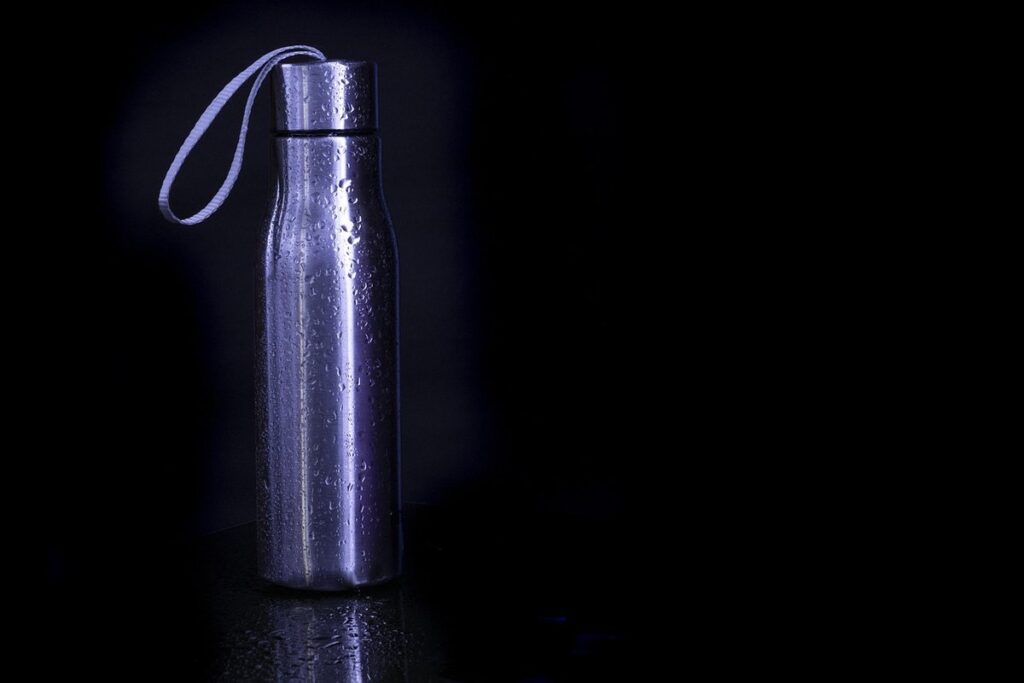
When making the switch to reusable water bottles, you have a variety of eco-friendly options available. One popular choice is stainless steel water bottles, which are durable and resistant to rust. These bottles can withstand extreme temperatures and are often dishwasher safe for easy cleaning. Another option is glass water bottles, which offer a non-toxic and chemical-free alternative to plastic.
Collapsible water bottles are also gaining popularity due to their lightweight design and compact storage capabilities. Made from silicone or nylon, these bottles are perfect for travelers or individuals with limited storage space. When choosing a reusable water bottle, consider the material’s durability, insulation quality, and ease of cleaning. Some popular brands offer BPA-free certifications and stylish designs that make staying hydrated more enjoyable.
In addition to considering the type of material, you should also think about the size and capacity of your new water bottle. Opt for a size that fits comfortably in your bag or car cup holder, ensuring you stay hydrated on-the-go without cluttering up space.
Tap Water vs. Filtered Tap Water
Tap water is a common alternative to plastic water bottles, but filtered tap water offers a safer and more palatable option. Tap water can contain varying levels of contaminants, such as lead, chlorine, or bacteria, which can be detrimental to health. For instance, the presence of lead in tap water has been linked to cognitive impairments in children.
Filtered tap water, on the other hand, uses mechanical or chemical processes to remove impurities and improve taste. Some filters, like activated carbon, can reduce chlorine levels, while others, such as reverse osmosis systems, can eliminate up to 99% of dissolved solids. A study by the National Sanitation Foundation found that filtered tap water can be just as safe as bottled water.
When choosing a filter, consider the type of contaminants you want to remove and look for certifications like NSF International or the Water Quality Association. Some popular options include pitcher-style filters, faucet-mounted devices, and under-sink systems. By opting for filtered tap water, you can enjoy better-tasting water while reducing your reliance on plastic bottles.
Making the Shift: Overcoming Barriers to Change
Making the shift to sustainable alternatives can be daunting, especially when faced with perceived barriers. You might think it’s too expensive to invest in a reusable water bottle, but consider that a single refillable bottle can save you hundreds of dollars over time. Others may worry about the taste or quality of tap water, but many cities offer free or low-cost filtered tap water options that are just as safe and healthy as bottled water.
A common excuse is that people don’t have access to clean drinking water at home. However, this is a misconception – you can use a filter pitcher or install a whole-house filtration system to ensure your tap water meets your standards. Another concern might be the initial hassle of switching from bottles to reusable containers. To overcome this, start by designating one day a week as “no-bottle” day and gradually increase your commitment.
For those who still struggle with transition, try these practical tips:
- Begin by carrying a refillable bottle with you and using it for just one drink per day
- Identify nearby water fountains or filtered tap water stations to make refilling easier
- Join online communities or forums where people share their experiences and tips on sustainable living
The Role of Governments, Corporations, and Individuals
To address the plastic water bottle crisis effectively, we need to understand how governments, corporations, and individuals contribute to it and can play a part in solving it. Each of these groups has a unique responsibility in reducing plastic waste.
Implementing Extended Producer Responsibility
Implementing Extended Producer Responsibility (EPR) is a crucial step towards reducing plastic waste generated by water bottles. EPR policies hold manufacturers accountable for the waste their products create during production, use, and disposal. This approach encourages companies to design more sustainable packaging, increase recycling rates, and reduce litter.
In countries like Germany and Sweden, EPR has led to significant reductions in packaging waste. For instance, Germany’s EPR policy requires beverage companies to pay a fee for each plastic bottle produced, which is then used to fund recycling programs and waste management infrastructure. This approach has resulted in a 70% reduction in plastic waste from beverages.
To implement EPR effectively, governments must set clear targets and standards for manufacturers. Companies should be required to design recyclable packaging, use biodegradable materials, or develop closed-loop systems where old bottles are collected and recycled into new ones. Manufacturers can also partner with recycling facilities to improve collection rates and quality of recyclables.
A successful EPR policy requires collaboration between government agencies, manufacturers, and waste management experts. By holding manufacturers accountable for the waste their products generate, EPR can drive innovation in sustainable packaging and reduce plastic pollution.
Corporate Initiatives Against Plastic Water Bottles
Some notable companies have reduced their plastic water bottle usage significantly. For instance, Coca-Cola has pledged to collect and recycle the equivalent of every can or bottle it sells globally by 2030. This effort is part of its World Without Waste initiative. Another example is PepsiCo, which aims to make all its packaging recyclable by 2025.
Other companies have gone further by introducing refill stations for customers. For instance, Loop, a partnership between Unilever and TerraCycle, offers reusable containers that can be refilled at stores like Target. Similarly, Coca-Cola’s World Without Waste initiative includes the introduction of bottle-return programs in some countries.
These corporate initiatives against plastic water bottles demonstrate that even large companies can make significant changes to reduce waste. However, it’s essential for consumers to support these efforts by choosing refillable or biodegradable options when available. By doing so, we can accelerate the shift towards a more sustainable future where single-use plastics are no longer prevalent in our daily lives.
It’s worth noting that some companies, like Patagonia and REI, have been leaders in reducing waste for years. They offer reusable water bottles as part of their product lines and encourage customers to bring back old products for recycling.
Individual Actions to Reduce Plastic Waste
Reducing plastic waste starts with individual actions. You can make a significant impact by changing your daily habits and choices. For instance, switching to reusable water bottles is one of the simplest ways to reduce plastic waste. Consider investing in a high-quality, BPA-free bottle that fits your lifestyle. Not only will you save money in the long run, but you’ll also be contributing to a reduction in plastic bottle production.
When shopping for a reusable water bottle, look for products made from durable materials like stainless steel or glass. These options are more eco-friendly than single-use plastics and can withstand frequent washing and use. Additionally, consider purchasing a refillable water bottle with a built-in filter for added convenience.
Other ways to reduce plastic waste include reducing your single-use plastic consumption in other areas of your life. Be mindful of the products you buy and opt for those with minimal or biodegradable packaging.
Innovations and Technologies Emerging
New technologies are rapidly transforming the way we think about water consumption, making it easier than ever to ditch plastic bottles for good. From refill stations to smart recycling systems, innovative solutions are popping up everywhere.
Biodegradable Plastics
New materials and technologies are being developed to replace traditional plastics in water bottles. One such innovation is biodegradable plastics, made from renewable resources like corn starch, sugarcane, or potato starch. These alternatives break down naturally in the environment, reducing plastic waste and the harm it causes to ecosystems.
Polylactic acid (PLA) is a type of bioplastic commonly used for packaging, including water bottles. PLA is biodegradable under industrial composting conditions but can take years to decompose in home composting settings. Another option is polyhydroxyalkanoates (PHA), which can degrade within weeks to months.
Companies like Ecovative and LanzaTech are working on developing mycelium-based bioplastics and bio-ethanol from waste biomass, respectively. These innovations have the potential to significantly reduce plastic waste in water bottles. However, it’s essential to note that biodegradable plastics still require proper disposal and composting infrastructure.
While biodegradable plastics show promise, they are not yet widely available or affordable for mass production. As consumers, we can support these emerging technologies by choosing products made from sustainable materials and encouraging companies to invest in research and development.
Closed-Loop Systems for Water Bottles
Closed-loop systems for water bottles are designed to collect, recycle, and reuse plastic bottles. This approach aims to eliminate waste by creating a continuous cycle where used bottles are transformed into new products. A notable example is the Deposit Refill Program implemented by several European cities. In this system, consumers pay a deposit when purchasing a plastic bottle, which is then refunded when the empty bottle is returned for recycling.
To facilitate closed-loop systems, innovative technologies and infrastructure are being developed. For instance, some companies are creating machines that can sort and process plastic bottles at an unprecedented speed and efficiency. This enables the production of high-quality recycled materials that can be used to manufacture new water bottles or other products.
A successful implementation of a closed-loop system would require collaboration between manufacturers, governments, and consumers. Manufacturers must design their products with recyclability in mind, while governments provide incentives for recycling and proper waste management. Consumers play a crucial role by participating in the deposit refill program and choosing products made from recycled materials. By working together, we can create a more sustainable future where plastic water bottles are no longer discarded as waste but transformed into valuable resources.
Smart Water Bottles for Monitoring Consumption
Smart water bottles equipped with monitoring features are an innovative solution for promoting sustainable hydration practices. These devices track consumption and provide real-time data on drinking habits. For instance, some smart water bottles can remind users to drink a certain amount of water throughout the day or send notifications when a refill is needed.
Some popular models come with additional features such as temperature control, built-in filters, or integration with mobile apps. This integration allows users to monitor their progress and adjust their hydration goals accordingly. For example, Hidrate Spark’s app connects with popular fitness trackers to provide personalized recommendations for optimal hydration based on physical activity levels.
Monitoring consumption is a key aspect of smart water bottles. Users can set targets and track their progress, receiving reminders when they need to drink more. This approach helps individuals stay hydrated without relying on single-use plastic bottles. Some smart water bottles also offer rewards or achievements for reaching hydration milestones, making it a fun and engaging experience.
When choosing a smart water bottle, consider features such as compatibility with your phone’s operating system, the type of filter used (if any), and battery life.
Frequently Asked Questions
How Long Does It Take to Notice a Difference After Switching to Reusable Water Bottles?
Switching to reusable water bottles can have an immediate impact on reducing plastic waste, but you may notice other benefits like saving money or feeling more environmentally conscious within a few weeks. As you continue to use your reusable bottle, you’ll also start to appreciate the taste and quality of tap water.
Can I Use My Reusable Water Bottle for Hot Beverages Without Risking BPA Leaching?
Yes, most stainless steel and glass reusable water bottles are designed to withstand extreme temperatures without leaching chemicals. However, it’s essential to check your bottle’s material and manufacturer instructions before using it for hot beverages.
How Do I Know If the Tap Water in My Area Is Safe to Drink Without a Filter?
While tap water may not be as convenient as bottled water, it’s often safer than you think. Check with your local water utility or health department to see if they’ve conducted recent tests on the tap water quality. You can also consider using a low-cost water testing kit to assess the safety of your tap water.
What If I Have Sensitive Stomach and Can’t Drink Tap Water Even With a Filter?
If you have a sensitive stomach, it’s possible that even filtered tap water may not agree with you. In this case, consider exploring other alternatives like bottled spring water or investing in a high-quality home water filtration system specifically designed for sensitive individuals.
Can I Make My Own Reusable Water Bottle Using Eco-Friendly Materials?
Yes, making your own reusable water bottle can be a fun and creative project. You can use materials like stainless steel, glass, or even recycled plastic to create a unique and sustainable hydration solution. Just ensure that you’re using food-grade materials and following proper cleaning and maintenance procedures to keep your homemade bottle safe for use.

