A single coat that matches everything sounds like a myth from a fashion fairy tale, but building a versatile neutral wardrobe is actually within your grasp. For those who’ve grown tired of throwing away last season’s trends, investing in quality over quantity can be both budget-friendly and guilt-free – especially if you’re willing to forgo bold prints and bright colors. By sticking to timeless basics like white shirts, black pants, and beige sweaters, you’ll find that your wardrobe has become the ultimate chameleon, effortlessly adapting to any occasion or mood. In this article, we’ll explore what makes a neutral wardrobe so perfect for sustainable fashion choices, and provide tips on how to create one without breaking the bank or sacrificing personal style. By the end of this piece, you’ll have a clear understanding of how to build a capsule collection that’s both chic and environmentally friendly.
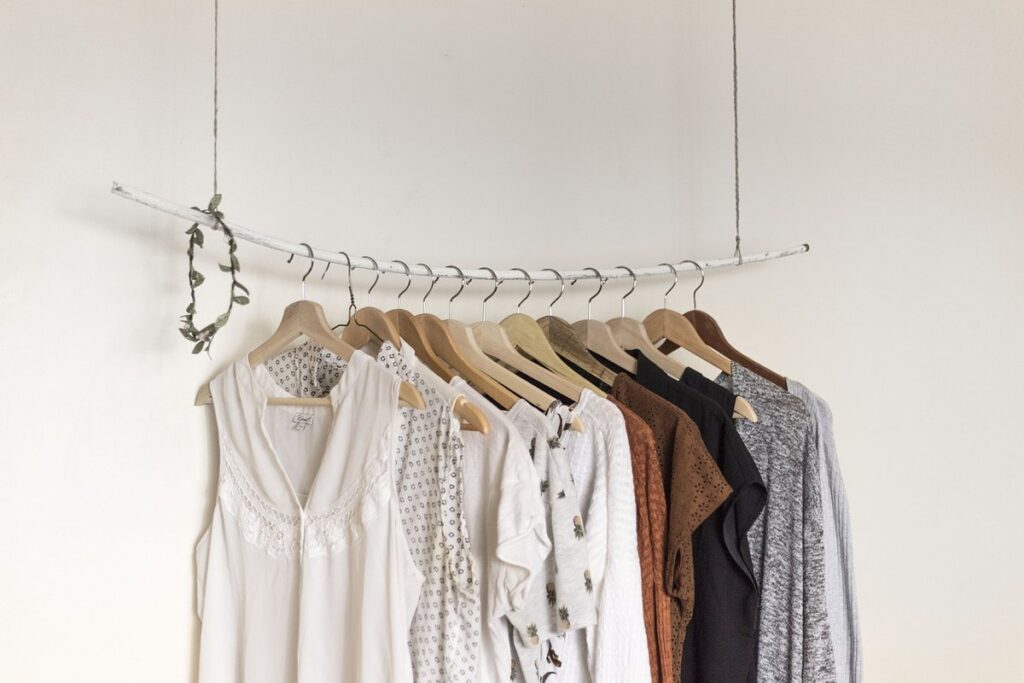
Understanding the Benefits of a Neutral Wardrobe
A neutral wardrobe offers numerous benefits, allowing you to create endless outfits and make getting dressed easier. By understanding these advantages, you’ll be well on your way to building a versatile and stylish closet.
What is a Neutral Wardrobe?
A neutral wardrobe is centered around a core group of timeless and versatile pieces that can be mixed-and-matched to create various outfits. Its primary purpose is to simplify your daily dressing routine, eliminating the need for constant decision-making and reducing stress. This approach also helps you develop a more thoughtful and intentional relationship with your clothing.
At its foundation, a neutral wardrobe consists of essential items such as high-quality white shirts, classic trousers, simple dresses, and well-fitting jeans. These staples are chosen for their ability to be worn repeatedly without appearing stale or overused. They serve as the building blocks upon which you can layer patterns, textures, and pops of color through accessories, shoes, and occasional statement pieces.
By focusing on neutrals, you’ll find yourself gravitating towards a more minimalist aesthetic, free from trendy or seasonal influences that might quickly become outdated. This mindset shift enables you to prioritize quality over quantity, investing in fewer, better-made items that will see you through the years with ease.
Common Misconceptions about Neutral Wardrobes
One of the most common misconceptions about building a neutral wardrobe is that it’s boring and lacks personal style. This couldn’t be further from the truth. A well-curated neutral wardrobe can actually make getting dressed easier, freeing up time for more creative pursuits.
Many people believe that a neutral wardrobe means wearing all beige or black clothing, but this is an oversimplification. Neutrals are versatile colors like navy blue, gray, and olive green that provide a versatile foundation for mixing and matching pieces.
Another misconception is that building a neutral wardrobe requires investing in a lot of new clothes. In reality, you can start by identifying the pieces in your current wardrobe that fit the neutral criteria and build from there. Consider swapping or selling items that don’t fit the bill to make room for more versatile options.
The Importance of Neutrality in Fashion
A neutral wardrobe is more than just a style choice; it’s also a key component of sustainable fashion. One reason why neutrals are essential for sustainability is because they don’t follow fast fashion trends. By investing in timeless pieces that won’t go out of style quickly, you’re reducing the likelihood of contributing to the estimated 12% of global greenhouse gas emissions caused by clothing production.
Another critical aspect of neutrality is its ability to reduce waste. When you have a core wardrobe built around neutral colors and styles, you’re less likely to feel pressured into buying trendy items that may only be worn once or twice. This not only saves money but also decreases the amount of clothes that end up in landfills each year.
To build a truly neutral wardrobe, focus on acquiring high-quality basics like white shirts, dark jeans, and leather jackets. These pieces can then be mixed and matched with statement items to create multiple outfits. By prioritizing neutrals, you’re taking a crucial step towards creating a more sustainable fashion routine that benefits both your wallet and the planet.
Assessing Your Current Wardrobe
Now, take a good hard look at what you’re currently working with – every piece of clothing that’s made it into your closet deserves a honest evaluation. You’ll want to sort items into categories for a clearer picture of your wardrobe’s strengths and weaknesses.
Identifying Cluttered or Unnecessary Items
When sorting through your existing wardrobe to build a neutral foundation, it’s essential to be ruthless about eliminating cluttered and unnecessary items. Start by categorizing clothes into three piles: keep, donate/sell, and discard. Be honest with yourself – if you haven’t worn something in the past year, it’s likely safe to let it go.
Pay particular attention to items that don’t fit, are ill-made, or no longer align with your personal style. Consider the 80/20 rule: 80% of the time, you likely wear 20% of your clothes. Identify these staples and keep only what contributes to this core group. When in doubt, imagine yourself wearing an item – if it doesn’t evoke confidence or make you feel neutral, consider letting it go.
For items that are still wearable but no longer suit your needs, think about repurposing them as rags for DIY projects or donating to local charities. Be mindful of the quality and condition of clothes before discarding them; some items may be worth selling or trading in for store credit. By paring down your wardrobe and eliminating unnecessary clutter, you’ll have a clear canvas on which to build a neutral foundation that truly suits your needs.
Sorting Clothes into Categories
Start by grouping similar items together. For instance, categorize all tops separately from bottoms and dresses. This helps you visualize what you have and prevents clutter when organizing storage spaces. You may also want to separate clothes by color, either by type (e.g., all blue tops) or creating a single section for each hue.
Another crucial factor is the condition of your clothes. Separate items that require washing from those already clean. Consider categorizing damaged or worn-out pieces separately, as they might be better suited for donation or repurposing. This separation enables you to identify which garments need attention and tackle them more efficiently. When sorting through your wardrobe, remember to handle each item with care, whether it’s a delicate silk dress or a well-worn pair of jeans.
When organizing your categories, consider the 80/20 rule: 80% of the time, you likely wear 20% of your clothes. This principle can help guide where to place priority when decluttering and which items to focus on replenishing in your neutral wardrobe.
Determining Your Personal Style
To determine your personal style, start by examining your past fashion choices. Look through old photos and identify common threads – literally and figuratively. Which pieces make you feel confident and authentic? Notice patterns of color, texture, and silhouette that keep appearing.
Consider your preferences when shopping. Are you drawn to bold prints or do you prefer solid colors? Do you have a tendency to gravitate towards flowy fabrics or structured silhouettes? Make a mental note of these inclinations. You can also try creating a Pinterest board or collaging images in a magazine to visualize your aesthetic.
Reflecting on these patterns and preferences will help you distill your personal style into its core elements. This exercise is not about forcing yourself into a particular mold, but rather about understanding what makes you feel like the best version of yourself. By acknowledging your existing style biases, you’ll be better equipped to build a neutral wardrobe that complements and enhances your unique taste.
Building a Neutral Core Wardrobe
A neutral core wardrobe is built around timeless, versatile pieces that work together seamlessly. In this next step, we’ll explore how to create your own neutral core wardrobe essentials.
Essentials for a Neutral Wardrobe
A neutral wardrobe is built on foundational pieces that can be mixed and matched to create a multitude of outfits. Start with basic tops: a few white or light-colored shirts, a classic black tank top, and one or two soft pastel-colored blouses. These versatile tops will form the backbone of your wardrobe.
Next, focus on essential bottoms: dark wash jeans are a must-have, as well as a pair of straight-leg trousers in navy or black. Consider adding a pencil skirt or a flowy maxi skirt for added versatility. A tailored white or light-gray linen shirt is also a great addition to your neutral wardrobe. When it comes to shoes, opt for timeless choices like black ballet flats, loafers, or sleek heeled ankle boots.
Avoid over-accessorizing with bold statement pieces; instead, focus on simple yet elegant jewelry, such as a classic watch, simple stud earrings, and a quality leather belt. By investing in these fundamental items, you’ll be able to create countless outfits that work for both casual and dressy occasions.
Investing in Quality Over Quantity
Investing in quality over quantity is crucial for building a neutral core wardrobe. Fast fashion options may be affordable and trendy, but they often fall apart quickly, lose their shape, and go out of style rapidly. In contrast, high-quality pieces are made to last, retaining their value and staying relevant season after season.
When investing in quality, look for materials that will withstand the test of time, such as wool, cotton, or linen. Avoid cheap fabrics like polyester, which may save you money upfront but will eventually show wear and tear. Consider purchasing second-hand or vintage pieces to add a unique touch to your wardrobe while also reducing waste.
It’s also essential to prioritize timeless designs over trendy ones. A classic white shirt or a pair of well-fitted jeans can be worn for years to come, whereas a fashion-forward item may only be wearable for a season or two. By focusing on quality and timelessness, you’ll not only save money in the long run but also reduce your environmental footprint. This approach will help you create a versatile and sustainable wardrobe that makes getting dressed easier and more enjoyable.
Mixing Neutrals with Statement Pieces
When it comes to incorporating statement pieces into your neutral wardrobe, it’s essential to strike a balance between adding personality and not overwhelming the overall aesthetic. Start by identifying one or two statement pieces that truly speak to you – perhaps a bold patterned blouse or a brightly colored handbag. Then, pair these with neutral basics like white shirts, dark jeans, or a simple leather jacket.
To add interest without overwhelming the outfit, consider accessorizing with understated jewelry or a scarf in a complementary color. For example, if your statement piece is a bright red dress, you could tone down its boldness with some simple silver earrings and a neutral-colored belt. Remember that it’s not about matching or coordinating – rather, focus on creating a cohesive look by balancing contrasting elements.
Incorporating statement pieces into your neutral wardrobe also allows for flexibility in styling. Try mixing high-end designer items with more affordable options to create a personalized look. Experiment with different combinations to find what works best for you and don’t be afraid to take risks – after all, fashion is about expressing yourself.
Tips for Creating Outfits with a Neutral Wardrobe
Now that you have a solid neutral wardrobe, let’s focus on creating versatile outfits from these pieces to make the most of your investment. We’ll share practical tips for mixing and matching your neutrals with ease.
Combining Neutrals for a Monochromatic Look
Creating a monochromatic look is as simple as combining different shades of the same neutral color. This can be achieved by mixing various tones of white, black, gray, beige, or taupe. For example, pairing a light gray sweater with a charcoal gray skirt creates a cohesive and stylish outfit. Similarly, wearing a creamy white blouse with a pale beige cardigan adds depth to your overall look without introducing bold colors.
When combining neutrals for a monochromatic look, consider the 60-30-10 rule: allocate 60% of the outfit to the dominant neutral color, 30% to the secondary shade, and 10% to an accent piece. This ratio helps maintain balance and visual interest in your outfit. To add some personality to your monochromatic look, experiment with different textures, such as pairing smooth gray pants with a chunky white sweater or crisp black trousers with a soft beige blouse.
Adding Texture and Pattern Interest
Incorporating texture and pattern interest into your neutral wardrobe can add depth and visual appeal to your outfits. One effective way to do this is through accessories, such as statement jewelry, hats, or scarves. For instance, a chunky knit scarf in a bold color can instantly elevate a simple white sweater and jeans combination. Alternatively, layering pieces like a patterned kimono or cardigan can add texture and interest to an otherwise plain outfit.
When selecting patterns for your neutral wardrobe, opt for timeless classics rather than trendy designs. A classic gingham or striped print is versatile enough to pair with multiple solid-colored tops and bottoms. You can also mix and match different textures through layering, pairing a smooth cotton shirt with a cable-knit sweater or a velvet blazer.
To avoid overwhelming your neutral base, balance bold patterns or textures with simpler pieces. A statement-making scarf can be paired with a simple white tee and leggings for a chic yet understated look.
Styling Your Neutral Wardrobe for Different Occasions
When dressing for formal events, swap out your everyday shoes for more polished options like loafers or heeled ankle boots. These can instantly elevate a simple dress or jumpsuit to create a sophisticated look. Consider adding a statement piece of jewelry, such as a bold cocktail ring, to draw attention away from the simplicity of your outfit.
For business-casual settings, add a tailored blazer to your neutral ensemble to convey a more professional tone. Pair this with a crisp white shirt and dark trousers for a put-together look that’s perfect for networking events or meetings. In contrast, for more relaxed gatherings, opt for distressed denim jeans and a fitted knit top to create a casual yet polished appearance.
When dressing for outdoor activities like hiking or gardening, prioritize functionality over fashion by selecting clothing made from moisture-wicking fabrics and durable materials. Add a waterproof jacket to your neutral wardrobe to ensure you’re prepared for unpredictable weather conditions.
Sustainable Fashion Considerations
When building a neutral wardrobe, it’s essential to consider sustainable fashion practices that not only reduce waste but also promote eco-friendly production methods. You’ll want to think about fabric choice and manufacturer transparency.
The Impact of Fast Fashion on the Environment
Fast fashion has a devastating impact on the environment. The rapid production and consumption of cheap, trendy clothing lead to significant water waste and pollution. It’s estimated that over 8,000 gallons of water are needed to produce just one pair of jeans. This is due in part to the intensive irrigation required for cotton cultivation.
Waste generation is another critical issue. Fast fashion encourages a “take, make, dispose” approach, resulting in massive amounts of textile waste. In fact, the average American generates 82 pounds of clothing waste per year. Much of this ends up in landfills or incinerators, contributing to greenhouse gas emissions and pollution.
To mitigate these effects, consider investing in timeless, high-quality pieces that won’t contribute to the fast fashion cycle. Look for sustainable materials, such as organic cotton or Tencel, which require less water and fewer chemicals to produce. When shopping, prioritize items with a focus on durability over trendy designs. By making informed choices, you can significantly reduce your environmental footprint while building a neutral wardrobe that stands the test of time.
Choosing Eco-Friendly Fabrics
When choosing eco-friendly fabrics for your neutral wardrobe, look for materials that are sustainably sourced and produced. Organic cotton is a popular option, as it’s grown without toxic pesticides or synthetic fertilizers. Tencel, made from wood pulp cellulose, is another great choice – it’s biodegradable and requires minimal water and energy to produce.
Consider the fabric’s durability too. Investing in high-quality, eco-friendly fabrics may cost more upfront, but they’ll last longer and reduce waste in the long run. For example, a well-made Tencel coat can withstand multiple seasons without losing its shape or color.
When shopping for sustainable fabrics, check for certifications like GOTS (Global Organic Textile Standard) or Oeko-Tex, which ensure that the materials meet strict environmental and social standards. Some brands also offer recycled polyester blends, made from post-consumer plastic waste. While these may not be 100% eco-friendly, they’re a step in the right direction. Ultimately, choose fabrics that align with your values and priorities – whether it’s organic cotton or a innovative sustainable material – and consider the entire lifecycle of the garment when making your selection.
Supporting Ethical Brands
When shopping for neutral wardrobe staples, it’s essential to consider the brands behind them. Some companies prioritize sustainability and ethics more than others. Look for certifications like GOTS (Global Organic Textile Standard) or Oeko-Tex, which ensure that materials meet rigorous environmental and social standards.
Researching a brand’s history and values can also be enlightening. Take note of their mission statement, supply chain transparency, and stance on labor practices. For instance, Patagonia is known for its commitment to fair labor conditions and environmentally-friendly manufacturing processes. On the other hand, some brands might have questionable track records or lack clear policies.
Check if a brand publishes an annual sustainability report or has third-party auditors review their practices. These efforts demonstrate a genuine commitment to making positive changes within the industry. As consumers, we can influence these companies by choosing to support those that prioritize ethics and sustainability over profit margins. By doing so, we encourage them to continue innovating and pushing for better standards across the board.
Maintenance and Evolution of Your Neutral Wardrobe
As you start building a solid neutral wardrobe, it’s essential to consider how you’ll maintain and update your pieces over time. This means regularly assessing what works for you now and what needs refreshing.
Regularly Updating Your Wardrobe with Seasonal Essentials
Incorporating seasonal essentials into your neutral wardrobe is crucial to keep it fresh and relevant. A neutral wardrobe’s strength lies in its versatility, but even the most timeless pieces can look stale if not updated regularly. To refresh your wardrobe, identify essential items that change with each season.
For spring and summer, consider adding lightweight fabrics like cotton, linen, or silk blouses, as well as pastel-hued tops to inject a pop of color. In autumn and winter, swap these for warmer, heavier-knit sweaters and dark-washed trousers. Update your shoes too – opt for sandals in the warmer months and boots or loafers in cooler seasons.
When selecting seasonal essentials, prioritize quality over quantity. Aim for 2-3 statement pieces per season that can be mixed-and-matched with existing wardrobe staples. This strategic approach ensures your neutral wardrobe stays relevant without overwhelming your closet with trendy items that may quickly go out of style.
Learning from Fashion Trends without Buying New Clothes
You can stay on top of fashion trends without buying new clothes by repurposing existing pieces and updating their styling. This involves experimenting with different combinations of what you already own to create fresh looks. For example, swap the buttons or add embroidery to a classic white shirt to give it a trendy twist.
Another approach is to incorporate current trend elements into your accessories. Update your handbag with new hardware or try a vintage-inspired belt buckle to bring your outfit up-to-date. You can also refresh your shoes by switching from laces to buckles or adding decorative straps.
To apply this principle, start by reviewing the latest fashion trends and identifying key elements that resonate with you. Take note of colors, textures, and patterns that are popular for the season. Then, browse through your wardrobe to see how you can incorporate these trend-inspired details into your existing pieces. Be creative and don’t be afraid to try new combinations – it’s often the unusual pairings that result in the most interesting fashion statements.
Continuously Refining Your Personal Style and Preferences
As you wear and live in your neutral wardrobe, it’s essential to regularly evaluate and refine your personal style. This might involve setting aside time each season to reassess what’s working for you and what isn’t. Consider the pieces that feel most worn or loved – are they still fitting well? Have their colors or textures held up?
Take note of any items that have fallen by the wayside, even if they were once favorites. Ask yourself why these pieces no longer appeal to you. Is it a shift in personal taste, or simply that your lifestyle has changed? If an item is truly timeless and still well-made, consider revisiting its potential with new accessories or styling approaches.
By regularly assessing your wardrobe, you can refine your style and ensure your neutral pieces remain tailored to your needs. This might involve paring down items that no longer fit or make you feel good, or acquiring a few strategic additions to update your look. The goal is to create a cohesive, functional wardrobe that feels like an extension of yourself – one that’s constantly evolving with your life and preferences.
Frequently Asked Questions
Can I still incorporate my personal style into a neutral wardrobe?
Yes, a neutral wardrobe is not about sacrificing your individuality; it’s about creating a versatile foundation that can be mixed and matched with statement pieces to express your personality. By focusing on timeless basics, you’ll have the freedom to add pops of color and pattern through accessories or layering pieces.
What if I’m short on budget to invest in high-quality pieces?
Investing in quality over quantity doesn’t mean breaking the bank immediately. Start by identifying essential items that can be mixed and matched within your existing wardrobe. Gradually replace lower-quality pieces with higher-quality alternatives as your budget allows, focusing on timeless basics that will form the foundation of your neutral wardrobe.
How do I balance building a neutral wardrobe with keeping up with fashion trends?
To stay current without sacrificing your neutral core, focus on incorporating seasonal essentials that can be layered over or mixed with existing pieces. This approach allows you to refresh your wardrobe without buying entirely new clothes. By investing in quality over quantity and focusing on timeless basics, you’ll have a solid foundation to update seasonally.
What if I’m not sure what my personal style is yet? Can I still build a neutral wardrobe?
Yes, building a neutral wardrobe can help you discover your personal style as you experiment with different combinations of neutrals and statement pieces. By focusing on essentials that are versatile and timeless, you’ll have the freedom to explore various styles without committing to specific trends or aesthetics.
Can I use my neutral wardrobe for both work and social events?
Absolutely – a well-curated neutral wardrobe can be dressed up or down depending on the occasion. Focus on incorporating a mix of formal and casual pieces that can be easily mixed and matched, ensuring you have a versatile wardrobe that suits your various needs.