Building a solid basic men’s wardrobe can be overwhelming for many guys, especially when you’re just starting out. You want to look put-together without breaking the bank or sacrificing your personal style. However, with so many options available, it’s easy to get lost in a sea of trends and fads. The key is to focus on timeless pieces that can be mixed and matched to create a versatile wardrobe that suits your lifestyle and personality. In this guide, we’ll break down the essential items every man should own, including classic shirts, trousers, and shoes. We’ll also share styling tips and tricks to help you get the most out of your basic men’s wardrobe and build confidence in your everyday style. By the end of this comprehensive guide, you’ll be able to create a cohesive and stylish wardrobe that makes getting dressed a breeze.
Understanding Your Personal Style
Your personal style is a crucial aspect of building a basic men’s wardrobe, as it influences your clothing choices and overall aesthetic. Understanding what works best for you will help guide your purchasing decisions and create a cohesive look.
Identifying Your Body Shape and Proportions
To dress effectively, you need to understand your body shape and proportions. Start by identifying your torso length – are you tall and lean, or shorter with a more muscular build? Next, consider your shoulder-to-hip ratio: if your shoulders are broader than your hips, you’re likely an hourglass; if they’re narrower, you may be rectangular. Your waistline is also crucial: do you have a defined waist, or is it relatively straight? Understanding these proportions will help you balance your silhouettes.
For example, if you have broad shoulders and a shorter torso, look for tops with clean lines to elongate your frame. Avoid bulky jackets that can overwhelm your upper body. If you’re slender, focus on filling out your chest and hips with bold patterns or textures. For hourglass figures, accentuate the waist with belted dresses or jackets that create definition.
Measuring yourself against a mirror can help you develop a sense of proportion. Pay attention to how clothes skim over or cling to different areas of your body – this will give you valuable insight into what styles work for you and which ones don’t.
Understanding Your Lifestyle and Needs
Your lifestyle and needs play a significant role in determining what essentials should be included in your basic men’s wardrobe. For instance, if you have an office job, you’ll likely need a few dress shirts, a blazer or two, and a pair of formal trousers for client meetings or presentations.
On the other hand, if you work outdoors or in a creative field, your wardrobe might skew towards more practical items like durable jeans, fleeces, and waterproof jackets. Frequency of social events also affects your needs – someone who’s always attending parties or dates may want to invest in a few nicer pairs of dress shoes and a tailored suit.
Consider your daily routine: do you spend most days working from home or commuting into an office? If it’s the former, you might prioritize comfort over formal attire. Think about your personal style too – are you more laid-back or do you enjoy dressing up? Your lifestyle will dictate what pieces are must-haves and which can be relegated to special occasions only.
A good starting point is to identify 3-5 essential items that suit your needs, whether it’s a versatile leather jacket or a crisp white dress shirt. From there, build outwards with complementary pieces that enhance your existing wardrobe.
Essential Items Every Man Should Own
A good wardrobe starts with the basics, and that means having a solid foundation of essential items that can be mixed and matched to create countless outfits. Here are the must-haves every man should own to build a versatile wardrobe.
The Basics: T-Shirts, Socks, and Underwear
When building a basic men’s wardrobe, it’s essential to start with the fundamentals. T-shirts are a must-have, but not all t-shirts are created equal. Look for high-quality cotton or a blend that will hold up well over time. A minimum of five plain white or light-colored t-shirts is a good starting point, as these can be dressed up or down and paired with a variety of other items in your wardrobe.
Socks are often overlooked but are just as crucial to a solid foundation. Invest in a mix of athletic socks for workouts and dress socks that can be worn with formal attire. Aim for at least two dozen pairs to ensure you have extras for when the others are in the wash.
Underwear is another area where quantity can make a big difference. Opt for simple, breathable styles from a reliable brand, rather than flashy or novelty designs that may quickly go out of style. A good rule of thumb is to have at least seven pairs of underwear and six pairs of socks on hand at all times.
Shirts and Tops: A Guide to Fit and Style
A well-stocked shirt collection is essential for any man’s wardrobe. Start with a mix of classic white and light-blue dress shirts, which can be dressed up or down. Consider investing in a few tailored options to ensure a perfect fit. Look for shirts made from high-quality cotton or linen, as these fabrics will breathe better and last longer.
For casual tops, invest in a few plain white or gray T-shirts that can be layered under sweaters or jackets on chilly days. Avoid overly fitted or trendy designs, instead opting for classic silhouettes with clean lines. Consider a mix of short- and long-sleeved options to suit different seasons.
When it comes to style, stick to simple button-downs or crew-necks in neutral colors. These can be easily paired with jeans, trousers, or shorts, making them versatile additions to your wardrobe. For dressier occasions, consider investing in a few patterned shirts or bold-colored options to add some visual interest to your outfits.
The Core of Your Wardrobe: Pants and Jackets
Pants and jackets form the foundation of a versatile wardrobe, providing endless combinations for dressing up or down. Understanding how to mix and match these staples is crucial for building a solid fashion base.
Types of Trousers and Chinos
Trousers and chinos are versatile staples that can be mixed-and-matched with various tops to create a multitude of outfits. For a basic wardrobe, it’s essential to have a solid understanding of different types to ensure versatility.
A classic straight-leg trouser is an excellent starting point. Its clean design makes it suitable for formal events, while the relaxed fit also lends itself well to casual wear. Chinos, on the other hand, are often preferred for their lighter weight and ease of care. A pair in beige or light blue can be easily dressed up or down.
Slim-fit trousers have gained popularity in recent years but may not be suitable for larger builds due to their fitted silhouette. Bell-bottoms, while trendy, might be too flashy for a basic wardrobe unless paired with more subdued tops.
For everyday wear, consider investing in 2-3 pairs of high-quality trousers and chinos that can be dressed up or down. A versatile pair of grey trousers will go far in mixing-and-matching with different shirts and shoes, while light-coloured chinos can add a pop of colour to an outfit.
Selecting the Perfect Coat or Jacket
When it comes to coats and jackets, there are several types to choose from. The first consideration is fit: a well-fitting coat or jacket can make a huge difference in how you look and feel. A classic two-button or one-button style is often a good starting point for most men. Look for styles that skim your body rather than being too boxy or too slim.
The next consideration is fabric choice. Wool and cashmere are great choices for colder climates, while cotton and linen are better suited to milder weather. Don’t be afraid to invest in a high-quality coat or jacket – it will likely last longer and look better over time. Consider the occasion you’ll be wearing the garment: if you’re looking for something for everyday wear, a more casual style like a denim jacket or a leather bomber might be a good choice.
In terms of specific styles, a classic trench coat is always a good option – it’s versatile and can be dressed up or down. A pea coat or a navy blazer are also great choices for a basic wardrobe. When trying on coats and jackets, look in the mirror from multiple angles to ensure you’re getting a good fit.
Accessorizing Your Outfit: Hats, Belts, and More
Adding a hat, belt, or other accessories to your outfit can make all the difference in elevating your look without breaking the bank.
From statement-making hats to simple yet stylish belts, we’ll explore some essential accessory options for men.
The Art of Wearing Hats and Caps
When it comes to accessorizing with hats and caps, many men struggle to strike the right balance. The art of wearing a hat is not just about slapping on a random piece of headwear; it’s about elevating your entire outfit. A well-chosen hat can add a level of sophistication, while a poorly chosen one can quickly become distracting.
A fedora, for example, pairs perfectly with a suit and tie, adding a touch of old-school elegance to any formal occasion. On the other hand, a baseball cap is best suited for casual events like sports games or weekend brunches. Knowing when to wear each style requires an understanding of your personal aesthetic and the overall vibe you’re aiming for.
When selecting a hat, consider the colors and textures of your outfit. A neutral-colored hat will blend seamlessly with most ensembles, while a bold or patterned one can add a pop of personality. Experiment with different styles to find what works best for you, and don’t be afraid to mix and match – after all, that’s what makes accessorizing an art form.
Choosing the Right Belt and Shoes
A well-chosen belt and pair of shoes can elevate an entire outfit from basic to polished. You might think that these accessories are interchangeable, but they play a crucial role in completing a look. A poorly matched belt or shoe style can throw off the balance of an otherwise great outfit.
When it comes to belts, consider the color and material of your pants. A leather belt pairs well with jeans, while a canvas or fabric belt suits chinos or trousers. Avoid over-accessorizing by sticking to one bold piece – in this case, the belt – rather than multiple statement accessories.
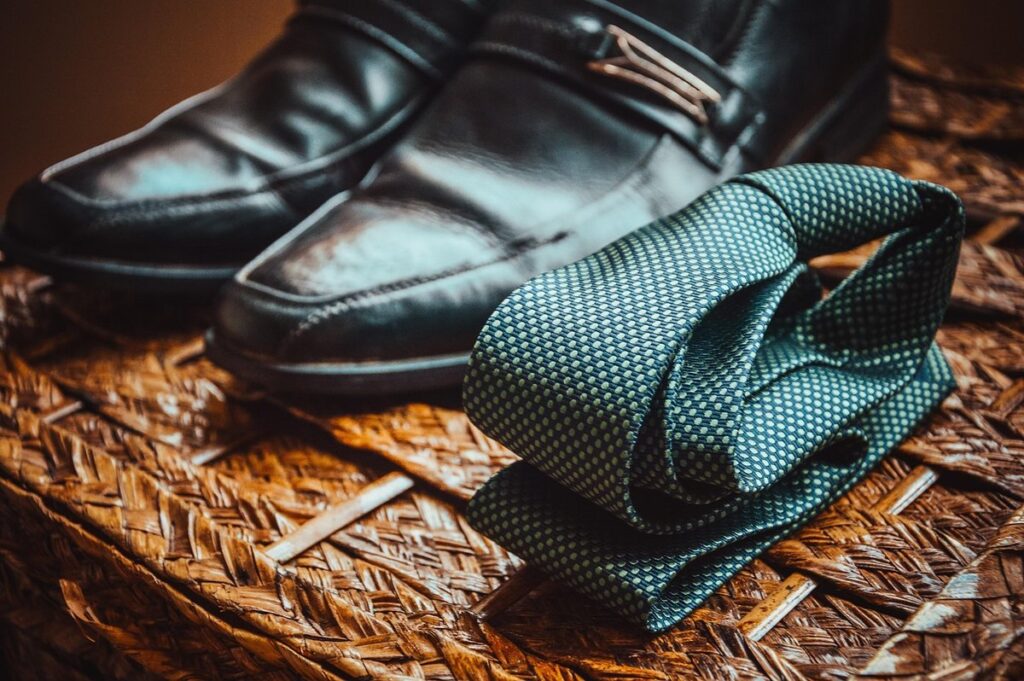
Shoes are an even more critical component. Make sure they’re clean and polished for a put-together look. Black dress shoes can be worn with both formal and casual attire, making them an essential item in any man’s wardrobe. Loafers or boots add a more relaxed touch to an outfit, but still require attention to detail – ensure they’re scuffed-free and properly laced.
A good rule of thumb is to limit your belt and shoe choices to 2-3 core styles each that can be mixed-and-matched with your existing wardrobe pieces. This approach will simplify your decision-making process while maintaining a cohesive look.
Mixing and Matching: Creating New Outfits from Basics
Now that you have a solid foundation of basics, let’s talk about how to combine them to create fresh outfits without having to constantly shop. Mixing and matching is where the magic happens in building a versatile wardrobe.
Building a Single Outfit from Multiple Pieces
When it comes to creating new outfits from basic pieces, the goal is to mix and match items in a way that feels intentional and polished. A good starting point is to identify anchor pieces – a classic white shirt, a pair of well-fitting jeans, or a tailored blazer – and build around them. For example, you might layer a graphic T-shirt under the white shirt for a more relaxed look, or swap in a patterned tie for a pop of color.
Consider the 3-piece rule: if an outfit is composed of three pieces or fewer, it’s often easier to create a cohesive look. Try pairing your anchor piece with a simple accessory, like a quality watch or a slim belt, and see how the overall aesthetic comes together. Don’t be afraid to experiment with different combinations – you might be surprised at what works.
When creating new outfits from basics, focus on 80/20 dressing: 80% of the time, you likely wear 20% of your clothes. Identify those staples and make sure they’re versatile enough to be mixed and matched in multiple ways.
Experimenting with Patterns, Colors, and Textures
Combining different patterns can be challenging, but it’s also an opportunity to create unique and stylish outfits. Start by pairing one bold pattern with a solid-colored piece, such as wearing a striped shirt with dark jeans. The key is balance – if the pattern is loud, keep the rest of the outfit simple.
Consider the 60-30-10 rule: allocate 60% of your outfit to a dominant color or pattern, 30% to a secondary element, and 10% to an accent piece. For example, wear a navy blue shirt with white pants (60% navy), add a striped tie in gray and white (30%), and finish with a red pocket square (10%). Experimenting with colors is just as crucial – try pairing earthy tones like olive green with rich browns or deep blues.
Textured pieces can also add depth to an outfit. Mix a smooth dress shirt with a tweed jacket or a pair of chunky boots with slim-fit trousers. When combining patterns, textures, and colors, remember that less is often more – one statement piece can elevate an entire outfit, while too many elements can overwhelm the senses.
Advanced Techniques: Creating Your Own Style
Now that you have a solid foundation, it’s time to take your wardrobe to the next level by experimenting with unique pairings and combinations to create a truly personal style. This is where creativity and experimentation come into play.
Understanding Silhouette and Proportion
When it comes to dressing well, understanding silhouette and proportion is key to creating a balanced look. Silhouette refers to the overall shape of your body as defined by the lines of your clothing, while proportion deals with the relationship between different parts of your outfit. A good balance between silhouette and proportion creates a visually appealing appearance.
To achieve this balance, consider the fit of your clothes. Clothes that are too loose can make you appear larger than you are, while those that are too tight can accentuate areas you’d rather not draw attention to. Look for pieces with clean lines, classic cuts, and minimal embellishments. Avoid overwhelming patterns and bold colors, as they can disrupt the balance.
A good starting point is to focus on a few high-quality, well-fitting items such as a tailored blazer, dark jeans, and a crisp white shirt. These basics provide a solid foundation for building a balanced silhouette. Pay attention to how these pieces interact with each other – try pairing different combinations to see what works best for your body type.
Breaking the Rules: How to Wear What You Want
Wearing what you want requires a certain level of confidence and self-assurance. It means being aware of societal norms but not being bound by them. One way to cultivate this mindset is by understanding that personal style is subjective, and what works for one person may not work for another.
Rather than trying to conform to someone else’s idea of what looks good, focus on creating a style that reflects your personality, lifestyle, and body type. Experiment with different combinations of pieces until you find what makes you feel confident and comfortable. Remember, fashion is a form of self-expression, and there’s no one-size-fits-all approach.
For instance, if you’re short, pair slim-fit trousers with a longer jacket to create a balanced silhouette. If you have broad shoulders, balance them out with fitted tops or V-necks. The key is to find a system that works for your body and stick to it. By embracing individuality in style, you’ll be more likely to own what you wear rather than being intimidated by societal expectations.
Frequently Asked Questions
Can I Still Build a Basic Wardrobe on a Budget?
Yes, building a basic wardrobe on a budget requires patience and strategic shopping. Look for timeless pieces at affordable prices, shop during sales, and consider second-hand stores or online marketplaces.
How Do I Know If I’m Overdoing It with the Number of Essentials?
The ideal number of essentials varies depending on your lifestyle and personal preferences. A general rule of thumb is to aim for a core wardrobe of 20-30 pieces that can be mixed and matched to create multiple outfits.
What If My Body Shape Is More Complex, Like a Rectangle or an Inverted Triangle?
While the article focuses on understanding body shapes in general, rectangles and inverted triangles require more nuanced approaches. Consider seeking personalized advice from a stylist or using online resources tailored to your specific shape for guidance on dressing effectively.
Can I Mix High-End Pieces with Basics?
Yes, mixing high-end pieces with basics can elevate your overall wardrobe. The key is balance: incorporate one statement piece into an outfit and pair it with more affordable basics to avoid overwhelming the look.
How Often Should I Update My Wardrobe?
Updating your wardrobe regularly keeps your style fresh and prevents stagnation. Plan to update 10-20% of your wardrobe every season, replacing old or worn-out pieces with new essentials that fit your evolving style.