
Nature crafting has become an increasingly popular way to connect with the outdoors while creating unique, handmade items. By using natural materials such as leaves, twigs, rocks, and flowers, you can create beautiful and functional pieces that not only reduce waste but also promote sustainability. This approach to crafting encourages a deeper appreciation for nature’s beauty and versatility. However, many people are unsure where to start or how to incorporate natural materials into their projects.
In this guide, we’ll explore various techniques and projects that showcase the benefits of using natural materials in handmade items. You’ll learn about the different types of natural materials you can use, how to collect and prepare them, and tips for combining them with other crafting supplies. From simple decorative accents to functional home goods, our comprehensive guide will provide you with the knowledge and inspiration to start creating your own nature-inspired crafts. By the end of this article, you’ll be able to identify and work with natural materials to create unique handmade items.
What is Nature Crafting?
At its core, nature crafting is all about using natural elements to create unique and meaningful items that connect us to the outdoors. Let’s explore what makes nature crafting so special.
Defining Nature Crafting
Nature crafting has its roots in various cultures and traditions, where people have long used natural materials to create functional and decorative items for their daily lives. From ancient civilizations’ use of plant-based dyes and woven fibers to modern-day crafters’ exploration of new materials and techniques, nature crafting has evolved over time. In many indigenous cultures, nature crafting is not only a creative activity but also a way to honor the land and its resources.
The significance of nature crafting lies in its ability to connect people with the natural world. By working with materials that come from the earth, crafters develop an appreciation for the cycles of nature and the interconnectedness of all living things. This connection can have a profound impact on one’s well-being and sense of purpose. To get started with nature crafting, consider exploring local resources such as parks, forests, or beaches to discover what materials are available in your area. Observe the changing seasons and how they affect the types of materials that can be found.
Benefits of Nature Crafting
Nature crafting offers a unique combination of therapeutic benefits and creative stimulation. Research has shown that spending time outdoors and engaging with natural materials can lower cortisol levels, reduce stress and anxiety, and even alleviate symptoms of depression. By incorporating nature crafting into your routine, you can experience these benefits firsthand.
One way nature crafting promotes relaxation is by allowing you to disconnect from screens and immerse yourself in the present moment. As you collect and work with natural materials, your mind becomes focused on the task at hand, quieting the constant stream of thoughts and worries that often dominate our lives.
In addition to its therapeutic effects, nature crafting can also stimulate creativity and imagination. By working with a wide range of natural materials – from leaves and twigs to seeds and shells – you’re forced to think outside the box and explore new possibilities. This creative freedom can be particularly empowering for those who struggle with traditional crafting methods or find themselves stuck in a rut.
To get started, try setting aside a small amount of time each week to gather natural materials and experiment with different techniques. You might begin by collecting a few leaves and experimenting with simple collages or pressed flower art. From there, you can gradually expand your repertoire and explore more complex projects – but the key is to approach nature crafting with an open mind and a willingness to learn.
Gathering Materials from Nature
When foraging for natural materials, it’s essential to know what plants and elements are safe to use in your crafting projects. Learn how to identify and harvest these resources sustainably.
Identifying Safe and Sustainable Sources
When foraging for materials from nature, it’s essential to identify safe and sustainable sources. This involves understanding local regulations and avoiding endangered species. Start by researching the plants and animals native to your area, as well as those that are protected or restricted.
Check with local authorities for any permits required for collecting specific materials, such as plants, seeds, or stones. Familiarize yourself with local laws regarding the harvesting of wild materials, including restrictions on quantities, seasons, and locations. A small minority of species may be regulated due to their vulnerability, so it’s crucial to verify their status before collection.
To ensure sustainability, collect only what you need, leaving enough for other creatures and future use. When collecting from public spaces like parks or forests, follow guidelines provided by park rangers or forest service websites. Be mindful of private property rights, too – always obtain permission before entering a private area to collect materials.
Collecting Seasonal Materials
Collect seasonal materials like leaves, twigs, and flowers when they’re at their peak freshness and texture. For example, collect oak leaves in autumn for their rich, deep colors, while pine needles are best gathered in the spring when their fragrance is strongest. Flowers like lavender and chamomile should be picked on a dry day to prevent damage from excess moisture.
To preserve and dry these materials for future use, tie bundles of flowers or herbs with twine and hang them upside down in a warm, dry place. Alternatively, spread out individual leaves or petals on paper towels and let them air-dry completely before storing them in airtight containers. For delicate items like seed pods or shells, consider pressing them between sheets of cardboard or newspaper to flatten them.
When collecting seasonal materials, be mindful of the environment and only take what you need. Avoid damaging plants or disrupting their natural habitats. Consider visiting the same spots at different times to see how the materials change with the seasons – this can inspire new creativity in your nature crafting projects.
Crafting Techniques and Projects
As you continue on your nature crafting journey, let’s explore some creative techniques for combining natural materials to create beautiful and unique pieces. We’ll share a variety of projects that showcase these methods in action.
Basic Knotting and Twisting
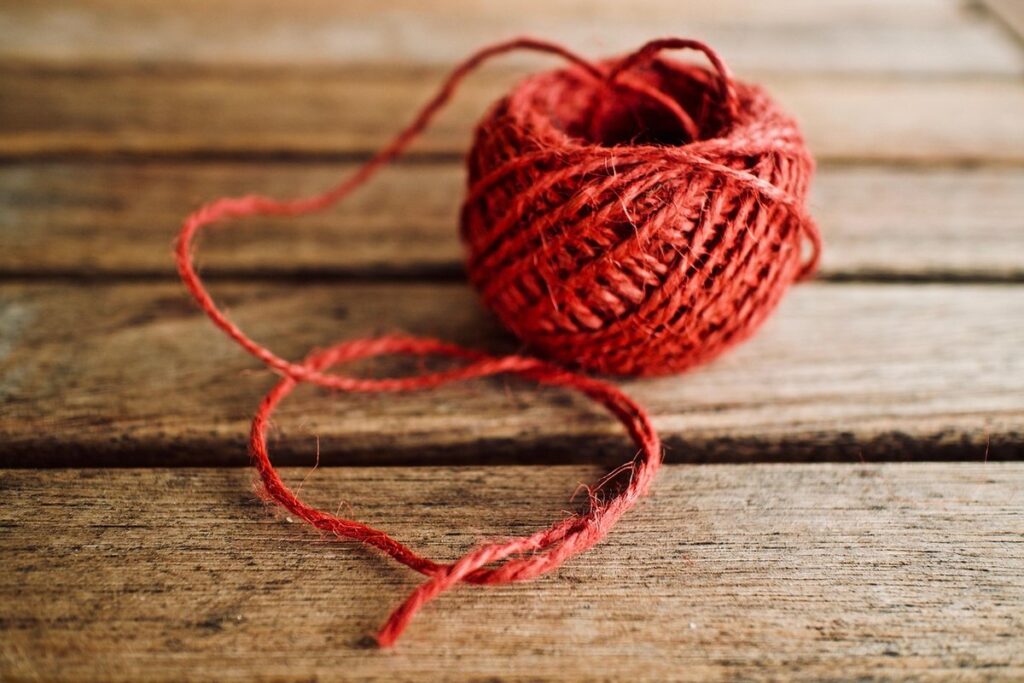
To begin working with natural fibers like twine and cordage, you’ll want to learn basic knotting and twisting techniques. This will allow you to manipulate these materials into a variety of useful shapes and forms.
Start by learning simple knots such as the square knot (also known as the reef knot) and the bowline. The square knot is useful for joining two ends of twine or cordage together, while the bowline creates a secure loop at the end of a length of material. Practice tying these knots until you feel comfortable with them.
Twisting is another essential technique to master when working with natural fibers. You can twist two strands of material together to create a thicker rope or braid-like texture. This is particularly useful for creating decorative elements like woven wall hangings or basketry. To get started, simply hold two lengths of twine in each hand and begin twisting them in the same direction.
For beginners, it’s best to start with short lengths of material and gradually increase the length as you become more comfortable with the technique. This will help prevent tangles and make it easier to manage the fibers.
Advanced Projects: Weaving and Dyeing
Weaving and dyeing are two advanced nature crafting techniques that require patience, skill, and a deep understanding of natural materials. For those who have mastered basic knotting and twisting, these projects offer a new level of challenge and creativity.
To weave baskets, you’ll need to select sturdy branches or reeds with a consistent diameter. Look for plants like willow, dogwood, or cattails that can be bent into desired shapes without breaking. Use a simple over-under pattern to create a strong and attractive basket. You can also add texture and interest by incorporating natural fibers like wool or cotton.
When creating natural dyes from plants, it’s essential to understand which pigments will produce the desired colors. For example, indigo leaves produce deep blues, while marigold flowers yield vibrant yellows. To create a range of shades, experiment with varying concentrations of plant material and soaking times. Some common natural dyes include turmeric, pomegranate rinds, and walnut hulls. Keep in mind that results may vary depending on the specific plant, water temperature, and other factors.
Decorative and Functional Items
Now that you have a solid foundation in nature crafting basics, let’s focus on decorating your space with functional pieces made from natural materials. These decorative items will bring your creations to life.
Natural Dyes for Fabric and Paper
When working with natural dyes for fabric and paper, it’s essential to understand that different plants will yield a wide range of colors. For instance, turmeric roots produce a vibrant yellow, while pomegranate rinds create a deep orange-red hue. To achieve these varied shades, you’ll need to experiment with different ratios of plant material to water, as well as the length of time you allow for dyeing.
Some plants are particularly effective at creating soft pastel colors. For example, lavender buds produce a delicate lilac shade when used in hot water. Conversely, indigo leaves will yield a deep blue or even purple tone depending on the mordant you use. It’s also worth noting that some natural dyes may require additional processing steps before they can be applied to fabric or paper.
A simple recipe for a natural dye involves boiling 1 cup of plant material in 2 cups of water, then straining and allowing the mixture to cool. This process is often repeated several times to achieve the desired intensity of color. Some plants are best used as fresh materials, while others will produce better results if dried or ground into a powder first.
Crafting with Seeds, Pods, and Shells
When working with seeds, pods, and shells, it’s essential to consider their natural shape, texture, and color. Seeds can be strung onto twine or wire to create unique pendants or ornaments. For example, you can use a single large seed like a sunflower or pumpkin seed as the centerpiece of a necklace. Pods, such as acorns or pinecones, can be used to add a natural, earthy feel to any arrangement.
Shells are another versatile material for crafting, particularly when it comes to jewelry-making. You can use them to create earrings, pendants, or even entire necklaces. Consider combining shells with other natural materials like twigs, leaves, or feathers to add texture and interest.
To get the most out of your seeds, pods, and shells, experiment with different glazes and finishes. A clear coat can help preserve their natural beauty, while a colored glaze can enhance their visual appeal. You can also combine these materials in creative ways, such as filling a shell pendant with dried flowers or using a seed as the focal point of a brooch.
When working with fragile materials like shells or seeds, remember to handle them gently and use a strong adhesive like epoxy or hot glue to secure them in place.
Home Decor and Seasonal Displays
Nature-inspired home decor is a beautiful way to bring the outdoors in, and we’ll explore some creative ideas for seasonal displays that add warmth and personality to your space.
Nature-Inspired Centerpieces and Arrangements
When it comes to incorporating nature into your home decor, creating stunning centerpieces and arrangements is a great way to bring the outdoors in. Start by gathering seasonal materials like branches, leaves, pinecones, and flowers, which can be arranged in a vase or bowl to create a beautiful centerpiece.
Consider the space where the arrangement will sit – for example, if it’s near a window, choose materials that won’t fade quickly due to direct sunlight. For a more dramatic effect, group similar items together in odd numbers (e.g., three branches of varying lengths) rather than creating symmetrical arrangements.
Some popular nature-inspired centerpiece ideas include:
• Using a hollowed-out log as a vase for flowers or greenery
• Creating a mobile with wire and shells or feathers
• Building a mini terrarium using small rocks, moss, and tiny plants
When arranging your materials, experiment with different textures and colors to add depth and visual interest. You can also incorporate found objects like pinecones, acorns, or seed pods to add an extra layer of meaning to the piece. With a little creativity, you can create beautiful nature-inspired centerpieces that bring warmth and character to any indoor or outdoor space.
Seasonal Crafting: Celebrating the Cycles of Nature
Incorporating seasonal themes into nature crafting is a wonderful way to connect with the cycles of nature. As each season unfolds, new materials become available, offering endless opportunities for creative expression. To create seasonal projects, start by observing what’s blooming, falling, or growing in your area.
Summer brings an abundance of colorful flowers and lush foliage, perfect for making wreaths, garlands, and crowns. Try combining daisies, sunflowers, and baby’s breath to create a bright and cheerful summer bouquet. For autumn, collect fallen leaves and use them to create stunning leaf garlands or press them between pages to make beautiful ephemeral art.
Winter brings its own unique charm with bare branches, pinecones, and snowflakes. Use these materials to craft delicate mobiles or ornaments that capture the season’s serenity. Spring, with its renewal and growth, is an ideal time for seed bombs, paper flowers, and other projects that celebrate new life. By embracing the changing seasons, you’ll not only stay connected to nature but also continually inspire your creativity.
Tips and Tricks for Advanced Crafters
For advanced crafters, this is where you can take your skills to the next level by mastering intricate techniques and pushing the boundaries of nature-inspired art. Let’s explore some expert-level tips for truly exceptional pieces.
Experimenting with New Materials and Techniques
Experimenting with new materials and techniques is an exciting aspect of nature crafting. Experienced crafters often seek to push the boundaries of what’s possible using natural materials. One area worth exploring is natural adhesives, which can be derived from plant-based sources such as tree resin, pine sap, or even egg whites.
When working with natural adhesives, it’s essential to understand their properties and limitations. For example, some adhesives dry quickly while others may take longer to set. This knowledge will help you choose the right adhesive for your project. You can also experiment with combining different adhesives to achieve unique effects.
In addition to natural adhesives, consider exploring new finishes like beeswax or plant-based oils. These can add texture and protection to your finished pieces without compromising their natural appearance. To get started, research various natural adhesives and finishes, then test them on a small scale before committing to a larger project. Keep in mind that some natural materials may require special handling or preparation, so be sure to follow proper safety protocols when working with them.
Some natural materials and techniques worth experimenting with include:
• Natural dyes derived from plants like indigo, madder root, or turmeric
• Using seed pods as a unique material for weaving or crafting
• Incorporating mineral pigments into your work for added depth and color
Showcasing Your Creations: Photography and Presentation
When showcasing your nature-crafted items, photography and presentation are just as important as the crafting process itself. This is because high-quality visuals can make a significant difference in how your creations are perceived by others.
To begin with, choose a clean and clutter-free background that complements the natural materials used in your craft. A plain colored tablecloth or a rustic wooden board can work well. Consider using natural light to create soft shadows and add depth to your images.
When photographing your nature-crafted items, experiment with different angles and composition styles. For example, you can capture a close-up shot of intricate details or step back to show the item in its entirety. A shallow depth of field can help draw attention to specific textures or patterns.
For presentation, consider using biodegradable materials like twigs, leaves, or dried flowers to add an organic touch. You can also use decorative items made from natural materials like woven baskets or shells to create a cohesive display.
Frequently Asked Questions
Can I use materials collected from my backyard for nature crafting projects?
Yes, you can use materials collected from your backyard, but make sure to identify them correctly and ensure they are safe for crafting. Check the article’s section on “Identifying Safe and Sustainable Sources” for tips on responsible sourcing.
How do I preserve natural materials like leaves and flowers for long-term use in nature crafting projects?
To preserve natural materials, you can air-dry them or use a desiccant to remove moisture. You can also press them between sheets of paper or cardstock to flatten and dry quickly. Check the article’s section on “Collecting Seasonal Materials” for more tips on preserving materials.
What if I accidentally harm an endangered species while collecting natural materials? How do I ensure sustainability in my nature crafting practices?
If you accidentally harm an endangered species, research local regulations and take steps to mitigate any damage. To ensure sustainability, always source materials responsibly, avoid over-harvesting, and consider alternative materials that are abundant and non-threatened.
Can I use natural dyes on synthetic fabrics like nylon or polyester?
No, natural dyes may not adhere well to synthetic fabrics. They work best with natural fibers like cotton, wool, and silk. If you want to create nature-inspired patterns on synthetic fabrics, consider using fabric paint or markers instead.
How do I showcase my nature-crafted items in a way that highlights their unique qualities and materials?
To showcase your nature-crafted items effectively, take high-quality photographs that highlight the textures, colors, and details of the natural materials used. Consider displaying them in a setting that evokes a sense of connection to nature, such as a vase with fresh flowers or a bowl filled with river rocks.

