
You’ve probably noticed that cluttered living spaces can feel overwhelming and anxiety-inducing. On the other hand, homes filled with lush greenery and natural textures seem to radiate calmness. This contrast highlights the importance of incorporating natural elements into our home decor. Natural home decor is not just a trend; it’s a conscious choice that benefits both our physical and mental well-being. By using eco-friendly materials, adding plants to our spaces, and choosing sustainable textiles, we can create environments that promote relaxation and reduce stress levels. In this article, we’ll explore the ways in which natural home decor can improve your mental health, increase your sense of well-being, and provide a healthier living space. By the end of this piece, you’ll know how to integrate natural elements into your home decor to create a more calming and rejuvenating environment.
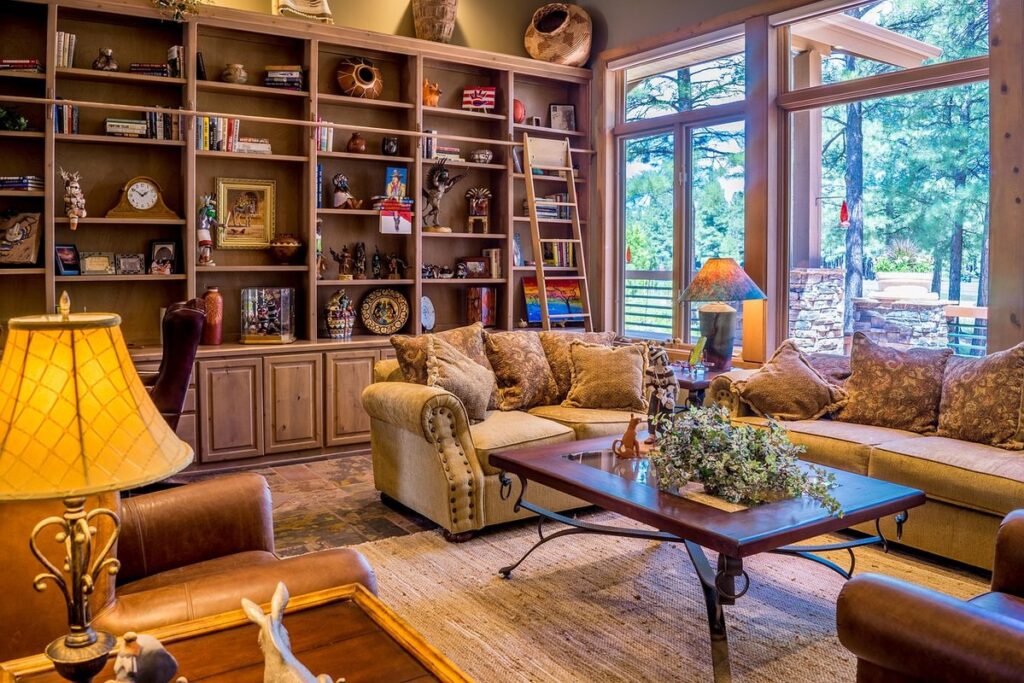
The Importance of Natural Home Decor
When it comes to creating a harmonious and sustainable space, incorporating natural elements into your home decor is essential for promoting relaxation and well-being. Let’s explore the significance of these elements in our living spaces.
Benefits of a Nature-Inspired Interior
Incorporating natural elements into your home decor can have a profound impact on both physical and mental well-being. For instance, research has shown that exposure to nature can lower cortisol levels, reducing stress and anxiety. This is particularly important for individuals living in urban environments where access to green spaces may be limited.
Increased exposure to natural light also plays a crucial role in regulating circadian rhythms, improving mood, and enhancing cognitive function. By incorporating elements such as plants, stone, or wood into your decor, you can simulate these benefits indoors.
Furthermore, nature-inspired interiors have been linked to improved mental health outcomes. Studies have demonstrated that patients recovering from surgery or experiencing mental health issues show improved recovery rates when surrounded by natural environments. While it’s not possible to replicate an entire forest in your living room, incorporating subtle nods to the great outdoors can still have a profound impact on overall well-being.
By prioritizing nature-inspired design elements, you can create a space that nurtures both body and mind.
Understanding the Concept of Biophilic Design
Biophilic design is an approach to interior design that seeks to reconnect people with nature. This concept has been gaining momentum in modern architecture and design as research continues to highlight the benefits of being surrounded by natural elements. By incorporating elements of nature, such as plants, water features, and natural materials, biophilic design aims to improve the physical and mental well-being of occupants.
A key aspect of biophilic design is the use of natural materials, which can be found in everything from wood flooring to stone countertops. These materials not only add a touch of organic charm but also help to purify the air and regulate indoor temperatures. In contrast, synthetic materials often associated with modern design can have negative health effects due to off-gassing.
Effective biophilic design requires more than just adding a few plants or a statement piece made from natural materials. It involves creating an immersive environment that fosters a sense of connection to nature. This might involve using large windows to bring in natural light, installing living walls, or incorporating water features like fountains or aquariums.
Sustainable Materials for Natural Home Decor
When choosing natural home decor, selecting sustainable materials is a crucial step towards creating an environmentally friendly space that you’ll love for years to come. We’re excited to share some of our favorite eco-friendly options to consider.
Eco-Friendly Wood Options
When it comes to incorporating wood into your natural home decor, there are many eco-friendly options available. One popular choice is reclaimed wood, which is sourced from old buildings, barns, and other structures that would otherwise be demolished. This not only reduces waste but also gives new life to materials that would have been discarded.
Bamboo is another sustainable option, as it’s a highly renewable resource that requires minimal water and pesticides to grow. It’s also incredibly durable and resistant to warping or cracking. Look for bamboo products with the FSC (Forest Stewardship Council) certification, which ensures that they’ve met rigorous sustainability standards.
FSC-certified hardwoods are also a great choice, as they’re harvested from well-managed forests that prioritize biodiversity and soil health. When shopping for wood products, be sure to check the label or ask the manufacturer about their sourcing practices. Some popular FSC-certified hardwood options include oak, maple, and cherry.
When working with wood, consider using eco-friendly finishes like plant-based oils or waxes instead of chemical-based varnishes. These alternatives not only reduce indoor air pollution but also offer a healthier environment for your family to enjoy.
Natural Fibers: Cotton, Jute, and Hemp
When it comes to natural fibers for home decor, cotton, jute, and hemp are top choices due to their durability and sustainability. These materials have been used for centuries in various forms of textiles, from clothing to upholstery.
Cotton is one of the most widely used natural fibers, known for its breathability and softness. When sourced responsibly, cotton can be a sustainable option, requiring less water and pesticides compared to synthetic fibers. Look for organic cotton or cotton grown using regenerative farming practices to ensure a reduced environmental footprint.
Jute, on the other hand, is often used in rug-making due to its natural resistance to moisture and abrasion. Jute rugs are not only eco-friendly but also add warmth and texture to a room. Hemp fibers are another durable option, offering excellent insulation properties while being resistant to mold and mildew. When choosing these materials for your home decor, consider the production process and sourcing to ensure they align with your values of sustainability.
When incorporating natural fibers into your space, remember that durability is key. With proper care and maintenance, cotton, jute, and hemp textiles can last for years, reducing the need for frequent replacements and waste generation.
Bringing Nature Indoors with Plants
Adding a touch of greenery to your space can have a profound impact on both ambiance and air quality. Let’s explore how incorporating plants into your home decor can bring a sense of calm and connection to nature indoors.
Benefits of Indoor Plant Care
Indoor plants are more than just aesthetically pleasing additions to your space. They play a crucial role in maintaining air quality and can significantly impact both physical and mental well-being. For instance, certain plants like peace lilies and spider plants have been shown to remove up to 87% of airborne toxins in as little as 24 hours.
Reduced stress levels are another key benefit of indoor plant care. Studies have found that being around plants can lower cortisol levels and boost mood. This is attributed to the calming effect of nature, which can be especially beneficial for those living in urban areas or working in office spaces with limited natural light.
In addition to improved air quality and reduced stress levels, indoor plants have also been linked to increased productivity. Research suggests that employees who work near plants are more focused and efficient, with some studies indicating a 15% boost in productivity. To reap these benefits, consider starting small by incorporating low-maintenance plants like succulents or air plants into your space.
Choosing Low-Maintenance Plants for Your Space
When selecting low-maintenance plants for your space, consider succulents and cacti. These water-storing plants are ideal for indoor conditions where sunlight and watering schedules can be unpredictable. Look for species with thick, fleshy leaves like aloe vera or agave, which can survive with minimal watering.
Some popular low-maintenance options include echeveria, crassula, and sedum. These plants thrive in bright, indirect light but can tolerate some shade. They’re also relatively small, making them perfect for compact spaces like apartments or offices.
When choosing a plant, inspect its leaves for signs of overwatering, such as softening or yellowing. Avoid plants with weak or spindly growth, which may indicate too little light.
To ensure your low-maintenance plants remain healthy, water sparingly and fertilize only during the growing season (spring-fall). Most succulents and cacti require repotting every 2-3 years to refresh their soil.
Natural Textiles and Fabrics
Natural textiles and fabrics bring warmth and character to a space, and choosing sustainable options is crucial for creating a harmonious home. From linen to hemp, we’ll explore some eco-friendly alternatives.
Sustainable Sourcing of Natural Textiles
When it comes to natural textiles, sustainable sourcing is crucial to ensure that the materials used for your home decor do not harm people or the environment. Look for suppliers who implement fair trade practices, which guarantee a living wage and safe working conditions for farmers and artisans. For example, Fair Trade Certified cotton ensures that cotton farmers receive a minimum price for their crops and have access to credit and training.
Many natural textile producers are also adopting environmentally-friendly production methods, such as organic farming, zero-waste policies, and renewable energy sources. These efforts not only reduce the industry’s carbon footprint but also promote biodiversity and soil health. When shopping for natural textiles, consider the following:
• Check for certifications like GOTS (Global Organic Textile Standard) or Oeko-Tex, which ensure that materials meet rigorous environmental and social standards.
• Research the producer’s supply chain to understand their sourcing practices and commitment to sustainability.
• Opt for materials with a high recycled content or those produced from regenerative agriculture practices.
Incorporating Natural Textiles into Your Home Decor
Incorporating natural textiles into your home decor is an excellent way to enhance indoor air quality while adding warmth and character to your space. Natural fibers like linen, wool, and silk are not only aesthetically pleasing but also have inherent properties that promote clean air circulation.
For instance, linen is known for its breathability and moisture-wicking abilities, making it an ideal choice for upholstery and bedding. Its natural texture allows for airflow, preventing the buildup of dust mites and other allergens. Similarly, wool fibers possess antimicrobial properties, which inhibit the growth of mold and bacteria.
When choosing natural textiles for your home decor, consider factors like sourcing and processing methods. Opt for materials that are certified organic or sustainably sourced to ensure minimal environmental impact. For example, look for linen products made from flax grown without pesticides or synthetic fertilizers.
To incorporate these natural textiles into your space, start by adding throw pillows and blankets in linen or wool. Update your bedding with a set of natural fiber sheets and comforter. You can also repurpose old furniture by reupholstering it with sustainable materials. By making these simple swaps, you’ll be well on your way to creating a healthier indoor environment that’s infused with the beauty of nature.
Creating a Calming Atmosphere with Nature-Inspired Colors
When it comes to creating a peaceful ambiance, nature-inspired colors can have a profound impact on our mood and well-being. By incorporating soothing shades like seafoam green and driftwood grey into your decor.
The Science of Color Psychology
Color has long been recognized as a powerful tool for influencing our emotions and behavior. The science of color psychology reveals that different hues can evoke distinct responses in us. For instance, blue is often associated with feelings of calmness and tranquility, while red can stimulate energy and activity. Understanding these color dynamics allows you to intentionally create an atmosphere that promotes relaxation.
The calming effects of blue are attributed to its prevalence in nature – think of a clear sky or a still ocean. In contrast, warm colors like orange and yellow tend to evoke feelings of warmth and comfort. When selecting colors for your space, consider how they will interact with natural light and the surrounding environment. A well-designed color palette can help mitigate stress and anxiety.
Incorporating calming colors into your home decor is as simple as painting a single wall or choosing soothing fabrics for furniture upholstery. By harnessing the power of color psychology, you can create an inviting space that promotes balance and serenity – essential components of a harmonious living environment.
Nature-Inspired Color Palettes for Your Space
Nature-inspired color palettes can transform your space into a serene oasis. Earthy tones such as sage green, sandy beige, and driftwood gray evoke feelings of calmness and stability. These hues are reminiscent of the natural landscape, bringing the outdoors in. To incorporate earthy tones into your decor, consider painting a single accent wall or using them for furniture upholstery.
Soothing blues, like sky blue and light azure, can also promote relaxation. When used in moderation, these colors can create a sense of tranquility without overpowering the space. Pair soothing blues with natural textures like woven baskets or wood accents to add depth and visual interest.
For a more nuanced approach, combine earthy tones with soothing blues to create a balanced palette. For example, pair sage green walls with light blue accent furniture for a harmonious blend of earthy and calming elements. Experiment with different ratios of each color to find the perfect balance for your space.
DIY Natural Home Decor Projects
Get creative and bring a personal touch to your space by learning how to make beautiful natural home decor pieces on a budget.
From reclaimed wood shelves to handmade candles, these projects will inspire you to get crafty.
Upcycling Old Furniture with Natural Materials
When upcycling old furniture with natural materials, consider using wood, rattan, and wicker to give new life to vintage pieces. Wood is a versatile option for refinishing or repurposing old furniture, as it can be stained, painted, or left unfinished to showcase its natural beauty. Rattan and wicker, on the other hand, add a unique texture and warmth to any space.
To incorporate rattan into your upcycling project, try using it for chair seats, ottomans, or even a headboard. You can also use wicker to create a one-of-a-kind coffee table or side table. When working with these materials, keep in mind that they may require some extra TLC to clean and maintain.
To give your upcycled piece an added touch of sustainability, opt for natural finishes like beeswax or plant-based oils instead of synthetic polishes. These finishes not only protect the material but also provide a subtle sheen without harming the environment. Some popular wood stains that work well with natural finishes include linseed oil and tung oil.
For a unique look, consider combining different materials, such as pairing reclaimed wood with rattan or wicker accents.
Creating a Nature-Inspired Gallery Wall
When selecting pieces for your nature-inspired gallery wall, consider a mix of frame styles, textures, and colors to create visual interest. Start by gathering prints, paintings, and other decorative items that resonate with the natural world, such as botanical illustrations, landscapes, or abstracts inspired by nature.
To add depth and dimension, incorporate different shapes and sizes into your arrangement. For example, pair a large landscape print with smaller botanical illustrations or a collection of framed leaves.
When it comes to displaying these pieces, consider repurposing reclaimed wood, natural fiber mats, or even old windows as frames to give new life to second-hand items. This approach not only reduces waste but also adds an authentic touch to your nature-inspired gallery wall.
For a cohesive look, tie the elements together with a unifying thread, such as a consistent frame style or color palette inspired by natural materials like driftwood or stone. By thoughtfully curating and arranging these pieces, you can create a visually stunning and sustainable art display that celebrates the beauty of nature.
Conclusion: Embracing Natural Home Decor for a Healthier You
Now that we’ve explored the principles of natural home decor, it’s time to tie everything together and create a space that truly nourishes your well-being. Let’s discuss how to integrate these elements into your daily life.
Recap of Key Takeaways
To create a harmonious and sustainable space, it’s essential to remember that natural home decor is not just about aesthetics; it also has a significant impact on our physical and mental well-being. A key takeaway from this article is the importance of incorporating biophilic design principles into your home. This involves using materials and elements that connect us with nature, such as natural fibers like cotton, jute, and hemp.
When choosing sustainable materials for your home decor, consider opting for reclaimed wood or sustainably sourced wood products. These options not only reduce waste but also add a unique touch to your space. Additionally, remember the significance of indoor plants in purifying the air and improving mental health. Some low-maintenance plant options include snake plants, spider plants, and succulents.
In terms of color palettes, nature-inspired hues such as blues, greens, and earthy tones can create a calming atmosphere in your home. These colors have been shown to reduce stress levels and promote relaxation. To incorporate natural textiles into your decor, look for sustainably sourced fabrics like linen, bamboo, or organic cotton.
When it comes to DIY projects, consider upcycling old furniture with natural materials or creating a nature-inspired gallery wall using reclaimed wood and plants. These small changes can make a significant impact on the overall ambiance of your space. To apply these principles in your own home, start by assessing your current decor and identifying areas where you can incorporate more natural elements.
Here are some actionable tips to help you get started:
- Begin with one room or area and focus on incorporating one or two biophilic design principles.
- Research local suppliers of sustainable materials for your furniture and decorative items.
- Experiment with different color palettes to find the ones that promote relaxation in your space.
- Start a small indoor garden by choosing low-maintenance plants and repurposing old containers.
Frequently Asked Questions
How can I incorporate natural home decor elements into my existing furniture?
You can update your existing furniture by repainting or refinishing it with eco-friendly materials. Consider using natural finishes like beeswax or linseed oil to give your furniture a sustainable makeover. Additionally, you can add plants, throw pillows, and blankets made from natural fibers to bring in the natural aesthetic.
What if I live in an apartment with limited space – how can I still make use of biophilic design principles?
Even small spaces can benefit from biophilic design. Consider using vertical gardens or wall-mounted planters to maximize your space while bringing in the benefits of plants. You can also use mirrors to create the illusion of a larger space and reflect natural light.
Can I use artificial plants as an alternative to real ones, or are they just as beneficial?
While artificial plants can be a convenient option, research suggests that real plants have a more profound impact on mental health and air quality. However, if you’re unable to care for live plants, choose high-quality artificial options that mimic the look and feel of real plants.
How do I know which natural materials are truly sustainable and eco-friendly?
Look for certifications like FSC (Forest Stewardship Council) or GOTS (Global Organic Textile Standard), which ensure that materials meet rigorous sustainability standards. Research the manufacturer’s practices, read reviews from other customers, and consider the product’s lifespan and recyclability.
What if I have allergies or sensitivities – can I still incorporate natural home decor elements?
While some natural materials like wool and silk can trigger allergies, many alternatives are available. Consider hypoallergenic options like bamboo or plant-based dyes to minimize exposure risks. Always test a small area before introducing new materials to your space.

