
Calmness is not just a state of mind, but a vital component of our overall well-being. When we’re feeling calm, we’re better equipped to handle life’s challenges and maintain a positive outlook. However, in today’s fast-paced world, it can be increasingly difficult to find moments of tranquility. Many of us struggle with stress and anxiety, which can lead to burnout, decreased productivity, and poor mental health.
But cultivating calmness is within reach. By incorporating simple mindfulness techniques into your daily routine, establishing good sleep hygiene, and learning effective stress management strategies, you can improve your mental clarity, reduce tension, and increase feelings of relaxation and serenity. This comprehensive guide will walk you through the essential practices to achieve a more balanced and peaceful state of being, equipping you with the tools to prioritize your well-being.
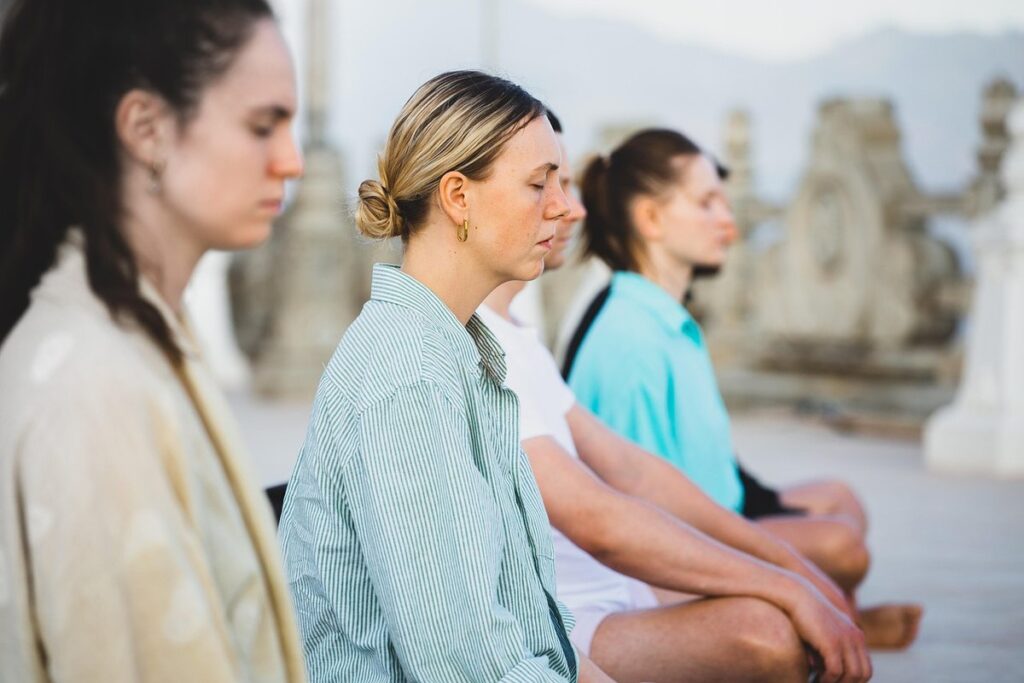
Understanding the Importance of Calmness
Calmness is essential for our well-being, and understanding its importance can help us prioritize it in our busy lives. In this crucial part of cultivating calmness, we’ll explore why it’s so vital to achieving overall health and happiness.
The Benefits of Calmness for Mental Health
Calmness has a profound impact on mental health, acting as a buffer against stress and anxiety. When we’re calm, our bodies produce fewer stress hormones like cortisol, which can contribute to feelings of overwhelm and fatigue. Reduced stress levels also allow us to regulate our mood more effectively, leading to improved emotional well-being.
In modern life, managing stress and anxiety is crucial for maintaining mental health. We face numerous sources of stress, from work deadlines to social pressures, that can leave us feeling frazzled and anxious. By cultivating calmness, we can better cope with these challenges and reduce our risk of developing conditions like depression and anxiety disorders.
To reap the benefits of calmness for mental health, it’s essential to prioritize relaxation techniques in your daily routine. This might involve setting aside dedicated time for mindfulness practices or incorporating calming activities into your daily schedule, such as yoga or reading. By making calmness a habit, you can improve your emotional resilience and better navigate life’s challenges with a clear mind and a sense of inner peace.
Reduced stress levels also allow us to think more clearly and make better decisions, which is especially important in high-pressure situations at work.
The Science Behind Calmness: What Happens in Our Brains
When we experience calmness, it’s not just a feeling – it’s also a complex neurological process. At the heart of calmness lies a delicate balance between neurotransmitters like GABA (inhibitory) and serotonin (excitatory). GABA, often referred to as “nature’s Valium,” helps regulate overactive neurons by slowing down their activity, promoting relaxation and reducing anxiety.
Meanwhile, serotonin is involved in mood regulation, appetite, and sleep. In a calm state, the levels of these neurotransmitters are typically balanced, with GABA inhibiting excessive neural firing and serotonin maintaining a sense of well-being. The prefrontal cortex, responsible for executive function and decision-making, also plays a key role in regulating emotions and reducing stress.
Research suggests that specific brain regions, such as the anterior cingulate cortex (ACC) and the insula, are involved in processing emotional experiences and responding to calmness cues. The ACC is thought to be particularly important in detecting and resolving conflicts between different emotional states, allowing us to transition from a state of anxiety or stress to one of calmness.
Techniques for Inducing Calmness
To calm your mind and soothe your soul, let’s explore some tried-and-true techniques that have been helping people find peace in chaotic times. These mindful practices are easy to incorporate into daily life.
Mindfulness Meditation: A Beginner’s Guide
To get started with mindfulness meditation, find a quiet space where you can sit comfortably without distractions. This could be a corner of your bedroom, a designated meditation room, or even outside in nature. The key is to create an environment that feels peaceful and calming.
Next, set aside dedicated time for your meditation practice. Start small, aiming for 5-10 minutes per session, and gradually increase the duration as you become more comfortable with the practice. You can use a timer or a guided meditation app like Headspace or Calm to help you stay on track.
Guided meditations are an excellent way to begin your mindfulness journey. These pre-recorded sessions lead you through various techniques and scenarios, helping you develop a consistent practice. Many apps also offer personalized meditation plans based on your goals and preferences. Experiment with different types of guided meditations, such as body scan or walking meditation, to find what works best for you.
When choosing a guided meditation, look for one that resonates with your current needs and emotions. Some popular options include focusing on stress relief, sleep improvement, or even mindful movement.
Deep Breathing Exercises for Instant Calming
Deep breathing exercises have been a staple of relaxation techniques for centuries. When done correctly, they can calm the nervous system and quiet the mind instantly. One key aspect to consider is diaphragmatic breathing, also known as belly breathing. This type of breathing engages the diaphragm, the primary muscle responsible for respiration. By focusing on the sensation of the diaphragm expanding and contracting in your abdomen, you can slow down your heart rate and lower blood pressure.
Another popular technique is the 4-7-8 breathing method. Also known as the “relaxation breath,” it involves inhaling through the nose for a count of four, holding the breath for a count of seven, and exhaling through the mouth for a count of eight. This can help slow down your heart rate and promote feelings of calmness.
To incorporate deep breathing exercises into your daily life, try setting aside a few minutes each morning to practice these techniques. You can also use them in moments of stress or anxiety throughout the day. Remember to focus on the sensations in your body and breathe naturally – don’t try to control your breath too much. With regular practice, you’ll find it easier to access this sense of calmness whenever needed.
Creating a Tranquil Environment
Creating a tranquil environment is all about intentionally cultivating peace and serenity in your daily life, starting from your own home. This involves carefully curating your surroundings to promote relaxation and calmness.
Decluttering Your Space: How It Affects Calmness
Clutter can have a profound impact on our mental state. When we’re surrounded by cluttered spaces, our brains are constantly bombarded with visual stimuli, making it difficult to focus and relax. Research has shown that clutter can increase stress levels and anxiety, while also decreasing productivity and creativity.
One of the main reasons clutter affects calmness is because it creates a sense of overwhelm. When we look around at piles of dirty laundry, stacks of paperwork, or messy countertops, our brains automatically start thinking about all the tasks that need to be done. This can lead to feelings of burnout and exhaustion.
To declutter your space effectively, try using the “one-touch rule.” This involves sorting items into categories (e.g., keep, donate, recycle) and handling each item only once. For example, when cleaning out a closet, take everything out and sort items into piles immediately. Then, put away or discard items in that same session.
Some other strategies for maintaining a tidy environment include:
- Setting aside 10-15 minutes each day to tidy up
- Implementing a “one-in-one-out” policy to prevent clutter from building up again
- Designating specific storage spaces for frequently used items
Using Color and Lighting to Promote Calmness
Choosing colors that promote calmness is a deliberate design decision. Consider the natural world – blues and greens are calming because they evoke feelings of serenity and growth. In contrast, bold reds and bright yellows stimulate the senses. For a calming atmosphere, opt for muted tones like sage green, light blue, or soft gray on walls, furniture, and decor.
Natural light has a profound impact on our mood. When possible, position yourself near windows to take advantage of its soothing effects. Even on cloudy days, natural light is preferable to artificial lighting, which can be harsh and unflattering. If you’re unable to place yourself in direct sunlight, use sheer curtains or blinds to filter the light.
Experiment with different types of artificial lighting, such as table lamps or floor lamps, to create a cozy ambiance. Dimmable lights allow for flexibility – adjust the brightness to suit your needs. Avoid overhead lighting, which can be harsh and unflattering. Soft, warm-toned lighting creates a calming atmosphere, whereas cool-toned lighting can stimulate the senses.
Advanced Techniques for Sustaining Calmness
As you’ve mastered the basics of cultivating calmness, it’s time to take your practice to the next level by exploring more advanced techniques that will help you sustain a sense of inner peace.
The Role of Physical Activity in Maintaining Calmness
Engaging in regular physical activity can have a profound impact on maintaining calmness. While it may seem counterintuitive to associate exercise with relaxation, certain forms of physical activity can actually promote a sense of calm and reduce stress levels. Yoga, for example, combines gentle stretches with deep breathing techniques to help quiet the mind and soothe the body. Walking or swimming at a leisurely pace can also be beneficial, as these low-intensity exercises allow you to focus on your surroundings without feeling overwhelmed.
When incorporating physical activity into your daily routine, consider scheduling it in the morning or early afternoon when stress levels tend to peak. Aim for activities that promote relaxation and mindfulness, such as tai chi or qigong, which combine slow movements with deep breathing and meditation techniques. By prioritizing physical activity and choosing exercises that foster calmness, you can create a more balanced approach to cultivating tranquility.
Sleep Hygiene: How It Affects Calmness
Sleep habits have a profound impact on our ability to feel calm and relaxed. When we don’t get adequate sleep, it can be challenging to regulate our emotions, making it harder to achieve a state of calmness. In fact, research shows that sleep deprivation can impair the functioning of the prefrontal cortex, which is responsible for emotional regulation.
Establishing a consistent sleep schedule is crucial in promoting calmness. Aim to go to bed and wake up at the same time every day, including weekends. This helps regulate your body’s internal clock and improves the quality of your sleep. Create a bedtime routine that signals to your brain that it’s time to wind down, such as reading a book or taking a warm bath.
Avoid screens for at least an hour before bed, as the blue light emitted can suppress melatonin production, making it harder to fall asleep. Instead, opt for relaxing activities like listening to calming music or practicing gentle stretches. By prioritizing sleep hygiene and establishing a consistent routine, you’ll be better equipped to manage stress and cultivate calmness in your daily life.
Cultivating Calmness in Daily Life
As we navigate our busy lives, it’s easy to get caught up in stress and anxiety. This section shares practical tips for infusing calmness into your daily routine.
Managing Stress at Work: Strategies for Success
Effective time management is a crucial stress-reducing strategy at work. Allocate specific times for tasks and breaks to maintain a sense of control over your workload. Prioritize essential duties and delegate responsibilities when possible.
Establishing clear boundaries with colleagues and supervisors helps prevent overcommitting and feelings of burnout. Be explicit about your availability, communicate deadlines, and avoid taking on too much. Set realistic goals and celebrate achievements to build momentum and confidence.
Self-care practices should not be neglected in a professional setting. Regular exercise can improve mood, reduce anxiety, and enhance focus. Aim for at least 30 minutes of physical activity per day, even if it’s just a short walk during lunch or stretching exercises at your desk. Consider scheduling breaks to meditate or practice deep breathing exercises.
Simple adjustments like these can significantly impact stress levels and overall well-being in the workplace. To further mitigate stress, consider using the Pomodoro Technique: work for 25 minutes, take a five-minute break, then repeat. This technique helps maintain focus and avoids burnout by providing regular breaks.
Bringing Calmness into Relationships
Effective communication is key to bringing calmness into relationships. When interacting with others, it’s essential to practice active listening – give the other person your undivided attention, and make an effort to truly understand their perspective. This can be as simple as putting away your phone or turning off the TV while engaged in conversation.
Healthy boundaries are also crucial for maintaining calmness in relationships. Establish clear expectations with others about what you’re comfortable discussing or participating in. For instance, if a friend tends to dominate conversations and leave you feeling drained, it’s okay to politely interrupt and steer the discussion towards more balanced topics.
In conflict situations, try using “I” statements instead of accusatory language. This helps to avoid blame and defensiveness, allowing for a more constructive exchange. For example, say “I feel overwhelmed when we discuss politics” rather than “You’re always so argumentative.” By prioritizing empathy and respect, you can diffuse tension and create a calmer atmosphere in your relationships.
Frequently Asked Questions
Can I use mindfulness meditation and deep breathing exercises together for even greater calmness?
Yes, combining these techniques can amplify their individual effects. Mindfulness meditation helps regulate your brain’s response to stress, while deep breathing exercises slow down your heart rate and lower blood pressure. By using both practices in tandem, you can experience a more profound sense of calm.
How long does it take for regular practice to start showing noticeable benefits?
Results may vary depending on individual circumstances, but research suggests that even short-term mindfulness practice (20-30 minutes daily) can lead to significant reductions in stress and anxiety within 2-4 weeks. Consistency is key, so aim to incorporate these techniques into your daily routine as soon as possible.
What if I’m not naturally inclined towards a regular exercise routine? Can I still benefit from physical activity for calmness?
Yes, you don’t need to be an avid athlete to reap the rewards of physical activity for calmness. Even gentle activities like walking or yoga can help regulate your mood and reduce stress levels. Begin with short sessions (10-15 minutes) and gradually increase duration as you become more comfortable.
Are there specific sleep habits that I should prioritize when trying to cultivate calmness?
Prioritize establishing a consistent sleep schedule, aiming for 7-9 hours of sleep each night. Create a relaxing bedtime routine by avoiding screens before bed, practicing gentle stretches, or engaging in calming activities like reading or listening to soothing music.
Can I still use color and lighting techniques if my living space has limited natural light?
While using natural light is ideal, you can still create a calm environment with artificial lighting. Experiment with different types of lighting, such as warm-toned bulbs or dimmable LED lights, which can evoke feelings of relaxation. Additionally, consider using calming colors on your walls or through decorative elements to enhance the ambiance.

