
The Midwest is often overlooked when it comes to national park destinations, but this region boasts some of America’s most unique and breathtaking natural wonders. From the towering sandstone cliffs of Indiana Dunes National Park to the serene waters of Ohio’s Cuyahoga Valley National Park, these parks offer a wealth of opportunities for outdoor enthusiasts. With over 60 million acres of protected land, the Midwest is home to scenic river oases, stunning waterfalls, and diverse wildlife viewing areas. Whether you’re a seasoned hiker or a family looking for a relaxing getaway, this region has something for everyone. In this article, we’ll explore the unique geological formations and scenic beauty of America’s national parks in the Midwest, highlighting the best spots for hiking, biking, boating, and wildlife watching. By the end of this guide, you’ll know exactly where to plan your next adventure.
Discovering America’s Hidden Gems
From tranquil lakeshores to rugged sandstone canyons, the Midwest is home to a treasure trove of lesser-known national parks waiting to be explored. Let’s take a closer look at these hidden gems!
What Makes a National Park
A national park is more than just a beautiful landscape – it’s a protected area set aside to preserve natural and cultural resources for future generations. To earn national park designation, an area must meet strict criteria established by the National Park Service. It typically requires a unique combination of geological features, ecosystems, or historical significance that sets it apart from other protected areas.
For example, the Indiana Dunes’ towering sand dunes are a result of 10,000 years of Lake Michigan’s erosion, while Sleeping Bear Dunes boasts equally impressive formations created by glacial movement. In contrast, the Effigy Mounds National Monument in Iowa features over 200 ancient earthworks built by Native American cultures.
National parks also serve as critical habitats for a wide range of plant and animal species, many of which are found nowhere else on Earth. The Cuyahoga Valley National Park, situated along the Ohio River, provides a vital link between the Appalachian Mountains and the Great Lakes watershed, supporting a diverse array of flora and fauna.
These designations aren’t arbitrary – they’re carefully considered to safeguard America’s natural heritage for generations to come.
Types of National Parks Found in the Midwest
The Midwest is home to a diverse range of national parks, each with its own unique characteristics and attractions. One of the most notable types of national parks found in the region are forests, such as the Shawnee National Forest in Illinois. These areas provide vital habitats for countless plant and animal species, including rare and endangered ones. The dense canopy and varied terrain of these forests also make them ideal for hiking, camping, and other outdoor activities.
In addition to forests, many national parks in the Midwest are designated as lakeshores or lake-based recreation areas. For example, Sleeping Bear Dunes National Lakeshore in Michigan features towering sand dunes along the shores of Lake Michigan, while Indiana Dunes National Park showcases a unique blend of sand dunes and wetlands along Lake Michigan’s southern shore.
Wildlife refuges also play an important role in the Midwest national park landscape. These protected areas provide vital breeding grounds for migratory birds and habitats for native species such as white-tailed deer and black bears.
Indiana Dunes and Sleeping Bear Dunes: Unique Geological Formations
The Midwest is home to some of the most breathtaking dune formations in the country, including the towering sand dunes at Indiana Dunes National Park. Let’s take a closer look at these natural wonders.
The Indiana Dunes National Park
The Indiana Dunes National Park is a unique gem along Lake Michigan’s shoreline. Located just 50 miles southeast of Chicago, it offers a diverse landscape shaped by glaciers during the last ice age. The park’s geology is characterized by sand dunes, beaches, and forests, creating an environment that supports over 350 species of plants and animals.
The park’s history dates back to the early 20th century, when efforts were made to preserve the area’s natural beauty. In 1966, it was officially designated as a national lakeshore, and in 2019, its status was upgraded to a national park. This change acknowledges the park’s geological significance and importance as a unique ecosystem.
Visitors can explore the park’s shoreline along Lake Michigan, where they’ll find towering sand dunes, beaches, and scenic overlooks. The Calumet Dune Trail, a 4-mile hiking path, offers stunning views of the lake and surrounding landscape. In addition to its natural beauty, the Indiana Dunes National Park also provides opportunities for outdoor activities such as swimming, fishing, and birdwatching.
The Sleeping Bear Dunes National Lakeshore
The Sleeping Bear Dunes National Lakeshore is a breathtaking destination along Lake Michigan’s eastern coast. The park’s unique geology is shaped by the movement of glaciers, which carved out the landscape and created towering sand dunes that rise over 450 feet above the lake’s surface. Hike the Dune Climb, a steep ascent to the top of the highest dune, or explore the forested valleys below.
The park’s diverse ecosystems support a wide range of plant and animal life, including maple, beech, and pine forests, as well as wetlands and shoreline habitats. Take a scenic drive along the Pierce Stocking Scenic Drive for stunning views of the lake and surrounding landscape. For a more leisurely experience, rent a kayak or canoe and paddle through the calm waters of Lake Michigan.
Be sure to visit the Sleeping Bear Dunes Visitor Center to learn more about the park’s natural and cultural history. Rangers offer guided programs and walks throughout the summer months, providing insight into the park’s unique geology and ecosystems.
Illinois’ Shawnee Forest: A Prairie State Gem
Located on nearly 280,000 acres of land along the Ohio River, Shawnee National Forest is a treasure trove of natural beauty. This vast wilderness area offers endless opportunities for outdoor adventure and exploration.
History of the Shawnee Forest
The Shawnee Forest’s history dates back to the 1930s when President Franklin D. Roosevelt created the Shawnee National Forest through a land transfer from the U.S. Army and private owners. This move marked a significant shift in conservation efforts, as it allowed for the protection of millions of acres of woodland and prairie. Prior to its establishment, the area was primarily used for farming and timber harvesting.
One key factor contributing to the forest’s creation was the devastating effects of the Dust Bowl on southern Illinois’ soil and economy. The severe droughts and poor agricultural practices had left the region vulnerable to erosion, making the preservation of natural habitats a pressing concern. By setting aside this land as a national forest, policymakers aimed to restore native ecosystems and promote sustainable land use.
Today, visitors can explore remnants of the Shawnee National Forest’s logging past through designated trails and scenic drives. The forest’s unique blend of woodland and prairie ecosystems supports diverse wildlife populations, making it an essential stop for nature enthusiasts exploring Illinois’ natural beauty.
Ecological Significance of the Shawnee Forest
The Shawnee Forest plays a vital role in supporting regional biodiversity, with its diverse habitats providing a haven for an array of plant and animal species. As part of the Illinois Ozark region, the forest’s unique geology and geography create a microclimate that allows certain species to thrive. For instance, the forest is home to several rare and endangered plants, including the American ginseng and the lady fern.
The Shawnee Forest also serves as a crucial corridor for migratory animals, such as white-tailed deer, wild turkey, and black bears. These creatures rely on the forest’s vast network of streams, rivers, and wetlands to survive their seasonal migrations. In addition to supporting biodiversity, the forest provides essential ecosystem services like air and water filtration, soil erosion prevention, and carbon sequestration.
Visitors to the Shawnee National Forest can observe these ecological processes firsthand by exploring its many trails and scenic drives. To maximize the experience, consider visiting during spring when wildflowers are in bloom or autumn when foliage is at its peak. By taking a moment to appreciate the natural beauty of the Shawnee Forest, visitors can gain a deeper understanding of the interconnectedness between species and their habitats.
Ohio’s Cuyahoga Valley: A Scenic River and Waterfall Oasis
The Cuyahoga River, a hidden gem within Ohio’s national park, offers breathtaking scenery and tranquil atmosphere that will leave you mesmerized. Let’s take a closer look at its picturesque waterfalls and lush surroundings.
The Cuyahoga Valley National Park
The Cuyahoga Valley National Park is a hidden gem nestled between Cleveland and Akron in northeastern Ohio. This scenic river valley boasts 125 miles of winding rivers, streams, and waterfalls, earning it a reputation as one of the most beautiful and biodiverse areas in the country.
As you explore the park’s hiking trails, you’ll discover over 100 species of birds, including the Cerulean Warbler and the Pileated Woodpecker. Keep an eye out for white-tailed deer, river otters, and even the occasional black bear. The Cuyahoga River flows gently through the valley, supporting a rich aquatic ecosystem.
One of the park’s most impressive attractions is Brandywine Falls, a 65-foot waterfall that plunges into a scenic gorge. Visitors can hike to the falls via a moderate, 1-mile trail or take in the views from the nearby observation deck. For a more leisurely experience, grab a coffee and sit on the patio at the Boston Store Visitor Center, which offers stunning views of the surrounding valley.
The park’s diverse landscapes are also home to remnants of human history, including old mill sites and farmsteads. Take a stroll along the Towpath Trail, an abandoned canal bed turned rail trail that’s now perfect for walking or biking.
Hiking and Biking Opportunities in the Cuyahoga Valley
The Cuyahoga Valley National Park boasts an extensive network of hiking and biking trails that cater to all skill levels. The park’s 125 miles of trails range from easy strolls along the riverfront to more challenging climbs through scenic gorges. For those seeking a leisurely experience, the Towpath Trail follows the historic Ohio & Erie Canalway and offers stunning views of the Cuyahoga River. This 4.5-mile trail is perfect for families or beginners.
More adventurous travelers can tackle the Ledges Overlook Trail, a 3.5-mile out-and-back hike that takes you through lush forests and along sheer rock faces. The Buckeye Trail also runs through the park, offering a more challenging 20-mile loop for experienced hikers. Biking enthusiasts will appreciate the Cuyahoga Valley Scenic Railroad’s rail-trail conversion project, which will eventually connect the Towpath Trail to other regional trails.
In addition to these trails, the park offers guided tours and self-guided excursions that highlight its unique geology, history, and wildlife habitats. For a more immersive experience, consider joining a ranger-led nature walk or bike tour during peak season. Always remember to check trail conditions and difficulty levels before embarking on your adventure to ensure a safe and enjoyable experience in the Cuyahoga Valley.
Iowa’s Effigy Mounds: Ancient Earthworks and Wildlife Habitat
Deep within Iowa’s rolling hills, a network of mysterious earthworks tells the story of ancient civilizations that once thrived here. We’ll take a closer look at these fascinating mounds.
The Effigy Mounds National Monument
The Effigy Mounds National Monument is a 2,530-acre park located along the Upper Iowa River in northeastern Iowa. The monument protects a unique collection of over 200 earthwork mounds built by Native American cultures between 500 and 700 years ago. These mounds are not only remarkable for their age but also for their artistic expression – many have been intentionally shaped to resemble animals, with examples including bear, panther, and eagle shapes.
The mounds were likely used for ceremonial purposes, such as worshiping the spirits of ancestors or honoring the sacred animals depicted in the earthworks. The monument’s cultural significance extends beyond its own site; it is also connected to other regional archaeological sites, demonstrating a shared cultural heritage among Native American groups.
A self-guided driving tour and short trails allow visitors to explore the mounds at their own pace, while ranger-led programs and exhibits provide insight into the history and significance of these ancient earthworks. The monument’s diverse landscape, which includes forests, prairies, and wetlands, also supports a wide range of plant and animal species, making it an excellent spot for wildlife viewing and photography.
Wildlife Viewing Opportunities in Effigy Mounds
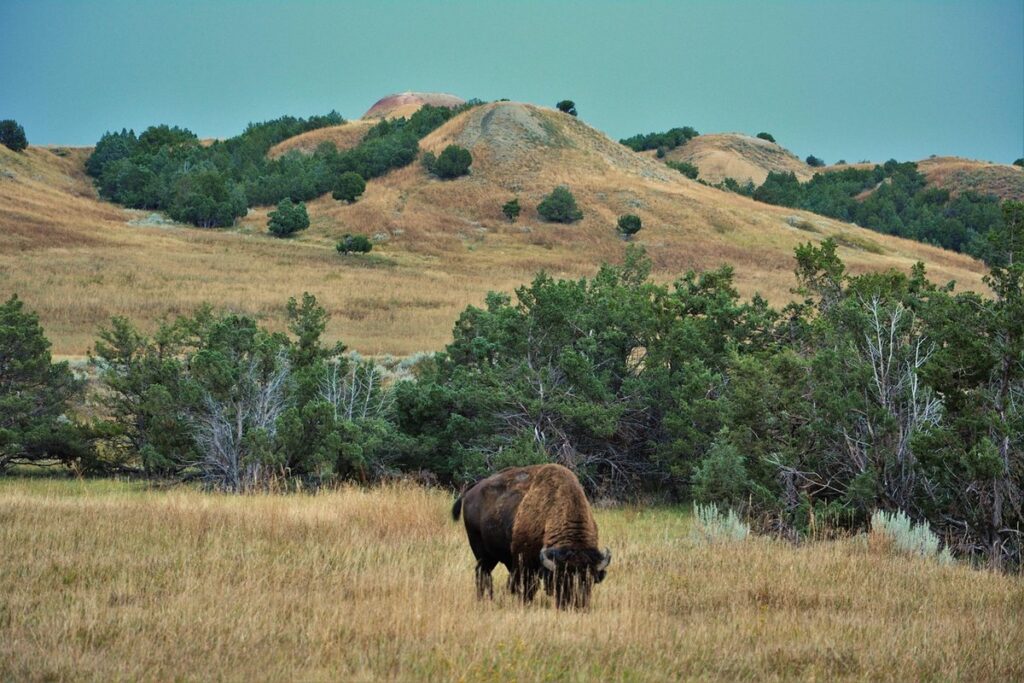
Bison, deer, and turkey are just a few of the many species you can spot during a visit to Effigy Mounds National Monument. One of the most iconic wildlife viewing opportunities is seeing bison grazing in the open fields or meadows within the monument’s boundaries. These gentle giants roam freely, providing an up-close look at these incredible creatures.
To increase your chances of spotting deer and turkey, try visiting during dawn or dusk when they are most active. A short hike to one of the many viewpoints overlooking the prairies can also give you a bird’s-eye view of these species as they forage for food. Keep an eye out for birds like the American goldfinch, which is common in the area.
Some areas within the monument are closed due to bison calving or other sensitive wildlife activities, so be sure to check with park rangers before heading out on a hike or exploring a specific trail. Additionally, keep your distance from any wildlife you encounter and never approach or feed them – this helps protect both humans and animals alike.
Minnesota’s Voyageurs National Park: A Northern Wilderness Experience
Located on the Canadian border, Voyageurs National Park offers a unique blend of rugged wilderness and serene lakeshore scenery for outdoor enthusiasts. Explore its vast network of waterways and forests.
The Voyageurs National Park
Voyageurs National Park is a remote wilderness area located on the Canadian border in northern Minnesota. It’s one of the most sparsely populated regions in the contiguous United States, with dense forests and over 200,000 acres of lakes and wetlands. The park’s vast expanse is dotted with numerous islands, bays, and channels that provide habitat for a diverse range of wildlife.
The park’s landscape has been shaped by thousands of years of geological history, resulting in a unique combination of boreal forest, tundra, and lake ecosystems. Towering pine and spruce trees cover the hillsides, while beaver-dammed lakes and wetlands support an array of aquatic life. In fact, Voyageurs is home to over 40 species of mammals, including wolves, moose, and black bears.
Visitors can explore the park’s vast wilderness by boat or on foot, taking in the stunning scenery and spotting wildlife along the way. The park’s extensive waterways make it an ideal destination for canoeists and kayakers, who can paddle through calm waters or navigate more challenging rapids.
Boating and Water Sports in Voyageurs
Voyageurs National Park offers an unparalleled boating and water sports experience amidst its pristine lakes and forests. The park’s 218,000 acres feature more than 30 lakes, numerous rivers, and thousands of miles of shoreline – a paradise for paddlers, fishermen, and sailors.
Canoeing and kayaking are popular ways to explore the park’s vast waterways. You can rent equipment or bring your own, but be sure to follow local regulations and obtain any necessary permits. Popular routes include the Rainy Lake Loop and the Kabetogama Lake Circuit, which offer stunning views of the surrounding wilderness.
Fishing is also a major draw in Voyageurs. The park’s lakes are home to walleye, northern pike, smallmouth bass, and lake trout, among other species. Make sure to check local fishing regulations before casting your line, as some areas may be closed or have specific restrictions. You can try your hand at catch-and-release fishing, ice fishing in the winter months, or even take a guided fishing tour with a park-approved outfitter.
Some popular water sports and activities include stand-up paddleboarding (SUP), sailing, and jet-skiing. However, these may be restricted to certain areas of the park, so be sure to check with park rangers for specific information.
Frequently Asked Questions
Can I Visit National Parks in the Midwest During Winter?
Yes, many national parks in the Midwest offer winter activities such as snowshoeing, cross-country skiing, and ice fishing. However, some facilities may be closed or have limited hours during this time.
How Do I Plan a Multi-Park Road Trip Through the Midwest?
To plan a multi-park road trip through the Midwest, start by deciding which parks you want to visit and in what order. Research each park’s entrance fees, hours of operation, and accommodation options. Create an itinerary that allows for at least 2-3 days per park, and consider renting an RV or booking accommodations within walking distance to the park.
Are National Parks in the Midwest Pet-Friendly?
While national parks in the Midwest generally prohibit pets on trails and in buildings, some parks offer pet-friendly areas or activities. For example, the Indiana Dunes National Park has designated pet-friendly beaches and hiking trails. Always check with park staff before bringing your pet along for a visit.
What If I Want to Visit Multiple Parks but Don’t Have a Car?
If you don’t have a car, consider renting one or using public transportation. Many national parks in the Midwest are accessible by bus or shuttle from nearby cities. Alternatively, look into guided tours that can transport you between parks and provide accommodations and meals.
Can I Bring My Drone to National Parks in the Midwest?
Yes, drones are allowed in most national parks in the Midwest, but be sure to follow park regulations and respect other visitors. Some areas may be closed to drone use due to wildlife concerns or other factors, so check with park staff before flying your drone.

