
As the temperatures drop and the snow starts to fall, many parents are left wondering how they can keep their little ones entertained and active during the winter months. But there’s no need to worry about cabin fever when you’ve got a backyard (or nearby park) full of possibilities for outdoor fun. From ice skating to snowshoeing, there are plenty of winter activities perfect for families that’ll get everyone moving and making memories together.
You might be thinking it’s too cold or too snowy to venture out, but with the right gear and some expert advice, you can stay safe while having a blast in the snow. In this article, we’ll share our top tips and recommendations for outdoor winter activities that are perfect for families – whether you’re seasoned skiers or just starting to explore the joys of winter sports together. By the time you finish reading, you’ll know exactly how to plan a fun and memorable family winter outing.
Choosing the Right Location
When heading out for a winter wonderland adventure, finding a location that suits your family’s needs and preferences is crucial to ensure everyone has an amazing time. This requires considering several key factors that will make all the difference in creating lasting memories.
Understanding Local Park Regulations
When researching local park regulations regarding winter activities like ice skating, sledding, or snowshoeing, start by visiting your city’s parks and recreation department website. Look for sections on permits, rules, and guidelines for winter sports. Some cities may have specific areas designated for these activities, while others may require a permit to use the park.
Check if any parks in your area offer designated ice skating or sledding areas, as these are often the safest and most accessible options. Online reviews from other families can also provide valuable insights into which parks are best suited for winter sports. For example, look up local parks on websites like Yelp or Google Reviews to see what others have to say about their experiences.
Some key things to consider when choosing a park include:
• Check the hours of operation and ensure they align with your planned activity time.
• Look for designated parking areas near the winter sports zone.
• Familiarize yourself with any rules regarding equipment usage, such as skates or sleds.
• Consider visiting parks that offer warming shelters or restrooms nearby.
Selecting a Winter Wonderland Getaway
When selecting a winter wonderland getaway, consider destinations that offer a variety of outdoor activities suitable for families. Look for nearby ski resorts that cater to beginners and have lessons specifically designed for children. Some popular options include ski resorts with kid-friendly zones, gentle slopes, and equipment rentals.
Another option is to explore local winter festivals, which often feature ice skating rinks, snow tubing, and sledding hills. These events are usually well-organized, making it easy for families to participate together. For example, some towns host festive markets with holiday-themed activities and decorations.
You can also search online for family-friendly winter getaways in your area or plan a road trip to a nearby destination with snow-covered landscapes. Some popular winter wonderland destinations include Lake Tahoe, Park City, and Leavenworth. Consider factors such as accommodation options, accessibility, and the availability of equipment rentals when planning your trip.
When researching potential destinations, look for reviews from other families who have visited the area. This can provide valuable insights into the best activities, restaurants, and accommodations for your family’s needs. By choosing a winter wonderland getaway that offers a range of outdoor activities suitable for families, you’ll ensure a fun and memorable experience for everyone involved.
Preparing for the Great Outdoors
Before you and your family hit the slopes, it’s essential to prepare for a fun-filled day outdoors by packing the right gear and checking the weather forecast. This ensures everyone stays safe and warm in the winter wonderland.
Packing the Perfect Winter Kit
When venturing out into the winter wonderland with your family, it’s crucial to pack the right gear to ensure a fun and safe experience. Start by considering warm clothing essentials like hats, gloves or mittens, scarves, and insulated, waterproof jackets and pants. Don’t forget to pack warm socks and extra layers for added comfort. Safety gear should also be included in your kit, such as helmets for ice skating or sledding, and reflective vests to increase visibility.
In addition to clothing and safety equipment, don’t forget the essentials: snacks, water, and a first-aid kit. Pack energy-rich snacks like nuts, dried fruits, or granola bars, along with refillable water bottles to keep everyone hydrated. A small first-aid kit should include items like bandages, antiseptic wipes, pain relievers, and any medications your family members may need.
It’s also a good idea to bring a small backpack or tote bag to carry all of these essentials, as well as any other gear you might need for the specific activity. Consider packing a small blanket or emergency bivvy sack in case someone gets too cold. By remembering these basic items, you’ll be well-prepared for a day of outdoor winter fun with your family.
Understanding Basic First Aid for Winter Injuries
When venturing outdoors during winter, it’s essential to be aware of common injuries that can occur. Frostbite and slips are two primary concerns for families enjoying winter activities. Frostbite is a cold-related injury that can happen when skin is exposed to extreme cold temperatures for an extended period. It typically affects extremities such as fingers, toes, nose, ears, and cheeks.
Basic first aid for frostbite includes immersing the affected area in warm (not hot) water or using a warm compress. Remove any constrictive clothing and avoid rubbing the area. Seek medical attention if symptoms worsen. To prevent frostbite, ensure proper attire is worn, including gloves, hats, and scarves. Limit exposure to cold temperatures, especially for vulnerable groups like children and seniors.
Slips can also be hazardous, especially on icy surfaces. Be cautious when walking or engaging in activities that may lead to falls. Wear footwear with good traction, such as boots with a sturdy sole. If someone slips and falls, assess the injury. For minor scrapes, clean the wound with mild soap and water, apply antibiotic ointment, and cover with a bandage.
Ice Skating and Sledding Adventures
Get ready to bundle up and hit the slopes as we explore two of the most thrilling winter activities for families: ice skating and sledding. Both offer a fun way to enjoy the snow together!
Finding the Best Ice Skating Spots
When searching for the best ice skating spots, consider visiting local outdoor rinks or frozen ponds. These areas often provide a natural and serene atmosphere for families to enjoy ice skating together. Look for parks or recreational areas with designated ice skating zones, which are typically well-maintained and safer than unfrozen bodies of water.
Some popular types of ice skating spots include frozen lakes, rivers, and even some urban plazas. Check with local authorities for access information, as some may require permits or have specific rules in place. In addition to public rinks and outdoor spots, consider visiting nearby farms or rural areas where frozen ponds are often open to the public during winter months.
When evaluating ice skating spots, consider factors such as accessibility, crowd levels, and amenities like restrooms and warming shelters. Some popular online resources, such as park websites or local event calendars, can help you find and filter through options in your area. Be sure to check for any posted safety guidelines or regulations before heading out onto the ice.
Top Picks for Sledding Hills
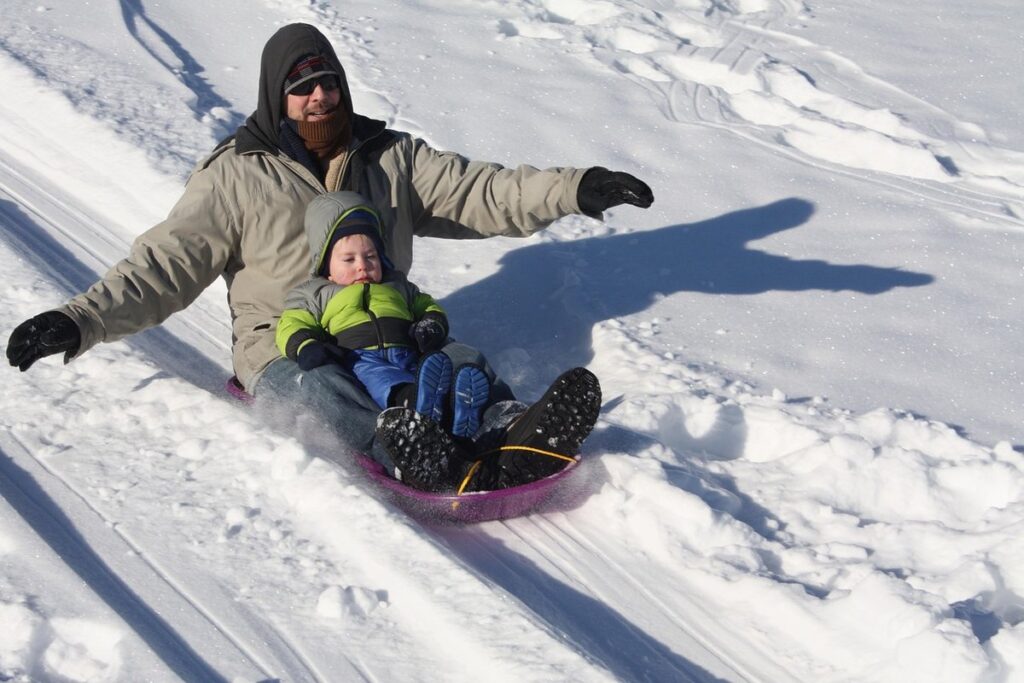
When searching for the perfect sledding hill, consider visiting local parks or recreation areas with designated sledding zones. These areas often have safety features such as gentle slopes, flat landings, and minimal obstacles to reduce the risk of injury. Some popular options include public golf courses, which may offer free or low-cost sledding during winter months.
Look for hills with a consistent pitch, avoiding steep drop-offs or sharp turns that can be difficult to navigate on a sled. Also, ensure the area is well-maintained and free from hazards like rocks, branches, or other debris. Some communities even designate specific “sledding days” or host events with organized sledding areas, so check local event calendars for more information.
Before heading out, inspect the hill to gauge its suitability for your family’s needs. Consider factors such as sled size and age range, as well as any physical limitations that may affect your ability to sled safely. If you’re unsure about a particular location or need additional guidance, consult with park rangers or local authorities for advice on finding safe and enjoyable sledding spots in your area.
Some popular features to look for when selecting a sledding hill include:
• Designated sledding areas
• Safety barriers or fencing
• Flat landings or designated stop zones
• Minimal obstacles or hazards
• Gentle slopes and consistent pitch
Snowshoeing and Cross-Country Skiing
For a fun and active winter experience, consider snowshoeing and cross-country skiing as exciting alternatives to downhill skiing that are perfect for families. Both activities offer a unique way to explore the winter landscape together.
Getting Started with Snowshoes
When it comes to snowshoeing, getting started requires some basic knowledge of how to choose the right gear and navigate snowy terrain. First and foremost, you’ll need to select a pair of snowshoes that fit comfortably on your feet. Consider renting or buying snowshoes with adjustable bindings to ensure a secure fit.
Next, think about the type of snowshoeing experience you want to have. Recreational snowshoes are ideal for families who want to explore gentle slopes and flat terrain. If you’re planning to venture into more rugged terrain, consider investing in snowshoes with crampons or trekking poles.
When navigating snowy terrain, it’s essential to understand how to properly wear your snowshoes. Make sure the bindings are snug but not too tight, and that the toe straps are secure. Take a few practice steps on flat ground before venturing into deeper snow. Keep in mind that snowshoeing typically involves walking at a slower pace than hiking or skiing, so be prepared to take your time and enjoy the scenery.
A good rule of thumb is to start with shorter distances (2-3 miles) and gradually increase your mileage as you become more comfortable with the terrain.
Discovering Local Cross-Country Ski Trails
Look for local cross-country ski trails that offer gentle slopes and flat terrain suitable for families. Many parks and nature reserves have designated ski trails with varying levels of difficulty. You can check online trail maps or visit park websites to find nearby options.
Some popular destinations for family-friendly cross-country skiing include national forests, state parks, and municipal trails. Consider trails with groomed paths, as they are typically well-maintained and easier to navigate. For example, the Ridges Sanctuary in Wisconsin offers 5 miles of groomed ski trails through a mix of open fields and wooded areas.
Before heading out, familiarize yourself with local trail rules and regulations, such as any specific gear requirements or restrictions on pets. Additionally, check the weather forecast to ensure that conditions are safe for skiing. Consider bringing a map, compass, and first aid kit as a precaution.
When exploring new trails, keep an eye out for signs indicating difficult sections or areas prone to icy patches. Stick to well-marked trails and avoid taking shortcuts, which can lead to getting lost or injured. By choosing the right trail and following safety guidelines, you can enjoy a fun and memorable cross-country skiing experience with your family.
Winter Hiking and Nature Walks
As you trade in your hiking boots for snowshoes, discover the magic of winter hiking and nature walks, where serene landscapes await beneath the snow’s blanket. Explore these tranquil trails together as a family!
Preparing for a Winter Hike
When venturing out on a winter hike with your family, it’s essential to dress warmly and stay hydrated. Start by layering clothing to trap warm air between layers. A moisture-wicking base layer followed by a fleece jacket or wool sweater, topped with a waterproof and breathable outer layer, will help regulate body temperature.
Don’t forget to wear warm socks and insulated, waterproof boots with good traction to prevent slipping on icy terrain. A hat, scarf, and gloves or mittens are also crucial for preventing heat loss from the head, neck, and hands. Look for items made from materials like fleece, wool, or synthetic fabrics that retain warmth even when wet.
Staying hydrated is just as important as dressing warmly. Bring plenty of water and consider packing electrolyte-rich snacks, such as energy bars or dried fruit, to replace lost salts and minerals. Aim to drink at least one liter of water per person per hour of hiking. Consider using a hydration pack or insulated water bottle to keep drinks from freezing in cold temperatures.
Remember to check the weather forecast before heading out and adjust your plans accordingly.
Exploring Local Nature Reserves in the Snow
When venturing out to explore local nature reserves in the snow, you’ll want to find places with well-marked trails suitable for family winter hikes. Look for parks and reserves with designated winter walking routes or snowshoeing trails that are cleared of debris and marked clearly.
Some popular options might include nearby county parks, city nature centers, or even national wildlife refuges. Be sure to check the reserve’s website or contact them directly to confirm trail conditions and accessibility before heading out. Many reserves offer guided tours during winter months, which can be a great way for families to learn about local flora and fauna while staying warm.
When choosing a nature reserve, consider factors like terrain difficulty, trail length, and amenities such as restrooms, parking, and hot chocolate stands (yes, some places even have these!). You might also want to check if the reserve offers winter-themed activities or events, like bird-watching tours or snowsculpture contests.
Some popular features to look for in a nature reserve include:
- Clearly marked trails with signs indicating trail conditions
- Accessible parking and restrooms
- Winter-themed activities or guided tours
- A variety of terrain and scenery, such as forests, meadows, and waterways
Indoor Activities for Chilly Days
When the cold weather gets too much, it’s time to trade in your snowshoes for a cozy blanket and some fun indoor games that are perfect for chilly days. We’ve got you covered with our top picks.
Cozying Up at Home
When chilly winter days keep you indoors, don’t let the fun stop. You can recreate the coziness of a snow-filled cabin right at home with some creative indoor activities. Cooking and baking are excellent options for families to spend quality time together while warming up the kitchen.
Try making a hearty soup or stew that’s perfect for cold weather. Let kids help with measuring ingredients, mixing batter, or even kneading dough. Not only will they learn new skills, but they’ll also enjoy the fruits of their labor as you sit down to enjoy your homemade meal together.
For some friendly competition and bonding time, break out the board games and cards. Classics like Monopoly, Scrabble, or Clue are great options for families with older kids. Younger children will love simple games like Candy Land or Chutes and Ladders. You can also set up an arts and crafts station where kids can make their own snowflakes, decorate pictures frames, or create handmade cards.
To make the most of your indoor activities, try setting a timer for each session to avoid burnout. Rotate between cooking, games, and crafts to keep things fresh and exciting.
Visiting Local Museums and Indoor Play Centers
When the cold weather sets in, it’s essential to mix up your indoor activities with something engaging for young children. Local museums and indoor play centers are excellent alternatives to outdoor adventures on chilly days. These venues often feature exhibits or play areas tailored specifically for young visitors.
Some popular options include children’s museums with hands-on science exhibits, art studios where kids can create their own masterpieces, and indoor play centers with inflatables, ball pits, and climbing structures. For example, the Little Explorers Museum in your city has a dedicated area for toddlers, while the nearby Fun Factory features a massive play structure with slides and tunnels.
When planning a visit to one of these museums or play centers, consider checking their websites or social media pages for special events and activities geared towards young children. Some may offer themed days, storytime sessions, or other interactive experiences that can add an extra layer of fun to your outing. Be sure to check the venue’s hours, admission fees, and age restrictions before heading out.
Safety Reminders and Tips
As you plan a fun day outdoors, make sure to prioritize your family’s safety by following some essential guidelines and tips to prevent accidents. Stay safe while having fun in the snow!
Staying Safe While Enjoying Winter Activities
Dressing warmly is essential to stay safe while enjoying winter activities. This means wearing layers of breathable clothing, including a base layer, insulating mid-layer, and waterproof outerwear. A good rule of thumb is to dress as if you’re planning to be outside for longer than you actually are – it’s always better to err on the side of caution.
Staying hydrated is equally important. Bring water or hot chocolate with you when engaging in outdoor winter activities, especially during prolonged periods of physical exertion. Dehydration can sneak up on you quickly in cold weather, so make sure to take regular sips throughout the day.
Be mindful of weather conditions and plan accordingly. Check forecasts before heading out and adjust your itinerary if severe weather is predicted. Avoid traveling or engaging in high-risk activities during strong winds, heavy snowfall, or icy conditions. Stay alert for signs of changing weather patterns, such as darkening skies or increasing wind speed.
In extreme cases, seek shelter immediately if you encounter hazardous conditions. Keep an eye on family members and take regular breaks to avoid fatigue.
Understanding Emergency Protocols in Case of Inclement Weather
In case of inclement weather, it’s essential to have emergency protocols in place to ensure family safety. This includes knowing how to recognize and respond to severe weather conditions such as heavy snowstorms, blizzards, or freezing rain. Familiarize yourself with the local weather forecast and warnings issued by authorities. Pay attention to signs of deteriorating weather, including strong winds, low visibility, and icy roads.
When weather conditions worsen, have a plan for quickly relocating your family to a safe location. Know the nearest indoor shelter or emergency facility in case you need to seek refuge. It’s also crucial to communicate with each other during an emergency, especially if separated while engaging in outdoor activities. Establish a meeting point where everyone can gather in case of separation.
Be prepared with essential supplies such as warm clothing, flashlights, and first aid kits in your vehicle or at home. Make sure your phone is fully charged and accessible in case of emergencies. Keep important contact numbers handy, including local emergency services and weather updates.
Frequently Asked Questions
What if I don’t have access to a car? Can I still participate in outdoor winter activities with my family?
You can definitely participate in outdoor winter activities without a car. Many cities and towns offer public transportation options that can take you to nearby parks, ski resorts, or other destinations. You can also consider walking or biking if the distance is manageable. Research local transit options and plan ahead to ensure a fun and accessible experience for your family.
How do I know when it’s safe to venture out with my kids during extreme weather conditions?
Yes, it’s crucial to check weather forecasts and warnings before heading out with your kids. Look for official alerts from local authorities or meteorological agencies to stay informed about potential hazards such as heavy snowfall, icy roads, or strong winds. Use this information to make an informed decision about whether it’s safe to venture out.
Can I adapt outdoor winter activities for children with special needs?
Yes, many outdoor winter activities can be adapted for children with special needs. Consider consulting with a healthcare professional or adaptive sports organization to learn more about modifying equipment and techniques to ensure inclusivity and safety. Some parks and ski resorts also offer adaptive programs and services specifically designed for individuals with disabilities.
What if my child gets lost while participating in an outdoor winter activity?
No, it’s not common for children to get lost during outdoor winter activities when following basic safety guidelines. However, in the unlikely event of a separation, have a plan in place, such as establishing a meeting spot or designating a buddy system. Also, ensure your child knows what to do if they become separated from you, including staying calm and finding help.
How can I make outdoor winter activities more enjoyable for my toddler who gets cold quickly?
Start by dressing your toddler warmly and ensuring they have access to snacks and water to stay energized. Consider incorporating short breaks into your activity to allow them to rest and recharge. Additionally, look for parks or ski resorts with designated areas for young children, such as play zones or gentle slopes suitable for toddlers.

