
Living in a cluttered space can be overwhelming and affect our mental well-being. Many of us struggle to maintain a sense of calm in our homes, which is where minimalist decor comes in – it’s not just about aesthetics; it’s also a way to simplify your life. By embracing minimalism, you can create a more peaceful environment that promotes relaxation and focus. But what exactly does it mean to live with minimal decor? Simply put, it involves paring down unnecessary items and focusing on the essentials. This comprehensive guide will walk you through decluttering strategies, including how to identify what’s truly essential and let go of the rest. We’ll also share design tips for creating a harmonious space that reflects your personal style while promoting serenity.
Understanding the Concept of Minimalist Decor
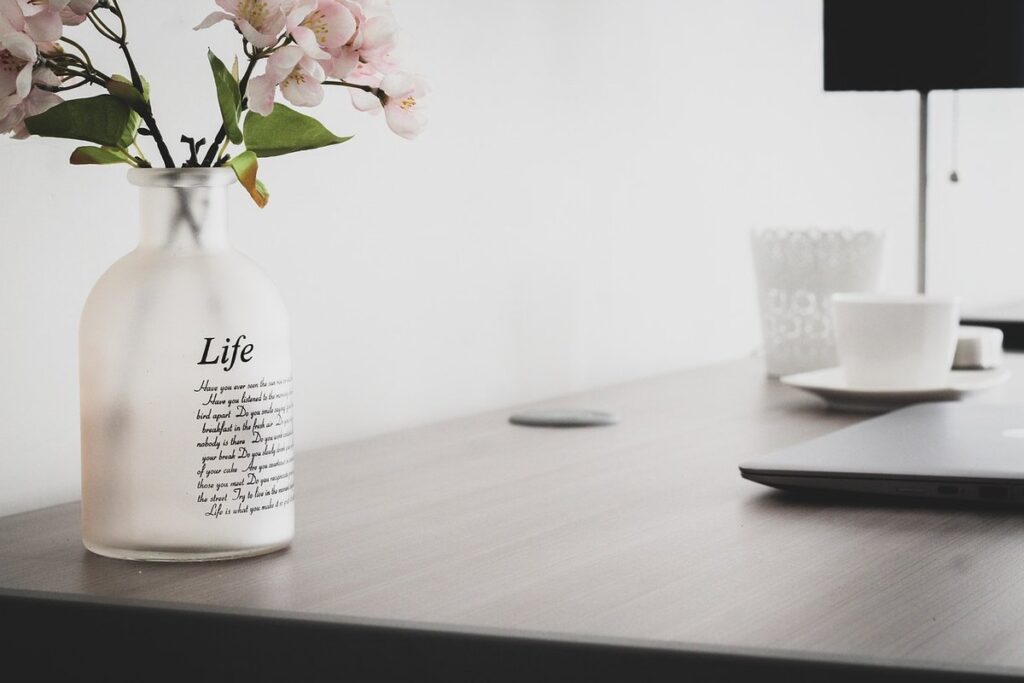
Minimalist decor is not just about getting rid of clutter, but also about creating a thoughtfully curated space that reflects your personal style. It’s about stripping away excess and focusing on what truly matters in your home.
Benefits of a Minimalist Home
When you live in a minimalist home, you’re not just creating a more visually appealing space – you’re also cultivating a sense of calm and clarity. One of the primary benefits of embracing minimalism is reduced stress levels. When your surroundings are clutter-free, it’s easier to focus on what truly matters. You’ll spend less time searching for misplaced items or feeling overwhelmed by visual stimuli.
In a minimalist home, you’re more likely to prioritize productivity as well. Without distractions from unnecessary clutter, you can concentrate on tasks and activities that bring you joy and fulfillment. This mental clarity also enables you to set clear goals and achieve them with greater ease. A reduced workload and increased sense of control can lead to improved sleep quality and overall physical health.
For many people, adopting a minimalist lifestyle starts by implementing the 80/20 rule: 80% of the time, they likely use only 20% of their belongings. Recognizing this pattern can help you identify which items truly add value to your life. By letting go of the rest, you’ll free up space and mental energy for more meaningful pursuits.
Common Misconceptions About Minimalism
One common misconception about minimalism is that it’s a cold and uninviting aesthetic. In reality, minimalist decor can be just as warm and inviting as its more cluttered counterparts. This myth likely stems from the idea that minimalism involves getting rid of all sentimental or decorative items, leaving behind a stark and empty space.
However, true minimalism is not about stripping your home bare; it’s about curating what truly adds value to your life. A minimalist space can still be cozy and inviting through thoughtful editing and intentional design choices. For example, using warm lighting, plush textiles, and organic shapes can create a welcoming atmosphere without cluttering the space.
Another misconception is that minimalism requires a huge upfront investment in new furniture or decor. While it’s true that some minimalists may choose to replace old pieces with sleeker, more modern designs, this isn’t always necessary. With a little creativity and patience, you can find ways to repurpose existing items and incorporate them into your minimalist space.
By understanding these misconceptions, you can approach the concept of minimalism without preconceived notions and create a space that truly reflects your personal style and preferences.
The Principles of Minimalist Decor
When embracing minimalist decor, understanding the underlying principles is key to creating a space that feels calm and clutter-free. This section will break down those essential elements into simple, actionable advice.
Editing Your Possessions
When editing your possessions to create a more minimalist space, it’s essential to be intentional about what you keep and what you let go of. Start by categorizing your belongings into three piles: keep, donate/sell, and discard. Be ruthless when evaluating items that no longer serve a purpose or bring joy.
Consider the 80/20 rule, which suggests that 80% of the time, you likely use only 20% of your belongings. This can help guide your decision-making process as you declutter. Ask yourself if an item is truly essential to your daily life, and if it’s worth the space it occupies.
If you’re struggling to part with sentimental items, try taking a photo of them instead of keeping the physical object. This way, you’ll still have a memory of the item without cluttering your space. For items that are in good condition but no longer needed, consider donating or selling them to make some extra money and declutter at the same time.
Be mindful of the spaces where you tend to accumulate clutter, such as closets, cupboards, and drawers. These areas often require more frequent cleaning out to maintain a sense of minimalism. By regularly editing your possessions and adopting these habits, you’ll create a more streamlined living space that reflects your personal style.
Letting Go of Cluttered Habits
Breaking the cycle of clutter accumulation requires a deep understanding of why we hold onto things. Often, it’s not about the object itself but rather the emotional attachment we’ve formed with it. You may be holding onto an item because it reminds you of a happy memory or because you feel guilty getting rid of something that was expensive or gifted to you.
To break this cycle, start by identifying your motivations for keeping items. Ask yourself if they truly bring you joy or serve a purpose in your daily life. If not, consider letting go of the emotional attachment and finding alternative ways to hold onto memories, such as taking photos or creating digital albums.
Another key factor is developing routines that prevent clutter from building up again. This might involve setting aside time each week for tidying and decluttering, or implementing habits like putting away items after use or regularly reviewing what you own. Be intentional about how you engage with your belongings, and you’ll find it easier to maintain a clutter-free space.
The Importance of Negative Space
Incorporating empty space into a room’s design is often overlooked, but it plays a crucial role in enhancing both the aesthetic and functionality of the space. Negative space allows the eye to rest and visually process the surrounding elements, creating a sense of calmness and balance.
When a room feels cluttered, our attention is drawn to each individual item, making it difficult for us to fully appreciate any one piece. By introducing empty space, we can focus on the shapes, textures, and colors of the objects within the room. This visual breathing room also enables us to better navigate the space, as there’s less visual noise competing for our attention.
To effectively incorporate negative space into your design, try this simple exercise: remove one-third of your furniture and accessories from a single room. Observe how the remaining elements interact with the newly created empty spaces. You may be surprised at how much more visually appealing the room becomes. By thoughtfully balancing positive and negative space, you can create a harmonious atmosphere that feels both peaceful and inviting.
Creating a Minimalist Aesthetic
To create a minimalist aesthetic, start by paring down your decor to only the most essential pieces that bring you joy and serve a purpose. Focus on clean lines, simple shapes, and monochromatic color schemes.
Selecting Furniture with Clean Lines
When selecting furniture for a minimalist space, clean lines are a crucial consideration. This doesn’t mean every piece must be sleek and modern, but rather that each item should contribute to a sense of visual flow and simplicity. Avoid ornate carvings, excessive upholstery patterns, or other details that can distract from the overall aesthetic.
Consider the shape and proportion of each piece: a low-slung sofa with a minimalist wooden frame is more likely to fit in with a minimalist space than a plush armchair with curved lines. Similarly, choose furniture with a limited color palette – neutral tones like white, gray, or beige are often preferred in minimalist decor.
When shopping for new pieces, look for manufacturers that emphasize clean design and minimal ornamentation. You can also repurpose or upcycle existing items to give them a cleaner, more streamlined appearance. For example, stripping an old dresser of its hardware and refinishing it with a simple stain can transform it into a sleek storage unit.
A few key features to keep in mind when evaluating furniture for minimalist spaces include simplicity of shape, minimal ornamentation, and a neutral color palette. By prioritizing these elements, you’ll be well on your way to creating a space that feels calm, uncluttered, and visually appealing.
Working with Neutrals and Earth Tones
When working with neutrals and earth tones in a minimalist space, consider the emotional impact these colors can have. Neutrals like beige, gray, and taupe promote feelings of calmness and serenity by creating a soothing atmosphere. Earthy tones such as sage green, sandy brown, and driftwood blue bring warmth without being overwhelming.
To incorporate these colors effectively, choose one or two dominant hues for the walls and then use them to guide your furniture and decor selection. A soft gray on the walls can be paired with a beige sectional sofa, while a warm taupe can be complemented by driftwood-blue accent pieces.
When working with earthy tones, consider the undertones of each color. For example, sage green has a cool undertone that pairs well with metallic accents, whereas sandy brown often has a warmer undertone that complements natural materials like wood and wicker. By paying attention to these nuances, you can create a harmonious balance between your chosen colors and maintain a sense of visual calm in your space.
Incorporating plants or botanical prints in earthy tones can further enhance the serene atmosphere, while metallic accents in soft finishes can add depth without overwhelming the space.
Adding Texture and Pattern with Care
Incorporating texture and pattern into a minimalist space can be a delicate balance. On one hand, these elements add depth and visual interest to an otherwise simple design. On the other hand, they can quickly overwhelm the senses if not introduced thoughtfully.
To avoid this pitfall, consider using texture as a way to define different zones within your space. For example, you might choose a plush area rug for the seating area, while leaving adjacent spaces bare or using a smooth-finish floor. This creates distinct areas of focus without overwhelming the viewer.
When it comes to pattern, start with subtle options like natural fibers, woven baskets, or hand-tufted upholstery. These introduce visual interest without overwhelming the senses. You can also use patterned textiles as accent pieces, such as throw pillows or blankets, which are easy to swap out when you want a change.
Some key considerations when introducing texture and pattern include scale (start with small accents and gradually build up), balance (mix high and low elements to create visual equilibrium), and restraint (remember that less is often more). By approaching these elements thoughtfully, you can add depth and personality to your space without sacrificing the principles of minimalist decor.
Bringing Minimalist Decor to Life
Now that you have a solid understanding of minimalist decor principles, it’s time to bring them to life with intentional space planning and thoughtful furniture selection. We’ll show you how to create a harmonious and clutter-free environment.
Displaying Art and Collectibles with Purpose
When displaying art and collectibles in a minimalist setting, it’s essential to strike a balance between showcasing personal items and maintaining an uncluttered space. Avoid scattering pieces throughout the room; instead, curate a few select items that truly resonate with you.
Consider grouping similar items together, such as framing multiple artworks or collecting vintage objects of a certain era. This creates a cohesive look without overwhelming the senses. Use negative space to your advantage by placing art and collectibles in areas where they can be appreciated from a distance, like above a sofa or on a wall opposite a window.
Think about the message you want each piece to convey: is it a personal story, a sentimental value, or an aesthetic appeal? Be intentional with your selection and arrangement. For example, use art pieces that evoke a sense of calmness in areas where relaxation is key, like a bedroom or reading nook.
To add visual interest without cluttering the space, consider using pedestals, shelves, or ledges to create multiple display levels. This not only showcases your items but also adds depth and visual appeal to the room. Remember, less can be more – prioritize quality over quantity when it comes to displaying personal treasures in a minimalist setting.
Utilizing Lighting to Create Ambiance
Lighting plays a crucial role in creating a warm and inviting atmosphere in a minimalist space. It’s not just about illuminating the room; it’s about setting the tone for relaxation, productivity, or entertainment. To create ambiance with lighting, consider layering different light sources. This can include table lamps, floor lamps, or even string lights to add warmth and coziness.
When selecting lighting fixtures, opt for simple designs that don’t compete with other decorative elements in the room. A minimalist aesthetic often relies on clean lines, so avoid ornate or overly decorative lighting fixtures. Instead, choose pieces with a sleek, understated look that won’t distract from the space’s overall simplicity.
To further enhance ambiance, experiment with different light temperatures and color spectrums. Warm white bulbs can create a cozy atmosphere, while cool blue tones can evoke a sense of calmness. You can also play with dimmer switches or smart lighting systems to adjust the brightness levels according to your needs. By thoughtfully incorporating lighting into your minimalist decor, you can create spaces that are not only functional but also inviting and aesthetically pleasing.
Incorporating Plants for a Touch of Whimsy
When incorporating plants into a minimalist space, it’s essential to choose low-maintenance varieties that add visual interest without cluttering the area. Consider plants with unique shapes, textures, and colors that can serve as focal points. For instance, succulents like Echeveria or Aloe Vera have striking forms and require infrequent watering.
To avoid over-accessorizing, limit your plant selection to one or two statement pieces per room. This will prevent the space from feeling cluttered and allow each piece to shine. You can also use plants with trailing elements, such as Pothos or Peperomia, to add visual interest without taking up too much floor space.
Some popular low-maintenance options for a minimalist aesthetic include air plants, mosses, and cacti. These plants require minimal care and can thrive in small spaces with proper lighting. When selecting plants, pay attention to their mature size and growth habits to ensure they won’t outgrow the space or become invasive.
To maintain your chosen plants’ health and appearance, establish a regular watering schedule and provide them with necessary light and nutrients. By carefully choosing and caring for low-maintenance plants, you can add a touch of whimsy to your minimalist decor without compromising its clean lines and simplicity.
Maintaining Your Minimalist Space
Maintaining a minimalist space requires intentional effort and regular upkeep, but these small habits can make a big impact on your home’s overall feel. Regular tidying and organization will keep your space feeling calm and clutter-free.
Scheduling Regular Decluttering Sessions
Scheduling regular decluttering sessions is essential for maintaining a minimalist space. It’s easy to let clutter accumulate over time, but incorporating these sessions into your routine can help prevent this from happening. Start by setting aside a specific day and time each week or month for decluttering. This could be as simple as 30 minutes on Saturday morning or an hour on the first day of every new season.
When deciding how often to declutter, consider your lifestyle and the amount of clutter that tends to build up in your space. If you have a lot of paper documents or mail, you may need to set aside more time each week for sorting and organizing. On the other hand, if you tend to get rid of items quickly, you might only need to declutter every few weeks.
Some practical tips for making the most of these sessions include:
- Setting clear goals for what you want to achieve during the session
- Breaking larger tasks into smaller, manageable chunks
- Creating a “one in, one out” rule to maintain a balanced amount of possessions
Building Habits to Support Your Lifestyle
Building small, incremental changes into your daily routine can have a profound impact on your ability to maintain a minimalist space. It’s not about drastically altering your habits overnight, but rather about cultivating a mindset of intention and purpose.
Start by identifying areas where you’d like to see improvement – perhaps it’s tidying up after each meal or setting aside 10 minutes each morning for mindfulness practice. Once you’ve pinpointed these opportunities for growth, create a plan for implementing small changes that feel manageable to you. This might mean committing to a daily task, such as wiping down the kitchen counters or making your bed, or setting aside dedicated time for more in-depth tasks like deep cleaning.
Consistency is key when building lasting habits. Try to schedule these new routines into your calendar and treat them as non-negotiable appointments. Over time, you’ll find that these small changes add up, allowing you to maintain a space that feels intentionally curated rather than cluttered. By incorporating these incremental shifts into your daily life, you’ll be better equipped to navigate the ebbs and flows of maintaining a minimalist home.
Evolving Your Style Without Sacrificing Principles
As you continue on your minimalist journey, it’s natural for your interests and tastes to evolve. Perhaps you’ve discovered a new passion for art, or you’re drawn to a fresh aesthetic that resonates with your current lifestyle. The key is to incorporate these changes without compromising the integrity of your space.
To do this, focus on refining your existing style rather than overhauling it entirely. For instance, if you’ve developed a fondness for bold colors, consider introducing them through accent pieces or statement furniture items that can be easily swapped out when your tastes shift again. This approach allows you to experiment with new ideas while maintaining the balance and simplicity that defines your minimalist space.
When incorporating new elements, ask yourself: do they serve a purpose? Do they bring you joy? Are they aligned with your existing design principles? If the answer is yes, then consider how these additions can enhance your space without cluttering it. A small, carefully curated collection of artwork or collectibles, for example, can add visual interest and personality to your minimalist decor. By being intentional about the items you bring into your space, you can evolve your style while maintaining the essence of your minimalist principles.
Frequently Asked Questions
What if I’m living in a small studio apartment and don’t have the space to edit my possessions like you suggested?
You can still apply the principles of minimalist decor by focusing on multi-functional furniture, vertical storage solutions, and cleverly selecting a few statement pieces that serve as both form and function. Yes, it’s possible to achieve a minimalist aesthetic in a small space with intentional decision-making.
Can I incorporate sentimental items into my minimalist space without cluttering it?
Yes, you can display personal items like family photos or heirlooms in a way that feels intentional, not overwhelming. Consider using floating shelves or a gallery wall with a mix of frame styles and sizes to create visual interest while keeping the overall aesthetic light.
How do I know when to stop decluttering and editing my possessions?
Trust your instincts and take breaks when you feel overwhelmed. Yes, it’s okay to step away from the process and come back later with fresh eyes. Remember that minimalism is a journey, not a destination, and what matters most is creating a space that feels peaceful and reflective of your values.
What if I’m on a tight budget and can’t afford new furniture or decor? Can I still achieve a minimalist aesthetic?
Yes, you can create a minimalist space without breaking the bank. Consider repurposing or upcycling existing items, shopping second-hand, or finding free resources online to help you get started. Focus on simplicity, clean lines, and negative space to create an aesthetic that feels intentional and beautiful.

