
Mold growth can be a daunting problem for homeowners, especially when it comes to removing it without using harsh chemicals. You may have tried scrubbing away at black spots on your walls or using strong cleaning products, but these methods can often leave behind toxic residues and even exacerbate the issue. Fortunately, there are effective natural ways to remove mold from your home. By incorporating baking soda solutions, essential oils, and vinegar into your cleaning routine, you can create a healthier environment for yourself and your loved ones. This article will explore advanced techniques for safely removing mold with natural methods, including recipes and tips for maintaining a mold-free home.
You’ll learn how to create a homemade mold-killing solution using baking soda and water, and discover the benefits of using essential oils like tea tree oil and lavender oil to repel future mold growth. Additionally, we’ll cover the best ways to use vinegar as a natural disinfectant and dehumidifier to prevent mold from returning. By the end of this article, you’ll know how to safely remove mold with natural methods and create a healthy home environment that’s free from toxic chemicals.
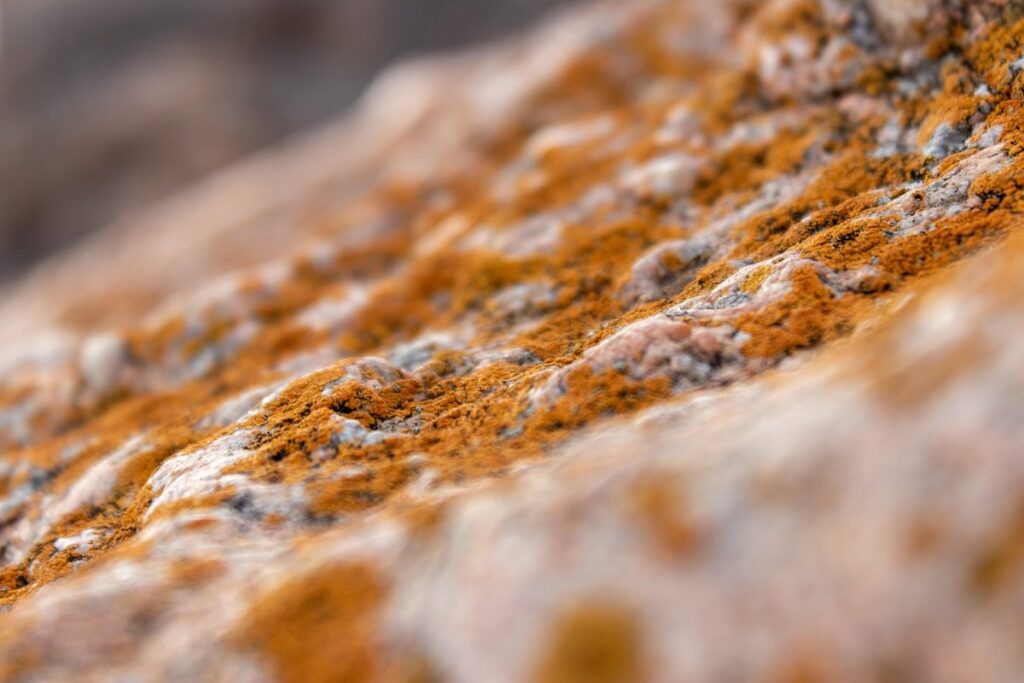
Understanding Mold Growth and Risks
Mold growth can be a serious issue, especially if you’re not aware of its causes and risks. In this crucial area of mold removal, understanding these factors is essential to effective natural treatment.
Causes of Mold Growth in Homes
Mold growth in homes is often a result of common household factors. Water damage from leaks, floods, or burst pipes provides a conducive environment for mold to develop. When water seeps into walls, ceilings, or floors, it creates an ideal breeding ground for mold spores.
High humidity levels also contribute to mold growth. Bathrooms and basements are prime locations where moisture accumulates due to poor ventilation. Showers, bathtubs, and washing machines release excess moisture into the air, which can condense on surfaces and create a humid microclimate. Inadequate ventilation in these areas exacerbates the problem.
Poor ventilation is another significant contributor to mold growth. When warm, moist air becomes trapped within walls or under flooring, it creates an anaerobic environment where mold thrives. This issue often arises from blocked or missing vents, which can be easily resolved by ensuring proper airflow and installing adequate exhaust fans in areas prone to moisture accumulation.
Regularly inspecting your home for water damage and maintaining good ventilation practices can help prevent mold growth.
Health Risks Associated with Mold Exposure
Prolonged exposure to mold can trigger a range of health issues, from mild allergic reactions to serious respiratory problems. One of the primary concerns is the development of mold-related allergies. When individuals inhale mold spores, their immune system may react by releasing histamine, leading to symptoms such as sneezing, congestion, and itchy eyes.
Respiratory issues are another significant concern, particularly for people with pre-existing conditions like asthma or chronic obstructive pulmonary disease (COPD). Mold exposure can exacerbate these conditions, causing wheezing, coughing, and shortness of breath. In severe cases, mold inhalation may even lead to pneumonia or bronchitis.
Other health complications associated with mold exposure include neurological issues such as memory loss, mood changes, and headaches. Some individuals may also experience skin irritation, including rashes and lesions. To minimize the risks, it’s essential to identify and address mold growth promptly, using natural removal methods whenever possible. Regular cleaning and maintenance can also help prevent future mold infestations and reduce the likelihood of health problems.
Identifying and Assessing Mold Infestations
To effectively remove mold from your home, it’s crucial that you first identify and assess the extent of the infestation. This involves checking for visible signs and using specialized equipment to detect hidden growths.
Visual Signs of Mold Growth
Mold growth often manifests visually as black or greenish patches on walls, ceilings, and floors. These patches can range from small, discrete spots to large areas of discoloration. Musty odors are another common sign of mold presence, often detected when walking into a room or opening closet doors. Water stains may also be indicative of underlying moisture issues that contribute to mold growth.
When inspecting for visual signs of mold in different areas of the home, pay particular attention to bathroom and kitchen environments where high humidity levels can lead to condensation. Check behind appliances, under sinks, and around windows for any visible water damage or staining.
In basements and crawl spaces, look for signs of moisture accumulation on walls and floors, such as warping or buckling wood. If you suspect mold growth in these areas, investigate the source of any musty odors to determine if they’re related to mold or another issue.
Keep an eye out for subtle signs like uneven texture, discoloration, or a powdery white coating on surfaces – these can be indicative of mold growth even before visible patches appear.
Using Moisture Meters for Detection
When it comes to detecting hidden mold growth, moisture meters can be a valuable tool for homeowners. These devices measure the amount of moisture present in various materials, helping you identify areas where mold is likely to thrive.
To choose the right moisture meter for your needs, consider the following factors: accuracy, range, and battery life. Some meters are specifically designed for measuring moisture in wood or drywall, while others can handle a wider range of materials. For example, a meter with a range of 0-60% relative humidity would be suitable for detecting moisture levels in most building materials.
To use your moisture meter effectively, start by calibrating it according to the manufacturer’s instructions. Then, scan surfaces and materials that are prone to moisture accumulation, such as basements, crawl spaces, or areas around pipes and appliances. Pay attention to readings above 10-15% relative humidity, as these indicate high moisture levels that can support mold growth. When interpreting results, consider factors like temperature, humidity, and recent water exposure. This will help you pinpoint potential mold hotspots and take corrective action before mold takes hold.
Preparing for Mold Removal
Before you start tackling mold growth, it’s crucial to take necessary precautions and prepare your space for removal. This involves safety measures and identifying the source of moisture.
Creating a Safe Environment
When starting the mold removal process, it’s essential to create a safe environment for both you and anyone else who may be working on the affected area. This involves wearing protective gear, including gloves, masks, and eye protection, to prevent exposure to mold spores.
To contain the affected areas, use plastic sheets or tarps to isolate the space from the rest of your home. Secure these coverings with tape or weights to ensure they remain in place. Consider sealing off doors and vents leading into the area using caulk or tape to minimize cross-contamination.
Another critical step is turning off any HVAC systems that may be circulating mold spores throughout your home. This includes air conditioning, heating units, and fans. Additionally, turn off any water sources and utilities connected to the affected areas to prevent further moisture buildup.
Remember to ventilate the area thoroughly after completing these preparations by opening windows and doors to allow fresh air to circulate. This will help reduce the concentration of mold spores in the air, making it safer for you to work on the removal process.
Removing Personal Items and Belongings
When removing personal items and belongings from the affected area, it’s essential to prioritize caution. Start by relocating valuables and irreplaceable items at least 10 feet away from the mold-infested space to minimize potential damage and exposure. This is particularly crucial for sensitive electronics, artwork, and furniture.
Next, remove any loose clothing, shoes, and accessories that may have come into contact with mold spores. Wash these items in hot water as soon as possible to prevent cross-contamination. Be sure to separate heavily soiled clothes from clean ones to avoid re-depositing mold spores onto fresh garments.
In the event of wet or soaked belongings, such as books or carpets, dry them flat and away from direct sunlight. Avoid using heat guns or high-temperature drying methods, which can exacerbate mold growth. If you’re unsure about the safety of an item, err on the side of caution and discard it to prevent further damage.
Remember to inspect each item carefully for signs of mold growth before returning it to its original place. This will help prevent re-infestation and ensure a successful natural mold removal process.
Natural Mold Removal Methods
When it comes to safely and effectively removing mold from your home, natural methods are often a preferred choice. This section will explore non-toxic approaches for tackling mold growth.
Baking Soda and Water Solution
A baking soda and water solution is a popular natural mold removal method. To make it, mix 1 cup of baking soda with 1 gallon of warm water to create a paste. This solution can be applied directly to the affected area using a brush or cloth, allowing it to sit for about an hour before rinsing thoroughly.
The effectiveness of this solution lies in its ability to absorb moisture and neutralize mold-causing agents. Baking soda’s high pH level helps break down mold spores, making them easier to remove. When used correctly, this method can be quite effective against minor mold growth on non-porous surfaces like walls and ceilings.
However, there are limitations to consider. For one, baking soda may not be as effective against severe or deeply ingrained mold infestations. It’s also essential to note that scrubbing too aggressively with a baking soda paste can damage certain surfaces, such as painted walls or wood finishes. Potential risks include respiratory issues if the solution is inhaled during application, so ensure proper ventilation and wear protective gear when using this method.
Essential Oil Remedies
Essential oils possess antimicrobial properties, making them a viable option for natural mold removal. Peppermint oil, in particular, is effective against Aspergillus and Penicillium species, commonly found in mold growth. Tea tree oil also exhibits potent antifungal activity, inhibiting the spread of mold spores.
To apply essential oils for mold remediation, mix a few drops with water and spray the solution onto affected areas. However, be cautious when using essential oils on porous materials like wood or drywall, as they may cause discoloration or damage. When choosing an essential oil, select one that is 100% pure and has not been adulterated.
Some recommended application methods include:
- Adding a few drops of essential oil to a spray bottle filled with water
- Mixing essential oils with baking soda for a paste-like solution
- Diffusing essential oils in the affected area to help eliminate mold spores from the air
When using essential oils, it’s essential to note that they may not completely remove mold growth. Instead, they can be used as part of a comprehensive mold removal strategy, often in conjunction with other natural methods like baking soda or vinegar solutions.
Advanced Mold Removal Techniques
For those dealing with stubborn mold growth, we’ll now explore advanced techniques for removal that are safe and effective without harsh chemicals. These methods require more effort but can yield remarkable results.
Using Vinegar for Mold Elimination
Vinegar is a popular natural mold remover due to its acidity and ability to break down mold spores. It’s a cost-effective and non-toxic alternative to chemical-based cleaners, making it an attractive option for those looking for a safer approach.
When using vinegar as a mold eliminator, it’s essential to dilute it with water before application. A 1:1 ratio of white vinegar to water is often recommended, but this may need to be adjusted depending on the severity of the infestation and surface type. For example, on porous surfaces like drywall or wood, you may want to use a more diluted solution (1 part vinegar to 2 parts water) to avoid damaging the material.
Bleach is sometimes used in conjunction with vinegar to enhance its effectiveness. However, this combination should be avoided as it can create toxic fumes and potentially damage certain surfaces. It’s also worth noting that vinegar may not be effective on mold that has penetrated deep into porous materials or on very large areas of infestation.
To effectively use vinegar for mold elimination, ensure the area is well-ventilated to prevent the buildup of acetic acid vapors. Always test a small, inconspicuous area first to guarantee the solution won’t damage the surface.
Enzyme-Based Cleaners
Enzyme-based cleaners contain enzymes specifically designed to break down mold roots. These enzymes work by targeting and digesting the molecular bonds holding the mold together, effectively dissolving it without requiring scrubbing or harsh chemicals.
The effectiveness of enzyme-based cleaners lies in their ability to penetrate deep into porous surfaces, such as drywall and wood, where mold often grows. This allows them to reach and break down even the most stubborn mold infestations. However, their performance can be affected by factors like pH levels, temperature, and surface type.
A key advantage of enzyme-based cleaners is that they can eliminate mold roots without leaving behind any toxic residues or lingering odors. They’re also relatively safe for use around pets and children when applied according to the product instructions. When using enzyme-based cleaners, it’s essential to follow the recommended dilution ratios and application methods specified by the manufacturer.
Some popular brands of enzyme-based cleaners include Bio Kleen and OxiClean Mold & Mildew Remover. Before applying any cleaner, ensure the area is well-ventilated and free from standing water to prevent further mold growth.
Preventing Future Mold Growth
To truly eliminate mold from your space, it’s crucial to address the root cause of its growth and implement long-term prevention strategies. This involves identifying and correcting moisture issues in your home or building.
Improving Home Ventilation
Adequate airflow is essential for preventing future mold growth. Without proper ventilation, moisture and humidity can become trapped inside your home, creating an ideal environment for mold to thrive. To improve home ventilation systems, start by ensuring that your home’s foundation is well-sealed, but not airtight. A small amount of air leakage around windows and doors allows fresh air to circulate and stale air to escape.
Check your attic or crawlspace to see if there are any gaps in the insulation or holes in the walls. Seal these openings with caulk or spray foam to prevent moisture from entering. Regularly inspect your roof for damaged shingles, curled edges, or missing granules, which can compromise its ability to shed water.
For maximum ventilation, consider installing a whole-house fan or upgrading to a more efficient heating and cooling system. Keep windows slightly open on opposite sides of your home to allow cross-ventilation. In the summer, close windows during peak sun hours to prevent heat buildup.
Regular Cleaning and Maintenance
Regular cleaning and maintenance play a crucial role in preventing mold regrowth. To maintain a mold-free environment, it’s essential to establish a routine of regular inspections and prompt repairs. Schedule monthly checks to identify potential issues before they become major problems.
Start by inspecting areas prone to moisture buildup, such as bathrooms, kitchens, and laundry rooms. Look for signs of water damage, condensation, or leaks. Check the condition of your home’s roof, gutters, and downspouts to ensure proper water flow.
Address any issues promptly, even if it’s just a small leak or clogged drain. Delaying repairs can lead to extensive mold growth and more costly removal processes. Keep your home well-ventilated by ensuring good airflow in attics, crawlspaces, and basements.
In addition to inspections, maintain a regular cleaning schedule that includes dusting and wiping down surfaces with natural cleaners. This helps reduce the risk of mold spores landing on surfaces and growing. For example, use a mixture of baking soda and water to clean high-traffic areas or areas prone to moisture buildup. Regular cleaning and maintenance may seem like an extra step, but it’s a crucial component in maintaining a healthy, mold-free home.
FAQs and Conclusion
When dealing with mold removal, it’s natural to have questions. One of the most common concerns is whether using natural methods will completely eliminate mold growth. While they can be effective in reducing mold levels, they might not remove all mold spores entirely. This is because some mold types are resistant to natural treatments.
To ensure successful mold removal, it’s essential to use a combination of natural methods and thorough cleaning techniques. For example, using a mixture of baking soda and water as a paste can help loosen and remove mold from surfaces. However, you should also scrub the area with a soft brush to dislodge any remaining spores.
Some people may wonder if they need to hire professional mold remediation services or if DIY methods are sufficient. Generally, for small areas of mold growth (about 10 square feet or less), natural removal techniques can be effective. However, larger infestations or those in sensitive areas like bathrooms and kitchens might require professional assistance.
When choosing a natural method, consider the surface type and level of mold infestation. For example, using white vinegar is often recommended for hard surfaces but may not work as well on porous materials like wood or drywall. Always test a small area first to ensure the chosen treatment won’t damage the surface.
Frequently Asked Questions
Can I use natural mold removal methods on large-scale infestations?
Yes, natural methods like baking soda solutions and essential oils can be effective for small to medium-sized areas. However, for larger infestations or commercial spaces, it’s recommended to consult a professional who can assess the situation and provide tailored advice.
How do I know when a natural mold removal method is working effectively?
Regularly inspect the affected area after treatment, looking for signs of mold regrowth or improvement in air quality. Natural methods may take longer to show results compared to chemical-based products, so be patient and allow sufficient time for the solution to work.
Can I use essential oils near open flames or heat sources?
No, it’s not recommended to use essential oils near open flames, heat sources, or electrical appliances due to their flammable properties. Always follow the manufacturer’s instructions and take necessary precautions when using essential oils in a home environment.
How often should I perform routine inspections for mold growth after removal?
Regular inspections are crucial to preventing future mold growth. Aim to inspect your home at least once every 3-6 months, paying attention to areas prone to moisture buildup, such as bathrooms, kitchens, and laundry rooms.
Can I use a combination of natural methods for optimal results?
Yes, combining different natural methods can be an effective approach to comprehensive mold removal. For example, using baking soda solutions for surface cleaning and essential oils for air purification can create a synergistic effect in eliminating mold and promoting a healthy indoor environment.

