
For beginners, getting started with indoor or outdoor plants can be intimidating, especially when it comes to choosing low maintenance plants that can thrive with minimal care. Many people assume that all plants require a lot of attention and upkeep, but the truth is that there are plenty of easy-to-grow options that can add beauty and life to any space without requiring a green thumb. In this article, we’ll take a closer look at the best low maintenance plants for indoor and outdoor spaces, perfect for those who are new to gardening. We’ll cover how to choose the right plants for your needs, provide tips on how to care for them, and offer troubleshooting advice for common issues that may arise. By the end of this article, you’ll have the knowledge and confidence to choose and care for your own low maintenance plants.
Understanding Low Maintenance Plants
When it comes to choosing low maintenance plants, understanding their unique needs is key to keeping them thriving. Let’s take a closer look at the characteristics of these plants and how to care for them successfully.
Benefits of Low Maintenance Plants
Having low maintenance plants in your space offers numerous benefits, making them an ideal choice for beginners. One of the primary advantages is the convenience they provide. With low maintenance plants, you can enjoy the benefits of having plants without the hassle of constant care and attention. This is especially helpful for those with busy schedules or those who tend to forget to water their plants.
Low maintenance plants also reduce stress levels. Studies have shown that being around plants can lower cortisol levels and improve mood. Plus, the air-purifying qualities of many low maintenance plants, such as peace lilies and snake plants, can help to create a healthier indoor environment.
In addition to these benefits, low maintenance plants are often more resilient to common household pests and diseases, making them a great choice for those new to plant parenthood. They also tend to be more forgiving when it comes to watering and lighting, allowing you to make mistakes without worrying about killing your plants.
What Makes a Plant Low Maintenance
Low maintenance plants can tolerate being forgotten from time to time, making them perfect for busy people or those new to plant parenthood. They can survive with minimal watering, which means you don’t have to worry about overwatering or underwatering. This is due to their ability to store water in their leaves, stems, or roots, allowing them to go longer without a drink.
Low maintenance plants also tend to adapt well to different lighting conditions. Some can thrive in low light, while others can handle full sun. This flexibility makes them easy to place anywhere in your home or office. For example, the ZZ Plant is known for its ability to survive in low light, making it a great choice for rooms with limited natural light.
In addition to their ability to tolerate neglect and adapt to lighting conditions, low maintenance plants also require minimal pruning. They often have compact growth habits or produce few blooms, reducing the need for regular pruning. This not only saves you time but also reduces the risk of damaging the plant. By choosing low maintenance plants, you can enjoy the benefits of having plants in your space without the hassle of constant care.
Choosing the Right Low Maintenance Plants
Now that you’ve chosen a plant that fits your lifestyle, it’s time to select one that’s perfect for your home. Let’s focus on the most critical factor: choosing a plant that’s easy to care for.
Plants for Indoor Spaces
Snake plants are ideal for indoor spaces due to their ability to purify the air and thrive in low-light conditions. They have upright, fleshy leaves that can grow up to 4 feet tall, but can also be pruned to maintain a shorter height. Spider plants, on the other hand, are easy to care for and have long stems with leaves that cascade down. They prefer bright, indirect light and can be trained to climb up walls or trellises.
Peace lilies are another popular choice for indoor spaces, known for their elegant white blooms and ability to tolerate low light. They prefer well-draining soil and moderate watering, but can survive with neglect. To keep these plants healthy, it’s essential to water them sparingly, allowing the soil to dry out between waterings. Overwatering is a common mistake that can lead to root rot and other problems.
Some popular low-maintenance plants for indoor spaces include:
- ZZ plants, which can survive in low light and infrequent watering
- Dracaena, which come in a variety of shapes and sizes and can tolerate neglect
- Pothos, which can be trained to climb up walls or trellises and prefer bright, indirect light
Plants for Outdoor Spaces
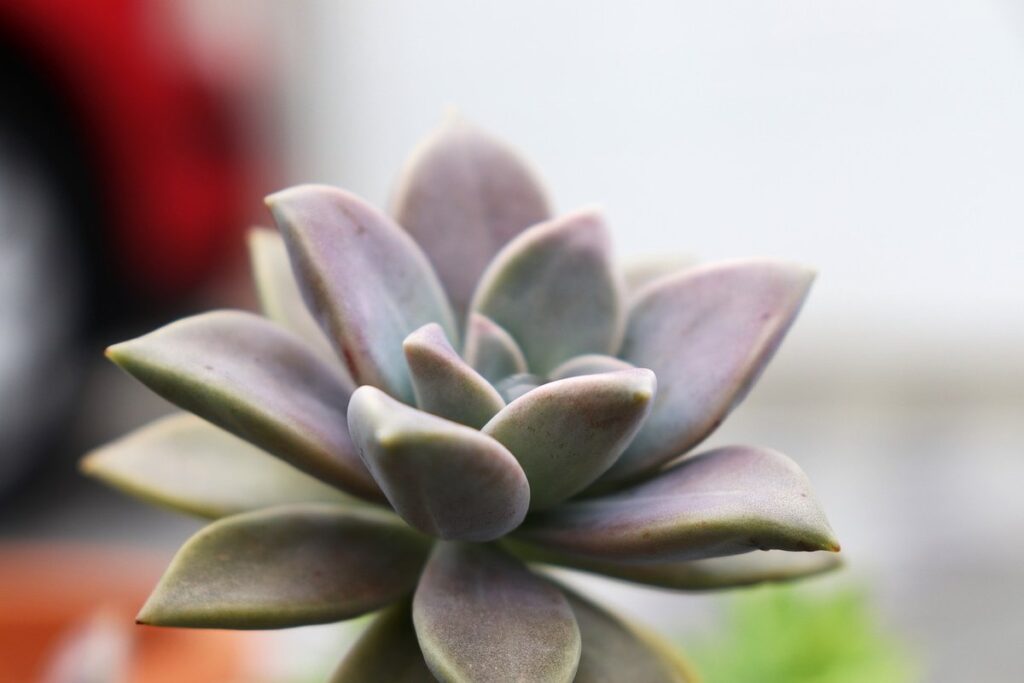
Succulents and cacti are natural choices for outdoor spaces due to their hardiness and ability to thrive in various environments. These plants have adapted to survive in conditions with low water availability, making them ideal for areas with full sun, dry soil, or rocky terrain. They come in a range of shapes, sizes, and colors, allowing you to choose the perfect fit for your outdoor space. For example, the aloe vera plant is known for its medicinal properties and can tolerate extreme temperatures.
Sedum, also known as stonecrop, is another low-maintenance option for outdoor spaces. It can survive in poor soil and withstand intense heat, making it perfect for areas with poor soil quality. Sedum also comes in a variety of shapes and sizes, from the compact Sedum spurium to the taller Sedum spectabile. These plants are perfect for rock gardens, containers, or even as a groundcover.
When selecting a low-maintenance plant for your outdoor space, consider the specific conditions of your area, such as sunlight, soil type, and temperature fluctuations. This will help you choose a plant that can thrive in its environment with minimal care.
Caring for Your Low Maintenance Plants
Now that you’ve chosen your low maintenance plants, let’s talk about how to keep them happy and thriving with minimal fuss and effort required.
Watering and Humidity
When it comes to watering and humidity, low maintenance plants are surprisingly adaptable. However, most plants still require some moisture to survive. Check the soil moisture by sticking your finger into the soil up to the first knuckle. If the soil feels dry, it’s time to water. But don’t overdo it – most low maintenance plants prefer to dry out slightly between waterings.
Water thoroughly, making sure excess water drains from the pot. This helps prevent waterlogged soil, which can lead to root rot. For plants that prefer high humidity, like ferns or peace lilies, you can place the pot on a tray filled with water and pebbles. As the water evaporates, it creates a humid microclimate around the plant.
Some plants, like succulents and cacti, can tolerate neglect and infrequent watering. But even these plants benefit from some moisture during the growing season. Aim to water them once a week in the spring and summer, and once a month in the fall and winter.
To maintain optimal humidity levels, you can also use a humidifier or group plants together to create a humid environment. Avoid placing plants near heating or cooling vents, fireplaces, or drafty windows, as these can dry out the air.
Pruning and Fertilization
When it comes to maintaining the health and appearance of your low maintenance plants, pruning and fertilization are essential tasks. Regular pruning helps maintain the plant’s shape, promotes healthy growth, and encourages new blooms. For low maintenance plants, pruning can be as simple as removing dead or damaged leaves, stems, or flowers. This not only improves the plant’s appearance but also prevents the spread of disease.
For plants like succulents and cacti, pruning is crucial to maintain their shape and prevent them from becoming leggy. Use clean, sharp tools to prune these plants, and make cuts just above a node or a joint. For flowering plants like peace lilies and African violets, pruning can help promote new blooms and maintain their compact shape.
Fertilization is another key aspect of low maintenance plant care. Feed your plants with a balanced, water-soluble fertilizer during the growing season (spring and summer). Dilute the fertilizer to half the recommended strength to avoid burning your plant’s roots. Avoid fertilizing during the dormant season (fall and winter) when plants are not actively growing. By pruning and fertilizing your low maintenance plants regularly, you can keep them healthy, thriving, and looking their best.
Common Problems and Solutions
Don’t worry, we’ve all been there – you’re excited to bring some greenery into your space, but you’re not sure what to expect. Let’s address some common challenges that can arise with low maintenance plants.
Overwatering and Underwatering
Overwatering and underwatering are two common mistakes that can be detrimental to your low-maintenance plants. Overwatering can lead to root rot, while underwatering can cause leaves to wilt and turn yellow. To avoid these issues, it’s essential to understand the needs of your specific plant. Check the soil moisture by sticking your finger into the soil up to the first knuckle. If the soil feels dry, it’s time to water.
Water your plants in the morning, so the plants have the entire day to absorb the water. Avoid getting water on the leaves to prevent fungal diseases. Instead, water at the base of the plant. For plants in pots, make sure the pot has drainage holes to prevent waterlogged soil. If you’re unsure about your plant’s watering needs, start with a conservative schedule and adjust as needed. Most low-maintenance plants prefer to dry out slightly between waterings.
Some plants, like succulents and cacti, are more forgiving of underwatering than overwatering. Others, like ferns and peace lilies, prefer consistently moist soil. Consider the plant’s natural habitat and adjust your watering schedule accordingly. For example, plants native to tropical regions typically require more frequent watering than those from arid environments.
Pests and Diseases
Common pests like spider mites, mealybugs, and scale can infest low maintenance plants, especially if they’re exposed to warm temperatures and dry air. These pests can be identified by looking for fine webs, sticky substance, or white, cottony patches on the plant’s leaves. To treat infestations, separate the infested plant from others to prevent the pests from spreading, and spray the plant with a mild insecticidal soap or neem oil.
Diseases such as root rot and leaf spot can also affect low maintenance plants, often caused by overwatering or poor air circulation. Root rot can be identified by a soft, mushy stem or yellowing leaves, while leaf spot appears as small, circular lesions on the leaves. To prevent these diseases, ensure good air circulation around the plant and avoid overwatering. If you do notice any signs of disease, remove any affected leaves or stems to prevent the spread.
Some preventative measures include inspecting plants regularly for pests or diseases, keeping plants clean, and maintaining good air circulation. Regularly watering and fertilizing your plants can also help maintain their overall health.
Advanced Care and Maintenance
Now that you’ve got your low-maintenance plants thriving, it’s time to learn about advanced care techniques to keep them in top shape. We’ll cover pruning, repotting, and troubleshooting common issues.
Propagation and Repotting
Propagation and repotting are advanced techniques that can be used to increase plant numbers and maintain the health and growth of low maintenance plants. To propagate a plant, you can use stem cuttings, leaf cuttings, or division. For stem cuttings, choose a section with at least two nodes, remove lower leaves, and plant it in a well-draining potting mix. Water the soil gently but thoroughly, and keep it consistently moist but not waterlogged. Within 1-3 weeks, roots should develop, and a new plant will emerge.
When repotting, choose a pot that is only 1-2 sizes larger than the original one, as this will prevent the soil from becoming too wet. Use a well-draining potting mix and gently remove the plant from its pot, taking care not to disturb the roots. Inspect the roots and trim any that are circling or growing outside the root ball. Replant the plant in its new pot, and water it thoroughly. Repotting every 1-2 years will give your plant room to grow and refresh the soil.
Some plants, like African Violets and Begonias, are easily propagated through leaf cuttings. For these plants, simply place a healthy leaf on the surface of the potting mix and keep it moist. A new plant will grow from the leaf within a few weeks.
Plant Combinations and Arrangements
When combining low maintenance plants, consider their visual characteristics, textures, and growth habits to create a harmonious display. For example, pair trailing plants like Pothos or Philodendron with compact, upright plants like Succulents or Cacti. This contrast between different growth habits adds visual interest and prevents the arrangement from looking too uniform.
To create a visually appealing arrangement, think about the scale of your plants. A small, delicate plant can get lost amidst larger, more robust plants. Balance the arrangement by grouping plants of similar size together. For instance, group a few small Succulents together and place them on a shelf or in a corner, rather than scattering them throughout the room.
When selecting plants for an arrangement, also consider their colors and textures. Pair plants with complementary foliage colors, such as green and purple, or plants with interesting textures, like fuzzy-leaved Echeveria. Avoid over-planting, as this can create a cluttered and overwhelming display. Instead, leave some space between each plant to create a clean, uncluttered look.
Troubleshooting and FAQs
Don’t worry if your new plants aren’t thriving right away – we’ve got answers to common questions and troubleshooting tips to help you get back on track.
Common Questions and Concerns
Many people worry that low maintenance plants are too small or scrawny to make a big impact in their space. However, this isn’t necessarily the case. Even compact plants like succulents and air plants can add visual interest and texture to a room. If you’re concerned about the size of a low maintenance plant, consider its mature size before buying it. Some species, like spider plants and pothos, can grow quite large if given the right conditions.
Another common concern is allergies. Some people worry that low maintenance plants will release allergenic particles into the air. However, most low maintenance plants are hypoallergenic and won’t aggravate respiratory issues. If you’re allergic to certain plant species, research those specific plants to see if they’re a safe choice for your home. For example, peace lilies and snake plants are often recommended for people with allergies.
Some people also worry that low maintenance plants are too expensive or hard to find. But this isn’t usually the case. You can find low maintenance plants at most nurseries and home improvement stores, and they often come at an affordable price point. Consider shopping at local plant sales or online marketplaces for more variety and competitive pricing.
Resources and Additional Tips
For further learning and improvement, consider joining online communities dedicated to low-maintenance plants, such as Reddit’s r/houseplants or r/gardening. Websites like GardenWeb and Gardeners.com also offer valuable resources and forums for discussing plant care. Books like “The New Seed Starter’s Handbook” by Nancy Bubel and “The Houseplant Expert” by Dr. D.G. Hessayon provide in-depth guidance on plant care and propagation.
To take your plant care skills to the next level, seek advice from experts in the field. Many nurseries and gardening stores offer free consultations or workshops. Look for local gardening clubs or meetups in your area, where you can connect with experienced gardeners and learn from their expertise. When selecting books or online resources, focus on those that cater specifically to beginners or low-maintenance plants. This will help you avoid getting overwhelmed by complex information.
Some essential resources for low-maintenance plant care include the National Gardening Association’s website and the USDA’s Plant Hardiness Zone Map. These tools will help you determine the best plants for your specific climate and region. By combining online resources with expert advice and hands-on experience, you’ll be well on your way to becoming a confident and skilled low-maintenance plant caregiver.
Frequently Asked Questions
Can I Use Low Maintenance Plants in My Office If I Have Pets?
Yes, many low maintenance plants are pet-friendly, but make sure to research the specific plant’s toxicity before introducing it to your workspace. Some plants, like spider plants and snake plants, are non-toxic and safe for offices with pets.
How Do I Know When a Low Maintenance Plant Needs More Water?
Check the plant’s soil moisture by sticking your finger into the soil up to the first knuckle. If the soil feels dry, it’s time to water. Also, observe your plant’s leaves and stems; if they start to wilt, it’s a sign that the plant needs more water.
Can I Propagate Low Maintenance Plants in the Winter?
Yes, many low maintenance plants can be propagated during the winter months. In fact, propagating during this time can give your new plants a head start on the growing season. Just be sure to provide adequate light and maintain a consistent temperature.
What Happens If I Forget to Water My Low Maintenance Plant for an Extended Period?
While low maintenance plants are designed to tolerate neglect, forgetting to water for an extended period can still cause damage. Check your plant’s soil moisture and adjust your watering schedule as needed. If the plant is severely wilted, consider repotting it in fresh soil to give it a boost.
Can I Use Low Maintenance Plants in a Bathroom with High Humidity?
Yes, many low maintenance plants thrive in humid environments. In fact, some plants, like peace lilies and snake plants, can help purify the air and reduce moisture levels. Just be sure to choose a plant that’s suitable for high humidity and provide adequate air circulation to prevent fungal growth.

