
Choosing the right indoor plants can be a daunting task, especially for those who tend to forget to water their plants or don’t have a green thumb. However, with the growing awareness of air pollution and the importance of interior design, many people are turning to low-maintenance indoor plants to purify the air, reduce stress, and enhance their home’s aesthetic value. These plants are not only easy to care for but also provide numerous benefits, from improved air quality to increased productivity. In this article, you’ll learn how to choose the best low-maintenance indoor plants for your space and how to care for them to reap their rewards. By the end of this guide, you’ll be able to select and care for low-maintenance indoor plants that bring health and beauty to your home with minimal fuss.
Choosing the Right Plants for Low Maintenance
When it comes to low-maintenance plants, selecting the right species is crucial to a thriving indoor space. We’ll help you identify the best plants for your needs and lifestyle.
Factors to Consider When Selecting Low-Maintenance Plants
When selecting low-maintenance plants, it’s essential to consider their lighting, temperature, and watering needs. Start by assessing the amount of natural light your space receives. Some plants, like Chinese Evergreen and Pothos, can thrive in low-light conditions, while others, like Succulents and Cacti, require direct sunlight.
Consider the temperature range in your home as well. Some plants, such as Ferns and Peace Lilies, prefer temperatures between 65-75°F (18-24°C), while others, like Bromeliads and Air Plants, can tolerate warmer temperatures.
Watering needs are also crucial. Plants like Snake Plants and ZZ Plants are drought-tolerant and only need watering once a week, while others, like African Violets and Begonias, require more frequent watering. Be mindful of the potting mix and soil type, as some plants prefer well-draining soil, while others prefer a more moisture-retentive mix.
When choosing a low-maintenance plant, look for species that fit your specific lighting and temperature conditions. This will ensure the plant thrives and requires minimal care.
Understanding Plant Hardiness and Adaptability
When selecting low-maintenance plants, understanding their hardiness and adaptability is crucial. Some plants are naturally more forgiving of neglect, while others require more care. For instance, the ZZ Plant can survive in low-light conditions and infrequent watering, making it ideal for busy people or those new to indoor gardening. On the other hand, plants like the Prayer Plant require more attention to their watering and humidity needs.
Plant hardiness refers to a plant’s ability to withstand extreme temperatures, dryness, or neglect. Adaptability, meanwhile, refers to a plant’s flexibility in terms of its care requirements. Some plants can adapt to changing light conditions or watering schedules, while others require more consistency. To determine a plant’s hardiness and adaptability, research its specific needs and read reviews from other growers. Look for plants that are known to be low-maintenance and can thrive in indoor environments. By choosing plants that fit your lifestyle and care capabilities, you can enjoy the benefits of indoor gardening without the stress of constant maintenance.
Popular Low-Maintenance Plant Options for Beginners
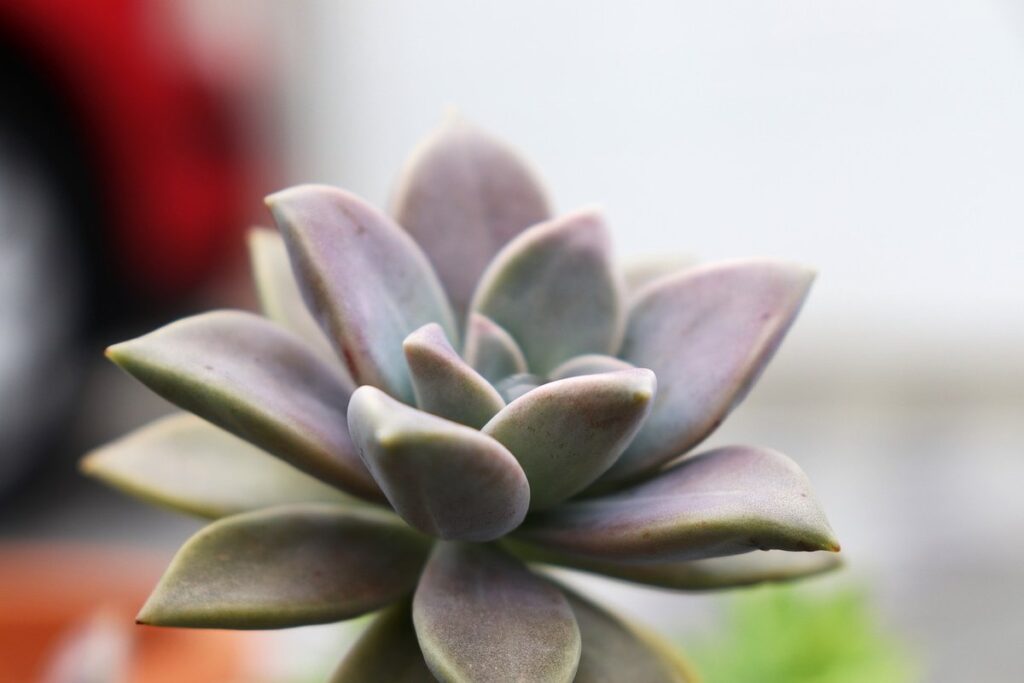
When it comes to low-maintenance plants, there are several popular options that are perfect for beginners. One of the most well-known and easy-to-care-for plants is the succulent. These plump, fleshy plants are designed to store water in their leaves, making them drought-tolerant and forgiving if you forget to water them from time to time. Some popular types of succulents include Aloe Vera, Echeveria, and Crassula.
Another low-maintenance option is the air plant (Tillandsia). These epiphytes don’t require soil and can thrive in bright, indirect light. They also don’t need to be watered as frequently as other plants, as they absorb moisture through their leaves.
Peace lilies (Spathiphyllum wallisii) are also a great option for beginners. They prefer well-draining soil and moderate watering, but can tolerate some neglect. They also produce beautiful white blooms, which can add a touch of elegance to any room. Some other low-maintenance plants worth considering include Chinese Evergreen, Pothos, and Dracaena.
Benefits of Low-Maintenance Indoor Plants
Low-maintenance indoor plants offer a stress-free way to bring some greenery into your home, with numerous benefits for your space and well-being. Let’s take a closer look at the advantages of incorporating these easy-to-care-for plants into your decor.
Air Quality Improvement
Low-maintenance indoor plants are not only easy to care for, but they also play a crucial role in purifying the air and improving indoor air quality. This is particularly important in urban environments where air pollution is a significant concern. Studies have shown that indoor plants can remove up to 87% of air pollutants, including volatile organic compounds (VOCs), in just 24 hours.
Some of the most effective air-purifying plants include spider plants, snake plants, and peace lilies. These plants are not only low-maintenance but also highly efficient at removing pollutants from the air. For example, spider plants are known to remove formaldehyde, a common VOC found in many household products, from the air.
To maximize the air-purifying benefits of your low-maintenance plants, make sure to place them in areas with poor air circulation. This will allow them to work more efficiently and effectively remove pollutants from the air. Additionally, consider grouping multiple plants together in a single area to create a powerful air-purifying system. By incorporating low-maintenance plants into your home, you can create a healthier and more sustainable living space.
Stress Reduction and Mental Health
Indoor plants have been shown to have a profound impact on mental well-being and stress reduction. Studies have found that being around plants can lower cortisol levels, blood pressure, and heart rate, while also improving mood and reducing symptoms of anxiety and depression. This is particularly beneficial for individuals who spend most of their time indoors, such as office workers or those living in urban areas with limited access to green spaces.
One of the key ways in which indoor plants promote mental well-being is through the process of photosynthesis. As plants absorb carbon dioxide and release oxygen, they create a sense of calm and tranquility. This is reflected in the popular practice of “forest bathing,” where individuals spend time in nature surrounded by trees and other plants to reduce stress and improve mood.
Some low-maintenance plants that are particularly effective at promoting mental well-being include snake plants, spider plants, and peace lilies. These plants are easy to care for and can thrive in a variety of lighting conditions, making them perfect for busy individuals or those new to plant parenthood. By incorporating these plants into your indoor space, you can create a calming and nurturing environment that promotes relaxation and reduces stress.
Aesthetic and Decorative Value
Low-maintenance indoor plants can greatly enhance the aesthetic and decorative value of a space. Beyond their air-purifying benefits, these plants can add visual interest, texture, and color to a room. For example, the striking pattern of a Prayer Plant’s leaves can add a pop of color to a corner, while the tall, slender stems of a Dracaena can create a sense of height and drama.
When choosing low-maintenance plants for aesthetic purposes, consider the style and décor of the space. For instance, a modern minimalist space might benefit from a sleek, low-maintenance succulent arrangement, while a bohemian-inspired room might be perfect for a lush, trailing ivy.
Incorporating low-maintenance plants into your space can also be a great way to create a sense of connection to nature. By bringing the outdoors in, you can create a more welcoming and inviting atmosphere. To maximize the aesthetic value of your plants, be sure to group them together in a visually appealing way, and don’t be afraid to experiment with different planters and arrangements to find the look that works best for you.
Plant Care 101: A Beginner’s Guide to Low-Maintenance Plants
Getting started with low-maintenance plants can seem overwhelming, but with the right guidance, you’ll be enjoying lush greens in no time. This guide will walk you through the basics of caring for your new indoor plants.
Watering Techniques for Low-Maintenance Plants
For low-maintenance plants, overwatering is a common mistake that can be detrimental to their health. These plants have adapted to survive with minimal watering, so they don’t require frequent waterings like other plants. Check the plant’s soil moisture by sticking your finger into the soil up to the first knuckle. If the soil feels dry, it’s time to water. Water thoroughly until you see water dripping from the pot’s drainage holes.
The frequency of watering depends on the plant’s specific needs and the environment it’s in. Some low-maintenance plants, such as succulents and cacti, only need watering once a week during the spring and summer months. Others, like peace lilies and snake plants, prefer to be watered once every 1-2 weeks.
It’s also essential to consider the plant’s pot size and type of potting mix. Smaller pots and well-draining potting mixes can help prevent waterlogged soil. Avoid getting water on the plant’s leaves to prevent fungal diseases. Instead, water at the soil level, allowing the plant to absorb the water as needed.
Fertilization and Soil Care
For low-maintenance plants to thrive, it’s essential to get fertilization and soil care right. The first step is to understand your plant’s specific needs. Most indoor plants prefer a slightly acidic to neutral soil pH, between 6.0 and 7.0. You can use a soil testing kit to determine your plant’s pH level. If it’s too high or low, you can add organic matter like peat moss or perlite to adjust it.
Nutrient balance is also crucial. A balanced fertilizer contains equal parts nitrogen, phosphorus, and potassium (N-P-K). Look for a fertilizer with a ratio of 10-10-10 or 20-20-20. Avoid over-fertilizing, as this can damage your plant’s roots. Typically, a small amount of fertilizer is applied once a month. You can also use compost or worm castings as a natural alternative.
Some plants, like ferns and peace lilies, require more frequent fertilization than others. Be sure to research the specific needs of your plant to avoid over-fertilizing. A general rule of thumb is to fertilize during the growing season (spring and summer) and skip it during the dormant season (fall and winter).
Pruning and Grooming for Optimal Health
Pruning and grooming are essential tasks for maintaining the health and appearance of low-maintenance indoor plants. Regular pruning helps control the plant’s shape, encourages new growth, and promotes healthy air circulation. This process also removes dead or dying leaves, which can harbor pests and diseases. When pruning, use clean and sharp tools to prevent the spread of diseases, and disinfect your equipment between cuts. For example, a simple trim every few weeks can maintain the size and shape of a snake plant, while a more thorough pruning every 2-3 months can encourage new growth and blooms in a peace lily. Grooming, on the other hand, involves removing dust and debris from the plant’s leaves, which can improve light absorption and prevent pest infestations. Use a soft-bristled brush or a damp cloth to gently wipe down the leaves, and inspect your plants regularly for signs of pests or diseases. By incorporating these tasks into your plant care routine, you can enjoy the benefits of low-maintenance indoor plants, including improved air quality and reduced stress levels. This simple and effective maintenance routine will keep your plants thriving and looking their best.
Advanced Care: Tips and Tricks for Thriving Low-Maintenance Plants
If you’ve got a green thumb, but not a lot of time to tend to it, this section is for you – we’ll share expert tips on caring for low-maintenance plants.
Pest Control and Disease Prevention
When it comes to pest control and disease prevention in low-maintenance plants, it’s essential to strike a balance between chemical and organic methods. For minor infestations, you can try neem oil or insecticidal soap to control pests like spider mites, mealybugs, and aphids. These products are gentle on plants and can be used as a preventative measure. However, if the infestation is severe, you may need to resort to chemical pesticides.
To prevent diseases, ensure good air circulation around your plants by keeping them at least 6-8 inches away from each other. Regularly inspect your plants for signs of disease, such as yellowing leaves or black spots, and remove any affected areas. Fungal diseases like root rot can be prevented by repotting your plants in well-draining soil and avoiding overwatering.
Some common diseases that affect low-maintenance plants include powdery mildew and root rot. To prevent these diseases, use a fungicide specifically designed to target these pathogens. For example, a product containing triflumizole can be effective against root rot. Always follow the product instructions and take necessary safety precautions when using chemicals.
Repotting and Transplanting
Repotting and transplanting are essential tasks for low-maintenance plants, especially as they outgrow their containers. The ideal time to repot is when the plant has outgrown its container or is showing signs of nutrient deficiency. Typically, this occurs every 1-3 years, depending on the plant species and growth rate. Choose a pot that is only 1-2 sizes larger than the original one, as this will prevent the soil from becoming too wet.
When transplanting, handle the roots with care to avoid damaging them. Gently remove the plant from its container, taking note of the root system. If the roots are circling or growing out of the container, gently tease them apart with your fingers or a blunt instrument. Place the plant in its new pot, making sure the soil level is the same as it was in the original container. Water thoroughly after transplanting to settle the soil and provide enough moisture for the roots to establish themselves. If repotting in the spring or summer, consider fertilizing the plant at the same time to provide a boost of nutrients.
Propagation and Breeding
Creating new varieties of low-maintenance plants through propagation and breeding can be a rewarding experience for enthusiasts. One common technique is leaf or stem cuttings, where a healthy section of the plant is removed and rooted in a pot or propagation tray. This method is especially effective for plants like succulents and cacti, which can produce offsets or “pups” that can be easily separated and rooted.
Another approach is tissue culture, which involves using laboratory equipment to grow plantlets from small pieces of stem or leaf. This method is often used for mass-producing plants like African violets and begonias. However, it requires specialized equipment and expertise, making it less accessible to hobbyists.
When breeding low-maintenance plants, it’s essential to select parents with desirable traits, such as disease resistance or improved growth habits. This can involve crossing different varieties to create unique hybrids or selecting plants with natural mutations that offer advantages. For example, some breeders have developed compact, flowering varieties of plants like begonias and impatiens that thrive in indoor conditions. By experimenting with different propagation and breeding techniques, you can create new and exciting varieties to add to your low-maintenance plant collection.
Common Mistakes to Avoid When Caring for Low-Maintenance Plants
As you’re enjoying the beauty of your low-maintenance plants, it’s easy to overlook some common care mistakes that can actually harm them. Avoiding these simple errors will ensure your plants thrive.
Overwatering and Underwatering
Overwatering and underwatering are two common mistakes that can have devastating effects on low-maintenance plants. Despite their name, these plants still require a certain level of water care to thrive. Overwatering occurs when you provide too much water, causing the roots to rot and the plant to become susceptible to disease. This can be especially true for plants with shallow root systems, such as succulents and cacti.
Signs of overwatering include soft, mushy stems, yellowing leaves, and a general decline in the plant’s overall health. Underwatering, on the other hand, happens when you don’t provide enough water, causing the plant to become stressed and potentially leading to leaf drop and a decrease in growth.
To avoid these issues, it’s essential to check the soil moisture before watering. Stick your finger into the soil up to the first knuckle, and if the soil feels dry, it’s time to water. Aim to water your low-maintenance plants once a week during the spring and summer months, and once every 10-14 days during the fall and winter months. By being mindful of your watering schedule and observing your plant’s specific needs, you can keep your low-maintenance plants happy and healthy.
Inadequate Lighting and Temperature Control
Inadequate lighting and temperature control can be detrimental to low-maintenance plants, leading to stunted growth, discoloration, and even plant death. Most low-maintenance plants prefer bright, indirect light, but some can tolerate low light conditions. However, direct sunlight can cause leaves to become scorched, and prolonged exposure to low light can lead to weak and spindly growth.
Temperature control is also crucial, as most plants prefer daytime temperatures between 65°F to 75°F (18°C to 24°C) and nighttime temperatures 5 to 10°F (3 to 6°C) lower. Extreme temperatures can shock the plant, causing damage to leaves and roots. For example, some plants may drop their leaves or develop brown tips when exposed to temperatures above 80°F (27°C).
To avoid these issues, check the specific lighting and temperature requirements for your plant species. Place plants near a sunny window, but avoid direct sunlight. Use sheer curtains or blinds to filter the light. Keep plants away from heating and cooling vents, fireplaces, and drafty areas. By providing the right conditions, you’ll be able to enjoy your low-maintenance plants’ full potential.
Insufficient Humidity and Air Circulation
Low-maintenance plants still require optimal humidity and air circulation to thrive. Most houseplants prefer a humid environment, typically between 40-60% relative humidity. However, this can be challenging to maintain in dry indoor spaces. To address this issue, you can place the plant on a tray filled with water and pebbles. As the water evaporates, it increases the surrounding humidity. Alternatively, you can use a humidifier nearby.
Air circulation is equally important. Stagnant air can lead to fungal diseases and pest infestations. Make sure to provide enough space between plants and avoid overcrowding. Keep plants at least 6-8 inches away from walls and other obstacles to allow for air to circulate freely.
Aim for a gentle air exchange of about 1-2 times per hour. You can achieve this by opening windows or using a fan. Some plants, such as ferns and peace lilies, prefer even more humidity and air circulation. Research specific needs for your plant to ensure you’re providing the best environment for it to grow.
Conclusion: Embracing the Joy of Low-Maintenance Indoor Plants
Now that you’ve learned how to care for these beautiful low-maintenance plants, it’s time to wrap up with some final thoughts on why they’re worth having around.
Recap of Key Takeaways
To successfully care for low-maintenance indoor plants, you should remember to water them infrequently, allowing the soil to dry out between waterings. This means checking the soil moisture by sticking your finger into the soil up to the first knuckle, and only watering when it feels dry. When fertilizing, use a balanced, water-soluble fertilizer at half the recommended strength to avoid burning the roots. Prune your plants regularly to maintain their shape and promote healthy growth, removing any dead or damaged leaves to prevent the spread of disease.
When it comes to pest control, keep an eye out for common indoor plant pests like spider mites, mealybugs, and scale. Isolate infested plants, and treat them with insecticidal soap or neem oil according to the product’s instructions. For repotting, choose a pot that is only slightly larger than the plant’s current one, and use a well-draining potting mix to prevent waterlogged soil. To propagate, take 2-3 inch stem cuttings and plant them in a small pot filled with a rooting hormone. Keep the soil consistently moist but not waterlogged until roots develop.
Final Thoughts and Encouragement
As you’ve reached the end of this guide, remember that the journey with low-maintenance indoor plants is just beginning. It’s essential to approach this new hobby with an open mind and a willingness to learn. Don’t be discouraged if your first few plants don’t thrive – it’s all part of the process.
Here are a few key takeaways to keep in mind as you start your indoor plant journey:
- Start small and gradually add more plants to your collection as you gain experience.
- Be patient and observe your plants’ unique needs and quirks.
- Don’t be afraid to experiment and try new things – it’s all part of the fun.
Most importantly, remember that the benefits of low-maintenance indoor plants extend far beyond their aesthetic appeal. By incorporating these plants into your home, you’ll be improving the air quality, reducing stress, and creating a more welcoming space for yourself and your loved ones. As you continue on this journey, keep in mind that it’s okay to make mistakes – it’s all part of the learning process.
Frequently Asked Questions
What if I forget to water my low-maintenance plant for an extended period?
Don’t worry, most low-maintenance plants can survive short periods of neglect. However, if you forget to water your plant for an extended period, it may suffer from underwatering stress. Check the plant’s soil moisture by inserting your finger into the soil up to the first knuckle. If the soil feels dry, water your plant thoroughly. If you’re unsure, start with a small amount of water and gradually increase as needed.
Can I use regular tap water for my low-maintenance plants, or should I use filtered water?
You can use regular tap water for your low-maintenance plants, but it’s recommended to use filtered water to prevent mineral buildup in the soil. Tap water can contain high levels of chlorine and fluoride, which can harm your plants over time. Consider investing in a water filter to ensure your plants receive clean and fresh water.
What if I notice pests on my low-maintenance plant, but I’m not sure what type they are?
If you notice pests on your low-maintenance plant, but you’re unsure what type they are, take a close look at their physical characteristics, such as color, shape, and size. Research online or consult with a gardening expert to identify the pest. Once you know the type of pest, you can use targeted treatments to control their population.
Can I propagate low-maintenance plants by dividing the roots, or is this only for more delicate plants?
You can propagate some low-maintenance plants by dividing the roots, but not all of them. Succulents and cacti, for example, can be propagated by dividing the roots, but delicate plants like peace lilies and snake plants are best propagated through leaf or stem cuttings. Research the specific propagation methods for your plant to ensure successful propagation.
How often should I repot my low-maintenance plant, and what signs indicate it needs repotting?
Repot your low-maintenance plant every 1-3 years, depending on its growth rate and container size. Signs that indicate your plant needs repotting include a sudden increase in growth, roots growing out of the container, or the plant becoming pot-bound. Choose a container that is only 1-2 sizes larger than the original one to prevent the soil from becoming too wet.

