Taking good care of your linens can make all the difference in their longevity and freshness. You might be surprised to know that many people don’t realize how easy it is to ruin their favorite sheets, towels, and tablecloths with improper washing and storage methods. This can lead to a dull, stiff finish and even cause wear and tear on your linens prematurely. But the good news is that linen care doesn’t have to be intimidating or time-consuming. With a few simple expert techniques, you’ll learn how to wash, iron, and store your linens like a pro, extending their lifespan and keeping them looking fresh for years to come. This article will cover eco-friendly detergent options, advanced techniques like starching and hand washing delicates, and provide you with the knowledge to become an expert linen carer.
Understanding Linen Basics
Linen can be a bit intimidating if you’re new to caring for it, so let’s start with the basics and explore what makes linen unique. We’ll begin by examining its properties and how they affect care.
What is Linen?
Linen is a natural fiber derived from the flax plant, which has been cultivated for over 7,000 years. Flax plants are primarily grown in Europe and Asia, with Russia being one of the largest producers. The process of obtaining linen fibers involves harvesting the flax stalks, retting them to break down the pectins that hold the fibers together, and then breaking or crushing the stalks to release the long, thin fibers.
The characteristics of linen make it a popular choice for clothing and home textiles. It is known for its breathability, allowing air to pass through easily, which helps regulate body temperature. Linen is also durable and resistant to wrinkles, making it a low-maintenance fabric option. Additionally, linen has natural cooling properties that help keep you cool in the summer and warm in the winter.
When choosing linen products, consider factors such as thread count, weave type, and finishing treatments. A high-quality linen product will typically have a loose weave, allowing for good airflow, and may be treated with chemicals to enhance its wrinkle resistance or softness.
Types of Linen Fabrics
Linen fabrics come in various weaves, each with its unique characteristics and uses. The most common types are plain weave, twill, and satin weaves.
A plain weave linen fabric is the most basic type, made by weaving threads over and under each other in a straight line. This creates a crisp, smooth texture that works well for formal garments like suits and dresses. Its simplicity also makes it suitable for casual wear, such as shirts and pants.
Twill weave linens have a diagonal ribbed pattern created when the weft yarns pass over two or more warp yarns before going under one. This type of linen is often used for trousers, jackets, and other garments that require durability and less wrinkle resistance. Twill linens can appear slightly distorted if washed improperly.
Satin weaves, also known as “pinpoint” weave, are characterized by a smooth surface with a subtle sheen. These fabrics tend to run when stretched, which can affect their fit over time. To minimize this effect, wash satin weaves in cold water and avoid excessive drying or ironing. This will help preserve the fabric’s texture and prevent distortion.
Washing and Cleaning Linen
Proper washing and cleaning techniques are essential for maintaining your linen’s natural softness, freshness, and durability. Let’s explore how to get it right from the start.
Pre-Treatment: Sorting and Stain Removal
Sorting linen before washing is a crucial step in maintaining its quality and longevity. You should separate linens based on their color, fabric type, and how soiled they are to prevent colors from bleeding and fabrics from getting damaged. Whites, lights, and darks can be washed separately, but it’s also a good idea to create subgroups within these categories – for example, sorting towels with brightly colored accents or decorative stitching separately from plain white towels.
Stains on linen can be removed using household items. Baking soda is a gentle yet effective scrubber that can help lift stains, especially those containing protein-based substances like blood and grass. Make a paste by mixing 1 tablespoon of baking soda with 2 tablespoons of water, and apply it directly to the stain before washing. For oil-based stains, try applying a small amount of white vinegar or nail polish remover before washing as usual. Always test a small, inconspicuous area first to ensure the removal method won’t damage the fabric. Regularly washing linens can help prevent stains from setting in, but for tough spots, consider treating them with a stain-removing product or taking them to a professional cleaner.
The Best Detergents for Linen
When it comes to washing linen, using the right detergent is crucial. Harsh detergents can damage linen’s delicate fibers and reduce its breathability. Look for eco-friendly options like Ecover or Seventh Generation, which are gentle on linen and the environment.
For a deeper clean without compromising linen’s quality, use a mild detergent specifically designed for washing natural fibers. Some good options include Persil’s Non-Bio range and Green Works’ Natural Laundry Detergent. These detergents are free from phosphates and chlorine, making them perfect for washing linen.
When using any laundry detergent, remember to follow the dosage instructions carefully. Using too much detergent can leave residue on linen, affecting its texture and appearance. A general rule of thumb is to use half the recommended amount for lightly soiled items like bed sheets and tablecloths.
It’s also essential to check the care label before washing linen with any detergent. Some high-end or specialized linens may require specific detergents or special care instructions. By choosing the right detergent and following the manufacturer’s guidelines, you can keep your linen looking its best for years to come.
Ironing and Steaming Linen
When it comes to linens, ironing and steaming are crucial steps that can make all the difference in their appearance. We’ll show you how to master these techniques for perfectly pressed linen fabrics.
How to Iron Linen Effectively
Iron linen correctly by following these steps. First, preheat your iron to a medium heat setting – around 3-4 on a standard scale. Use steam for heavy wrinkles and creases, but avoid over-saturating the fabric, as this can cause yellowing or a musty smell.
For lighter wrinkles, use dry ironing instead. Place the linen garment inside out and run the iron over the fabric in smooth, even strokes, following the natural grain of the weave. Avoid pressing too hard, as this can create new creases or even burn the fabric.
When ironing specific areas like collars, cuffs, or buttonholes, use a press cloth to protect the delicate details from heat damage. This will also help prevent scorch marks and maintain the crispness of these features.
Remember to iron linen while it’s slightly damp – not soaking wet – as this allows the fabric to relax and smooth out more easily. Ironing when linen is dry can be challenging, leading to stubborn wrinkles that require multiple attempts to remove. By following these guidelines, you’ll achieve a professionally pressed finish with minimal effort.
The Benefits of Steam Cleaning Linen
Steam cleaning linen offers several benefits for both appearance and hygiene. One of the most noticeable advantages is wrinkle removal. Unlike ironing, which can sometimes create new creases if not done correctly, steamers work by relaxing fibers, allowing them to naturally fall into place. This gentle process eliminates wrinkles without the risk of scorching or damaging the fabric.
Steam cleaning also has sanitizing properties, making it an excellent choice for washing delicate or heavily soiled linen items like bedding and towels. The high temperatures generated by a steamer are lethal to dust mites, bacteria, and other microorganisms that can accumulate on fabrics. This makes steam cleaning especially useful for people with allergies or sensitive skin.
When using a steamer on linen, it’s essential to follow the manufacturer’s instructions and take necessary precautions to avoid over-saturating the fabric. Typically, you’ll want to hang items up immediately after steaming to prevent water spots from forming. By incorporating steam cleaning into your linen care routine, you can enjoy crisp, smooth fabrics while maintaining a hygienic environment.
Storing and Folding Linen
When it comes to maintaining the longevity of your linen, proper storage and folding techniques are crucial. This is where learning how to store and fold your linens can make all the difference.
Proper Folding Techniques
When folding linen items like sheets, towels, and tablecloths, it’s essential to use techniques that prevent creasing and preserve their shape. For flat items like tablecloths, start by laying them flat on a surface with the hem facing upwards. Fold one edge towards the center, then repeat with the opposite edge, creating a compact rectangle.
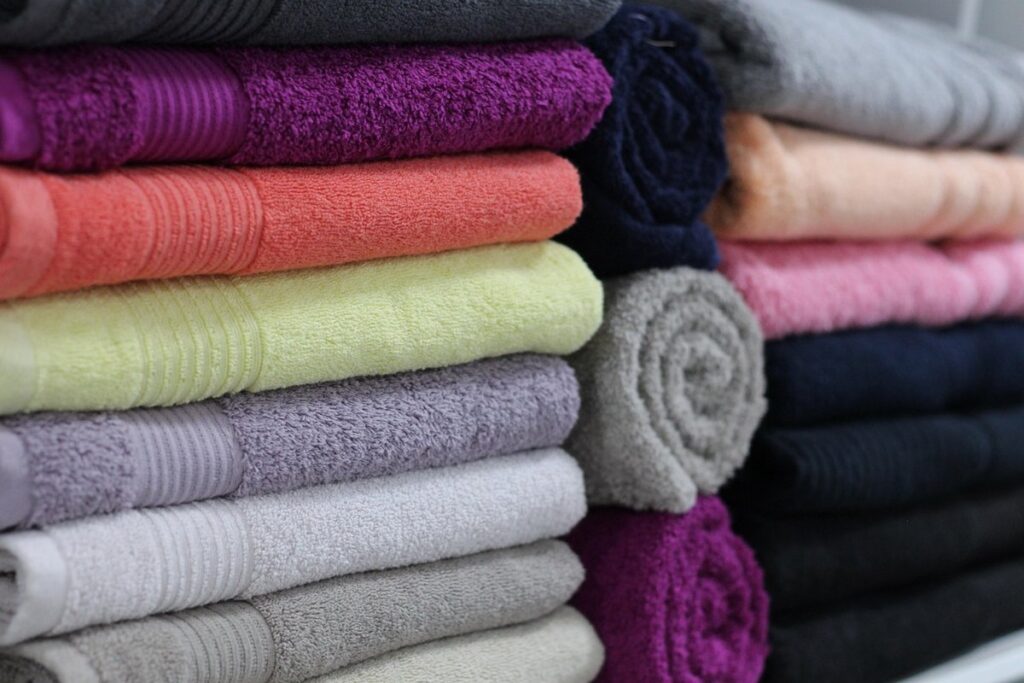
For towels, fold them in thirds both lengthwise and widthwise to create a neat, rectangular block that’s easy to store. This also helps maintain their absorbency by preventing creases from forming in the fabric. Sheets can be folded similarly, but it’s often more practical to use hospital corners when storing them on shelves or in drawers.
When folding linen items with a decorative edge, like table runners or placemats, fold the edges towards the center and press gently to create crisp folds. To prevent creases from setting into the fabric, avoid over-handling folded items and store them away from direct sunlight. Regularly re-folding your linens can also help maintain their shape and texture over time.
Long-Term Storage Solutions
When storing linen out of season, it’s essential to choose a method that preserves its quality and prevents creasing. Vacuum-sealing is an excellent option for storing blankets and comforters. Place the item in a large plastic bag or container specifically designed for vacuum sealing, making sure to remove as much air as possible before sealing. This will prevent dust mites and allergens from accumulating on the fabric.
For items like sheets and pillowcases, folding is a better approach. Store them in drawers or on shelves, folded neatly and in pairs to maintain their shape. Consider using acid-free tissue paper to separate layers and prevent creasing. Hanging linen can also be an option for delicate or special-care items, such as lace-trimmed tablecloths or embroidered pillow covers.
When storing linen, it’s crucial to keep them away from direct sunlight, moisture, and pests. Avoid folding or storing linens in attics or basements, where humidity levels are often high. Instead, opt for a cool, dry area like a closet or linen room. Regularly inspect your stored linen for signs of wear and tear, and consider rotating your seasonal items to ensure even usage and longevity.
Common Mistakes to Avoid
When it comes to linen care, many of us make mistakes that can damage our favorite fabrics, so let’s take a closer look at some common errors to steer clear of.
Over-Drying Linen
Over-drying linen can cause irreversible damage, leading to a loss of texture, softness, and even shrinkage. When linen is exposed to excessive heat for an extended period, its fibers weaken and become brittle. This can result in uneven wear, holes, or tears.
To prevent over-drying, it’s essential to monitor drying times closely. Check the fabric label for specific instructions on maximum heat and dry times. As a general rule, linen should be dried at low heat (or air-dried) to prevent excessive shrinkage. If you’re unsure about the optimal drying time, start by checking on your linen every 30 minutes.
Using fabric protectants can also help minimize damage from over-drying. Look for products specifically designed for linen and follow the manufacturer’s instructions for application. These treatments can provide an additional layer of protection against heat, moisture, and wear.
Remember that prevention is key when it comes to maintaining the quality of your linen. Regularly inspect your items after drying, and address any issues promptly to prevent further damage. By being mindful of drying times and using fabric protectants, you can enjoy your linen for years to come with minimal maintenance.
Using Too Much Detergent
Using too much detergent can be a major mistake when it comes to linen care. Not only does it leave behind a residue that can affect the texture and breathability of your linens, but it also puts unnecessary stress on your washing machine and environment.
When you over-dose on detergent, you may think you’re getting cleaner clothes, but in reality, you’re just pushing more chemicals through the wash cycle. This can lead to a buildup of suds that don’t rinse properly, leaving behind a sticky residue on your linens. Over time, this can cause your sheets and towels to become stiff and less absorbent.
The amount of detergent needed varies depending on the size of the load, water hardness, and type of linen being washed. A good rule of thumb is to use 1-2 tablespoons of detergent per load for standard wash cycles. For heavily soiled linens or bulkier items like duvets, you may need to adjust this amount accordingly. It’s also a good idea to opt for eco-friendly detergents that are designed specifically for washing delicate fabrics and won’t leave behind harsh chemical residues.
Advanced Linen Care Techniques
For those who want to take their linen care skills to the next level, we’ll cover advanced techniques that ensure your linens stay soft and fresh for years to come. These expert methods are perfect for experienced homekeepers.
Starching and Grooming Linen
Starching and grooming linen is a technique that requires attention to detail but can elevate the fabric’s texture and appearance. When starching, it’s essential to use the right amount of starch for the type of linen being treated. Too little starch may not provide enough structure, while too much can leave a sticky residue. A small amount of starch applied evenly with an iron should suffice.
To groom linen effectively, start by smoothing out wrinkles and creases using a steamer or a hot iron with a microfiber cloth. This helps relax the fibers, making them more receptive to subsequent treatments. Then, use a gentle starch spray or liquid starch specifically designed for delicate fabrics to add structure without weighing it down.
A key factor in achieving a crisp finish is allowing linen to dry naturally between washes. Avoid over-drying as this can cause shrinkage and damage to the fibers. For best results, hang linen garments outside where possible, away from direct sunlight that can fade colors. When ironing, use a moderate heat setting, keeping the fabric taut but not stretched. Regular starching and grooming will result in linens that look fresher for longer.
Hand Washing Delicates
When hand washing delicate linen items like lace, crochet, or beaded pieces, it’s essential to exercise care and precision. To start, check the care label for specific instructions, but as a general rule, use cold water and a mild detergent that’s free from harsh chemicals.
Fill a basin with enough cold water to fully submerge the item, then gently add a small amount of detergent. Soak the garment for about 15-30 minutes to allow the detergent to penetrate any intricate details or embroidery.
When washing delicate items, it’s crucial not to wring or twist them, as this can cause damage to fragile threads or beads. Instead, carefully lift the item out of the water and gently squeeze out excess moisture without wringing. Lay the garment flat on a clean towel to air dry away from direct sunlight and heat sources.
If you’re unsure about hand washing a specific piece, it’s better to err on the side of caution and avoid using water altogether. Consider spot cleaning delicate areas with a damp cloth or consulting a professional for guidance on restoring damaged or particularly sensitive items.
Conclusion: Linen Care for a Lifetime
To ensure your linens last a lifetime, it’s essential to adopt good care habits from the outset. Regular washing and ironing are crucial to maintaining their texture and preventing wear and tear. However, over-washing can lead to shrinkage and fabric weakening. Aim for gentle hand washing or machine washing on a low cycle with mild detergent. Avoid using fabric softeners or bleach, as these can damage linen fibers.
To prolong the life of your linens, it’s also vital to store them properly when not in use. Fold or hang items carefully to prevent creasing and allow air to circulate around each piece. Store folded items in a cool, dry place away from direct sunlight. Hanging linens should be done on sturdy hangers that won’t stretch the fabric.
Proper care extends beyond washing and storing; it also involves regular inspection for stains or wear. Promptly treat any spots with a mild solution of water and detergent before they set into the fabric. Regular ironing is another key practice to keep your linens looking their best. Ironing helps maintain crisp folds, prevents wrinkles, and restores the smooth texture of linen fibers.
Frequently Asked Questions
How often should I wash linen to maintain its breathability and freshness?
Yes, it’s recommended to wash linen every 1-2 weeks, depending on usage. Frequent washing helps prevent the buildup of body oils and sweat that can compromise linen’s natural cooling properties.
What if I accidentally over-dry my linen? Can I still rescue it from wrinkles?
Yes, you can still rescue wrinkled linen by steaming or ironing at a low temperature. However, be aware that repeated exposure to heat can damage the fabric, so it’s essential to use these methods judiciously.
How do I know if my linen is suitable for hand washing, and what are the benefits of doing so?
Linen items with delicate details, like lace or crochet, should be hand washed to prevent snagging. Hand washing also allows you to tailor your care approach to specific fabrics and their needs.
Can I use a fabric softener on my linen, and will it affect its breathability?
No, using fabric softeners on linen can clog its pores and compromise its natural cooling properties. Instead, consider using eco-friendly alternatives or no detergent at all for sensitive linens.
What’s the best way to store linen during off-seasons, especially when I have limited closet space?
Consider folding linen items like sheets and towels in airtight containers or vacuum-sealing them to prevent creasing and pest infestations. You can also hang linen garments on padded hangers or store them in labeled bins.