
Are you feeling stuck in your work or struggling to come up with new ideas? Creativity prompts can be just what you need to boost imagination, productivity, and problem-solving skills. These simple yet effective tools have been used by artists, writers, designers, and business professionals alike to overcome creative blocks and stay motivated. Whether you’re working on a painting, writing a novel, or developing a marketing campaign, creativity prompts can help you think outside the box and come up with innovative solutions. By using these prompts, you’ll learn how to tap into your imagination, experiment with new ideas, and achieve your goals more effectively. In this article, you’ll discover practical tips on how to use creativity prompts in various fields, from art to business, and unlock your full creative potential.
What are Creativity Prompts and Why Do They Matter?
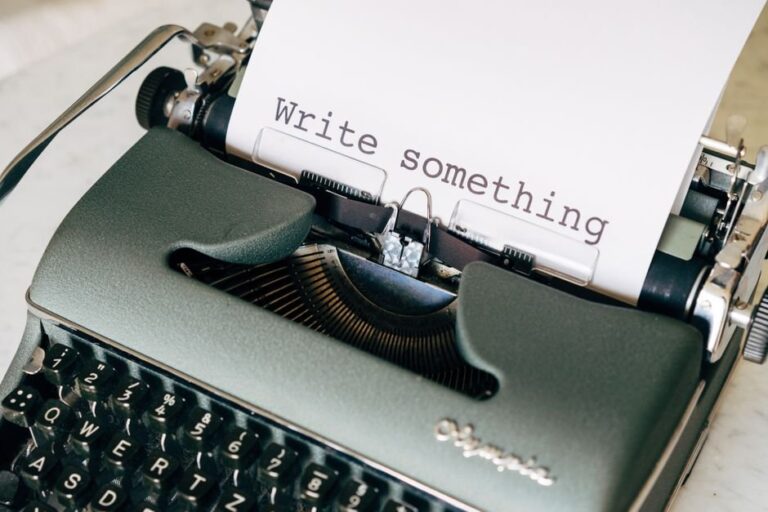
Creativity prompts can be a game-changer for anyone looking to boost their imagination and inspiration. Let’s explore what they’re all about and why they matter in your creative journey.
The Benefits of Using Creativity Prompts
Using creativity prompts can significantly boost your creative potential by improving problem-solving skills, enhancing imagination, and increasing productivity. One of the primary benefits is enhanced imagination. Creativity prompts encourage you to think outside the box, exploring novel connections between seemingly unrelated concepts. For instance, a prompt like “Design a city on Mars” forces you to consider factors such as gravity, atmosphere, and resources, leading to innovative solutions.
Another advantage is improved problem-solving skills. By providing a clear direction or constraint, creativity prompts help you navigate complex challenges more effectively. You can use them to break down daunting tasks into manageable parts, making it easier to make progress. Consider using a prompt like “What would happen if you combined two seemingly incompatible technologies?” to generate fresh perspectives on a long-standing problem.
Increased productivity is also a key benefit of using creativity prompts. By providing a clear goal or outcome, they help you stay focused and avoid unnecessary tangents. This can be particularly helpful when working on creative projects with tight deadlines. To maximize your results, try combining multiple prompt types or creating personalized ones tailored to your specific needs and goals.
Understanding the Science Behind Creativity Prompts
Creativity prompts tap into a complex interplay of psychological and neurological factors to stimulate creative thinking. Research suggests that prompts work by activating the brain’s default mode network (DMN), which is responsible for introspection, self-reflection, and mind-wandering. This network is typically suppressed when we’re focused on external tasks, but prompts help quiet the critical inner voice and allow the DMN to flourish.
When we receive a prompt, our brains begin to generate associations, connections, and ideas in a process known as “controlled association.” This mechanism involves the prefrontal cortex, which filters and evaluates information, and the basal ganglia, which facilitates the generation of new ideas. As we engage with prompts, we’re essentially exercising these neural pathways, strengthening their connectivity and increasing our ability to think creatively.
Understanding this science behind creativity prompts can help you maximize their effectiveness. For instance, using open-ended prompts that encourage exploration rather than specific answers can better tap into the DMN’s creative potential. Additionally, varying the types of prompts and allowing yourself regular breaks to engage in free-thinking activities can help prevent prompt fatigue and keep your creative juices flowing.
Types of Creativity Prompts: Finding What Works for You
Not every creativity prompt is created equal, and what works for one person might not work for another. Let’s explore some of the most popular types to find your best fit.
Word or Phrase-Based Prompts
Word or phrase-based prompts are a common and effective way to spark creativity. These prompts can be as simple as a single word, like “freedom” or “memory,” which can evoke powerful emotions and associations. In art, the use of single-word prompts has been explored by artists such as Marcel Duchamp, who titled his works with a single phrase or word, creating a new way of engaging with the artwork.
In literature, authors often use word-based prompts to generate ideas for characters, settings, or plot twists. For example, Ernest Hemingway’s short story “A Clean, Well-Lighted Place” begins with the image of an old man sipping coffee in a cafe, but the phrase itself could be used as a prompt for exploring themes of aging, loneliness, and human connection.
In everyday life, word-based prompts can help individuals overcome creative blocks by providing a clear direction or focus. For instance, if you’re struggling to come up with ideas for a project, try using a single word like “innovation” or “sustainability” as a prompt. Write down everything that comes to mind when thinking about these words, and see where the associations take you.
Scenario-Based Prompts
Scenario-based prompts offer a rich source of inspiration for creative projects. By immersing yourself in a fictional scenario, you can tap into your imagination and generate new ideas. This type of prompt is particularly useful when developing characters or world-building.
For example, imagine you’re tasked with creating a character backstory. A scenario-based prompt might ask you to describe a pivotal moment from the character’s past that shaped their personality. Alternatively, you could be asked to design a fictional world by describing its geography, climate, and cultural norms. This approach encourages you to think creatively about details such as language, customs, and architecture.
When working with scenario-based prompts, consider using specific settings or time periods to add depth to your creative work. For instance, designing a medieval village or a futuristic city can help you explore different architectural styles and societal structures. Additionally, try to incorporate sensory details, like the sounds of an ancient forest or the smells of a bustling marketplace.
To get started with scenario-based prompts, identify areas where you’d like to see improvement in your creative work. Do you struggle with character development? Use a prompt that asks you to describe a character’s home environment or daily routine.
Visual-Based Prompts
Visual prompts can be a powerful tool for sparking creativity. By using images, colors, and textures, you can tap into your imagination and create new ideas. Many famous artists have used visual prompts to inspire their work. For example, Salvador Dali would often use optical illusions and dreamlike imagery in his paintings to challenge his own perceptions and push the boundaries of art.
You can also experiment with color by assigning specific hues to different emotions or moods. For instance, blue might represent calmness, while red could evoke energy. By incorporating these colors into your work, you can create a visual language that reflects your creative vision.
Another approach is to use textures and patterns to add depth and interest to your creations. Consider combining smooth surfaces with rough ones or pairing geometric shapes with organic forms. This exercise can help you think outside the box and discover novel combinations of elements.
Some artists also find it helpful to create a “mood board” – a visual collection of images, colors, and textures that evoke a particular atmosphere or mood. By studying these boards, you can identify patterns and connections between seemingly disparate elements, unlocking fresh insights into your creative process.
Using Creativity Prompts in Different Fields: Real-World Applications
We’ll now explore how creativity prompts can be applied to fields beyond writing, from art and design to business and education. Think outside the box!
Art and Design
In art and design fields, creatives have leveraged prompts to break through creative barriers and produce innovative work. For instance, the renowned designer, Paula Scher, has spoken about using prompts to spark new ideas for her typography projects. She’d write down a series of seemingly unrelated words and then find connections between them, often leading to unique and striking design concepts.
Similarly, artists have used prompts as a catalyst for mixed-media art pieces. A painter might be given the prompt “an abandoned cityscape” and respond with a vibrant, textured painting that captures the essence of neglect and rebirth. The key is to experiment with different mediums and techniques while staying true to the original prompt’s spirit.
To get started, creatives can try generating their own prompts by combining abstract concepts or personal experiences. For example, they might combine “urban decay” with “nostalgia” to create a prompt that sparks an intriguing art piece. By embracing the unknown and allowing themselves to meander through different ideas, artists and designers can unlock fresh perspectives and create truly innovative work.
Writing and Storytelling
When it comes to writing and storytelling, creativity prompts can be a game-changer. They can help you overcome writer’s block by introducing new ideas and perspectives. For instance, a prompt like “Write a story from the perspective of an inanimate object” can lead to a unique narrative voice and fresh insights.
To develop new characters, try using prompts that focus on their backstory or motivations. Ask yourself questions like: What’s their greatest fear? What drives them? What’s their most cherished memory? These prompts can help you create complex, well-rounded characters that readers will love.
Exploring different genres is also a great way to challenge yourself and stay inspired. Try writing in a genre outside your comfort zone – say, sci-fi or fantasy – using prompts like “Write a story set on a distant planet” or “Create a magical world with its own rules.” These exercises can help you tap into new sources of creativity and discover hidden talents.
By incorporating these types of prompts into your writing routine, you’ll find yourself pushing beyond familiar boundaries and exploring new creative territories.
Business and Innovation
In a business setting, creativity prompts can be a powerful tool for driving innovation and growth. During brainstorming sessions, they can help teams generate fresh ideas and approaches to complex problems. For instance, a prompt like “Design a product that solves a common pain point for our target audience” can lead to innovative solutions that might not have been considered otherwise.
In product development, creativity prompts can be used to identify new features or functionalities that meet emerging customer needs. A prompt like “What if we could integrate AI-powered analytics into our existing platform?” can spark discussions around the feasibility and potential benefits of such a feature.
Marketing campaigns also benefit from creativity prompts, which can help teams develop engaging narratives and messaging that resonates with their target audience. For example, a prompt like “Tell the story of how our product has positively impacted customers’ lives” can lead to compelling brand storytelling that builds emotional connections with potential buyers.
To make the most of creativity prompts in business settings, it’s essential to keep them focused on specific goals and objectives. This ensures that the ideas generated are relevant and actionable, rather than just interesting or creative for their own sake. By incorporating creativity prompts into business operations, companies can foster a culture of innovation and stay ahead of the competition.
Overcoming Obstacles: Tips for Effective Use of Creativity Prompts
When faced with creative blocks, it’s essential to recognize that obstacles are an opportunity to innovate and think outside the box. We’ll explore practical strategies to overcome these challenges.
Overcoming Creative Blocks
When creative blocks strike, it can be frustrating and debilitating. To break through these barriers, try incorporating warm-up exercises into your routine. These activities stimulate your mind and get your creative juices flowing. For instance, freewriting involves writing whatever comes to mind without stopping or editing for a set period – usually around 10-15 minutes. This helps loosen up your thinking patterns and gets you in the right mindset for more focused creative work.
Another technique is to change your scene or environment. Sometimes, a physical change can spark new ideas and perspectives. Try working from a different location, such as a coffee shop or park, or rearranging your workspace to create a fresh atmosphere. You can also try combining sensory experiences like listening to music or nature sounds while you work.
If these techniques don’t immediately yield results, consider experimenting with other creative blocks breakers, like drawing or doodling, or taking short breaks to engage in physical activity. The key is finding what works for you and incorporating it into your daily routine.
Staying Motivated and Engaged
When working with creativity prompts, it’s common for momentum and interest to wane over time. To avoid this plateau, incorporate variety into your prompt selection. Experiment with different types, such as word or phrase-based prompts one day and scenario-based prompts the next. You can also switch between visual-based and written prompts to keep things fresh.
Another strategy is to create a schedule for using creativity prompts. Set aside dedicated time each week or month for exploring new ideas and projects. This regular commitment will help maintain momentum and prevent procrastination.
Additionally, make sure your prompt choices remain challenging yet achievable. When faced with an overly complex prompt, break it down into smaller, manageable tasks. Conversely, if a prompt feels too easy, try revising the parameters to increase the level of difficulty. By finding this balance, you’ll stay engaged and motivated throughout the creative process.
Some prompts may also benefit from collaboration or group work. Joining forces with fellow creatives can bring new perspectives and stimulate ideas. Alternatively, working alone allows for uninterrupted focus on your project’s specific needs. Experiment with both approaches to see what works best for you and your unique goals.
Advanced Techniques: Pushing the Limits of Creativity Prompts
Now that you’ve mastered the basics, it’s time to take your creativity prompts to the next level by experimenting with advanced techniques that push the boundaries of imagination.
Combining Multiple Prompt Types
When combining multiple prompt types, you can create more complex and engaging exercises that cater to different learning styles and cognitive strengths. For instance, pairing a word-based prompt with a scenario-based one can help you generate ideas for a fictional story while also considering the emotional resonance of the characters. This fusion can lead to richer, more nuanced creative outputs.
To start, identify which two or three prompt types complement each other best. You might choose to combine visual and word prompts to create a concept map, where images represent key concepts and words elaborate on their relationships. Alternatively, you could pair scenario and visual prompts to imagine and illustrate a futuristic cityscape.
A few things to keep in mind when combining multiple prompt types:
- Start with clear objectives: What do you hope to achieve by combining these prompts? Are you looking for innovative solutions or a deeper understanding of the subject matter?
- Choose compatible formats: Select prompts that can be integrated seamlessly, such as text and images or audio and video.
- Experiment with different combinations: Don’t be afraid to try out various pairings to see which ones yield the most intriguing results.
Creating Personalized Prompts
Creating personalized prompts is a crucial step in unlocking your full creative potential. By tailoring prompts to individual needs and interests, you can enhance their effectiveness and make them more engaging. To create effective personalized prompts, consider the following steps:
- Reflect on your goals and objectives: What specific aspect of creativity do you want to focus on? Is it writing, art, or problem-solving?
- Identify your strengths and weaknesses: Are there certain areas where you excel or struggle? This self-awareness will help you craft targeted prompts.
- Explore your interests and passions: Incorporate elements that resonate with you into the prompt. For instance, if you’re a nature enthusiast, use natural imagery in your prompt.
- Experiment with different formats: Don’t be limited to traditional text-based prompts. Try combining words with images, sounds, or even scents to stimulate your creativity.
By incorporating these steps into your prompt-creation process, you’ll be able to craft personalized and relevant stimuli that fuel your creative endeavors. This will not only make the experience more enjoyable but also lead to more innovative ideas and solutions.
Conclusion: Harnessing the Power of Creativity Prompts
Now that you’ve learned how to craft and use creativity prompts, it’s time to put them into practice and see real results in your creative endeavors.
Recapitulating Key Points
As you conclude your exploration of creativity prompts, remember that their versatility and effectiveness lie in their ability to be tailored to various needs and goals. Word or phrase-based prompts can spark new ideas for writers, artists, and designers, while scenario-based prompts can help business leaders think outside the box and tackle complex problems. Visual-based prompts, on the other hand, offer a unique way to explore and express creative potential.
One key concept to carry forward is that creativity prompts can be combined in various ways to create new experiences and outcomes. This might involve pairing visual and scenario-based prompts or using multiple word or phrase-based prompts in sequence. By understanding how these combinations work, you can unlock even more effective uses of creativity prompts in your personal and professional life.
To put this into practice, consider the following key takeaways: use a mix of prompt types to keep your creative process fresh; experiment with different combinations to find what works best for you; and don’t be afraid to adapt or modify prompts to suit specific needs. By embracing these strategies and staying open to new ideas, you can continue to harness the power of creativity prompts and unlock even more innovative potential.
Final Thoughts: Continuing Your Creative Journey
As you complete this guide to creativity prompts, remember that unlocking your creative potential is a continuous journey. It’s not about achieving some distant goal, but rather cultivating a mindset and habits that allow you to tap into your inner source of inspiration on a regular basis.
To maintain momentum, make sure to schedule dedicated time for creative exploration in your daily or weekly routine. Even 15-30 minutes a day can be enough to keep the creative juices flowing. Consider setting up a designated workspace or ritual that signals to your brain that it’s time to create.
Also, don’t be afraid to experiment and try new things – even outside of the prompts you’ve been using. This is where the real magic happens: when you push beyond what you think you’re capable of and stumble upon fresh ideas and perspectives. Remember that creativity prompts are merely a catalyst for your own unique expression.
Frequently Asked Questions
How Long Should I Set Aside Each Day for Working with Creativity Prompts?
Working with creativity prompts is most effective when done regularly, even if it’s just 15-20 minutes per day. Consistency is key to developing your creative muscle and seeing improvements in problem-solving skills and imagination.
What If My Creative Prompt Doesn’t Yield Any New Ideas – Am I Doing Something Wrong?
This is a common misconception about creativity prompts: they’re not meant to generate ideas instantly, but rather to stimulate your thinking and help you approach problems from different angles. If no new ideas emerge, try changing the prompt or combining it with another type of prompt.
Can I Use Creativity Prompts for Non-Creative Tasks Like Data Entry or Bookkeeping?
While creativity prompts are traditionally associated with artistic pursuits, they can be applied to any task that requires imagination and problem-solving skills. Try using word-based prompts to generate new names for products, services, or departments, or scenario-based prompts to explore different workflows.
What If I’m Struggling to Find the Right Combination of Prompts for My Specific Needs – Where Can I Get Help?
Reach out to fellow creatives online, join a community or forum focused on creative writing, art, or design, or consider working with a coach or mentor who can help you tailor prompts to your individual needs and goals.
How Do I Know When to Move Beyond Creativity Prompts and Start Working on My Own Projects?
Creativity prompts are meant to be a starting point for sparking new ideas, not a crutch for getting work done. Pay attention to when you feel like you’re consistently generating new ideas and solutions using prompts – it’s likely time to start working on your own projects and applying the skills and insights you’ve developed.

