
As you hang your clothes out to air-dry, you might have noticed a small symbol on some garments: the line dry symbol. This often-overlooked marking may seem insignificant at first glance, but it holds a crucial message for both consumers and manufacturers alike. By understanding what this simple mark represents, you can make more informed choices about your laundry habits and contribute to a more eco-friendly lifestyle. The line dry symbol is not just a decorative touch; it serves as a reminder of the importance of reducing energy consumption in the laundry process. In this article, we’ll explore the history behind the line dry symbol, its significance in promoting sustainable practices, and how it can help you save costs while doing your part for the environment, ultimately allowing you to make more informed choices about your line-dried garments by the end of reading this post.
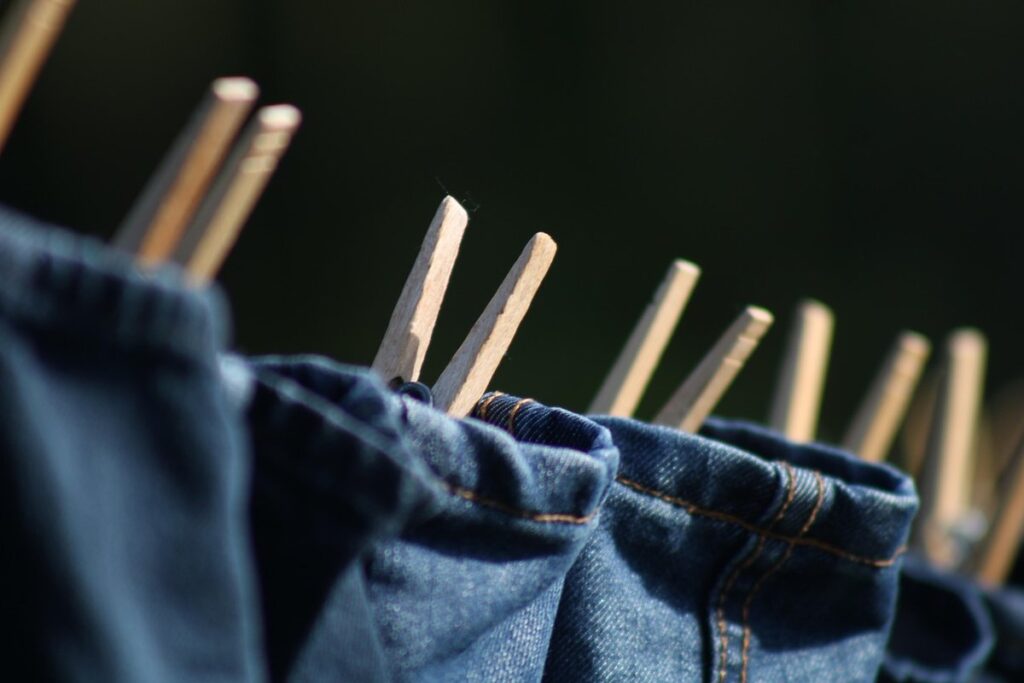
What is the Line Dry Symbol?
The line dry symbol might be unfamiliar, but understanding its meaning and origins can help you spot it everywhere, from laundry instructions to cultural references. Let’s break down what this simple symbol actually represents.
Brief History of the Symbol
The line dry symbol has its roots in ancient cultures, where it was used to indicate that a garment had been dried on a line rather than through machine drying. This practice dates back to ancient civilizations such as Egypt and Greece, where sun-dried garments were considered a luxury item due to their limited availability.
In these early societies, the line dry symbol served as a status marker, indicating that the owner of the garment could afford to have it air-dried rather than resorting to machine drying. The symbol was often used in conjunction with other markings or labels to convey the garment’s value and quality.
As civilizations evolved, so did the interpretation of the line dry symbol. In the Middle Ages, for example, the symbol became associated with hygiene and cleanliness. Garments bearing the line dry symbol were seen as less likely to harbor machine-drying odors and residues.
Today, the line dry symbol continues to evolve in response to changing consumer attitudes towards sustainability and energy efficiency. Its origins may be rooted in ancient cultures, but its modern significance is firmly grounded in environmental concerns and practical considerations.
Modern Uses of the Line Dry Symbol
The line dry symbol is increasingly used by manufacturers to promote their eco-friendly laundry products. Many clothing brands now use the symbol on their labels to indicate that their garments can be dried without heat, reducing energy consumption and minimizing wear and tear. This approach not only benefits the environment but also helps consumers save money on utility bills. Some companies have even started incorporating the line dry symbol into their product packaging as a way to differentiate themselves in a crowded market.
In addition to clothing labels and packaging, the line dry symbol is also appearing in laundry care products such as detergents and fabric softeners. These products often carry the symbol to indicate that they can help reduce energy consumption during the drying process or promote sustainable washing practices. The symbol’s widespread adoption has been driven by growing consumer awareness of environmental issues and a desire for more sustainable lifestyle choices.
When shopping for laundry products, look for the line dry symbol on packaging as an indicator of eco-friendliness. This simple yet effective symbol helps consumers make informed purchasing decisions that support environmentally responsible manufacturers. By choosing products with the line dry symbol, you can contribute to reducing your environmental footprint and promote a more sustainable laundry routine.
Applications of the Line Dry Symbol
The line dry symbol is a versatile mark that extends beyond its initial purpose, and one area where it’s particularly significant is in commercial transactions. We’ll examine some of the key applications here.
Textile Industry
The textile industry is a significant user of the line dry symbol, as it helps to promote fabrics that are treated with processes enhancing breathability, softness, and durability. This approach benefits manufacturers by reducing wear and tear on garments, thereby extending their lifespan. The textile industry can also minimize energy consumption by opting for air drying over machine drying.
For instance, some fabric manufacturers use the line dry symbol to indicate that their products have been treated with techniques such as sanforizing or easy-care finishing. These treatments help fabrics resist shrinkage and wrinkles, making them easier to care for. By using the line dry symbol on these fabrics, manufacturers can communicate to consumers that they’ve taken steps to reduce fabric distortion and improve overall performance.
Textile companies can also use the line dry symbol to promote sustainable practices within their supply chain. By choosing suppliers who adhere to environmentally friendly processes, manufacturers can contribute to a more eco-friendly textile industry. This not only benefits the environment but also helps to build brand reputation and customer loyalty.
Laundry Care Products
When laundry care products display the line dry symbol on their packaging, it’s a clear indication that they’re designed to work well with hand-washing and air-drying methods. This is particularly useful for delicate or special-care items that can’t be machine dried.
Detergents and fabric softeners are among the most common laundry care products featuring the line dry symbol. These products typically contain specialized formulas that help prevent wrinkles, reduce static cling, and preserve the colorfastness of fabrics. By choosing products with the line dry symbol, consumers can reduce their energy consumption and lower their utility bills.
Some popular examples of laundry care products with the line dry symbol include Seventh Generation’s eco-friendly detergent and Ecover’s fabric softener. These brands cater specifically to consumers who prioritize sustainability and prefer to air-dry their clothes whenever possible.
For those looking to adopt sustainable laundry practices, it’s essential to carefully read product labels and look for the line dry symbol. This simple step can significantly reduce your environmental impact while also saving you money on energy costs.
Benefits of Using the Line Dry Symbol
The line dry symbol is not just a design element, but also a practical indicator that can simplify your laundry routine and save you time in the long run. We’ll explore its benefits in more detail below.
Environmental Benefits
Reducing energy consumption is a significant environmental benefit of using the line dry symbol. When consumers are encouraged to air-dry their clothes instead of machine drying, it leads to a decrease in electricity usage. According to most studies, household laundry accounts for around 2% of total residential electricity consumption. By promoting line drying, we can make a noticeable dent in this statistic.
Another environmental advantage is the reduction of water waste associated with machine drying. Most washing machines use between 30-50 gallons of water per cycle, and when these clothes are then dried using hot air, it adds to overall water usage. A small minority of households have successfully transitioned to line drying, achieving a significant reduction in their water consumption.
Finally, the line dry symbol helps combat greenhouse gas emissions by reducing energy consumption. Typically, a washing machine and dryer combo uses as much electricity as a refrigerator. By choosing to air-dry clothes, consumers can significantly lower their carbon footprint. Most consumers are unaware of these statistics, which is why promoting the line dry symbol through clear labeling and transparent messaging is crucial for widespread adoption.
Cost Savings
Using products or processes that feature the line dry symbol can also lead to cost savings for consumers. Hand-washing or air-drying garments requires less energy than machine drying, which can translate into significant long-term savings on utility bills.
A typical household uses a substantial amount of electricity to power their clothes dryer. By switching to hand-washing and air-drying, you can reduce your energy consumption by up to 30%. Over the course of a year, this can add up to hundreds of dollars in savings. Moreover, line dry symbol-featured products often use eco-friendly materials that are gentler on clothing, reducing wear and tear and extending their lifespan.
To maximize cost savings, consider investing in a drying rack or clothesline for your laundry needs. These simple investments can make a significant difference in your utility bills over time. Additionally, look for products with the line dry symbol that are specifically designed to be energy-efficient and gentle on clothing. By making these small changes, you can not only save money but also contribute to a more sustainable future.
Challenges in Implementing the Line Dry Symbol
One of the biggest hurdles you’ll face when trying to implement the line dry symbol is understanding what it means for your specific business. Many companies struggle with accurately interpreting its guidelines.
Limited Consumer Awareness
To overcome limited consumer awareness, it’s essential to integrate educational content about sustainable laundry practices into product labels and marketing materials. Many consumers are unaware of the environmental impact of tumble drying clothes, with some estimates suggesting that up to 50% of a garment’s carbon footprint comes from the drying process.
Clothing manufacturers can play a significant role in raising awareness by including clear explanations of the line dry symbol on their packaging and websites. This could involve providing tips on how to air-dry specific types of fabrics or highlighting the environmental benefits of line drying.
Additionally, laundry care products that display the line dry symbol should be accompanied by guidance on how to use them effectively with air-drying methods. For example, a product label might include instructions on how to adjust washing machine settings for optimal line drying performance.
By providing consumers with clear information and practical advice, manufacturers can empower them to make more informed choices about their laundry habits and contribute to the widespread adoption of sustainable practices.
Standardization Issues
Standardization Issues pose a significant challenge to implementing the line dry symbol effectively. The lack of clear guidelines and regulations leads to inconsistencies across industries and countries, undermining its authenticity. For instance, some manufacturers may use the symbol as a marketing tool without adhering to established standards, while others might misinterpret its meaning altogether.
Developing standardized guidelines is crucial for ensuring that the line dry symbol conveys the same message universally. This involves collaborating between industry stakeholders, regulatory bodies, and consumer advocacy groups to establish clear criteria for its usage. Such collaboration can help address issues like varying symbol sizes, color schemes, or placement on labels.
To achieve standardization, a few key steps are essential:
• Establishing industry-wide guidelines that define the line dry symbol’s minimum requirements
• Developing a certification program to verify compliance with these standards
• Encouraging regulatory bodies to enforce these guidelines through legislation or voluntary agreements
Best Practices for Using the Line Dry Symbol
When using the line dry symbol, it’s essential to follow some key guidelines to avoid confusing customers and ensure accurate product labeling. This includes specific requirements for placement and formatting.
Authenticity Matters
To ensure authenticity, businesses must verify that their products meet the line dry symbol’s criteria. This involves checking if their garments can indeed be air-dried without shrinkage or damage. Manufacturers often test their fabrics to determine their drying properties and then label them accordingly. However, it’s not just about passing a test; genuine compliance requires ongoing monitoring of production processes.
Manufacturers must also ensure that the line dry symbol is applied correctly on labels and packaging. Misuse can be as simple as placing the symbol too close to other information or using a different font size. Clear labeling helps consumers understand what they’re getting, which in turn builds trust between manufacturers and customers. Consider this: if a product bearing the line dry symbol causes shrinkage or damage during drying, the consumer will likely associate that issue with the symbol itself, not just the product.
For manufacturers aiming to use the line dry symbol authentically, it’s crucial to maintain transparency throughout their operations. This includes sharing results of testing and quality control measures with consumers and stakeholders. By doing so, businesses can build credibility and reinforce trust in their products.
Transparency is Key
When a product or service displays the line dry symbol, consumers expect to receive specific benefits. However, these expectations can be met only if the manufacturer provides clear and accurate information about the features, benefits, and manufacturing processes related to its use of the symbol.
Transparency is key in this context because it helps build credibility with consumers. When manufacturers are open and honest about their production methods, materials, and testing procedures, they demonstrate a commitment to quality and safety. This transparency also fosters a deeper understanding among consumers, who can then make informed decisions when choosing products bearing the line dry symbol.
To achieve transparency, manufacturers should provide detailed information about the following:
- The type of fibers used in the product
- The washing and drying processes employed by the manufacturer
- Any relevant testing or certification procedures that have been conducted
By providing this information, manufacturers can establish trust with their customers and demonstrate a genuine commitment to meeting the expectations associated with the line dry symbol. This transparency is essential for maintaining the integrity of the symbol and ensuring its continued relevance in the marketplace.
Conclusion
The line dry symbol has been a topic of interest for many, and understanding its meaning and significance can be a valuable tool in personal growth and self-awareness. By recognizing the symbolism behind this image, individuals can gain insight into their own lives and experiences. The line dry symbol serves as a reminder that our struggles and hardships are not unique, but rather an integral part of the human experience.
In conclusion, embracing the meaning and significance of the line dry symbol requires an open mind and willingness to confront one’s own emotions and experiences. By doing so, individuals can develop a deeper understanding of themselves and their place in the world. This newfound self-awareness can lead to personal growth, improved relationships, and increased resilience in the face of adversity. As we move forward, remember that the line dry symbol is not just an image – it’s a powerful reminder of our shared human journey.
Frequently Asked Questions
Can I use the line dry symbol on my own handmade products?
You can indeed use the line dry symbol on your handmade products if they meet the criteria associated with sustainable and eco-friendly practices. To ensure authenticity, focus on using natural materials, minimizing waste, and promoting environmentally responsible manufacturing processes.
How do I communicate the benefits of line drying to my consumers when some may not be aware of its significance?
Educate your consumers about the importance of sustainable laundry practices by highlighting the environmental benefits, cost savings, and improved garment quality associated with hand-washing or air-drying. Consider collaborating with influencers or incorporating educational content into your marketing strategies.
What if I’m unsure whether my product meets the criteria for using the line dry symbol?
If you’re unsure about your product’s eligibility for the line dry symbol, consult industry guidelines or seek advice from experts in sustainable manufacturing. It’s better to err on the side of caution and focus on genuine eco-friendly practices rather than risking reputational damage through misuse.
Can I use the line dry symbol if my product is designed for machine drying but has some eco-friendly features?
The line dry symbol typically applies to products or processes that promote hand-washing, air-drying, or other sustainable laundry methods. If your product is primarily designed for machine drying with minor eco-friendly features, it may not be eligible for the symbol. Focus on highlighting these features separately and promoting a clear understanding of their benefits.
Is there a standard certification process for products bearing the line dry symbol?
While there isn’t a universal certification process for the line dry symbol, many industries and countries have established guidelines and standards for its use. Familiarize yourself with these regulations to ensure consistency and authenticity in your product’s labeling.

