
Many people have turned to making their own laundry detergent as a way to save money, reduce environmental impact, and avoid harsh chemicals found in commercial detergents. But is homemade laundry detergent safe for use? Before you start mixing up your own batches, it’s essential to consider the potential risks involved. While making your own detergent can be a cost-effective and eco-friendly alternative, some DIY recipes may contain toxic ingredients or cause skin irritation in sensitive individuals. On the other hand, using natural ingredients like washing soda and baking soda can provide a gentler, more sustainable cleaning option for your clothes and the environment. In this article, you’ll learn about the benefits and risks of making your own laundry detergent, so you can make an informed decision about what’s best for your family’s health and well-being: understanding whether homemade laundry detergent is truly safe to use.
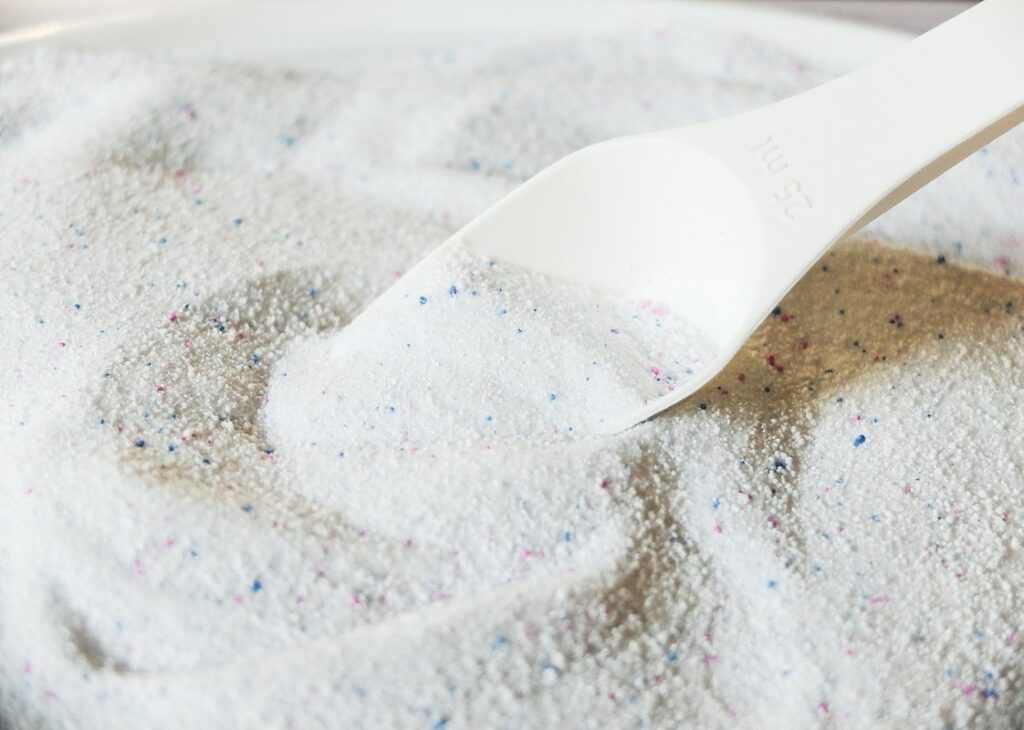
The Risks and Benefits of Making Your Own Detergent
While making your own laundry detergent can be a cost-effective and eco-friendly option, it also comes with its own set of risks and benefits that you should consider carefully. Let’s weigh these factors side by side to make an informed decision.
Understanding the Potential Risks of Homemade Detergent
When using homemade laundry detergent, you may be exposing yourself and others to potential health risks. Skin irritation is a common complaint among those who make their own detergent, often due to high concentrations of soap or sodium lauryl sulfate (SLS). These irritants can cause redness, itching, and dryness on the skin, particularly for individuals with sensitive skin.
Respiratory problems may also arise when handling homemade laundry detergent, especially if you’re using a poorly ventilated area. Inhaling particles from powders or dusts can exacerbate conditions like asthma or trigger allergic reactions. Furthermore, improper storage of homemade detergents can lead to contamination and infection. Bacteria and mold can thrive in damp environments, posing a risk to users.
To mitigate these risks, it’s essential to handle homemade laundry detergent with care. Wear gloves when mixing and handling the detergent, and ensure good ventilation when using it. Store your homemade detergent in airtight containers to prevent moisture buildup and contamination. Regularly inspect your detergent for signs of spoilage or mold growth. By taking these precautions, you can minimize the potential risks associated with using homemade laundry detergent.
Common Ingredients Used in Homemade Detergents
Washing soda and borax are two of the most commonly used ingredients in homemade laundry detergents. Washing soda is a type of sodium carbonate that acts as an abrasive to remove tough stains, while borax is a mineral compound that helps soften water and prevent soap scum buildup. Both ingredients have been used for decades as natural alternatives to commercial detergents.
However, it’s essential to note that washing soda can be irritating to skin and eyes if not handled properly. Borax, on the other hand, has raised health concerns due to its potential link to respiratory issues when inhaled. When using either ingredient, make sure to wear protective gloves and eyewear, and avoid inhaling dust or powder.
Soap flakes, derived from natural soap-making processes, are another common component of homemade laundry detergents. They provide a gentle cleaning action without the harsh chemicals found in commercial products. However, some soap flakes may contain additives like fragrances or dyes that can cause allergic reactions in sensitive individuals. When selecting soap flakes for your homemade detergent, opt for fragrance-free and dye-free options to minimize risks.
When working with these ingredients, it’s crucial to follow proper handling and storage guidelines to avoid accidents and exposure risks.
Benefits of Making Your Own Laundry Detergent
Making your own laundry detergent offers several benefits. One of the most significant advantages is cost savings. By using simple ingredients like washing soda and borax, you can create a large batch of detergent for a fraction of the cost of commercial products. A typical recipe yields around 10 pounds of detergent, which is equivalent to about 100 loads of laundry.
Another benefit of making your own laundry detergent is environmental sustainability. Many commercial detergents contain harsh chemicals that can harm aquatic life and contaminate soil and water. In contrast, homemade detergents are often free from these toxic substances and can be customized to use natural ingredients like soap nuts or essential oils.
You also have the option to customize your detergent to suit your family’s specific needs. Do you have sensitive skin? Use a fragrance-free recipe or opt for a detergent that uses gentle surfactants. Want to reduce your environmental footprint further? Experiment with using soap flakes or making your own washing soda from natural sources like limestone.
By making your own laundry detergent, you can enjoy significant cost savings, promote environmental sustainability, and tailor the product to your family’s unique needs.
The Science Behind Homemade Laundry Detergents
Many homemade laundry detergent recipes rely on a combination of natural ingredients, such as washing soda and borax, to clean clothes effectively. Understanding how these ingredients work together is crucial for making a safe and reliable homemade detergent.
Surfactants: What They Do and Why They’re Important
Surfactants are a crucial component of laundry detergents, responsible for lifting and removing dirt and stains from clothing. They work by reducing the surface tension between water and oil, allowing it to penetrate deep into fabric pores and emulsify oils and waxes. This process makes it easier for water to rinse away dirt and debris, leaving clothes clean.
There are two primary types of surfactants: anionic and non-ionic. Anionic surfactants, such as sodium lauryl sulfate (SLS), have a negative charge that helps them bind to positively charged particles like dirt and dust. Non-ionic surfactants, like Tween 20, don’t carry a charge but are still effective at emulsifying oils.
Different types of surfactants suit different needs. For example, high-sudsing surfactants create rich lather for effective stain removal, while low-sudsing options reduce residue buildup on fabrics. Using the right type of surfactant ensures your homemade laundry detergent cleans effectively and gently. When selecting a surfactant, consider its concentration, pH level, and potential skin irritancy to ensure safe use in your homemade detergent.
pH Levels and Their Impact on Laundry Detergent Safety
pH levels play a crucial role in laundry detergent safety. The ideal pH range for laundry detergents is between 9 and 10.5, which is slightly alkaline. When the pH level is too high or too low, it can cause skin irritation, damage to fabrics, and even affect the effectiveness of the detergent.
If the pH level is too high (above 11), it can lead to skin burns and irritation due to the increased alkalinity. On the other hand, if the pH level is too low (below 8), it may not effectively remove dirt and stains from clothes, potentially causing fabric wear and tear.
In homemade laundry detergent recipes, common ingredients like baking soda and washing soda can cause pH levels to fluctuate. For example, using too much baking soda can increase the pH level, while using insufficient amounts of washing soda may not provide enough alkalinity. To ensure safe and effective laundry detergent, it’s essential to monitor and adjust the pH levels accordingly.
When making homemade laundry detergent, you can use pH test strips or pH paper to check the pH level of your mixture. This will help you identify any potential issues and make adjustments before using the detergent.
The Role of Enzymes in Homemade Laundry Detergents
Enzymes play a crucial role in breaking down protein-based stains such as blood and grass. These enzymes, commonly derived from bacteria like Bacillus subtilis, work by cleaving the protein molecules into smaller components that can be easily rinsed away. This process is essential for effective cleaning, especially when dealing with tough stains.
There are two main types of enzymes used in laundry detergents: proteases and amylases. Proteases target protein-based stains while amylases break down starch-based stains like those found in food spills. The inclusion of these enzymes ensures that your homemade detergent can tackle a wide range of stains, from everyday messes to more challenging ones.
To be effective, enzymes require optimal temperature and pH conditions. Typically, they work best at temperatures between 100°F and 140°F (38°C to 60°C), and in a slightly alkaline environment with a pH level between 9 and 11. By understanding the role of enzymes in your detergent, you can adjust the recipe accordingly to achieve better stain removal results. If using a commercial enzyme supplement, be sure to follow the recommended dosage and application instructions carefully.
Safety Precautions for Making and Using Homemade Laundry Detergent
Before making your own laundry detergent, it’s essential to consider some crucial safety precautions to avoid potential skin irritation and other adverse reactions. These guidelines will help you create a safe and effective homemade laundry detergent.
Handling and Storage Guidelines
When making homemade laundry detergent, it’s essential to prioritize proper ventilation and protective gear. Work in a well-ventilated area, away from direct sunlight and heat sources, to prevent the buildup of potentially hazardous fumes or dust particles. Wear long sleeves, gloves, and safety goggles to protect yourself from skin and eye irritation.
For storage, use containers specifically designed for storing laundry detergent or similar household chemicals. Label these containers clearly with their contents and date stored. Store them in a secure location that is inaccessible to children and pets, such as a high shelf in a garage or basement. Avoid storing homemade laundry detergent near areas where food is prepared or consumed.
To ensure the effectiveness of your homemade detergent, maintain proper storage conditions. Keep the container tightly sealed when not in use, and store it in an area with a consistent temperature between 60°F to 80°F (15°C to 27°C). Regularly inspect containers for signs of leakage, damage, or pest infestation. If you notice any issues, replace the container immediately.
Allergic Reactions and Sensitivities
When making homemade laundry detergent, it’s essential to consider potential allergens and sensitivities. Fragrances and dyes are common culprits, as they can cause skin irritation, respiratory issues, or even anaphylaxis in severe cases.
Some fragrances, such as essential oils like lavender or tea tree oil, may be particularly problematic for people with sensitive skin. These oils can be highly concentrated and may not be fully disclosed on ingredient labels. Dyes, especially artificial ones, can also cause allergic reactions or contact dermatitis.
To identify potential allergies or sensitivities, pay attention to any redness, itching, or rashes after using homemade laundry detergent. If you notice unusual symptoms, consult a healthcare professional for guidance.
When choosing ingredients, opt for fragrance-free and dye-free alternatives whenever possible. Consider using natural fragrances like citrus extracts or plant-based dyes, which tend to be milder. Always follow proper handling and storage guidelines to minimize exposure risks.
Cleaning Up Spills and Accidents
In case of a spill or accident involving homemade laundry detergent, it’s essential to act quickly and carefully. If you experience skin irritation or allergic reactions after handling the detergent, wash the affected area with soap and water immediately. For minor skin issues, an antihistamine cream can help alleviate symptoms.
If you’ve spilled the detergent on surfaces, clean up as soon as possible using a gentle cleaner like dish soap and warm water. Avoid using abrasive materials that could scratch surfaces or spread the spill further. If the spill reaches eyes or mouth, rinse with plenty of water and seek medical attention if irritation persists.
In emergency situations, contact your local poison control center at 1-800-222-1222 for guidance on how to proceed. Always store homemade laundry detergent in a well-ventilated area away from children and pets, using the original container or a sealed container with a label indicating its contents. When handling spills, wear gloves and work in a well-ventilated space to minimize inhalation of any fumes that may be released during cleanup.
Environmental Impact of Homemade Laundry Detergents
While making laundry detergent at home can be a cost-effective and eco-friendly option, it’s essential to consider its potential environmental impact on our waterways and ecosystems. We’ll examine this aspect of homemade detergents more closely below.
Eco-Friendly Alternatives to Commercial Detergents
Making your own laundry detergent is not only a safer alternative to commercial detergents but also a more eco-friendly one. One of the primary concerns with commercial detergents is their packaging waste. These single-use plastic bottles, cardboard boxes, and labels contribute significantly to landfills and oceans worldwide.
In contrast, homemade laundry detergent often comes in reusable containers or even DIY packets made from cloth or paper bags. This approach drastically reduces packaging waste, making it an attractive option for environmentally conscious households. Additionally, many commercial detergents contain synthetic fragrances, dyes, and preservatives that can harm aquatic life and contribute to water pollution.
Some eco-friendly alternatives to commercial detergents include soap nuts, washing soda, and borax. These natural ingredients are biodegradable, non-toxic, and gentle on skin. When using these alternatives, it’s essential to follow the recommended dosages to avoid overusing them, which can lead to buildup in your washing machine or affect the quality of your laundry.
By switching to homemade laundry detergent made with eco-friendly alternatives, you can significantly reduce your environmental footprint while enjoying cleaner clothes and a safer home.
Comparison with Commercial Laundry Detergents
When it comes to environmental impact, homemade laundry detergent often fares better than its commercial counterpart. Commercial detergents typically require more resources for production and transportation, contributing to greenhouse gas emissions and pollution. In contrast, making your own laundry detergent at home can significantly reduce packaging waste and minimize the carbon footprint associated with transportation.
However, some argue that homemade detergents may not be as effective in terms of water conservation. Commercial detergents are often designed to use less water during washing cycles, whereas homemade recipes might require more frequent washing or additional rinses to achieve clean clothes. To mitigate this issue, consider using concentrated detergent formulas or opting for high-efficiency washing machines that can accommodate the slightly higher water needs.
Another consideration is the potential for increased energy consumption when making homemade detergent at home. While many commercial detergents rely on harsh chemicals and synthetic fragrances, some eco-friendly options are available in stores. If you do choose to make your own laundry detergent, aim to use a recipe with minimal heat requirements during processing and consider using energy-efficient appliances for mixing and storage.
Regulatory Compliance and Labeling Requirements
To use homemade laundry detergent safely, you need to be aware of regulatory compliance and labeling requirements that affect its production. We’ll break down what you need to know in this section.
Understanding Local Regulations and Laws
Before selling or distributing homemade laundry detergent, you must comply with local regulations and laws. These regulations vary by state and even country, so it’s essential to research the specific requirements for your area. In the United States, for instance, the Environmental Protection Agency (EPA) regulates certain chemicals used in household cleaners, including some commonly found in homemade laundry detergents.
When it comes to labeling, you’ll need to provide clear information about the contents and potential hazards of your product. This includes listing any hazardous ingredients, such as sodium hydroxide or borax, which can cause skin irritation or other adverse effects. You may also be required to include instructions for safe handling, storage, and disposal.
Some states have specific labeling requirements for homemade products sold at farmers’ markets or craft fairs. Check with your local authorities to determine if any special permits or licenses are needed to sell homemade laundry detergent in your area. Familiarize yourself with the necessary documentation and guidelines to avoid any potential issues or fines.
Labeling Guidelines for Homemade Laundry Detergents
When creating a homemade laundry detergent label, it’s essential to include clear and accurate information about the product. Start by listing all ingredients used, including their concentrations and quantities. This is particularly important for individuals with sensitive skin or allergies who need to be aware of potential irritants.
In addition to ingredient listings, provide instructions on how to use the detergent safely and effectively. This may involve specifying the recommended dosage, wash temperature, and any special precautions to take when handling the product.
Warning statements are also crucial, as they inform users about potential hazards associated with the detergent. Be sure to address topics such as skin irritation, eye damage, and respiratory problems that can arise from inhaling powder or experiencing skin contact.
To ensure compliance with local regulations, familiarize yourself with relevant laws and guidelines for labeling homemade laundry detergents in your area. Some jurisdictions may require specific warning statements or labels depending on the ingredients used.
Here are some essential items to include on your label:
- Ingredient list with concentrations and quantities
- Instructions for safe use (dosage, wash temperature, handling precautions)
- Warning statements for potential hazards (skin irritation, eye damage, respiratory problems)
Conclusion: Is Homemade Laundry Detergent Safe?
Now that we’ve weighed the pros and cons of making your own laundry detergent, it’s time to consider the safety implications of using homemade recipes in your household. This section explores potential risks to you and your family.
Summary of Key Points and Takeaways
To summarize, making homemade laundry detergent can be a safe and effective alternative to commercial detergents, but it requires careful attention to detail. This involves understanding the potential risks associated with certain ingredients, handling and storing the detergent properly, and being mindful of pH levels and enzymatic activity.
When weighing the benefits against the risks, consider that many common allergens and irritants are eliminated when you make your own laundry detergent. However, if not done correctly, homemade detergents can pose health hazards to users. It’s essential to follow safety guidelines for handling and storage, as well as take precautions in case of spills or accidents.
For those who choose to continue making their own laundry detergent, it’s crucial to stay informed about regulatory compliance and labeling requirements. This may involve understanding local regulations and laws governing homemade detergents, as well as adhering to proper labeling guidelines.
Here are some key considerations for safe homemade laundry detergent:
- Use gentle ingredients and avoid harsh chemicals
- Store the detergent in a cool, dry place away from children and pets
- Label the detergent with clear instructions and ingredient lists
- Dispose of spills or accidents promptly and properly
Ultimately, whether making homemade laundry detergent is safe depends on your individual situation and circumstances. By being informed and taking necessary precautions, you can enjoy the benefits of homemade laundry detergent while minimizing potential risks.
Frequently Asked Questions
What if I have sensitive skin and want to make my own laundry detergent? Is it still safe for me?
Yes, making your own laundry detergent can be safe for people with sensitive skin, but you’ll need to carefully select ingredients that are gentle on skin. Look for alternatives to harsh chemicals like sodium lauryl sulfate or opt for natural soap flakes.
How do I store homemade laundry detergent long-term without it losing its effectiveness?
To maintain the potency of your homemade laundry detergent over time, store it in an airtight container, such as a glass jar with a tight-fitting lid. Keep it away from direct sunlight and moisture to prevent degradation.
Can I make homemade laundry detergent if I have pets or allergies in my household?
While making homemade laundry detergent can be a great option for many households, it’s essential to consider any potential allergens or irritants that may affect your pets or family members with allergies. Be sure to use hypoallergenic ingredients and take necessary precautions when handling the detergent.
What if I accidentally ingest some of the homemade laundry detergent while making it? Should I seek medical attention?
No, accidental ingestion is unlikely to cause severe harm, but it’s still essential to rinse your mouth thoroughly and drink plenty of water. If you experience any symptoms like nausea or vomiting, consult a healthcare professional for guidance.
Can I use my homemade laundry detergent in high-efficiency washing machines (HE)?
Yes, many homemade laundry detergents can be used in HE washing machines, but ensure that the ingredients are compatible with the machine’s requirements. Some common issues include excessive foam buildup or reduced effectiveness due to inadequate rinsing.

