
Freezing butternut squash can be a game-changer for home cooks who want to enjoy this nutritious vegetable year-round. Not only is it a delicious addition to soups, stews, and roasted vegetables, but it’s also packed with vitamins A and C, potassium, and fiber. However, freezing butternut squash requires some care to preserve its texture and flavor. The key is to choose the right squash, cook it properly, and store it in the freezer with the right techniques. In this article, we’ll walk you through a step-by-step guide on how to freeze butternut squash perfectly. We’ll cover the best methods for cooking and cooling the squash before freezing, as well as tips for storing and thawing frozen butternut squash to achieve perfect results every time. By following these simple steps, you’ll be able to enjoy this versatile vegetable throughout the year.
Choosing the Right Butternut Squash
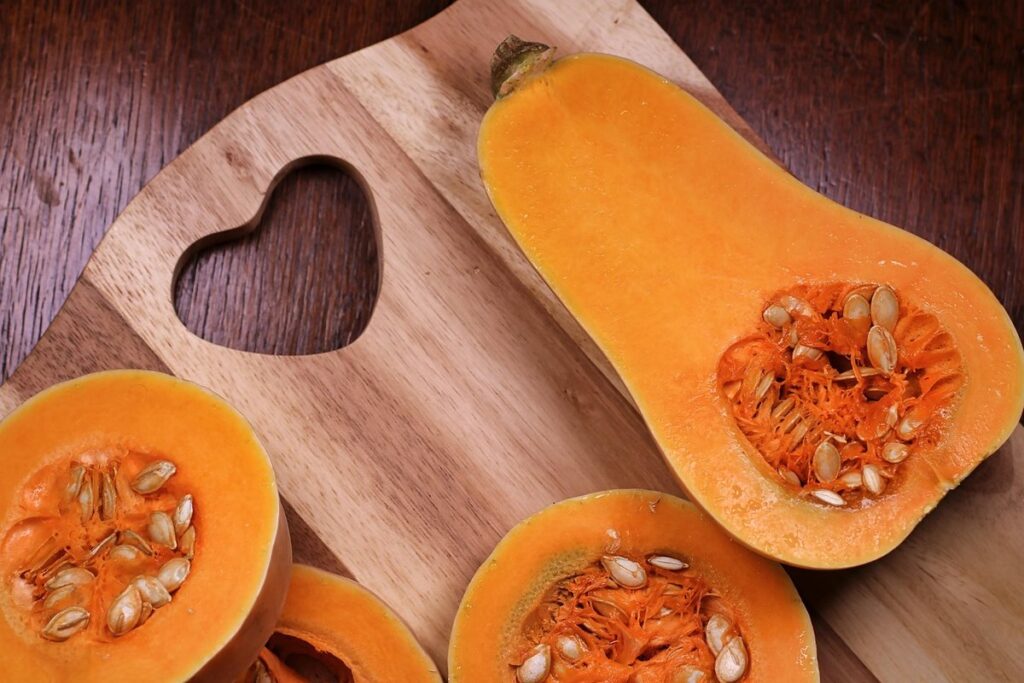
When selecting a butternut squash for freezing, look for ones that are heavy for their size and have a hard, smooth skin, as these will be easier to cook and store. Choose one that’s free of bruises and soft spots too!
Selecting the Perfect Squash
When selecting a butternut squash for freezing, it’s essential to choose one that is ripe and healthy. A good butternut squash should have a hard, smooth skin with no soft spots or bruises. The size and shape of the squash can vary, but generally, a medium-sized squash weighing between 2-3 pounds is ideal.
A ripe butternut squash will typically have a tan or beige color, with some green patches on the stem end. Avoid squashes with white or pale yellow skin, as they may be immature. Gently lift the squash to check its weight; a heavy squash indicates high water content and a sweeter flavor.
When comparing different squashes, look for ones that are symmetrical in shape and have a well-defined neck and blossom end. A slightly curved or tapering shape can indicate a higher sugar concentration, making it better suited for freezing. Check the stem end for any signs of moisture or mold; if you notice any, avoid the squash altogether.
When selecting multiple squashes, choose ones that are similar in size and shape to ensure even cooking and freezing results.
Preparing the Squash for Freezing
To prepare butternut squash for freezing, you’ll need to cut and peel it first. Cut off both ends of the squash to create a stable base and prevent it from rolling around while you work with it. Next, cut the squash in half lengthwise, following the natural curve of the fruit. Scoop out the seeds and pulp with a spoon, being careful not to puncture the surrounding flesh.
Now, peel the squash using a vegetable peeler or a sharp knife. Start at the top and work your way down, applying gentle pressure to avoid tearing the skin. If some areas are stubborn, you can use a bit more force or try peeling in small increments.
Once peeled, cut the squash into manageable pieces for cooking or freezing. For roasting or boiling, you can leave it in chunks or cubes. For pureeing, peel and chop the flesh into smaller bits. Cook the squash until tender, either by roasting at 400°F (200°C) for about 45 minutes or by boiling/steaming until easily pierced with a fork.
Cooking Methods for Butternut Squash Before Freezing
Before freezing your butternut squash, you’ll want to choose a cooking method that suits its texture and flavor. Roasting, steaming, and boiling are popular methods for preparing butternut squash before freezing.
Roasting the Squash
Roasting butternut squash is a great way to bring out its natural sweetness and depth of flavor before freezing. Preheat your oven to 425°F (220°C). Cut the squash in half lengthwise, scoop out the seeds and pulp, and place it on a baking sheet lined with parchment paper.
Drizzle the squash with olive oil, making sure each half is evenly coated. Sprinkle with salt, pepper, and any other desired spices or herbs – such as cinnamon, nutmeg, or sage. Roasting time will depend on the size of your squash, but typically it takes around 30-40 minutes for smaller squash and up to an hour for larger ones.
Check for doneness by inserting a fork into the flesh; if it slides in easily, the squash is cooked through. Let it cool slightly before scooping out the flesh and proceeding with freezing. You can roast multiple squash at once, just make sure they have enough space on the baking sheet to prevent steaming instead of roasting.
Some important considerations when roasting butternut squash: higher temperatures will caramelize the sugars more quickly, while longer cooking times may result in a softer texture.
Boiling or Steaming the Squash
Boiling or steaming are two effective methods for cooking butternut squash before freezing. Both techniques break down the cell walls of the squash, making it easier to blend into a smooth consistency later on. However, boiling can result in a slightly softer texture than roasting, which may be desirable for some recipes.
To boil the squash, place it in a large pot and add enough cold water to cover its surface. Bring the water to a boil, then reduce the heat to medium-low and simmer for 20-25 minutes or until the squash is tender when pierced with a fork. Drain the water and let the squash cool before pureeing or freezing.
Steaming, on the other hand, helps retain more of the squash’s nutrients since it doesn’t involve submerging the vegetable in water. To steam the squash, cut it into manageable pieces and place them in a steamer basket over boiling water. Cover the pot with a lid and steam for 20-25 minutes or until the squash is tender when pierced with a fork.
Regardless of whether you boil or steam your butternut squash, make sure to let it cool completely before freezing. This will help prevent any condensation from forming and affecting the texture of the frozen squash.
Freezing Techniques for Butternut Squash
Freezing butternut squash requires careful consideration of its texture and moisture levels to achieve optimal results. We’ll cover the best techniques for freezing butternut squash to preserve its flavor and nutrients.
Individual Portions
Freezing butternut squash in individual portions is a great way to use up the entire squash and have pre-portioned servings ready for future recipes. To do this, scoop out the cooked squash flesh and divide it into airtight containers or freezer bags. You can portion it out in various ways, such as 1/2 cup or 1-cup increments, depending on your needs.
When freezing individual portions, consider the size of your typical recipe and the number of servings you want to have on hand. If you’re making soups or stews that require a smaller amount of squash, portion it out in smaller amounts (about 1/2 cup). For casseroles or bakes that need more squash, portion it out in larger amounts (about 1-2 cups).
When filling containers or bags, be sure to remove as much air as possible before sealing to prevent freezer burn. You can also press down on the squash to remove any excess air and ensure a tight seal. This will help preserve the flavor and texture of the frozen squash when you’re ready to use it in future recipes.
Cubed or Pureed Squash
Freezing cubed or pureed butternut squash offers a convenient and flexible way to incorporate this nutritious ingredient into various recipes. For cubed squash, start by roasting or boiling it until tender, then let it cool before cutting it into 1-inch cubes. Transfer the cubes to an airtight container or freezer bag, making sure to remove as much air as possible to prevent freezer burn.
Alternatively, puree cooked butternut squash in a blender or food processor until smooth. This can be done with either roasted or boiled squash. For a slightly chunkier texture, pulse the blender a few times instead of blending continuously. Transfer the pureed squash to an ice cube tray and freeze, then transfer the frozen cubes to an airtight container or freezer bag for storage.
To use frozen cubed or pureed squash in soups, stews, casseroles, and bakes, simply thaw what you need and add it to your recipe. Frozen butternut squash can also be used as a base for sauces, baby food, or even as a topping for yogurt or oatmeal. When storing frozen cubed or pureed squash, label the container with its contents and date of freezing to ensure you use the oldest items first.
Whole Squash
Freezing whole butternut squash is a great way to preserve its flavor and nutrients for later use in soups or stews. To freeze whole butternut squash, follow these steps: first, carefully cut off the stem end of the squash, then wrap it tightly in plastic wrap or aluminum foil, making sure to seal any air pockets that could cause freezer burn. Next, place the wrapped squash in a freezer-safe bag or container, pressing out as much air as possible before sealing.
Label and date the container so you can easily identify it later. When frozen, whole butternut squash can be used directly in recipes, simply thawing the needed amount when cooking. Frozen whole squash will typically keep for 6-8 months. Keep in mind that freezing will not affect the texture of the squash, but it may become slightly softer after thawing. If you plan to use your frozen squash in soups or stews, consider scooping out the cooked flesh and freezing it instead – this will make it easier to add the correct amount of squash to your recipe when cooking.
Freezer Storage and Organization
Now that you’ve frozen your butternut squash, it’s time to think about storing it for future use. Learn how to properly store and organize your frozen squash in our next section.
Labeling and Dating Containers
Labeling and dating containers when storing frozen butternut squash is crucial for maintaining organization, ensuring food safety, and making the most of your stored squash. A clear label on each container indicates its contents and helps you quickly identify what’s inside without having to thaw it first. Dating the containers is equally important as it lets you track how long they’ve been in the freezer.
Use a permanent marker or label maker to write the contents and date on each container in a legible font. Include the type of squash, its weight or volume, and the date it was frozen. This information will help you keep track of which containers are oldest and need to be used first.
When labeling, consider the following details:
• The type of butternut squash (e.g., roasted, boiled, pureed)
• Its weight or volume in cups or pounds
• The date it was frozen
• Any additional notes (e.g., “used in soup” or “not suitable for baking”)
By labeling and dating your containers correctly, you’ll be able to easily identify which squash is oldest, use the correct portions in recipes, and maintain a clean and organized freezer.
Storing Frozen Squash
Freezer storage conditions for frozen butternut squash are crucial to maintaining its quality and safety. Store frozen squash at 0°F (-18°C) or below, as this temperature prevents the growth of bacteria, yeast, and mold. The ideal humidity level is around 50-60%, which helps prevent moisture from accumulating on the squash’s surface.
Freezer organization is also essential for easy access to your stored squash. Consider using airtight containers or freezer bags to store individual portions or cubed/pureed squash. Be sure to label each container with its contents and date, so you can easily identify what you have in storage.
To minimize freezer burn and preserve the squash’s texture and flavor, it’s essential to keep your frozen stash organized and not overcrowd your freezer. Typically, a small space of about 1-2 inches (2.5-5 cm) between containers is sufficient for air circulation. This prevents moisture from condensing on the containers’ surfaces and promotes even freezing.
Remember that frozen squash will typically last for 8 to 12 months when stored properly in your freezer.
Using Frozen Butternut Squash in Recipes
Now that you’ve frozen your butternut squash, let’s explore some creative ways to use it in a variety of recipes, from soups to baked goods.
Soups and Stews
When working with frozen butternut squash in soups and stews, it’s essential to thaw it first. You can do this by leaving the container at room temperature for a few hours or microwaving it according to package instructions. Once thawed, the squash is ready to be added to your recipe.
In general, you can treat frozen butternut squash just like fresh when cooking. Simply peel and dice it as needed, then add it to your pot along with your aromatics and broth. Cooking times may vary slightly depending on the method – typically a 20-30 minute simmer is sufficient for most soups and stews.
Some tips to keep in mind: use frozen squash towards the end of cooking time so it retains its texture; avoid over-processing, as this can make the squash unappetizingly mushy. For heartier stews, you may want to add a bit more liquid or cook for an extra 10-15 minutes to ensure the flavors have melded together.
Casseroles and Bakes
Frozen butternut squash adds a depth of flavor and creamy texture to casseroles and baked dishes. When using frozen squash in these recipes, you can expect a more even consistency than fresh cooked squash, which is often waterlogged or overcooked. This makes it ideal for layering in casseroles or mixing into batters.
To incorporate frozen butternut squash into your baked goods, simply thaw the desired amount and puree it according to your recipe’s instructions. You can also use frozen squash straight from the freezer, adding it to dry ingredients like flour, sugar, or spices before incorporating wet ingredients. This way, you can control the moisture level in your final product.
Some examples of casseroles that benefit from frozen butternut squash include sweet potato casseroles, shepherd’s pies, and vegetable lasagnas. Baked goods like muffins, cakes, and breads also thrive with the addition of pureed butternut squash. When substituting fresh ingredients with frozen, keep in mind that you may need to adjust liquid levels or spices accordingly.
Tips and Variations for Freezing Butternut Squash
Now that you’ve learned how to freeze butternut squash, it’s time to get creative with your frozen stash. Here are some tips and variations to help you use your frozen butternut squash in new and delicious ways.
Seasonal Variations
When freezing butternut squash, it’s essential to consider seasonal variations that can impact its texture and flavor. In warmer months, summer squash varieties like zucchini, yellow crookneck, or acorn squash are at their peak ripeness. To preserve these delicate summer squash, focus on flash freezing them as soon as possible after harvesting. This technique helps lock in the nutrients and prevents spoilage.
For summer squash, slice or chop them into manageable pieces before freezing. You can also puree them for later use in soups, sauces, or baked goods. When it comes to butternut squash, however, you may want to adjust your freezing techniques based on the season. For instance, winter squash like butternut and kabocha tend to be starchier and more dense when harvested in late fall.
To maximize their flavor and texture, roast these types of squash before freezing them whole or cubed. This step enhances their natural sweetness and helps break down some of their starches. When using frozen summer squash, simply thaw the desired amount and sauté it with your favorite herbs and spices. For butternut squash, consider adding a pinch of cinnamon or nutmeg to complement its warm, earthy flavor during cooking.
Nutritional Considerations
Freezing butternut squash helps retain its nutrients because it’s typically cooked before freezing. This process breaks down cell walls, making it easier for your body to absorb vitamins and minerals. When you roast or boil the squash, its natural enzymes break down, allowing for better nutrient availability.
Butternut squash is a rich source of vitamin A, which supports healthy vision and immune function. It’s also an excellent source of fiber, containing both soluble and insoluble types. Soluble fiber helps lower cholesterol levels by binding to bile acids in the digestive tract, while insoluble fiber promotes regular bowel movements and prevents constipation.
You can use frozen butternut squash in a variety of recipes, including soups, stews, casseroles, and bakes. When using it in soups or stews, consider adding herbs like cumin or coriander to bring out its natural sweetness. In baked goods, pureed squash adds moisture and flavor.
To get the most nutritional benefits from your frozen butternut squash, be sure to consume it within 6-8 months of freezing. Store it in airtight containers or freezer bags to maintain its nutrient content.
Frequently Asked Questions
Can I Freeze Butternut Squash from My Garden?
Yes, but it’s essential to ensure the squash is mature and properly cured before freezing. If you’re unsure about the ripeness or quality of your homegrown squash, consider consulting with a gardening expert or conducting further research on preserving garden produce.
How Do I Know if Frozen Butternut Squash Has Gone Bad?
Frozen butternut squash typically lasts for 8-12 months when stored at 0°F (-18°C) or below. Check the frozen squash for visible signs of spoilage, such as off odors, slimy texture, or mold growth. If in doubt, it’s best to err on the side of caution and discard the squash.
Can I Use Frozen Butternut Squash Directly from the Freezer in a Recipe?
Yes, you can use frozen butternut squash directly from the freezer in most recipes, including soups, stews, casseroles, and baked dishes. However, it’s recommended to thaw the squash first if your recipe requires a specific texture or consistency.
What Happens If I Freeze Butternut Squash Without Cooking It First?
Freezing butternut squash without cooking it first can lead to inconsistent results in cooked recipes. The raw squash may retain some of its water content, causing an uneven texture when thawed and cooked. Pre-cooking the squash before freezing helps to break down the cell walls and achieve a more desirable consistency.
How Do I Store Frozen Butternut Squash in a Shared Freezer?
To store frozen butternut squash in a shared freezer, label the containers with your name and date, and consider using a specific storage bin or container for your frozen produce. This helps maintain organization and prevents accidental disposal of your items.

