
Bok choy is one of those leafy greens that’s often left on the shelf, its delicate flavor and texture lost to wilting and spoilage. But did you know that bok choy can be frozen for long-term storage, preserving not only its nutrients but also its unique flavor? Freezing bok choy is a simple yet effective way to enjoy this nutritious vegetable year-round, especially during peak harvest seasons when it’s readily available at farmers’ markets and grocery stores. However, freezing bok choy requires some care to maintain its texture and quality, which is where the tips in this article come in handy. Here, we’ll explore how to freeze bok choy effectively, using it in recipes for a healthy diet that’s rich in flavor and nutrients, and show you how to reuse it when you need a quick boost of vitamins and antioxidants.
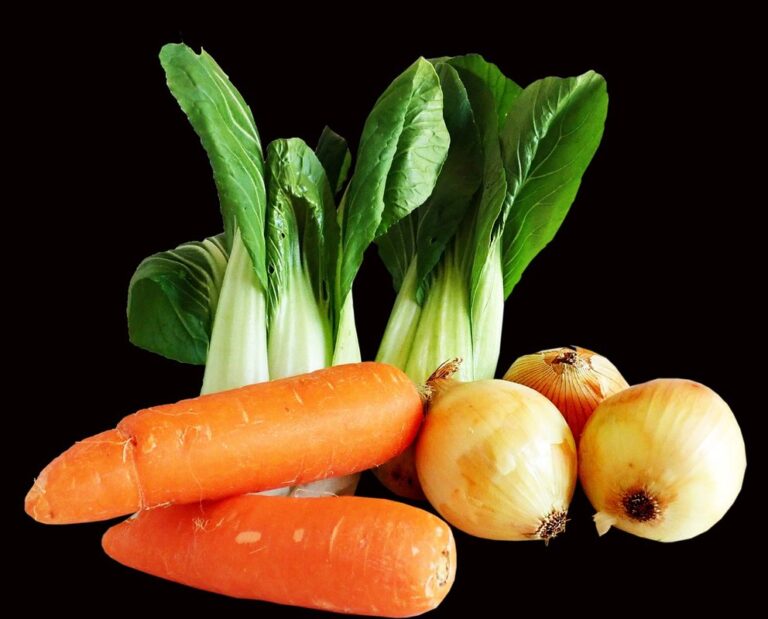
The Basics of Freezing Bok Choy
Before we get into more advanced preservation techniques, let’s start with the fundamentals: how to properly freeze bok choy to preserve its texture and flavor.
To do this effectively requires understanding a few key concepts about freezing and thawing methods.
What is Bok Choy and Why Freeze It?
Bok choy is a versatile and nutritious Asian green that has gained popularity worldwide. Native to China, it’s a member of the Brassica family, which also includes broccoli, cauliflower, and kale. The name “bok choy” literally translates to “white vegetable” in Cantonese. This leafy green has a mild flavor and crunchy texture, making it an excellent addition to various dishes.
One of the main reasons home cooks freeze bok choy is to preserve its high water content and delicate flavor. When stored at room temperature, bok choy can quickly become soggy and develop off-flavors. Freezing helps maintain its texture and nutrients, allowing you to enjoy it year-round. Additionally, freezing enables you to harvest bok choy in the peak of freshness and seasonality, ensuring that it’s at its best.
Freezing also allows for more flexibility when using bok choy in recipes. You can simply thaw frozen bok choy and use it in stir-fries, soups, or braises, without worrying about spoilage or flavor degradation. Whether you’re a seasoned cook or just starting to experiment with new ingredients, freezing bok choy is an excellent option for preserving this nutritious green.
Preparation Methods for Freezing Bok Choy
To ensure optimal flavor and texture when freezing bok choy, it’s essential to prepare it correctly before freezing. Blanching is a popular method for preserving the crunchy texture of bok choy. This involves briefly submerging the leaves in boiling water or steam, then immediately cooling them in an ice bath. Steaming is another suitable option, as it helps retain more nutrients than blanching.
Sautéing is not recommended for freezing bok choy, as high heat can damage the delicate texture and make it unappetizing when thawed. To sauté bok choy for immediate consumption, cook it until wilted and then let it cool completely before refrigerating or freezing.
When blanching or steaming, aim to retain as much moisture as possible by not over-cooking the leaves. A general rule of thumb is to blanch for 2-3 minutes, followed by an ice bath to stop the cooking process. Steaming time will vary depending on the thickness of the bok choy bunches.
A simple method to prepare bok choy for freezing involves cutting or tearing it into smaller pieces before blanching or steaming. This helps speed up the thawing and cooking process later.
Choosing the Right Bok Choy for Freezing
When freezing bok choy, it’s crucial to choose varieties that hold up well to preservation and maintain their texture after thawing. This section will help you select the best bok choy for your freezer needs.
Selecting the Best Variety for Freezing
When it comes to freezing bok choy, not all varieties are created equal. Some types hold up better to freezing and cooking than others. Look for varieties with denser, crisper leaves, as these will retain their texture and flavor best. ‘Debbie Fruitzai’ and ‘Joi Choi’ are two popular varieties that freeze well due to their compact growth habit and dense leaf structure.
Avoid using loose-leaf or baby bok choy varieties, as they tend to be more delicate and prone to wilting after freezing. These types may still be usable in cooked dishes, but their texture will likely suffer.
When selecting a variety for freezing, also consider the plant’s maturity date. Choose bok choy that is at least 60 days old to ensure it has reached its full flavor potential. Younger plants may not have developed enough sugars and other desirable compounds to make them suitable for long-term storage. Opting for more mature plants will result in better-tasting frozen bok choy.
In general, varieties with a slower bolting habit also perform well when frozen. This means they’ll remain healthy and usable for longer periods.
Harvesting and Cleaning Bok Choy for Freezing
When selecting bok choy for freezing, choose bunches with crisp, firm leaves and a sweet, slightly bitter flavor. Avoid wilted or yellowing leaves, as these will not freeze well. Harvest bok choy when the stalks are between 6 to 10 inches tall, and the leaves are still young and tender.
To clean bok choy for freezing, separate the leaves from the stalks by gently tearing them apart. Rinse both parts under cold running water to remove any dirt or debris. Use a soft-bristled brush to gently scrub the stalks, paying particular attention to the base where the leaves meet the stem. Pat dry with paper towels to remove excess moisture.
For optimal flavor and texture, clean bok choy just before freezing. You can also blanch it in boiling water for 30 seconds to 1 minute to help preserve its color and nutrients. After cleaning and preparing bok choy, separate the leaves from the stalks and place them on a baking sheet lined with parchment paper in a single layer. Freeze until solid, then transfer to an airtight container or freezer bag for long-term storage.
Freezing Methods for Bok Choy
To preserve bok choy for future meals, you’ll want to learn how to freeze it effectively, and there are several methods to choose from. We’ll cover the best ways to do just that.
Blanching: A Quick and Easy Method
Blanching is a simple and effective method for preserving bok choy before freezing. This process involves briefly submerging the chopped bok choy in boiling water or steam, then immediately plunging it into an ice bath to stop the cooking process. Blanching helps to inactivate enzymes that can cause spoilage and preserves the vegetable’s texture and color.
The key to successful blanching is to maintain a precise timing: typically 2-3 minutes for chopped bok choy. Over-blanching will result in a mushy, unappetizing texture, while under-blanching may not effectively prevent enzymatic activity. To achieve perfect results, use a timer and monitor the cooking time carefully.
Here are some additional tips to keep in mind:
- Use a large pot or steamer basket to blanch bok choy in batches, if necessary.
- Shock the blanched bok choy in an ice bath immediately after cooking to stop the cooking process.
- Blanching can be done either with or without packaging: you can package the blanched bok choy directly into airtight containers or freezer bags for long-term storage.
Flash-Freezing: Preserving Texture and Flavor
Flash-freezing is a more rapid method of freezing bok choy compared to blanching. It involves quickly submerging the vegetables in liquid nitrogen or liquid carbon dioxide, which rapidly lowers their temperature. This process preserves the texture and flavor of bok choy by stopping enzymatic activity immediately.
One key benefit of flash-freezing is that it helps retain the delicate crunch of fresh bok choy. By freezing the vegetables so quickly, the formation of ice crystals is minimized, reducing the likelihood of cell damage and preserving the texture. In terms of flavor, flash-frozen bok choy tends to retain more of its natural sweetness than blanched or steam-cooked alternatives.
There are a few potential drawbacks to consider when using flash-freezing for bok choy. For one, this method is typically only available in commercial settings due to the specialized equipment required. In addition, flash-frozen bok choy may be more expensive than other frozen options. However, for those who prioritize texture and flavor, flash-frozen bok choy can be a worthwhile investment.
Storage and Re-Use of Frozen Bok Choy
Now that you’ve learned how to freeze bok choy, let’s talk about storing it safely and reusing it in a variety of delicious dishes. We’ll cover tips for optimal preservation.
Long-Term Storage Options
When storing frozen bok choy for an extended period, it’s essential to use airtight and moisture-proof containers or freezer bags. This prevents freezer burn and maintains the quality of the vegetables. Airtight containers like glass jars or plastic containers with tight-fitting lids work well. Label each container with its contents and date, so you can easily identify them later.
Freezer bags are another option for storing frozen bok choy. Look for bags specifically designed for freezer use, as they’re made to withstand extreme cold temperatures. Remove as much air as possible from the bag before sealing it, and press out any excess air to prevent ice crystals from forming.
When choosing between airtight containers or freezer bags, consider the size of your frozen bok choy batch and how often you plan to use it. If you have a large quantity, airtight containers might be more practical for storage. However, if you prefer to freeze smaller portions, freezer bags can be more convenient.
Remember to store frozen bok choy at 0°F (-18°C) or below to maintain its quality and safety.
Tips for Re-Using Frozen Bok Choy in Recipes
Re-using frozen bok choy is a great way to reduce food waste and get creative with your cooking. You can add it to soups, stews, and braises towards the end of cooking time for added flavor and nutrients. Try using it as a substitute for fresh spinach in smoothies or as a topping for omelets.
For more substantial dishes, re-heat frozen bok choy by sautéing it with garlic, ginger, and soy sauce, then serving it over rice or noodles. You can also use it in stir-fries, curries, and casseroles. To incorporate it into baked goods, puree cooked bok choy and mix it into muffin or bread batter for a nutrient boost.
Some popular recipe ideas include:
• Bok Choy and Mushroom Risotto
• Frozen Bok Choy and Spinach Quiche
• Stir-Fried Bok Choy with Shrimp and Vegetables
When re-heating frozen bok choy, make sure to check its texture before adding it to a dish. If it’s still too cold or watery, you can try steaming it for a few minutes to revive its flavor and crunch. Experimenting with different seasonings and cooking methods will help you find new ways to enjoy your re-used frozen bok choy.
Nutritional Benefits of Frozen Bok Choy
Frozen bok choy retains much of its nutritional value, making it a convenient and healthy addition to your meals year-round.
This section highlights the key benefits you can expect from incorporating frozen bok choy into your diet.
Preserving Vitamins and Minerals
Freezing helps preserve the vitamins and minerals found in bok choy, making it a nutritious addition to meals. This is particularly important for vitamin C, which can be lost quickly when bok choy is exposed to air or heat. Freezing bok choy within 24 hours of harvesting ensures that most of its nutrients remain intact.
Unlike some other leafy greens, bok choy doesn’t experience significant nutrient loss during the freezing process. In fact, studies have shown that frozen bok choy retains a higher percentage of its vitamin C content compared to cooked or raw versions. This is likely due to the cell walls remaining intact during blanching and freezing.
To maximize nutrient retention when freezing bok choy, make sure to use airtight containers or freezer bags to prevent moisture buildup. You can also store frozen bok choy in smaller portions (about 1-2 cups each) to facilitate quick thawing and minimize exposure to air.
Health Advantages of Incorporating Frozen Bok Choy into Your Diet
Incorporating frozen bok choy into your diet can have a significant impact on digestion and immune function. The high fiber content in bok choy makes it an excellent choice for promoting regular bowel movements and preventing constipation. Additionally, the presence of prebiotic fibers in bok choy helps feed good bacteria in the gut, supporting a healthy gut microbiome.
Frozen bok choy also retains its vitamin C content during the freezing process, making it an excellent source of this essential nutrient. Vitamin C plays a crucial role in immune function by stimulating the production of white blood cells and activating immune cells to fight off infections. Regular consumption of frozen bok choy can help boost your immune system and reduce the severity of colds and flu.
To reap these benefits, simply add frozen bok choy to soups, stir-fries, or sauté it with garlic as a side dish. You can also use it in smoothies or juices for an extra nutritional kick. With its mild flavor and versatility, incorporating frozen bok choy into your diet is easier than you think.
Conclusion
Now that you’ve learned how to freeze bok choy, it’s time to wrap up our comprehensive guide and summarize the key takeaways for your next meal prep. Let’s review what we’ve covered so far.
Recap of Key Takeaways
To freeze bok choy effectively, you need to follow some key takeaways from our comprehensive guide. First, it’s essential to choose the right variety of bok choy for freezing. We discussed how certain varieties, such as ‘Joi Choi’ and ‘Tokyo Bekana’, are more suitable for this purpose due to their denser texture.
Next, proper preparation is crucial. You should harvest and clean your bok choy before freezing it to ensure the best results. This involves selecting fresh leaves with no signs of wilting or damage, and washing them thoroughly to remove any dirt or debris.
When it comes to freezing methods, we covered two popular options: blanching and flash-freezing. Blanching is a quick and easy method that helps preserve color and texture, while flash-freezing preserves the delicate flavor and nutrients. Both methods have their advantages, so you can choose the one that best suits your needs.
In terms of storage and re-use, we explored long-term storage options such as airtight containers or freezer bags. It’s also essential to label and date your frozen bok choy for easy identification later on.
Some key tips to keep in mind when working with frozen bok choy include thawing it slowly overnight in the refrigerator before using, and adding it towards the end of cooking time to preserve its nutrients and texture. By following these guidelines, you can enjoy the nutritional benefits of bok choy year-round.
Remember that freezing does not compromise the vitamin content of bok choy, as most vitamins remain stable throughout the process. Additionally, incorporating frozen bok choy into your diet can provide a range of health advantages, from boosting immune function to supporting healthy digestion.
Frequently Asked Questions
Can I Freeze Bok Choy with Soil Attached?
Yes, it’s safe to freeze bok choy with soil attached, but make sure the soil is clean and dry before freezing. The frozen soil won’t affect the quality of the bok choy, and you can simply remove it when thawing.
How Long Does Frozen Bok Choy Last in a Home Freezer?
Frozen bok choy can last for up to 8-10 months in a home freezer if stored properly in an airtight container or freezer bag. However, its quality may degrade over time, so it’s best to use it within the first 6 months for optimal flavor and texture.
Can I Use Frozen Bok Choy in Stir-Fries Without Thawing It First?
Yes, you can use frozen bok choy directly in stir-fries without thawing it first. In fact, this method helps preserve its nutrients and texture. Just be aware that the cooking time may vary depending on the amount of bok choy used.
How Do I Rehydrate Frozen Bok Choy for Soups or Broths?
To rehydrate frozen bok choy, simply thaw it in cold water or let it sit at room temperature for a few hours. Then, chop it into smaller pieces and add it to your soup or broth. You can also sauté it briefly with some oil to restore its texture.
Can I Mix Frozen Bok Choy with Other Vegetables for Future Meals?
Yes, you can mix frozen bok choy with other vegetables like carrots, broccoli, or bell peppers for future meals. Just be sure to label the container clearly so you know what’s inside. This way, you can create a variety of meals by combining different frozen vegetable mixes.

