Do you find yourself drowning in a sea of clothes, feeling overwhelmed by the constant pressure to keep up with the latest fashion trends? Building and maintaining a minimalist wardrobe is not just about paring down your closet to the bare essentials, but also about cultivating a mindful approach to consumption. By focusing on quality over quantity, you can reduce waste and stress that comes with trying to maintain a vast wardrobe. A capsule wardrobe is more than just a trendy concept – it’s a practical solution for simplifying your style and living more intentionally. In this article, you’ll learn how to declutter your closet, build a functional capsule wardrobe, and adopt mindful consumption habits to create a minimalist wardrobe that truly works for you, allowing you to shop less, stress less, and feel more confident in what you wear.
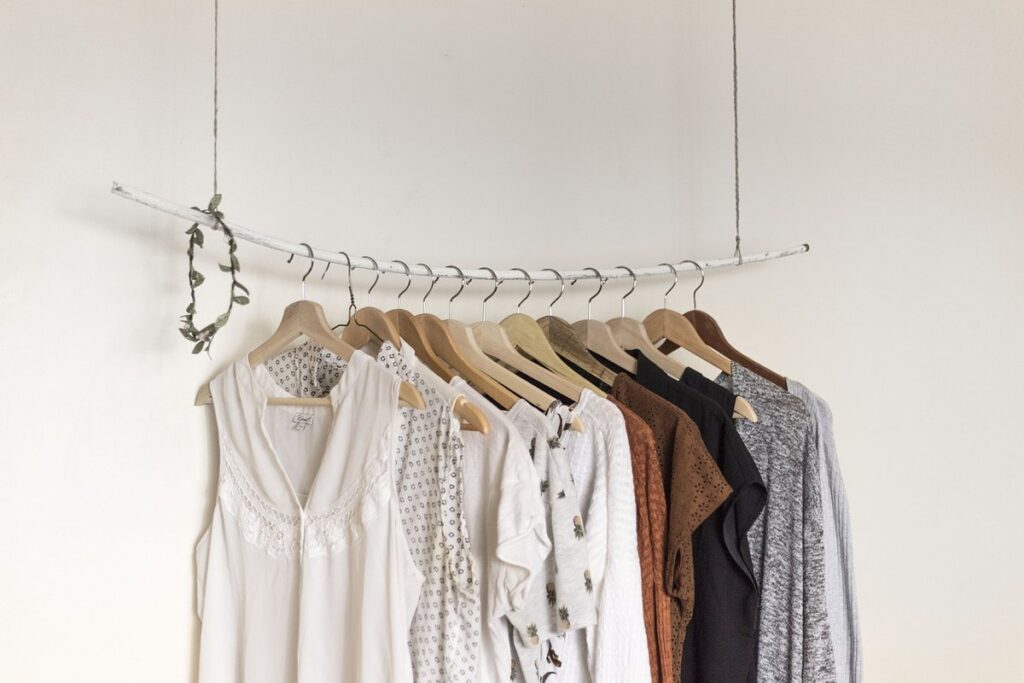
Understanding the Benefits of Minimalism
Embracing a minimalist wardrobe is not just about getting rid of clutter, but also about understanding how it can transform your daily life and boost your self-confidence. Let’s explore some compelling reasons to simplify your style.
Defining Minimalism and Its Impact on Your Wardrobe
Minimalism is often misunderstood as simply getting rid of stuff, but it’s actually a thoughtful approach to consumption and living. At its core, minimalism is about intentionally letting go of items that don’t serve you or add value to your life. This philosophy can have a profound impact on your wardrobe by freeing you from the pressure to keep up with trends and allowing you to invest in timeless pieces.
When applied to fashion, minimalism means paring down your wardrobe to only the essentials – items that are high-quality, versatile, and made with sustainable materials. By letting go of excess clothing, you’ll not only reduce clutter but also develop a deeper appreciation for each piece. You’ll learn to care for your clothes better, mend what’s torn, and find new ways to style what you already own.
As you adopt a more minimalist approach to fashion, you may notice that you’re making more intentional purchasing decisions. You might be drawn to simpler designs, higher-quality materials, or second-hand options. This shift in mindset can lead to a more streamlined wardrobe, reduced waste, and a greater sense of personal style.
The Problem with Overconsumption in Fashion
Overconsumption in fashion has become a significant issue, with far-reaching consequences. The rapid production and disposal of clothing contribute to staggering amounts of waste, with the average American generating 82 pounds of textile waste per year. This not only harms the environment but also perpetuates a culture of disposability.
The environmental degradation caused by the fashion industry is well-documented. Water pollution from dyeing processes, greenhouse gas emissions from transportation, and chemical runoff from manufacturing all take a devastating toll on ecosystems. Moreover, the extraction and processing of raw materials for clothing production often involve exploitative labor practices and human rights abuses.
For individuals, overconsumption in fashion can also lead to personal stress and financial burden. The pressure to stay up-to-date with the latest trends and maintain a large wardrobe can be overwhelming, leading to feelings of guilt or inadequacy when clothes go out of style or no longer fit. A minimalist approach to fashion seeks to break free from this cycle by promoting sustainable consumption habits, quality over quantity, and intentional purchasing decisions.
Assessing Your Current Wardrobe
Take a close look at your current wardrobe and identify pieces that are still loved, worn regularly, and make you feel confident. This will help determine what to keep and what to let go of in the next steps.
Identifying Your Personal Style and Needs
Identifying your personal style and needs is crucial to building a minimalist wardrobe. It’s not about stripping away everything you own, but rather about curating pieces that align with who you are and how you live. Start by assessing your body shape and proportions. Consider what styles flatter your figure: do you look best in A-line dresses or fitted tops? Take note of your favorite colors and fabrics – do you prefer soft pastels or bold prints?
Next, think about your lifestyle requirements. If you work from home, you may need more comfortable, versatile pieces for everyday wear. If you have a demanding job or active hobbies, consider functional, high-performance clothing that can keep up with your needs. Ask yourself questions like: what are my morning and evening routines like? Do I spend most of my time indoors or outdoors? Answering these questions will help you determine what works best for you.
Reflect on your personal style by looking through old photos, fashion magazines, or online inspiration boards. Identify the common threads – patterns, colors, silhouettes – that make you feel confident and expressive. This exercise will give you a clear understanding of your aesthetic and guide your wardrobe decisions moving forward.
Sorting Through Your Closet and Letting Go of Unwanted Items
Sorting through your closet and letting go of unwanted items is often the most daunting part of creating a minimalist wardrobe. Begin by removing everything from your closet and laying it out on a bed or floor. This helps you see what you have and where each item should be stored.
As you sort, categorize items into three piles: keep, donate/sell, and discard. Be honest with yourself about each piece – does it fit well, is it in good condition, and do you feel confident wearing it? If not, consider letting it go. For example, if you haven’t worn a particular item in the past year, it’s likely safe to remove it from your wardrobe.
When deciding what to keep, think about the items that bring you joy or serve a specific purpose. Consider the 80/20 rule – 80% of the time, you likely wear 20% of your clothes. Identify these essentials and store them in an accessible location. Be ruthless when sorting through sentimental items – if you haven’t worn it in years, it’s unlikely you’ll miss it.
Decluttering and Editing Your Wardrobe
Now that you’ve purged your closet of unnecessary items, it’s time to edit what remains, focusing on quality over quantity in your wardrobe. This section helps you refine your style and essentials.
The KonMari Method for Clothing and Its Adaptation for Minimalism
The KonMari Method for Clothing and Its Adaptation for Minimalism is a popular approach to decluttering and organizing belongings. Marie Kondo’s philosophy emphasizes sparking joy in each item, rather than simply getting rid of it. When applied to clothing, the method involves holding each piece and asking if it sparks joy. This process can help individuals separate items into three categories: keep, donate/sell, and discard.
For a minimalist wardrobe, the KonMari Method is adaptable but also requires some modifications. A key adaptation is focusing on quality over quantity. Instead of keeping clothes that spark joy for a specific occasion or style, consider the overall feeling they evoke. Do they align with your personal values and aesthetic? This approach helps to eliminate impulse buys and trendy items.
When implementing this method in your wardrobe, consider folding and storing clothes by category rather than by season. This allows you to see what you have and make intentional decisions about what stays or goes. By adapting the KonMari Method for minimalist wardrobing, you can create a more curated collection of pieces that genuinely bring you joy.
Creating a Capsule Wardrobe and Setting Limits on Purchases
A capsule wardrobe is a small collection of essential pieces that can be mixed and matched to create multiple outfits. To create one, start by assessing what you already own – identify the items that are worn regularly, fit well, and suit your lifestyle. Be ruthless about letting go of anything that doesn’t meet these criteria.
Consider implementing a “one in, one out” policy for new purchases: every time you bring something into your wardrobe, an old item must be removed to make space. This approach helps maintain the balance between what’s already there and what’s being added.
When building your capsule wardrobe, it’s essential to focus on timeless pieces rather than trendy items that may only be worn a few times before going out of style. Stick to neutral colors and classic silhouves, which can be easily combined with other items in your collection. Limiting your purchases to these key principles will help you create a wardrobe that aligns with your minimalist goals.
Building Your Minimalist Wardrobe
Now that you have a solid understanding of your personal style, let’s focus on creating a curated wardrobe by building it from scratch. This process will help you refine your closet’s contents and create a streamlined, functional space.
Investing in Quality Over Quantity
Investing in quality over quantity is essential when building a minimalist wardrobe. This approach may seem counterintuitive at first, as it’s common to prioritize accumulating more items to have options for different occasions. However, the opposite strategy – focusing on a smaller number of cheap, trendy pieces – can lead to burnout and dissatisfaction.
Key components of a high-quality wardrobe include classic silhouettes, timeless fabrics, and well-constructed garments that won’t fall apart after a few wears. For example, consider investing in a good quality denim jacket or a leather handbag instead of buying cheaper alternatives that may not last long. Fabrics such as wool, cotton, and linen are also great choices because they are breathable, durable, and can be dressed up or down.
To put this into practice, make a list of the essential items you need to build your minimalist wardrobe, and then prioritize purchasing high-quality versions of these pieces over cheaper alternatives. Be patient – investing in quality may take longer and cost more upfront, but it will save you money and stress in the long run.
Mixing High-Low Fashion for a Unique Aesthetic
Mixing high-end fashion items with more affordable options is a key element of creating a unique and curated wardrobe. This approach allows you to incorporate statement pieces into your minimalist aesthetic without overspending. Start by identifying one or two high-quality, designer items that resonate with you – perhaps a timeless leather jacket or a classic white shirt.
Next, pair these investment pieces with more affordable options that complement their style and quality. For instance, if you’ve invested in a luxurious coat, balance it out with a more budget-friendly sweater or dress. You can also incorporate second-hand or vintage items to add texture and interest to your outfits.
When mixing high-low fashion, focus on finding common ground between the pieces rather than trying to match them exactly. This might involve selecting similar fabrics, textures, or colors to create cohesion in your outfit. By thoughtfully combining investment and affordable pieces, you can achieve a visually striking and authentic aesthetic that showcases your personal style.
Maintaining Your Minimalist Wardrobe
Now that you’ve built your minimalist wardrobe, maintaining it requires ongoing effort and intentionality to keep your clothes looking their best and staying within your desired standards. This is where a simple yet effective maintenance routine comes in handy.
The Role of Maintenance in Sustaining a Minimalist Lifestyle
Maintenance is an essential component of sustaining a minimalist lifestyle. It’s not just about initially paring down your wardrobe to essentials; it’s also about regularly reviewing and adjusting your collection to ensure it remains aligned with your goals.
To maintain your minimalist wardrobe, schedule regular check-ins with yourself. Set aside time every 3-6 months to review each item of clothing. Ask yourself if the piece still brings you joy or serves a purpose in your current life. Be honest – if an item no longer fits, has been damaged, or simply doesn’t spark excitement, consider letting it go.
Another key strategy is to establish clear criteria for what gets added back into your wardrobe. Before purchasing new items, ask yourself: Does this piece complement my existing collection? Will it be worn frequently, or will it end up relegated to the back of the closet? By thoughtfully evaluating each new addition, you can prevent clutter from accumulating and maintain the integrity of your minimalist wardrobe.
Encouraging Mindful Consumption Through Awareness and Intention
When building a minimalist wardrobe, it’s essential to encourage mindful consumption by increasing awareness of your needs, values, and intentions. Start by asking yourself questions like “What are my non-negotiables when it comes to clothing?” or “How do I want to feel when wearing an item?” Write down your answers in a journal or create a vision board to help solidify your thoughts.
Consider the 80/20 rule: 80% of the time, you likely wear 20% of your clothes. Identify which items fall into this category and why they’re so frequently worn. This exercise can help you recognize patterns and make informed decisions about what to keep and what to let go of. Be honest with yourself – do you hold onto items for sentimental reasons or because you think you’ll need them someday?
By cultivating awareness of your needs and values, you’ll begin to see clothing as a tool rather than an end in itself. This shift in perspective can help you make intentional purchasing decisions, avoiding impulse buys that may not align with your long-term goals. Take time to reflect on what truly matters to you, and let those intentions guide your wardrobe choices.
Advanced Minimalist Wardrobe Strategies
Building a minimalist wardrobe is one thing, but taking it to the next level requires some smart strategies and intentional planning. In this section, we’ll share our top tips for refining your wardrobe and making it truly exceptional.
Creating a 80/20 Rule for Your Closet and Its Benefits
The 80/20 rule suggests that approximately 80% of the time, you likely wear 20% of your clothes. Applying this principle to your closet can be a game-changer for minimalist wardrobe enthusiasts. By identifying which items bring the most value and happiness, you can streamline your wardrobe and reduce decision fatigue.
Start by going through each item in your closet and categorizing them as frequently worn, occasionally worn, or rarely worn. Be honest with yourself – if an item hasn’t been worn in the past year, it’s likely safe to let it go. Next, focus on the frequently worn items and consider how you can build upon this foundation. For example, if you have a few well-fitting white shirts that are staples in your wardrobe, think about adding similar pieces or exploring different styles.
The benefits of applying the 80/20 rule to your closet are numerous. By paring down your options, you’ll reduce decision fatigue and make getting dressed easier. You’ll also be able to focus on high-quality, timeless pieces rather than cheap, trendy items that may only be worn once. With a more streamlined wardrobe, you’ll save time and energy in the long run.
Integrating Seasonal Transitions and Travel into Your Minimalist Wardrobe
When transitioning between seasons or embarking on a trip, it’s essential to adapt your minimalist wardrobe without compromising its integrity. One approach is to have a small collection of versatile pieces that can be mixed and matched across different occasions.
For seasonal transitions, consider investing in a few core items like a lightweight coat for spring, a waterproof jacket for autumn, or a warm sweater for winter. These pieces can be layered over existing garments, extending their wearability and reducing the need for seasonal swaps.
When traveling, pack multipurpose clothes that serve multiple purposes. For example, a single scarf can double as a blanket on cold flights or a stylish accessory upon arrival. Similarly, invest in shoes that are comfortable for walking but also suitable for dressier occasions. This thought process will help you curate a travel capsule wardrobe that’s both practical and stylish.
Frequently Asked Questions
What if I have limited budget for building a minimalist wardrobe?
Yes, it’s possible to build a minimalist wardrobe on a limited budget by focusing on essential pieces, shopping during sales or second-hand stores, and considering investments in timeless quality over trendy items.
How do I balance the need for variety with the constraints of a capsule wardrobe?
Mixing high-low fashion can be an effective way to add variety to your wardrobe while staying within the parameters of a capsule collection. Consider pairing investment pieces with more affordable items or shopping during off-seasons when prices are lower.
What about special occasions and seasonal changes – how do I adapt my minimalist wardrobe?
Incorporating seasonal transitions and travel into your minimalist wardrobe can be done by identifying key, versatile pieces that can be styled for different events. Consider investing in a few high-quality, adaptable items that can be mixed-and-matched throughout the year.
Can I still build a minimalist wardrobe if I live in a region with extreme weather conditions?
Yes, building a minimalist wardrobe is possible even in regions with extreme weather conditions. Focus on selecting essential pieces that are versatile and can be layered or styled to suit different temperatures, and prioritize high-quality materials for durability.
How do I know when it’s time to re-evaluate my capsule wardrobe and make adjustments?
Regular check-ins every 6-12 months can help you assess your needs and make necessary adjustments. Consider setting aside a specific day each season to review your wardrobe, identifying items that no longer serve you or fit, and making intentional additions to ensure continued alignment with your minimalist goals.