
Making your own air fresheners at home can be a cost-effective and chemical-free way to keep your space smelling fresh and clean. Traditional air fresheners often contain harsh chemicals and artificial fragrances that can be detrimental to your health and the environment. By creating your own handmade air fresheners using natural ingredients, you can avoid these toxins and customize the scents to your liking. You may be surprised at how easy and affordable it is to create custom air fresheners using simple recipes and common household items. This article will walk you through the benefits of handmade air fresheners, provide simple recipes to get you started, and offer tips on how to market and sell your creations, allowing you to turn your handmade air fresheners into a fun and profitable hobby.
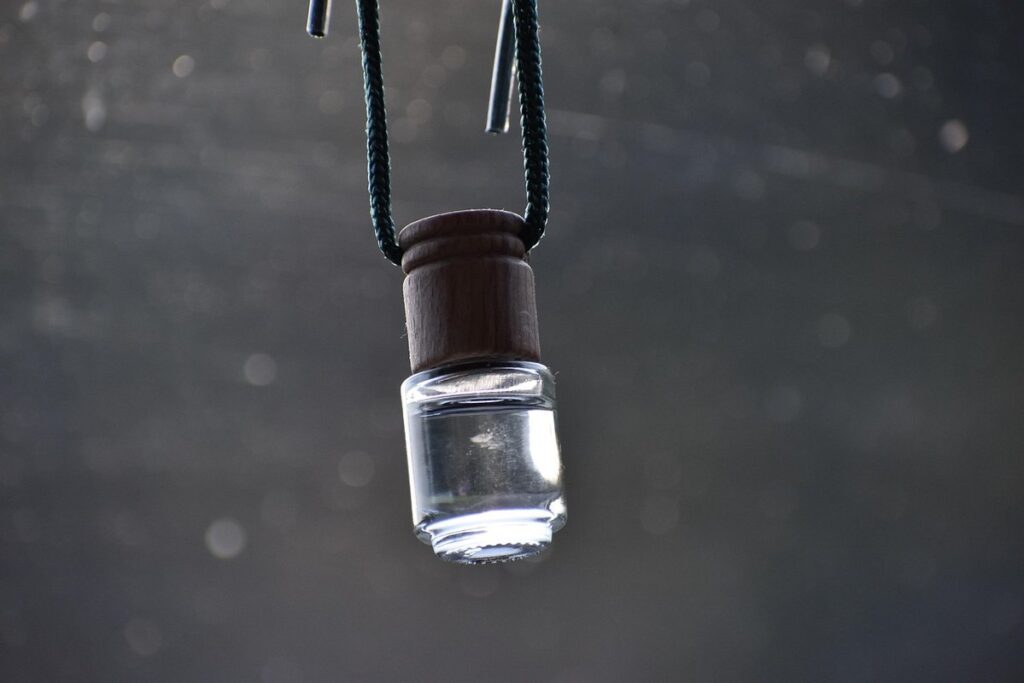
Benefits of Handmade Air Fresheners
Handmade air fresheners offer a unique set of benefits that traditional store-bought alternatives simply can’t match. From customizable scents to eco-friendly ingredients, you’ll discover the advantages of crafting your own air fresheners.
Natural Ingredients and Zero Chemicals
When it comes to handmade air fresheners, natural ingredients and zero chemicals are a game-changer. By ditching harsh chemicals and artificial fragrances, you can create a healthier and more pleasant environment. This is especially important for people with sensitivities or allergies.
One of the main advantages of using natural ingredients is that they eliminate the risk of chemical exposure. Many commercial air fresheners contain volatile organic compounds (VOCs), which can trigger respiratory issues, headaches, and other health problems. In contrast, natural ingredients like essential oils, herbs, and spices are generally safe to use.
To minimize chemical exposure, opt for essential oils that are free from synthetic fragrances and dyes. Some popular choices include lavender, tea tree, and lemon. You can also experiment with herbs like rosemary, thyme, and mint, which have natural deodorizing properties. When working with essential oils, remember to dilute them with a carrier oil and follow proper safety guidelines.
Some natural ingredients to consider include:
- Essential oils like lavender and lemon
- Herbs like rosemary and thyme
- Spices like cinnamon and cloves
- Activated charcoal, which can help absorb odors
By incorporating these natural ingredients into your handmade air fresheners, you can create a healthier and more pleasant environment.
Customization and Personalization
Handmade air fresheners offer a unique advantage when it comes to customization and personalization. Unlike mass-produced products, which often feature standard scents and fragrances, handmade air fresheners can be tailored to individual preferences. This allows users to create unique blends that cater to their specific tastes and needs.
When making handmade air fresheners, it’s easy to experiment with different essential oils, herbs, and spices to create one-of-a-kind scents. For instance, combining lavender and chamomile can produce a calming and soothing aroma, while blending citrus and eucalyptus can create a refreshing and invigorating scent. The possibilities are endless, and users can adjust the proportions of each ingredient to achieve their desired fragrance.
In addition to scents, handmade air fresheners can also be personalized with custom ingredients. Some users may prefer to avoid certain essential oils due to allergies or sensitivities, while others may want to incorporate personal favorites, such as rose petals or orange peel. By choosing their own ingredients, users can ensure that their handmade air fresheners meet their unique needs and preferences.
Cost-Effectiveness
When you make your own air fresheners, you have control over the ingredients and the costs associated with them. Unlike commercial products, which can be expensive and may contain hidden costs, homemade air fresheners are often made with readily available ingredients that won’t break the bank. A small bottle of essential oil, a bag of dried herbs, and some simple packaging materials are all you need to get started. These ingredients are typically inexpensive and can be sourced from local health food stores or online.
To put this into perspective, a single bottle of commercial air freshener can cost anywhere from $5 to $10. In contrast, making a batch of homemade air fresheners using essential oils and dried herbs can cost as little as $1 to $2. Over time, this can add up to significant savings. For example, if you make 10 batches of air fresheners per month, you can save around $40 to $100 per month by choosing the DIY route.
By making your own air fresheners, you can also avoid the cost of packaging and labeling, which can be a significant expense for commercial products. With a little creativity, you can repurpose old containers and create your own unique packaging, eliminating these costs altogether.
Choosing the Right Ingredients
When creating a homemade air freshener, the choice of ingredients can greatly impact the final product’s scent and effectiveness. Selecting the right ingredients is crucial to achieving the desired fragrance and avoiding potential issues.
Essential Oils and Their Properties
Essential oils are the heart and soul of handmade air fresheners, providing a natural and potent fragrance. There are over 90 different types of essential oils, each with its unique properties and benefits. Some of the most popular essential oils for air fresheners include lavender, eucalyptus, peppermint, and lemon.
When selecting essential oils, consider the desired scent and mood you want to create. For example, lavender oil promotes relaxation and calmness, while eucalyptus oil is invigorating and decongesting. Peppermint oil can help uplift and focus the mind, while lemon oil can purify and uplift the air.
Some essential oils are more suitable for certain surfaces or materials. For instance, citrus-based oils like lemon and grapefruit can be too harsh for delicate fabrics, while woody oils like cedarwood and sandalwood are often used in potpourri and wreaths. When blending essential oils, remember that a little goes a long way. Typically, a 2-5% concentration is suitable for air fresheners, but this can vary depending on personal preference and the specific recipe. Always use high-quality, pure essential oils that are free of additives and chemicals to ensure the best results.
Herbs and Spices for Natural Fragrances
When it comes to creating natural fragrances for your handmade air fresheners, herbs and spices can be a great alternative to essential oils. Many herbs and spices have strong, distinctive scents that can be used to create unique and refreshing fragrances. For example, lemongrass and rosemary are commonly used to add a citrusy and herbaceous note to air fresheners. However, some herbs and spices can be quite potent, so it’s essential to use them in moderation.
Some herbs and spices that work particularly well in handmade air fresheners include:
- Dried flowers like lavender and chamomile for a calming, floral scent
- Spices like cinnamon and nutmeg for a warm, comforting aroma
- Fresh herbs like mint and basil for a bright, refreshing fragrance
When using herbs and spices, keep in mind that their fragrance can be more subtle than that of essential oils. You may need to use more of them to achieve the desired scent strength. Additionally, some herbs and spices can be quite overpowering, so it’s best to start with small amounts and adjust to taste. By experimenting with different herbs and spices, you can create a wide range of unique and natural fragrances for your handmade air fresheners.
Activated Charcoal and its Purifying Properties
Activated charcoal is a versatile ingredient that can add a unique touch to your handmade air fresheners. Not only does it provide a natural, earthy scent, but it also boasts impressive purifying properties. When exposed to air, activated charcoal can neutralize unpleasant odors by attracting and holding onto moisture and impurities. This makes it an excellent choice for eliminating musty smells or masking pet odors in homes.
To incorporate activated charcoal into your air freshener recipe, simply mix it with essential oils and other ingredients according to your preference. The recommended ratio is typically 1-2 tablespoons of activated charcoal per 10-15 drops of essential oil. Be sure to note that activated charcoal can stain some surfaces, so take necessary precautions when handling it.
In addition to its odor-neutralizing abilities, activated charcoal can also help extend the life of your air fresheners. By absorbing moisture and impurities, it can prevent the growth of bacteria and mold that can cause fragrances to fade quickly. When using activated charcoal in your handmade air fresheners, keep in mind that it may affect the overall scent strength. Experiment with different ratios and combinations to achieve the desired fragrance.
Making Handmade Air Fresheners
Now that you’ve mastered the basics, it’s time to get creative with your own unique scents and ingredients, and that’s exactly what we’ll cover next. Let’s make some truly one-of-a-kind handmade air fresheners.
Simple Recipes for Beginners
For beginners, making handmade air fresheners can be a fun and rewarding experience. To get started, you’ll need a few basic ingredients, including essential oils, baking soda, and decorative containers. Here are a few simple recipes to try:
Beginner-Friendly Recipe 1: Baking Soda and Essential Oil Mix
Combine 1 cup of baking soda with 10-15 drops of your preferred essential oil in a small bowl. Mix well and transfer the mixture to a decorative container. This recipe is great for creating a subtle, long-lasting fragrance.
Beginner-Friendly Recipe 2: Herb and Essential Oil Spray
Mix 1 cup of water with 10-15 drops of essential oil and a handful of dried herbs (such as lavender or rosemary) in a small spray bottle. Shake well and use as a room spray or air freshener. This recipe is perfect for those who want a light, refreshing scent.
Remember to always use high-quality essential oils and follow proper safety precautions when working with them. Start with small batches and adjust the ingredients to your liking. Experiment with different essential oils and herbs to create unique fragrances and designs. With a little practice, you’ll be creating beautiful handmade air fresheners in no time.
Advanced Techniques and Methods
When it comes to crafting unique and complex fragrances, layering and blending essential oils is an essential technique to master. This involves combining multiple oils with different properties to create a rich and nuanced scent. Start by selecting a base note, such as sandalwood or vanilla, which provides a stable foundation for the fragrance. Then, add a middle note, like lavender or geranium, to add depth and character. Finally, add a top note, like lemon or eucalyptus, to provide a bright and uplifting touch.
When blending fragrances, consider the fragrance families and how they interact. For example, combining floral oils like rose and jasmine can create a sweet and feminine scent, while pairing woody oils like cedarwood and pine can produce a fresh and earthy aroma. Experiment with different ratios and combinations to find the perfect blend for your handmade air fresheners.
To take layering and blending to the next level, try using fragrance absolutes or extracts, which can add a concentrated and intense scent to your blends.
Tips for Achieving Long-Lasting Fragrances
To achieve long-lasting fragrances in your handmade air fresheners, focus on the combination of ingredients and their proportions. A general rule of thumb is to use a mixture of 10-20% essential oil and 80-90% carrier oil or absorbent material. This balance allows the fragrance to linger without overpowering the senses.
When choosing essential oils, select those with high concentration levels, such as lavender, geranium, and bergamot. These oils tend to last longer and provide a more sustained aroma.
Incorporating herbs and spices like dried rose petals, chamomile, or cinnamon can also enhance the fragrance duration. These natural ingredients can absorb and release the fragrance slowly, extending its longevity.
Avoid over-saturating your air fresheners with too much fragrance, as this can lead to a stronger scent that dissipates quickly. Instead, aim for a subtle, balanced aroma. Experiment with different ratios of essential oils and carrier materials to find the perfect blend for your handmade air fresheners.
Designing and Decorating Handmade Air Fresheners
Now that you’ve learned the basics of creating handmade air fresheners, let’s focus on giving them a personalized touch with unique designs and decorations.
Materials and Supplies Needed
To design and decorate your handmade air fresheners, you’ll need a variety of materials and supplies. Start with the basic ingredients for the air freshener itself, such as essential oils, herbs, and spices. For decoration, you’ll need ribbons, lace, or other embellishments that fit your theme. Labels and packaging materials are also essential for protecting and presenting your finished products.
Some other supplies you may want to have on hand include scissors, a craft knife, and a hot glue gun for assembling and decorating your air fresheners. You’ll also need a surface for working, such as a desk or table, and some storage containers for holding your supplies and finished products.
In terms of packaging, consider using biodegradable materials like paper or cardboard for a more eco-friendly option. You’ll also need some twine or ribbon for tying the air fresheners together in sets or for hanging them in a decorative way. If you plan to sell your air fresheners, you may also want to invest in some clear plastic bags or cellophane wrappers to protect the products during shipping.
DIY Decorations and Embellishments
When it comes to adding a personal touch to your handmade air fresheners, DIY decorations and embellishments are a great way to go. Fabric, ribbons, and other materials can be used to create a wide range of designs, from simple and elegant to intricate and playful.
One popular option is to use fabric scraps to create a decorative covering for your air freshener. Choose a lightweight fabric that won’t weigh down the air freshener, and consider using a coordinating ribbon or tie to finish the look. For example, you could use a small piece of lace to cover the air freshener and then tie a matching ribbon around the neck of the container.
You can also use ribbons and bows to add a decorative element to your air freshener. Consider using a ribbon that matches the color of the fragrance or the fabric used to cover the air freshener. Simply tie a bow around the neck of the container or use a ribbon to create a loop that can be used to hang the air freshener.
Other materials that can be used for DIY decorations include buttons, beads, and sequins. These can be used to create a decorative border around the air freshener or to add a personal touch to the packaging.
Display and Storage Ideas
When it comes to showcasing your handmade air fresheners, presentation and packaging play a significant role in their overall appeal. Consider using decorative baskets, woven containers, or small wooden crates to add a rustic touch to your displays. For a more modern look, glass jars or apothecary bottles can provide an elegant and sophisticated presentation.
In terms of packaging, you can use small muslin bags, paper cones, or biodegradable containers to protect your air fresheners during shipping and storage. Label each item with a personalized tag or sticker, including the fragrance name, ingredients, and any relevant instructions. This not only adds a touch of personalization but also helps customers identify the specific scent and ingredients used.
To keep your handmade air fresheners organized, store them in a dry, cool place, away from direct sunlight. You can also use dividers or small compartments within a larger container to separate different scents and designs. When displaying your air fresheners, consider grouping similar scents or colors together to create visually appealing arrangements. This will not only make your products more attractive but also make it easier for customers to find what they’re looking for.
Safety Precautions and Preparations
Before starting your handmade air freshener project, take a moment to review these essential safety precautions to ensure a fun and worry-free experience. Proper preparation is key to avoiding common pitfalls and mishaps.
Working with Essential Oils Safely
When working with essential oils, it’s essential to follow proper safety guidelines to avoid skin irritation, allergic reactions, and other potential issues. Start by reading the label and following the recommended usage rates for each oil. Be aware that some essential oils, such as peppermint and cinnamon, can be irritating to skin and mucous membranes.
Always dilute essential oils with a carrier oil, like coconut or jojoba oil, before applying them to your skin or using them in your handmade air fresheners. A general rule of thumb is to use a 1-3% dilution ratio, depending on the oil’s strength and your desired fragrance intensity.
When using essential oils in your air fresheners, choose a well-ventilated area and avoid inhaling the fumes directly. Keep essential oils out of reach of children and pets, and store them in a cool, dark place to preserve their potency. If you experience any discomfort, dizziness, or respiratory issues after using essential oils, discontinue use and seek medical attention if necessary.
Remember that some essential oils can interact with certain medical conditions or medications, so consult with a healthcare professional before using them, especially if you have allergies or sensitivities.
Allergies and Sensitivities
When working with handmade air fresheners, it’s essential to consider the potential for allergies and sensitivities. Some people may be allergic to certain essential oils, herbs, or spices used in these products. For instance, individuals with allergies to citrus-based essential oils, such as lemon or orange, may react to air fresheners containing these oils. Similarly, people with sensitivities to fragrances may react to air fresheners made with strong-scented herbs like lavender or geranium.
To avoid allergies and sensitivities, use allergen-friendly alternatives. Instead of using essential oils, consider using absolutes or extracts, which have a lower concentration of allergenic compounds. If you’re using herbs, opt for those with mild fragrances, such as chamomile or calendula. Always label your air fresheners with ingredient lists, so users can make informed decisions about their use.
When working with essential oils, follow the IFRA (International Fragrance Association) guidelines for safe usage levels. Also, be mindful of any specific allergies or sensitivities in your family or community. Consider creating allergen-friendly air fresheners using natural ingredients like baking soda, activated charcoal, or potpourri mixes. This way, you can cater to a broader range of users while still creating effective and fragrant air fresheners.
Proper Labeling and Packaging
Proper labeling and packaging of handmade air fresheners is not only a matter of aesthetics, but also a critical aspect of ensuring consumer safety and compliance with regulations. When creating your handmade air fresheners, it’s essential to follow guidelines set by the International Fragrance Association (IFRA) and the National Institute for Occupational Safety and Health (NIOSH). These organizations provide standards for labeling and packaging fragrance products, including air fresheners.
To ensure compliance, label your air fresheners with the following information:
- The name and address of the manufacturer or seller
- A list of ingredients used, including essential oils and other materials
- A warning statement indicating potential skin or respiratory irritation
- Instructions for use and handling
- A statement indicating that the product is handmade and may contain allergens
When packaging your handmade air fresheners, choose materials that are non-toxic and safe for use with essential oils. Avoid using paper or cardboard that may contain chemicals or dyes. Instead, opt for materials like cotton, muslin, or biodegradable paper. Consider using reusable containers or refill packs to reduce waste and make your product more sustainable.
Marketing and Selling Handmade Air Fresheners
When it comes to turning your handmade air fresheners into a profitable business, finding the right marketing and sales strategies is crucial for success. We’ll discuss key marketing ideas that can boost your sales.
Identifying Your Target Market
Identifying your target market is crucial to the success of your handmade air freshener business. To start, consider the demographics of your ideal customer. Are they young professionals looking for eco-friendly products or stay-at-home parents seeking natural fragrances for their homes? Think about their age, income, education level, and occupation.
Next, think about their preferences and values. Are they concerned about the environmental impact of their purchases? Do they prioritize unique, handmade products over mass-produced ones? Consider their lifestyle and habits. For example, are they likely to be interested in air fresheners with essential oils that promote relaxation or focus?
Consider creating buyer personas to help you visualize your target market. For example, let’s say you’re targeting busy professionals who prioritize health and wellness. You could create a persona like “Alex,” a 30-year-old marketing executive who values natural products and is always on the go. Understanding Alex’s preferences and habits will help you tailor your marketing efforts and product offerings to meet their needs. By identifying your target market, you can create products and marketing campaigns that resonate with them.
Pricing and Profit Margins
When setting prices for handmade air fresheners, it’s essential to consider your costs, target market, and profit margins. Start by calculating your costs, including the price of ingredients, materials, and packaging. Factor in your time and labor, as well as any overhead expenses, such as studio rent or equipment costs. Next, research your competition to determine what similar products are selling for. Consider the prices of mass-produced air fresheners, as well as handmade products from other artisans. You can use this information to set a competitive price for your own products.
Aim for a profit margin of at least 20-30% to ensure you’re making a decent income from each sale. If you’re selling online, consider offering discounts for bulk orders or loyalty rewards for repeat customers. For in-person sales, consider offering free consultations or personalized fragrance blending services to upsell your products. Keep in mind that prices may vary depending on the size, complexity, and materials used in each air freshener. For example, larger or more intricately designed air fresheners may warrant higher prices.
Building a Brand and Online Presence
To establish a strong brand and online presence, consider the following key elements. Social media platforms like Instagram and Pinterest are ideal for showcasing your handmade air fresheners’ unique designs and fragrances. Utilize relevant hashtags to increase visibility and engage with potential customers by responding to comments and messages.
Developing a consistent visual identity across all platforms is crucial. This includes using a recognizable logo, color palette, and typography. Establish a unique tone of voice that reflects your brand’s personality and values. Share behind-the-scenes content, such as the process of crafting individual air fresheners, to humanize your brand and create a personal connection with customers.
When it comes to e-commerce strategies, consider selling through platforms like Etsy or Shopify. Ensure your online store is well-organized, easy to navigate, and provides clear product information. This includes high-quality product images and detailed descriptions of ingredients and fragrances. Regularly update your store with new products and promotions to keep customers engaged and encourage repeat business.
Frequently Asked Questions
Can I Use Homemade Handmade Air Fresheners in Public Spaces?
Yes, you can use homemade handmade air fresheners in public spaces, but make sure to follow local regulations and guidelines regarding the use of essential oils and natural fragrances in public areas. It’s also essential to consider the sensitivities and allergies of others when choosing scents and ingredients.
How Do I Know if My Handmade Air Freshener is Working Effectively?
To determine if your handmade air freshener is working effectively, pay attention to the strength and longevity of the fragrance. If you notice that the scent is fading quickly or not providing adequate odor control, it may be necessary to adjust the recipe or ingredient proportions. Consider testing different combinations of essential oils and natural fragrances to achieve the desired result.
What If I Have a Pet or Allergies in My Home? Can I Still Make Handmade Air Fresheners?
Yes, you can still make handmade air fresheners even with pets or allergies in your home. However, take extra precautions to avoid using essential oils that are toxic to pets or trigger allergies. Consider using pet-safe ingredients or hypoallergenic essential oils, and always label your handmade air fresheners clearly to avoid any confusion.
Can I Sell My Handmade Air Fresheners Online, or Do I Need a Business License?
You can sell your handmade air fresheners online, but you may need to comply with local regulations and obtain necessary licenses or permits. Research the specific requirements for your area and consider consulting with a business lawyer or accountant to ensure you’re meeting all necessary requirements.

