
Making your own air fresheners at home is a simple way to eliminate chemical exposure from commercial products while saving money on your household expenses. Many store-bought air fresheners contain artificial fragrances and chemicals that can aggravate allergies and asthma, making it necessary for you to explore alternative options. By switching to homemade air fresheners, you’ll not only be reducing your family’s exposure to these harsh ingredients but also enjoying the cost-effectiveness of customizing scents and ingredients to suit your personal preferences. In this article, we will walk you through a few easy-to-make recipes using natural ingredients such as essential oils and baking soda to create a fresher, healthier indoor environment without breaking the bank or sacrificing style. By the end of this post, you’ll be able to craft your own customized homemade air fresheners using affordable, natural ingredients.
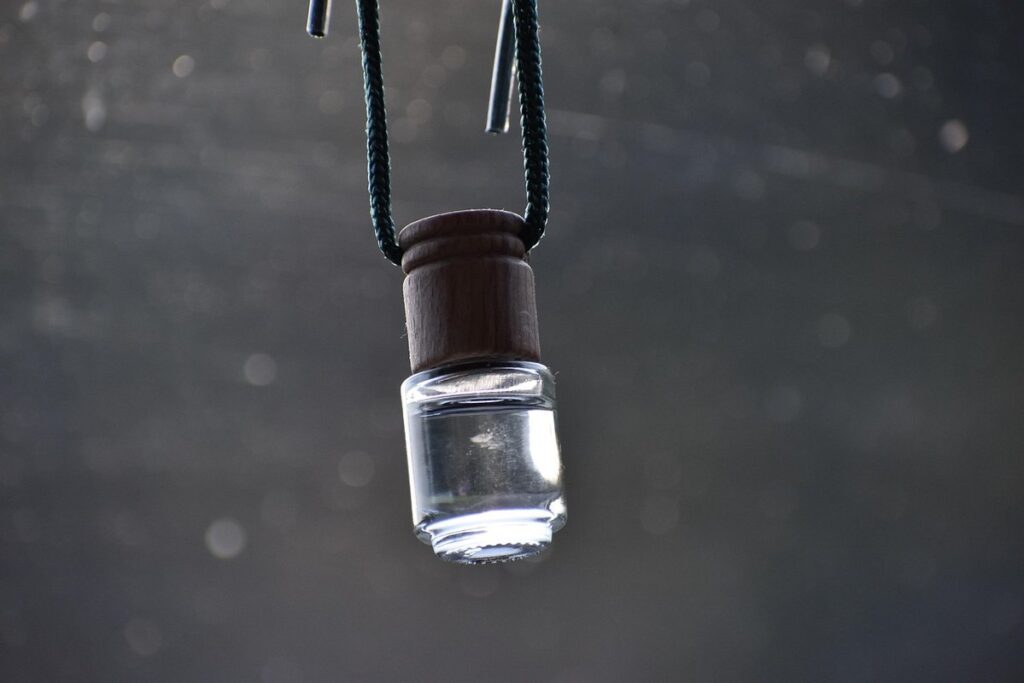
Benefits of Making Your Own Air Fresheners
Making your own air fresheners can have numerous benefits, from saving you money to giving you control over the scents and ingredients used. Let’s take a closer look at some of these advantages.
Reducing Chemical Exposure
Commercial air fresheners often contain a cocktail of chemicals designed to mask odors and leave a pleasant scent. However, these chemicals can have a detrimental impact on indoor air quality, potentially leading to respiratory issues and other health problems. One of the primary concerns is the presence of volatile organic compounds (VOCs), which evaporate quickly into the air and contribute to poor indoor air quality.
Some common culprits include phthalates, found in fragrances and solvents; formaldehyde, a known carcinogen used in some preservatives; and benzene, a solvent linked to cancer and reproductive issues. These chemicals can linger in the air for an extended period, causing irritation and discomfort. To minimize exposure, it’s essential to choose air fresheners that are free from harsh chemicals.
When shopping for commercial air fresheners, look for products labeled as “phthalate-free” or “fragrance-free.” However, even these options may contain other VOCs. A more effective approach is to opt for homemade air fresheners made with natural ingredients. By controlling the composition of your air freshener, you can avoid exposure to unwanted chemicals and create a healthier indoor environment.
Saving Money and Resources
When you make your own air fresheners at home, you can save a significant amount of money compared to buying commercial products. The cost of ingredients is often much lower than the price of a single bottle of store-bought air freshener. For example, a 16-ounce bottle of baking soda typically costs between $1 and $2, depending on the brand and location. This can make hundreds of sprays, depending on the recipe used.
Another way to save money is by using reusable containers. Instead of throwing away plastic bottles after each use, you can purchase glass or stainless steel containers that can be refilled with your homemade air freshener mixture. This not only reduces waste but also saves you money in the long run. Additionally, many people have a stash of old spray bottles and containers at home that can be repurposed for making homemade air fresheners.
To give you a better idea, here are some rough estimates of the cost savings: If you make a batch of 100 sprays using baking soda as your main ingredient, your total cost would be around $0.01 to $0.02 per spray. In contrast, commercial air fresheners can range from $1 to $5 or more per bottle, depending on the brand and size. By making your own air fresheners, you can enjoy a significant reduction in costs while still enjoying a pleasant and fresh-smelling home environment.
Customization Options
One of the biggest advantages of making your own air fresheners is the ability to customize them to your specific preferences. When you create your own air fresheners from scratch, you can choose the scents and essential oils that you enjoy most, eliminating the need for commercial products with harsh chemicals or overpowering fragrances.
You can select a single note or blend multiple scents together to create a unique fragrance profile that suits your taste. For example, if you prefer floral notes, you might opt for lavender or rose essential oil. Alternatively, if you prefer citrusy scents, you could use lemon or grapefruit essential oil instead.
If you’re concerned about strong fragrances or sensitivities, you can also customize the intensity of your air fresheners by adjusting the amount of fragrance oils used in each recipe. This way, you can create a subtle, gentle scent that’s perfect for sensitive noses or those who prefer a milder aroma. By taking control of the fragrance composition, you can enjoy a personalized air freshening experience that’s tailored to your individual preferences.
Essential Ingredients for Homemade Air Fresheners
When creating homemade air fresheners, you’ll want to have a few key ingredients on hand to ensure a pleasant and effective scent. Let’s start with the basics: essential oils and natural fragrances.
Natural Fragrances
When it comes to creating a pleasant and inviting atmosphere with homemade air fresheners, natural fragrances play a crucial role. Essential oils are a popular choice for their strong scent and versatility. Peppermint oil, for instance, not only provides a refreshing aroma but also has natural decongestant properties. Lavender oil is another favorite, known for its calming effects and ability to promote relaxation.
In addition to essential oils, herbs like dried rosemary, thyme, and eucalyptus can be used to infuse air with their distinct fragrances. Spices such as cinnamon sticks and cloves are also effective at filling the air with a warm, comforting scent. When working with herbs and spices, simply tie them in small bunches or place a few whole spices in a muslin bag for easy release of their fragrance.
When choosing essential oils, it’s essential to select high-quality products from reputable suppliers to ensure purity and potency. For those new to using natural fragrances, start by experimenting with small amounts to gauge the scent intensity and adjust accordingly. This approach allows you to create unique blends that cater to your personal preferences while avoiding overpowering aromas.
Carrier Agents
Carrier agents play a crucial role in homemade air fresheners by helping fragrances last longer and mix with other ingredients. When essential oils are added to a mixture, they can separate from the liquid due to their different densities. Carrier agents like vodka or glycerin help to dissolve these oils, ensuring they remain evenly distributed throughout the solution.
For example, using vodka as a carrier agent allows you to blend fragrances with ease and prevents separation. This is particularly useful when creating spray bottle recipes, where a uniform consistency is essential for effective fragrance distribution. In contrast, glycerin works well in potpourri and sachet recipes, helping to retain moisture and preserve the scent.
To choose the right carrier agent, consider the type of recipe you’re making and the desired properties of your air freshener. Vodka is generally a better choice for spray bottle recipes due to its evaporation rate and ability to dissolve essential oils quickly. Glycerin, on the other hand, is ideal for dry mixtures like potpourri or sachets, where it helps retain moisture and preserve fragrance.
When selecting a carrier agent, ensure you choose one that’s natural and compatible with your recipe ingredients. Always follow the recommended usage rates and guidelines to avoid overpowering fragrances or creating unpleasant chemical interactions.
Preservatives and Stabilizers
When working with natural ingredients to create homemade air fresheners, it’s essential to understand the role of preservatives and stabilizers. These additives prevent bacterial growth and spoilage, ensuring your air freshener remains effective and safe to use over time.
Preservatives like potassium sorbate or sodium benzoate inhibit the growth of microorganisms that can cause spoilage and affect the scent of your air freshener. Stabilizers, such as glycerin or propylene glycol, help maintain the fragrance’s consistency and prevent separation between oil and water-based ingredients. Without these additives, your homemade air fresheners may develop off-odors or become ineffective after a few weeks.
To choose the right preservative or stabilizer for your recipe, consider the type of ingredients you’re using and their shelf life. For example, if you’re working with essential oils that can oxidize over time, adding a small amount of vitamin E oil as a stabilizer can help preserve the scent. Similarly, if you’re using a water-based recipe, incorporating a preservative like phenonip or germaben II will prevent bacterial growth.
When selecting preservatives and stabilizers, ensure they are natural and compliant with your desired level of chemical exposure. Some common options include plant-derived ingredients like rosemary extract or citrus-based preservatives. Always follow the recommended usage rates to avoid overpowering your air freshener’s fragrance or causing skin irritation.
DIY Air Freshener Recipes
Want to create your own air fresheners without harsh chemicals? This section shares three easy-to-make recipes using natural ingredients you likely have at home.
Simple Spray Bottle Recipe
To make a simple spray bottle air freshener, you’ll need just four common household ingredients: water, witch hazel, baking soda, and essential oil. Start by filling a 16-ounce spray bottle about one-quarter full with distilled water. Next, add two tablespoons of witch hazel as the carrier agent that helps the fragrance linger.
Now it’s time to add the natural fragrance. You can use any essential oil you like, but for a light and fresh scent, try using lavender or lemon. Add 10-15 drops of your chosen essential oil to the mixture. If you prefer a stronger scent, you can increase the number of drops.
Finally, add one tablespoon of baking soda as a gentle preservative that also helps absorb any moisture in the air. Close the bottle and shake it well to combine all the ingredients. Your spray bottle air freshener is now ready to use. For best results, give the mixture a good stir before each use.
Reusable Bead Air Freshener
To create a reusable bead air freshener, you’ll need glass beads or pebbles, a mesh bag, and a string. Start by filling the mesh bag with 1-2 cups of the glass beads, leaving enough space for easy pouring. Tie the top of the bag securely to prevent spills.
Choose your fragrance oil and pour it into a separate container. You can use essential oils or synthetic fragrances, but make sure they’re specifically designed for air fresheners. Typically, you’ll need 5-10 drops per refill.
When refilling the bead air freshener, carefully pour the new fragrance oil over the glass beads in the mesh bag. Gently shake the bag to ensure even distribution. You can repeat this process whenever you want a change of scent or as needed.
Some tips for getting the most out of your reusable bead air freshener: use a high-quality fragrance that lasts, and avoid over-saturating the beads with oil, which can lead to clogging issues. With proper care and maintenance, this DIY air freshener can be reused multiple times, providing months of natural, chemical-free freshness in your home.
Potpourri and Sachet Recipes
For closets, drawers, or small rooms, homemade potpourri and sachets are a charming way to infuse natural fragrance. These loose mixtures of dried flowers, herbs, spices, and essential oils can be placed in decorative bowls or muslin bags and left to gently scent the air.
When creating your own potpourri blend, consider using a combination of ingredients like dried lavender, rose petals, and cinnamon sticks. You can also add a few drops of your preferred essential oil for an extra boost of fragrance. Some popular options include lemon, eucalyptus, and peppermint.
To make sachets, you’ll need small muslin bags or drawstring pouches. Fill each bag with a small amount of potpourri mixture, then tie the top with a ribbon or twist-tie. You can also use plain cotton bags and add a few decorative stitches for a more rustic look.
Some tips to keep in mind: choose ingredients that are free from pesticides and heavy metals, and avoid using strong essential oils around pets or young children. Also, consider making small batches of potpourri and sachets so they don’t become overwhelmed with moisture and lose their fragrance.
Tips and Precautions for Making Homemade Air Fresheners
When creating your homemade air freshener, it’s essential to exercise caution when working with certain ingredients that can cause skin irritation or other adverse reactions. Be sure to follow these crucial safety guidelines.
Storage and Handling
To keep homemade air fresheners potent and effective, proper storage and handling are crucial. Store essential oil bottles in a cool, dark place to prevent degradation of the fragrance molecules. Keep them away from direct sunlight, heat sources, and moisture, which can cause the oils to break down or become rancid.
For products like sprays and potpourri, store them in airtight containers or glass jars with tight-fitting lids to maintain their scent and freshness. Label the containers clearly, including the date made and any specific ingredients used, so you can easily identify what’s inside. Consider storing these items in a designated area of your home, such as a pantry or linen closet.
When handling homemade air fresheners, be mindful of cross-contamination. Use clean equipment and utensils when mixing and filling containers to prevent the introduction of bacteria or other contaminants that can affect the product’s quality and safety. Regularly inspect stored products for signs of spoilage, such as mold, mildew, or an off smell. If you notice any issues, discard the affected product immediately.
To maintain the potency of your homemade air fresheners, use them within a few months of making them. If you won’t be using a particular product soon, consider freezing it to preserve its fragrance and quality.
Safety Precautions
When using essential oils in homemade air fresheners, one of the main safety concerns is skin irritation. Some people may be sensitive to certain oils, such as peppermint, tea tree, or lavender. To mitigate this risk, always perform a patch test on a small area of skin before using a new oil. If you experience any redness, itching, or burning, discontinue use.
Another potential hazard is the misuse of preservatives and stabilizers. While these ingredients can help extend the shelf life of your air freshener, they can also be toxic if ingested. Keep them out of reach of children and pets, and never mix different types without researching their compatibility first. The most commonly used preservative in homemade air fresheners is vitamin E oil, which is generally considered safe.
To minimize risks when working with essential oils or other potentially hazardous ingredients, always follow the recommended usage rates and guidelines provided by the manufacturer. This will help prevent over-exposure to potent substances. Be sure to store your homemade air freshener in a well-ventilated area, away from heat sources and direct sunlight, which can cause instability or even ignition.
Troubleshooting Common Issues
When fragrance fades too quickly, it’s often a sign that the air freshener has separated. This can happen when natural fragrances don’t mix well with carrier agents like water or oil. To prevent separation, make sure to mix all ingredients thoroughly before bottling, and consider adding a small amount of glycerin as a stabilizer.
If your air freshener separates after it’s been made, try remixing the ingredients by gently shaking the bottle. If this doesn’t work, you may need to remake the entire batch using a different fragrance combination or ratio of carrier agents.
Another common issue is product separation in reusable bead air fresheners. To prevent this, ensure that your beads are thoroughly coated with fragrance oil and then sealed within a breathable material like cotton or mesh. You can also try adding a small amount of cornstarch to help absorb excess moisture.
In general, it’s best to use high-quality ingredients and follow recipes carefully to minimize the risk of separation. If you’re still experiencing issues, consider trying different fragrances or experimenting with new combinations to find what works best for your homemade air fresheners.
Frequently Asked Questions
What If I Don’t Have Essential Oils at Home?
You can still make homemade air fresheners without essential oils. Use dried herbs like lavender or rosemary, or try baking spices like cinnamon and cloves to create your own unique fragrances.
Can I Make Air Fresheners in Large Quantities for Gifts or Parties?
Yes. To scale up production, simply multiply the ingredients according to your needs. Consider making large batches of fragrance blends or essential oils mixes that can be used for various projects. Always follow proper storage and handling procedures to maintain quality and safety.
How Long Do Homemade Air Fresheners Last Before Fading?
The longevity of homemade air fresheners depends on factors like storage conditions, ingredient ratios, and usage patterns. Generally, well-made air fresheners can last several weeks or even months when stored properly in airtight containers and used sparingly.
What If I Have Allergies or Sensitivities to Certain Ingredients?
If you’re concerned about allergies or sensitivities, choose hypoallergenic ingredients like fragrance-free glycerin or natural preservatives. Also, consider making small batches to test reactions before scaling up production. Always prioritize your health and safety when experimenting with new ingredients.
Can I Use Homemade Air Fresheners Near Pets or Young Children?
Yes, but exercise caution. Essential oils can be toxic to pets and children if ingested or inhaled in large quantities. Always use pet- and child-friendly fragrances, dilute essential oils properly, and keep air fresheners out of reach to avoid accidents.

