
Walking through London can be a thrilling experience, but navigating the city’s infrastructure can sometimes feel overwhelming. One of the most iconic hidden gems is the Greenwich Foot Tunnel, connecting the bustling streets of Greenwich to the quieter areas on the Isle of Dogs. If you’re planning to walk through this tunnel, you might be wondering how long it takes – and that’s exactly what we’ll cover in this article. You can expect a journey of around 150 meters in length, but the actual walking time will depend on your pace. The tunnel itself is approximately 115 meters long, with two separate tunnels connecting the north and south sides of the River Thames. In this post, we’ll not only explore the Greenwich Foot Tunnel’s length and estimated walking times but also provide essential safety advice and insider tips to ensure a smooth journey for you.
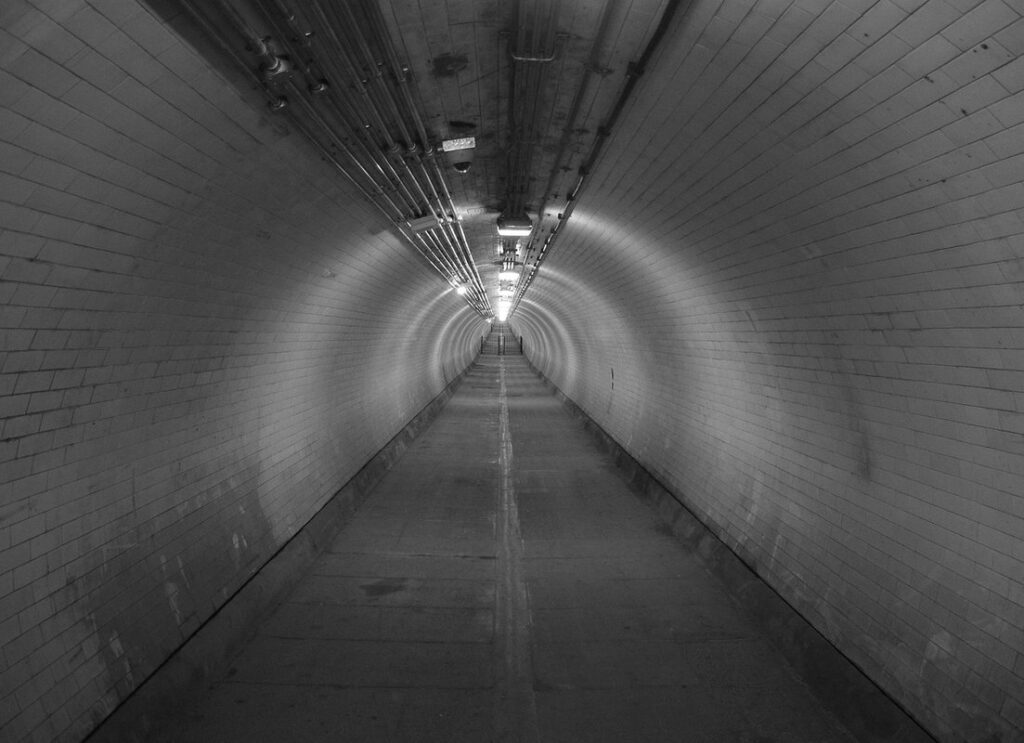
Planning Your Journey
Before you start planning your trip, it’s essential to consider the time of day and traffic conditions that may affect your journey through the Greenwich Foot Tunnel. We’ll break down what you need to know to plan a smooth trip.
Understanding the Route
The Greenwich Foot Tunnel is situated beneath the River Thames, connecting the Royal Borough of Greenwich with the Isle of Dogs in Tower Hamlets. To reach the tunnel, you can access it from either end: on the north side at Island Gardens or on the south side at Cubitt Town. The tunnel forms part of London’s transportation network, providing a pedestrian route between these two areas.
The proximity to other transport links makes it easy to plan your journey. You can take the DLR (Docklands Light Railway) from either island gardens station or Westferry station and walk northwards along the river until you reach Island Gardens. Alternatively, you can use bus services such as the 135 or 381, which stop near the tunnel entrances.
It’s worth noting that while the Greenwich Foot Tunnel is a vital part of London’s pedestrian network, it’s not the only option for crossing the river on foot. You may prefer to walk along the river path at street level, which offers scenic views and more flexibility in your route. However, if you’re short on time or want to avoid street-level traffic, using the tunnel can be a convenient choice.
Estimated Walking Time
Walking through the Greenwich Foot Tunnel typically takes around 3-4 minutes. However, several factors can influence your journey time. The length of queues at peak hours or during special events can significantly add to your overall time. For instance, on a busy Friday evening, you might find yourself waiting in line for up to 10 minutes before entering the tunnel.
Additionally, your walking speed plays a crucial role in determining how long it takes to traverse the tunnel. If you’re not familiar with the route or are carrying luggage, you may need to reduce your pace to ensure safety and avoid collisions with other pedestrians. Conversely, if you’re an experienced walker, you can maintain a brisk pace.
In terms of specific walking times, consider the following: if you take a leisurely stroll, it’ll be around 4-5 minutes; at a moderate pace, 3-4 minutes; and if you hurry, you can complete the journey in under 2.5 minutes. Keep in mind that these estimates assume normal conditions without any disruptions or emergencies.
Choosing the Right Time
When planning your visit to the Greenwich Foot Tunnel, timing is crucial to avoid congestion and ensure a smooth passage. The tunnel’s narrow walkways can become crowded during peak hours, especially on weekdays between 4 pm and 7 pm when commuters rush back to their homes.
To minimize your wait time, consider visiting the tunnel during off-peak hours, such as early morning or late evening. You’re likely to encounter fewer people and a more relaxed atmosphere. If you must visit during peak hours, try to avoid Mondays to Thursdays between 5 pm and 6:30 pm when rush hour is at its busiest.
Additionally, be mindful of special events and festivals in the area, which can attract large crowds to the tunnel. Check local event calendars or social media for updates on any upcoming activities that might impact your visit.
To give you a better idea, here are some general guidelines for pedestrian flow:
- Weekdays: 4 pm – 7 pm (peak hours)
- Weekends: anytime between 10 am and 6 pm (moderate crowds)
- Early morning and late evening: usually quiet
History and Architecture
The Greenwich Foot Tunnel’s rich history dates back to the early 20th century, shaped by innovative engineering and architectural design that still impresses visitors today.
The Tunnel’s Past
The tunnel’s construction began in 1899 and took nearly six years to complete. The primary purpose was to provide a safe crossing for pedestrians between the Isle of Dogs and Greenwich Peninsula, connecting these densely populated areas across the River Thames. Before its completion, people relied on ferries to traverse this part of the river, but they were often crowded and unreliable.
The tunnel’s original design featured 40 brick arches, with each one measuring about 10 feet wide. The structure was built using a combination of concrete and brick, allowing for excellent durability and stability. At its peak, over 30 million passengers used the Greenwich Foot Tunnel each year. In its early days, the tunnel operated on an honor system, where users deposited a penny in the collection box as they exited to help maintain the facility.
Today, visitors can still see remnants of the original design, including the brick arches and some of the old collection boxes. The tunnel has undergone several renovations over the years, but its historic character remains intact.
Design and Features
The Greenwich Foot Tunnel’s design is a testament to Victorian engineering ingenuity. Constructed between 1885 and 1897, it was one of the first under-river pedestrian tunnels in the world. The tunnel’s brick arches are supported by cast-iron rings, which were a novel use of materials at the time. Its distinctive barrel vault design allows for relatively easy passage through the 1,215-foot-long tunnel.
Notably, the tunnel’s original lighting system consisted of gas lamps, replaced by electric lights in the early 20th century. The tunnel’s brickwork is also adorned with intricate details, including ornate ironwork and ceramic tiles. These features contribute to its status as a significant piece of engineering heritage. While not as flashy as modern infrastructure, the tunnel’s simplicity and functionality have allowed it to withstand the test of time.
The tunnel’s design has withstood numerous changes in technology and urban development over the years. Its robustness is a testament to the skill of its original architects and engineers.
Modern Developments
In recent years, several upgrades have been made to the Greenwich Foot Tunnel’s infrastructure. The tunnel’s lighting system has been improved with the installation of more energy-efficient LED lights, reducing maintenance costs and enhancing visibility for users. Additionally, new CCTV cameras have been installed at various points along the tunnel to improve security and monitor potential issues.
Regular maintenance is also ongoing to address wear and tear on the tunnel’s structure. This includes routine inspections, repairs to damaged sections, and cleaning of the tunnel to prevent graffiti and other forms of vandalism. The tunnel’s ventilation system has also been upgraded to reduce air stagnation and improve air quality.
These updates aim to enhance the overall user experience while ensuring the long-term integrity of the tunnel. Visitors should note that some construction work may be ongoing during their visit, but this is typically carried out at night or on weekends to minimize disruptions. It’s a good idea to check the official Transport for London (TfL) website for any planned closures or disruptions before planning your trip.
Safety Precautions
Before you head down into the tunnel, take a moment to review these essential safety guidelines to ensure your visit is both enjoyable and incident-free. Follow these simple precautions to stay safe while exploring the Greenwich Foot Tunnel.
Emergency Procedures
In case of an emergency while walking through the Greenwich Foot Tunnel, remain calm and follow these procedures. The tunnel has public address systems and emergency phones at regular intervals. If you need assistance, press one of the red buttons located near the handrails or use a nearby phone to call for help.
During emergencies like fires, medical issues, or other incidents, tunnel staff are trained to respond quickly. However, if you’re in a situation where immediate attention is required, try to locate a member of staff or an emergency phone and alert them as soon as possible.
It’s also essential to be aware of your surroundings at all times and report any concerns or hazards to the authorities. If you witness something suspicious or problematic, contact the police by calling 999 from one of the public phones.
In general, it’s a good idea to stay informed about tunnel closures or maintenance work that might affect your journey. Check the official website or social media channels for updates before heading out.
Health Considerations
Visitors with mobility impairments should be aware of the tunnel’s layout and accessibility features. The Greenwich Foot Tunnel has a series of stairs leading down to the pedestrian level, which can be challenging for those with mobility issues. However, there are also elevators available at both entrances that provide access to the lower levels.
People with respiratory conditions or other health concerns should take note of the tunnel’s ventilation system. While generally well-ventilated, during peak periods the air quality may become compromised due to high foot traffic and crowded conditions. It’s recommended that these individuals avoid visiting during rush hour if possible.
Additionally, visitors with claustrophobia or anxiety issues should be aware that the tunnel can feel confined for some people. To mitigate this, try to visit during off-peak hours when the tunnel is less crowded. If you’re feeling overwhelmed, step outside and take a break before continuing your journey.
It’s also worth noting that the tunnel has designated quiet times on certain days of the week. These are typically posted at the entrances, and observing them can help create a more comfortable environment for those with sensory sensitivities.
Maintenance and Upkeep
Regular maintenance activities are crucial to ensuring pedestrian safety within the Greenwich Foot Tunnel. These efforts focus on identifying and addressing potential hazards before they become major issues. For instance, daily inspections are conducted to check for signs of wear and tear on the tunnel’s infrastructure, such as lighting, ventilation systems, and emergency exits.
Maintenance staff also perform routine cleaning tasks to keep the tunnel free from debris and spills. This includes clearing any blockages in the drainage system and ensuring that the tunnel’s walkways remain clear of obstacles. Additionally, the tunnel’s electrical systems are regularly inspected and maintained to prevent any power outages or electrical shocks.
In the event of a maintenance issue, such as a sudden breakdown or spill, staff are trained to respond promptly and effectively. This may involve closing sections of the tunnel until the issue is resolved. Regular maintenance activities help to minimize disruptions and ensure that the tunnel remains safe for pedestrians at all times.
Tips for Visitors
To make the most of your visit, we’ve put together some practical tips that will ensure you get the most out of exploring the Greenwich Foot Tunnel. From navigating the tunnel to making the most of your time in the area.
What to Bring
When walking through the Greenwich Foot Tunnel, it’s essential to be prepared for a safe and enjoyable experience. You should bring a reliable light source, as the tunnel can be quite dark, especially if you’re traveling late at night or early in the morning. A torch or smartphone with a good flashlight app is ideal.
A map of the area can also be helpful, particularly if you’re not familiar with the surrounding streets. While there are signs directing pedestrians through the tunnel, it’s always a good idea to have a visual guide in case you need to navigate quickly. You may also want to consider bringing a fully charged phone and portable charger, as well as a set of spare batteries for your light source.
If you plan on walking during peak hours or in adverse weather conditions, consider wearing comfortable shoes with good grip to prevent slipping on the tunnel’s surface. Additionally, bring a small bottle of water and any essential medications you may need. While it’s unlikely you’ll encounter any issues, being prepared can make all the difference in case of an emergency.
Navigation and Signage
As you make your way through the Greenwich Foot Tunnel, clear signage will guide you through its 150-meter length. Red arrows on the floor indicate the direction of travel, pointing downwards towards the river and upwards towards the city. You’ll also find electronic display boards at regular intervals, showing the distance to both the southern and northern entrances.
To ensure a smooth journey, take note of the tunnel’s one-way system: you can only walk through in an easterly direction from the Greenwich side or westerly from the City side. This means that if you’re planning to use public transport on the other end, check which platform is designated for your destination.
It’s also a good idea to download the Transport for London (TfL) app before your visit, as it provides real-time updates on tunnel closures and disruptions. However, be aware that mobile reception can be patchy within the tunnel itself.
Interacting with Others
When interacting with others within the tunnel, be respectful of those around you. You may encounter fellow pedestrians, staff, and occasional events like exhibitions or guided tours. Keep in mind that the tunnel can get busy during peak hours or special events, so maintain a comfortable distance from others to avoid congestion.
Staff members are often present to assist with any queries or concerns you may have. Feel free to approach them if you need help finding information about the tunnel’s history, navigation, or facilities. They’re also there to ensure everyone’s safety and can provide guidance on emergency procedures in case of an incident.
If you’re attending an event or exhibition, be mindful of noise levels and follow any specific instructions provided by staff or signs within the area. Some events may have designated quiet zones or restricted areas, so be sure to respect these boundaries.
When interacting with fellow pedestrians, keep in mind that the tunnel can be a confined space. Be considerate of others’ personal space and avoid loud conversations or sudden movements that might startle someone. By being respectful and considerate, you’ll help create a positive experience for everyone within the Greenwich Foot Tunnel.
Environmental Impact
The Greenwich Foot Tunnel has a significant environmental impact, mainly due to its construction and operation affecting local wildlife habitats. Let’s take a closer look at how it affects the surrounding ecosystem.
Sustainable Practices
The Greenwich Foot Tunnel has implemented several initiatives aimed at reducing its environmental impact. One notable example is the energy-efficient lighting system installed throughout the tunnel. This upgrade not only reduces the tunnel’s carbon footprint but also provides a safer and more welcoming environment for visitors.
In addition to energy-efficient lighting, the tunnel management has also incorporated sustainable practices in its daily operations. For instance, they have implemented recycling programs for paper, plastic, and glass waste generated from the tunnel’s administrative offices and visitor facilities. These efforts may seem small, but they contribute significantly to reducing the tunnel’s overall environmental impact.
The tunnel management has also explored opportunities to reduce energy consumption through more efficient heating and cooling systems. While not yet fully implemented, these plans aim to minimize the tunnel’s reliance on non-renewable energy sources.
To complement these initiatives, visitors can play a crucial role by adopting eco-friendly behaviors while using the tunnel. This includes turning off lights and other equipment when not in use, using public transport or cycling instead of driving, and properly disposing of waste generated during their visit.
Wildlife Conservation
Wildlife conservation efforts are essential for preserving the unique biodiversity surrounding the Greenwich Foot Tunnel. The area is a haven for various bird species, including the iconic black redstart and the house sparrow. These birds have adapted to the tunnel’s proximity and can often be seen flitting about the entrance and exit points.
To minimize disruption to local wildlife, the Greenwich Council has implemented several measures. For instance, the council has established designated bird-watching areas around the tunnel, providing a safe distance for visitors to observe these species without disturbing them. Moreover, the council has also initiated a cleanup program to remove litter and debris that can harm the environment.
Visitors can contribute to wildlife conservation by respecting the area’s natural habitats and following basic guidelines. This includes avoiding sudden noises or movements, which can frighten birds away, and refraining from feeding or touching the local wildlife. By being mindful of their presence, visitors can help preserve the unique ecosystem surrounding the Greenwich Foot Tunnel.
Community Engagement
Community programs and events in the area around the Greenwich Foot Tunnel often focus on sustainability and conservation. The Royal Borough of Greenwich has implemented various initiatives to reduce waste and promote eco-friendly practices within the community. For instance, the borough’s annual “Greenwich Festival” features workshops and exhibitions showcasing local sustainable projects and innovations.
During your visit to the tunnel, you may stumble upon events hosted by local environmental groups or community organizations. These events can range from beach cleanups to guided nature walks in nearby parks. Participating in these activities not only supports conservation efforts but also provides a unique opportunity to engage with the local community.
Some notable examples of community-led projects include the “Greenwich Peninsula Ecology Park” and the “Cuttin’ it Fine” initiative, which focuses on reducing plastic waste through art and education. By incorporating these events or initiatives into your itinerary, you can foster a deeper connection with the area’s environmental efforts and contribute to its sustainability goals.
Frequently Asked Questions
Can I walk through the Greenwich Foot Tunnel during peak hours with a stroller?
You can, but be aware that it may be busier and potentially more challenging to navigate with a stroller. If you plan to bring one, consider visiting during off-peak hours or weekends when pedestrian flow is generally lower.
How do I handle an emergency while walking through the tunnel if I’m alone?
In case of an emergency, stay calm and try to find a nearby staff member or security camera. If no one is around, look for exit signs and follow them to the nearest entrance. You can also call the Tunnel’s emergency number listed on their website.
Is it safe to walk through the tunnel with my dog?
Yes, dogs are allowed in the Greenwich Foot Tunnel, but make sure your pet is well-trained and under control. Keep them on a short leash and clean up after them to avoid any disruptions or health concerns for other users.
What if I get lost or disoriented while walking through the tunnel? Are there clear signs?
The Greenwich Foot Tunnel has clear signage throughout its length, including directional arrows and exit signs. If you do get lost, try to stay calm and look for these signs or ask a staff member for assistance.

