Drawing is often seen as an intimidating art form, but it doesn’t have to be. With some simple techniques and practice, you can start creating beautiful sketches that capture your ideas and imagination. For beginners, getting started with drawing can feel overwhelming, especially when faced with complex tutorials or unrealistic expectations. But the truth is, easy sketching drawings are within anyone’s reach, regardless of skill level or experience. This guide aims to demystify the process and provide a clear path for those looking to improve their drawing skills. In this article, you’ll learn how to get started with simple sketches and master basic techniques that will have you creating impressive drawings in no time. By the end of it, you’ll be able to confidently create simple yet effective drawings that showcase your artistic vision.
Understanding the Basics of Drawing
Drawing can seem intimidating at first, but it all starts with understanding the basic principles of line, shape, and value. Let’s begin by breaking down these fundamental elements to build a strong foundation in drawing.
What is a Good Drawing Tool?
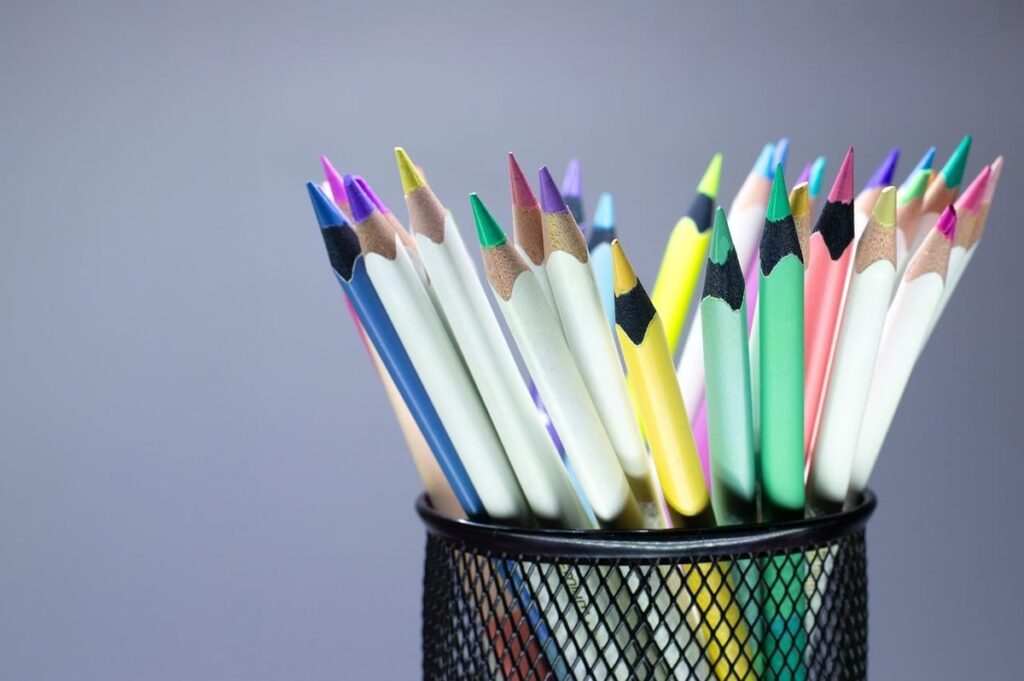
A good drawing tool is more than just a pencil or pen – it’s a partner in bringing your ideas to life. Pencils are a great starting point for beginners because they allow for flexibility and erasability. Graphite pencils (HB, 2B, 4B) work well for sketching and shading, while colored pencils can add depth and vibrancy to your drawings.
Digital drawing tools, such as graphics tablets or digital drawing apps on tablets or smartphones, offer a high level of precision and ease of use. Many artists prefer these tools because they allow for undoing mistakes and experimenting with different styles without wasting paper.
When choosing a tool, consider your personal preference and skill level. If you’re just starting out, a graphite pencil or a digital drawing app with a user-friendly interface may be the best choice. If you’re looking to create more detailed work, a pen with archival ink or a digital drawing tablet with a sensitive stylus can help achieve smooth lines and precise details.
It’s also worth considering the specific characteristics of each tool. For example, a fine-tip pen is ideal for detail work, while a broader pencil or brush tip may be better suited to capturing expressive gestures.
Basic Drawing Techniques
To create simple drawings, you need a solid foundation of basic drawing techniques. Start by mastering lines: straight, curved, diagonal, and hatching. Practice varying line weights to convey texture, depth, and emotion. Use a range of lines to draw different subjects, from simple shapes to more complex forms.
Shapes are another fundamental building block. Learn to recognize and draw basic geometric shapes like circles, squares, triangles, and rectangles. Combine these shapes to create more complex forms, such as spheres, cylinders, and boxes. Practice drawing everyday objects using these shapes as reference.
Textures add depth and interest to your drawings. Start by observing the textures in everyday life: rough wood, smooth skin, or soft fabric. Use a range of line weights, hatching patterns, and stippling techniques to create different textures on paper. For example, you can use short, heavy lines for rough stone or long, gentle strokes for feathers.
Remember that practice is key to mastering these basic drawing techniques. Set aside time each day or week to draw simple subjects like fruit, household items, or basic shapes.
The Importance of Practice
Regular drawing practice is essential for improving your skills and technique. Consistency is key when it comes to developing muscle memory and fine-tuning your hand-eye coordination. Set aside a specific time each day or week to dedicate to drawing exercises, even if it’s just 15-20 minutes a day.
To make the most out of your practice sessions, focus on one area at a time. For example, you might spend a few days practicing different line weights and hatching techniques before moving on to more complex subjects like perspective or proportion. This will help prevent feeling overwhelmed and allow you to build a strong foundation in each area.
Here are some tips for structuring your practice sessions:
• Warm up with simple exercises like gestural drawing, where you quickly sketch the overall pose of a subject
• Practice different media, such as pencils, pens, or charcoal, to see which one works best for you
• Experiment with drawing from observation – set up still-life compositions or draw from life to improve your rendering skills
Sketching Fundamentals: Perspective and Proportion
To create believable sketches, it’s essential to master perspective and proportion. Understanding these fundamental concepts will help you draw scenes that appear realistic and visually appealing.
Understanding One-Point Perspective
One-point perspective is a fundamental concept in drawing that creates the illusion of depth on a two-dimensional surface. It’s based on the idea that all lines recede from a single vanishing point, which is usually placed at eye level. This technique allows artists to create simple yet convincing scenes by using converging lines and proportions.
To apply one-point perspective effectively, start by imagining a horizon line in your drawing area. Place your object or scene so that it’s aligned with this line. Then, use a ruler or straightedge to draw a vanishing point on the horizon line, usually at eye level. From there, extend lines from the edges of your subject to meet at the vanishing point. This creates the illusion of depth and distance.
A simple example is drawing a street scene with a single row of houses. By using one-point perspective, you can create the illusion of a long street by converging the lines of the houses towards a single vanishing point on the horizon line. Practice this technique to achieve more realistic drawings that capture the sense of depth and space.
Measuring and Using Rulers for Accurate Proportions
Measuring objects is a crucial step in creating accurate proportions in drawings. To do this, place an object on a flat surface and use a ruler to measure its length and width. Record these measurements carefully so you can refer back to them later. When drawing the object, use a grid paper or create a grid on your regular paper by lightly drawing horizontal and vertical lines with a pencil. This will help you transfer the measurements onto your paper accurately.
Use a ruler to draw straight lines along the edges of the object in your drawing. For example, if you’re drawing a house, measure the length of the roof and use this measurement to draw the corresponding line on your paper. Similarly, use the width of the door to create the correct proportions for the doorway. By using proportion to improve your overall sketch quality, you can create more realistic drawings that accurately represent the subject matter.
To apply this technique effectively, always measure objects carefully before drawing them, and make sure to use a ruler to draw straight lines along the edges. This will help ensure that your drawings have accurate proportions and look more realistic as a result.
Tips for Drawing from Observation
When drawing from observation, it’s essential to pay close attention to the subtle details of your subject. Start by observing the overall pose and movement of the figure or object. Notice how different parts of its body relate to each other – for instance, where the shoulders meet the arms, or the knees connect with the legs.
Try gesture drawing: quickly sketch the outline of the subject’s pose without worrying about proportions or details. This will help you capture its overall energy and movement. Focus on capturing a few essential lines that convey the subject’s dynamic position in space.
To take this further, try capturing the subtleties of facial expressions or body language. Pay attention to how different features interact with each other – the way eyebrows arch above the eyes, for example, or the curve of the lips as they form a smile.
Some practical tips: when observing subjects closely while drawing, focus on capturing small details that reveal their underlying structure and movement. You can also try drawing from life by sitting in front of your subject and sketching it directly – this will help you notice its subtleties more easily. Remember to keep your sketches loose and spontaneous, as these are often the most effective ways to capture a subject’s dynamic essence.
Easy Sketching Exercises for Beginners
Start with simple exercises that loosen up your hand and get you comfortable with holding a pencil. These gentle drawing prompts will help you build confidence in your sketching skills from day one.
Simple Shape Drawing Exercise
Drawing basic shapes is a fundamental skill for beginners. Start with simple forms like spheres, cylinders, and boxes. These shapes are essential building blocks of perspective and proportion.
To draw a sphere, focus on capturing its circular form. You can use a pencil or pen to lightly sketch the outline, but avoid pressing too hard on the paper. This will help you achieve a smooth curve.
For cylinders, think about the shape as a rectangle with rounded ends. Begin by drawing the rectangular part, then add the curved top and bottom. Use reference points to ensure the cylinder’s height and width are in proportion.
When drawing boxes, consider them as three-dimensional versions of rectangles. Break down the box into its individual sides: front, back, top, bottom, left, and right. Focus on accurately measuring the proportions between these sides.
Practice drawing each shape separately before combining them to create more complex forms. This exercise will help you develop your observation skills and build confidence in your ability to render basic shapes from different angles.
Animal and Plant Drawings for Fun
Drawing animals and plants can be a fun and engaging way for beginners to practice their observation skills and explore their creativity. Start by choosing simple subjects like cats, dogs, trees, or flowers. Focus on capturing their basic shapes and proportions rather than trying to draw every detail.
For example, when drawing a cat, you might break it down into basic forms: the body, head, ears, and tail. Use simple lines and gentle curves to capture its overall shape. Don’t worry too much about details like whiskers or texture – focus on getting the basics right first.
You can also try drawing plants in stages. Start with a simple line drawing of a tree’s branches and trunk, then gradually add more detail as you go along. Try experimenting with different shapes and lines to capture the movement and flow of leaves and stems.
Some simple exercises to get started include:
• Drawing different types of leaves
• Sketching a single branch or twig
• Capturing the basic shape of a flower
• Drawing a simple landscape featuring plants and trees
Portraits: A More Challenging but Rewarding Subject
Drawing portraits is a more challenging subject than simple shapes or basic forms, but it can also be one of the most rewarding. When you draw a portrait, you’re not just capturing someone’s physical appearance – you’re trying to convey their personality and emotions through facial expressions, eye contact, and other subtle details.
Start by understanding the basics of facial proportions: the eyes are usually about one-third of the way down from the top of the head, and the nose is slightly below the center. The mouth and chin follow a similar ratio. Practice measuring these proportions on your own face or others to get a sense of how they relate to each other.
When drawing features, focus on capturing their overall shape rather than trying to draw every detail perfectly. For example, you can simplify the contours of the eyes by drawing them as basic circles with pupils in the center. Don’t worry too much about rendering individual eyelashes or eyebrows – instead, concentrate on conveying a sense of depth and dimension.
As for expressions, try experimenting with different shapes and angles to capture a range of emotions. A happy face might have slightly curved lines around the eyes and mouth, while a sad one might feature more pronounced vertical lines.
Advanced Techniques for Sketch Artists
Now that you’ve mastered basic sketching skills, it’s time to take your art to the next level by learning advanced techniques such as layering and blending.
Blending and Shading Techniques
To take your sketches to the next level, it’s essential to master blending and shading techniques. Hatching is a fundamental method for creating depth and dimension in your drawings. This involves applying parallel lines with varying spacings to suggest texture and volume. Cross-hatching, on the other hand, is achieved by layering hatching lines at different angles. The resulting texture and visual interest can add incredible depth to your sketches.
Another advanced technique is stippling, where small dots are used to create an image or pattern. By varying the density of these dots, you can achieve a range of values from light to dark. This method is particularly useful for capturing intricate details and textures in your drawings.
To get started with blending and shading techniques, try practicing hatching and cross-hatching on simple subjects like fruit or household objects. Experiment with different pencil leads and sharpening techniques to achieve the desired range of values. Remember to work slowly and deliberately, paying attention to the subtle changes in texture and value that each layer brings.
Creating Realistic Textures in Drawings
Capturing realistic textures in sketches can elevate your drawings from simple representations to immersive experiences. To achieve this, consider using patterns as a starting point. For instance, when drawing stone walls, use short, diagonal strokes to suggest rough texture. Alternatively, you can create a subtle gradient by layering soft pencil marks or blending with a tortillon. This gradual build-up of shading allows the viewer’s eye to interpret depth and texture.
When depicting fabrics like fur or velvet, focus on capturing the underlying weave pattern using gentle lines. To add dimensionality, introduce slight variations in value and texture. For example, use hatching to indicate the softness of a rabbit’s fur, with denser strokes forming the individual strands.
Incorporating subtle shading is also crucial for conveying texture. Use a range of pencil values – from light H to dark 6B – to suggest varying levels of roughness or smoothness. Apply these techniques judiciously to enhance specific textures without overpowering other details in your drawing.
Experimenting with Different Mediums
Exploring different mediums can breathe new life into your sketching. Charcoal, for instance, allows for expressive gestural drawings and loose textures. By varying the pressure on the charcoal, you can achieve a range of values from deep blacks to soft grays. Pastels, on the other hand, offer a vibrant and delicate quality, ideal for capturing subtle color nuances.
Ink is another versatile medium that can produce striking results. With a fine-tip pen or brush, you can create detailed line work and precise shapes. Experimenting with different ink brands and types – such as waterproof or water-soluble – can also yield unique effects. For example, using a waterproof ink on a page with intentional bleeding areas can create an interesting contrast.
When working with these mediums, consider the specific characteristics of each. Charcoal smudges easily, while pastels require a gentle touch to avoid muddying the colors. Ink may bleed or feather, so plan accordingly. By understanding and embracing these quirks, you can unlock new techniques and styles in your sketching practice.
Drawing Inspiration from Nature and Life
As you begin to explore the world of easy sketching, look to nature and everyday life for inspiration – the perfect starting point is often right in front of you.
Observing Nature for Drawing Inspiration
Observing nature is one of the simplest yet most powerful ways to spark creativity and fill your sketchbook with unique ideas. When you take your drawing skills outdoors, you’re not just capturing what’s in front of you – you’re also observing how light interacts with different textures, shapes, and forms.
Try taking a short walk around your neighborhood or a nearby park, and let the scenery guide your pencil strokes. You might notice the intricate patterns on a leaf, the way branches intersect, or the gentle curves of a flower petal. These small details can become the foundation for an entire composition.
When drawing from nature, focus on capturing the essence rather than trying to create a perfect replica. Don’t worry if your proportions are off or your lines aren’t smooth – these imperfections can often lead to more interesting and organic results. Bring along a sketchbook and some basic drawing tools, and see where observation takes you.
Capturing Gestures and Movement in Drawings
Capturing gestures and movement in drawings can add a dynamic energy to your sketches. One way to do this is through gesture drawing, where you quickly capture the pose of a subject using simple shapes and lines. This exercise helps loosen up your drawing style and focuses on conveying movement rather than precise details.
Gesture drawing involves setting a timer for 10-15 minutes and then rapidly sketching the pose of the subject from different angles. The goal is to focus on capturing the overall gesture and movement, rather than trying to draw every detail accurately. This exercise can be done with still-life compositions or even just observing people in motion.
Another technique for capturing movement is through action studies. These are longer studies that focus on a specific action or movement, such as a bird taking flight or a person walking. Action studies involve breaking down the movement into stages and then drawing each stage separately. This helps to build up a sense of dynamic energy in your drawings.
Common Mistakes to Avoid When Drawing
One of the biggest hurdles beginner sketchers face is making common mistakes that can be hard to correct. Let’s identify and avoid these pitfalls from the start.
Overthinking vs. Letting Go
When you’re starting out with drawing, it’s easy to get caught up in perfectionism. You might worry about every line being straight, every shape perfectly proportioned, and every detail meticulously rendered. While attention to detail is important, overthinking can quickly lead to frustration and burnout.
In reality, most sketches don’t need to be perfect. A rough outline or a quick gesture drawing can capture the essence of a subject just as well as a polished piece. So, how do you strike a balance between perfectionism and creative freedom? One approach is to focus on the process rather than the end result. Instead of worrying about making mistakes, try to enjoy the flow of creating.
Here are three tips for letting go of overthinking:
• Set realistic goals: Don’t aim for perfection on your first attempt.
• Practice loose drawing: Allow yourself to make mistakes and see what happens.
• Focus on observation: Study the subject in front of you, rather than worrying about rendering it perfectly.
Tips for Breaking Out of a Creative Rut
To get out of a creative rut, try changing your environment. Even a slight change can spark new ideas, such as working at a different desk or drawing in a park. You can also switch between mediums, like switching from pencils to charcoal. This helps break the habit of relying on one tool and encourages you to think creatively.
If you’re stuck on a particular piece, try breaking it down into smaller tasks. Focus on completing one aspect before moving on to another. For example, if drawing a portrait is overwhelming, start with just the eyes or nose. Once you’ve completed these small tasks, you can begin adding more details.
Another way to overcome creative blocks is by observing and imitating others’ work. Look at sketches from different artists, both beginners and professionals. Analyze what draws your eye and try to replicate their styles or techniques in your own drawings. This exercise helps develop your skills and exposes you to new ideas.
It’s also essential to set realistic goals and deadlines for yourself. Try not to be too hard on yourself when you encounter setbacks. Remember that it’s normal to go through periods where your creativity is stifled, but with patience and practice, you can break out of these ruts.
Conclusion: Staying Inspired and Motivated
As you’ve made it through this beginner’s guide, now it’s time to keep your creative spark alive and discover new ways to stay motivated in your sketching journey. Let’s explore tips for maintaining a consistent practice and overcoming any creative blocks that may arise.
Keeping an Art Journal or Sketchbook
Regular art journaling or sketchbooking is an essential habit for beginners and experienced artists alike. By committing to a consistent practice, you’ll be able to track your progress, reflect on your growth, and stay inspired throughout the learning process.
One of the primary benefits of maintaining an art journal or sketchbook is that it allows you to experiment freely without fear of making mistakes. This freedom to explore different techniques, styles, and mediums can help you discover new strengths and weaknesses in your work. For instance, you might find that you excel at capturing textures but struggle with proportion.
To get the most out of art journaling or sketchbooking, try setting aside a specific time each day or week for creating. This dedicated block of time will become a ritual, allowing you to clear your mind and focus on the creative process. As you fill pages with sketches and experiments, use this opportunity to reflect on what’s working well and what areas need improvement.
Some essential elements to include in your art journal or sketchbook are:
• Regular sketches of still-life compositions
• Quick gesture drawings from observation
• Experimentation with different mediums and techniques
• Record-keeping of progress and goals
Joining a Community for Support and Inspiration
Sharing your work and receiving feedback from fellow artists can be a powerful motivator. When you put your drawings out there, you’re not only seeking constructive criticism but also inspiration from others’ creations. Many online communities, forums, and social media groups are dedicated to drawing and sketching, where you can share your progress, ask questions, and get feedback on your work.
Consider joining local drawing groups or art classes in your area as well. These settings allow for face-to-face interaction with other artists, which can be incredibly valuable. You’ll learn from others’ experiences, gain new perspectives, and stay motivated through collective efforts. Moreover, you might discover a sense of camaraderie that fuels your passion for sketching.
To get the most out of these communities, remember to engage actively by sharing your work, providing feedback to others, and participating in discussions. This will not only help you grow as an artist but also foster meaningful connections with like-minded individuals who share your interests.
Frequently Asked Questions
What if I’m struggling to find time for regular drawing exercises?
Yes, it’s normal to struggle with finding time, but committing to even just 15-20 minutes of drawing per day can be incredibly beneficial. Try scheduling it in your calendar and making it a non-negotiable part of your daily routine.
Can I use digital drawing tools alongside traditional media for my sketches?
Absolutely! Many artists find that combining digital and traditional techniques allows for greater flexibility and creativity. Experiment with different apps or software to see what works best for you, but be sure to also practice regularly with traditional media to develop muscle memory and fine motor skills.
How do I know if I’m improving in my drawing skills?
Improvement is often subjective, but some signs include increased confidence in your abilities, improved proportions and perspective, and a greater attention to detail. Take regular breaks from your sketches to review your progress and set new goals for yourself – this will help you stay motivated and track your growth.
What if I’m not sure how to create realistic textures in my drawings?
Creating realistic textures involves experimentation with different techniques such as layering, stippling, and subtle shading. Try practicing on simple subjects like fruits or leaves before moving on to more complex objects. Don’t be afraid to make mistakes – they’re an essential part of the learning process.
Can I still draw if I have limited artistic experience or technical skills?
Of course! Many artists start out with little to no experience, and it’s not necessary to be technically skilled to create beautiful sketches. Focus on developing your observation skills, practicing regularly, and experimenting with different techniques – you’ll find that your skills will improve over time.