
Drawing adorable dolphins can be a fun and rewarding experience for anyone, regardless of skill level. However, many people struggle to create realistic representations of these beautiful creatures due to their complex anatomy. To start drawing dolphins easily, you need to break down their body into basic shapes such as ovals, circles, and triangles. By mastering the fundamental shapes and proportions of a dolphin’s head, body, and tail, you’ll be well on your way to creating accurate and endearing drawings. This guide will cover not only the basic anatomy but also provide advanced techniques to improve your artistic skills. By following our step-by-step instructions, you’ll learn how to add texture, movement, and personality to your dolphin drawings, making them truly unforgettable.
Understanding Dolphin Anatomy
To draw a dolphin accurately, you need to understand its body structure. Let’s take a closer look at the dolphin’s anatomy and how it translates into simple, easy-to-draw shapes.
Recognizing Key Features
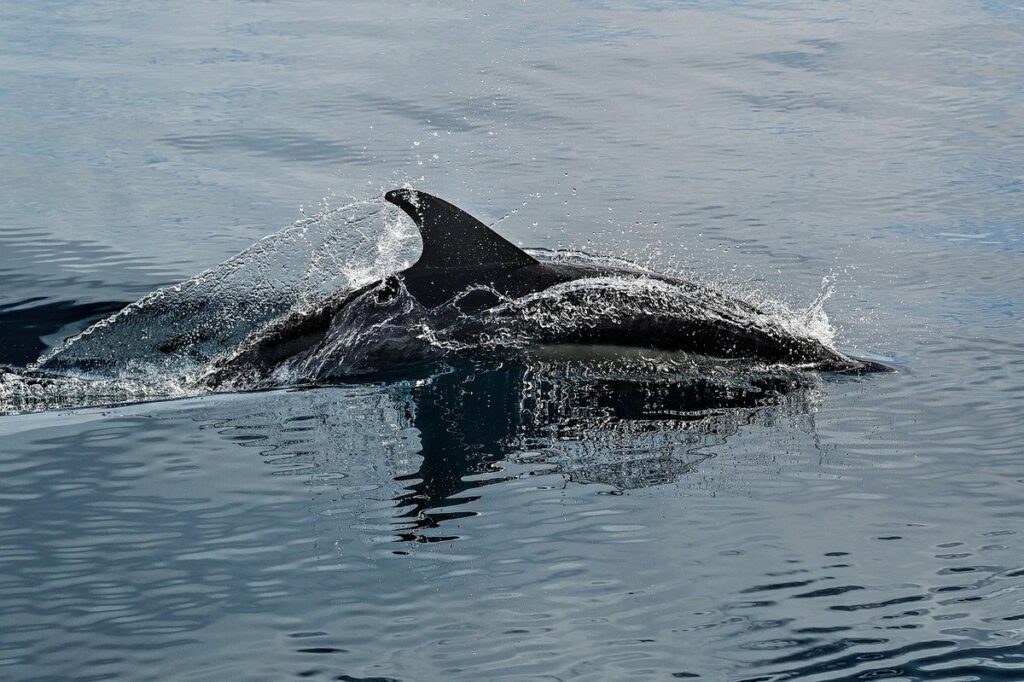
A dolphin’s body shape is its most distinctive feature. It’s curved and streamlined, with a tapering tail end that helps it cut through water with ease. Pay attention to the shape of the dorsal fin, which should be triangular and located near the middle of the back. The pectoral fins, or side flippers, are also essential – they’re broad and flat, with a slight curve at the tip.
When drawing dolphins, it’s easy to get the body proportions wrong. A good rule of thumb is to imagine a dolphin as roughly three parts head, four parts body, and one part tail. This will help you place the dorsal fin in relation to the rest of the body.
Dolphins come in various shades, but most have a distinctive color pattern – a darker back and lighter belly. For beginners, it’s best to start with a simple gray or blue-gray color scheme. You can always add more detail later by introducing subtle shading and texture effects.
Identifying Body Proportions
When drawing dolphins, it’s essential to focus on proportion to capture their sleek and streamlined appearance. The relationship between the head, body, and tail is critical in creating a well-balanced image.
Start by measuring the length of the head, which typically makes up about one-fifth of the overall dolphin’s body length. The dorsal fin should be positioned roughly two-thirds of the way down from the head, with its base aligned with the middle of the back. The pectoral fins are usually located near the shoulders, and their tips should almost touch the tail.
A well-proportioned dolphin drawing will have a smooth transition between the body and tail. Avoid making the tail too long or the body too short, as this can distort the overall shape of the animal. You can refer to reference images or examples of well-drawn dolphins to get an idea of the proportions in action. For instance, the famous painting “Leaping Porpoise” by Edwin Landseer features a dolphin with impressive proportions and a dynamic pose.
When drawing dolphins, pay attention to these key relationships and adjust your proportions accordingly. This will help you create a more accurate and visually appealing representation of these marine mammals.
Basic Shapes and Lines
To get started drawing dolphins, let’s begin by understanding how to create basic shapes and lines that will form the foundation of our dolphin’s body. We’ll focus on simple geometric forms to master.
Breaking Down the Dolphin’s Form
To break down a dolphin’s form using basic shapes, start by sketching two connected spheres for the head and body. The top sphere should be slightly smaller than the bottom one to create a gentle slope from head to tail. Next, draw a large cylinder along the length of the body, ensuring it’s centered between the two spheres.
The dorsal fin can be represented as a triangular cone extending from the top of the back. Make sure its base is wider than its tip to achieve a stable appearance. The pectoral fins should be simplified as small triangles with rounded edges, positioned on either side of the body near the front. By combining these shapes in this way, you’ll get a recognizable dolphin silhouette.
When drawing a dorsal fin, pay attention to its position and angle relative to the rest of the body. A straight or slightly curved line can help indicate the fin’s orientation. To add some definition to your dolphin’s form, use gentle curves where the spheres meet the cylinder, creating smooth transitions between shapes.
Creating Smooth Lines and Curves
When drawing dolphins, creating smooth lines and curves is crucial for conveying fluidity and movement. To achieve this, focus on gentle, flowing strokes rather than sharp angles. Start by sketching the dolphin’s body as a series of connected ovals, allowing the shapes to blend seamlessly into one another.
Pay attention to the transitions between different parts of the body, such as where the head meets the neck or the dorsal fin rises from the back. Use soft, curved lines to connect these areas, creating a sense of continuity and smooth motion.
Avoid using sharp corners or sudden changes in direction, as these can disrupt the overall flow of your drawing. Instead, use gentle S-curves or C-shapes to guide the viewer’s eye through the dolphin’s pose.
Use reference images to study how the curves and lines of real dolphins interact with their environment. Observe how they move through water, and try to capture that sense of movement in your drawings. By focusing on smooth lines and curves, you can create dynamic, engaging dolphin drawings that seem to leap off the page.
Drawing Dolphin Faces
Drawing dolphin faces can be a fun and creative challenge, but it requires some basic knowledge of facial proportions and features. Let’s start by learning how to draw a simple dolphin face that you can build on later.
Capturing Expressions
When drawing dolphin faces, capturing their expressions is key to creating a believable and engaging piece. You can convey happiness with a subtle curve of the mouth and raised edges around the eyes. A gentle smile will also help convey playfulness.
Curiosity, on the other hand, can be depicted by slightly tilting the head or raising an eyebrow. To draw this look, start by drawing two small circles for the eyes and then add a slight tilt to one side of the circle. Add some eyelids to frame the eye and a few curved lines above it to suggest eyebrows.
Draw dolphins showing surprise by widening their eyes and slightly opening their mouth. Use short, gentle strokes for the eyelids and define the shape of the iris with small circles or ovals.
To draw a dolphin that appears tired or relaxed, focus on softening its facial features. Draw a more horizontal line for the mouth and reduce the curvature around the eyes to create a more laid-back look. This subtle adjustment will give your drawing a sense of calmness and serenity.
Eye and Mouth Placement
When drawing a dolphin’s face, accurately placing its eyes and mouth is crucial for capturing an endearing expression. The eye placement is particularly important as it gives the dolphin a sense of personality and character. Typically, dolphins have large, rounded eyes that are positioned on either side of the head, about one-third down from the top.
To achieve proportion in these facial features, use the following guidelines: place the outer corner of each eye at the same level as the tip of the nose. You can also use a gentle curve to connect the eyes and mouth, creating a smooth flow across the face. For a more realistic look, ensure that the eyes are slightly angled upwards.
The mouth is another key feature when drawing dolphin faces. Most dolphins have a curved or smiling mouth, which adds to their friendly demeanor. To draw a dolphin’s mouth accurately, start by sketching a gentle curve from the tip of the nose to the bottom of the chin. You can then refine this curve to create a smooth, flowing shape that complements the eyes and overall facial expression.
Advanced Techniques
Now that you’ve mastered the basics, let’s take your dolphin drawing skills to the next level by exploring more complex techniques and details. We’ll add texture and dimension to bring your artwork to life!
Incorporating Scales and Textures
When drawing dolphins, adding scales and textures can elevate your artwork from simple illustrations to realistic representations. You can achieve this by studying the patterns found on real dolphin skin. Observe how their bodies have a smooth, streamlined appearance, with some areas featuring mottled or spotted markings.
One common technique for incorporating scales is to use short, curved lines that follow the contours of the body. This creates a subtle, textured effect without overpowering the overall shape. For example, you can draw a series of small, rounded scales along the dolphin’s back, gradually decreasing in size as they near the tail.
To add more realism, experiment with different scale patterns and arrangements. Some dolphins have prominent dorsal fin markings, while others feature scattered spots or stripes. You can also use subtle gradations in value to suggest the texture of the skin. For a softer look, blend edges between scales with gentle strokes, while firmer lines can create a more defined appearance.
Drawing Dolphins in Different Environments
When drawing dolphins in different environments, you can add depth and interest to your artwork. One way to do this is by depicting dolphins above water, where they can be shown leaping out of the waves or playing near the shore. To capture this scene, focus on the dolphin’s body position and movement. Consider using soft lines to suggest the gentle ripples in the water.
Drawing dolphins below water requires a different approach. Use darker values to create depth and dimensionality, suggesting the ocean’s vastness. You can also include other marine life, such as fish or seaweed, to add context to your scene. For example, a dolphin swimming near a coral reef would be an excellent opportunity to incorporate these details.
Another idea is to draw dolphins interacting with their surroundings. This could involve them playing with seaweed, chasing schools of fish, or even riding waves. By incorporating the environment in this way, you can create dynamic and engaging scenes that showcase your dolphin’s personality and spirit.
Common Mistakes and Challenges
As you work on drawing dolphins, it’s common to encounter mistakes that can throw off your entire sketch. Let’s take a look at some of the most frequent errors beginners make when trying to draw these lovable creatures.
Addressing Proportion and Scale Issues
When drawing dolphins, it’s easy to get caught up in the excitement of capturing their sleek forms and dynamic movements. However, proportion and scale issues can quickly become a major problem if not addressed from the start. One common mistake is exaggerating the size of the dorsal fin, which can throw off the entire balance of the body.
To correct this, try measuring the length of your dolphin’s body against its other features, such as the height of the blowhole or the width of the pectoral fins. This will help you ensure that these key elements are in proportion to each other. A good rule of thumb is to keep the dorsal fin roughly one-third to one-half the height of the blowhole.
Another issue is drawing dolphins too large or too small for the space they’re occupying. To avoid this, take a moment to consider the context of your drawing. If you’re illustrating a group of dolphins swimming together, make sure each individual is roughly the same size. Similarly, if you’re depicting a single dolphin in a dramatic landscape, ensure it’s scaled accordingly. By paying attention to these details, you can create more believable and engaging drawings that capture the essence of these incredible creatures.
Overcoming Drawability Roadblocks
When drawing dolphins, you may encounter difficulties with proportions, lines, or curves. Start by breaking down the dolphin’s form into basic shapes and lines, as covered earlier. However, if your drawings still appear off-kilter, reassess your reference images and measurements.
Check that you’re accurately capturing the dolphin’s body proportions, particularly its length compared to its height. A small mistake in proportions can make a big difference in the overall appearance of your drawing. For example, a common error is making the dorsal fin too large or too close to the tail fluke.
Another challenge is creating smooth lines and curves that follow the natural contours of the dolphin’s body. To overcome this, focus on observing the subtle shapes and curves found in real-life dolphin images. Practice drawing these shapes independently before combining them into a complete dolphin form.
If you’re struggling with specific aspects of line work, such as rendering the dolphin’s tail or pectoral fins, try using reference images that show these features in detail. By studying how other artists have successfully captured these areas, you can develop your own techniques and improve your drawing skills.
Tips for Practice and Improvement
To improve your dolphin drawing skills, start by practicing simple exercises that help loosen up your lines and get a feel for the curves of the animal’s body. Regular practice will make a big difference in your artwork.
Establishing a Daily Drawing Routine
To improve your dolphin drawing skills, it’s essential to establish a daily drawing routine. This consistent practice will help you develop muscle memory and increase your confidence in drawing dolphins. Set aside a specific time each day, ideally 15-30 minutes, dedicated solely to drawing.
Consider allocating this time slot immediately after waking up or before bed when your mind is fresh. During this daily session, focus on practicing different dolphin poses, expressions, or environments. You can use simple exercises like drawing a dolphin’s body from memory, sketching its basic shapes, or experimenting with various textures and scales.
Incorporate variety into your routine by switching between these activities periodically. For example, spend one day drawing a dolphin in a serene ocean scene, followed by another day practicing different facial expressions. As you progress, introduce more complex exercises like drawing dolphins interacting with their environment or each other. Regular practice will help you internalize the dolphin’s anatomy and enable you to create more accurate and detailed drawings.
Seeking Inspiration from Nature and Art
When practicing dolphin drawing, it’s essential to seek inspiration from various sources. One way to do this is by observing dolphins in their natural habitats. Visit aquariums, marine parks, or coastal areas where you can watch dolphins swim and play. Observe their movements, posture, and expressions – these details will help you capture the essence of a dolphin on paper.
Nature’s palette offers endless inspiration for your drawings. Study the colors and textures found in ocean environments: the blues and greens of the water, the sandy beach, or the rocky coastline. These elements can be incorporated into your artwork to create a more immersive experience.
Art also provides an abundance of inspiration. Look at the works of artists who specialize in marine life, such as wildlife illustrators or marine artists. Analyze their use of line work, shading, and composition to understand how they convey movement and energy. Visit museums, art galleries, or online platforms to discover new styles and techniques.
Try incorporating elements from nature and art into your dolphin drawings. Experiment with different mediums, like watercolors or pastels, to capture the softness of a dolphin’s skin or the playfulness of their movements. By seeking inspiration from various sources, you’ll not only improve your drawing skills but also create more engaging and realistic artwork.
Conclusion: Bringing Dolphin Drawings to Life
As you’ve completed drawing your dolphin, take a step back and admire your handiwork. With practice, you’ve learned how to capture the fluid motion of these marine mammals on paper. To bring your drawings to life, focus on adding depth and texture. Pay attention to the way the light dances across their sleek bodies, creating subtle shadows and highlights. Experiment with different shading techniques to achieve a more lifelike effect.
Consider adding some finishing touches, such as seaweed or ocean waves, to create a sense of movement and context. Don’t be afraid to get creative and add your own personal flair. Remember, the goal is to have fun and express yourself through art. With time and patience, you’ll continue to improve your skills and develop your unique style. By embracing the process and enjoying the journey, you’ll bring even more life to your dolphin drawings.
Frequently Asked Questions
Can I use this guide to draw other marine animals?
Yes, the principles of dolphin anatomy and drawing techniques can be applied to other marine animals, such as whales and sea lions. Focus on understanding the unique characteristics of each species and adjust your drawings accordingly.
How do I know if my dolphin drawing is too big or too small compared to its environment?
To ensure accurate proportions, use reference images or real-world observations to gauge the size of dolphins in different settings. Consider the space between the dolphin’s body and the surrounding water or objects.
What if I’m struggling with smooth lines and curves in my drawings?
Practice drawing basic shapes, such as spheres and cylinders, to improve your line work. Focus on using gentle, flowing motions with your pencil or pen to achieve a more realistic, fluid appearance.
Can I draw dolphins interacting with other marine life, like fish or seaweed?
Yes, incorporating other marine animals or elements into your drawings can add context and interest. Research the natural behaviors of dolphins in these situations and aim for accurate representation of their interactions.
How do I know when my dolphin drawing is “finished”?
A completed dolphin drawing should have a clear sense of anatomy, proportion, and movement. Pay attention to the overall flow of lines, shapes, and textures, and make adjustments as needed to achieve a cohesive, visually appealing piece.

