
As you step through the ancient gates of Dubrovnik’s old town, the imposing stone walls rise up around you, their weathered grandeur a testament to the city’s rich history. The historic city walls are a must-see attraction in this stunning Croatian destination, but exploring them can be overwhelming for even the most seasoned traveler. Not only do they encircle one of Europe’s best-preserved medieval cities, but they also offer breathtaking views of the Adriatic Sea and surrounding islands. In this comprehensive guide, we’ll take you through the essentials of planning your wall walk, highlighting notable landmarks and providing essential safety precautions to ensure you make the most of your visit. From local expert tips to insider knowledge on how to get the best out of your Dubrovnik city walls experience, by the end of this article, you’ll be ready to tackle these ancient ramparts with confidence.
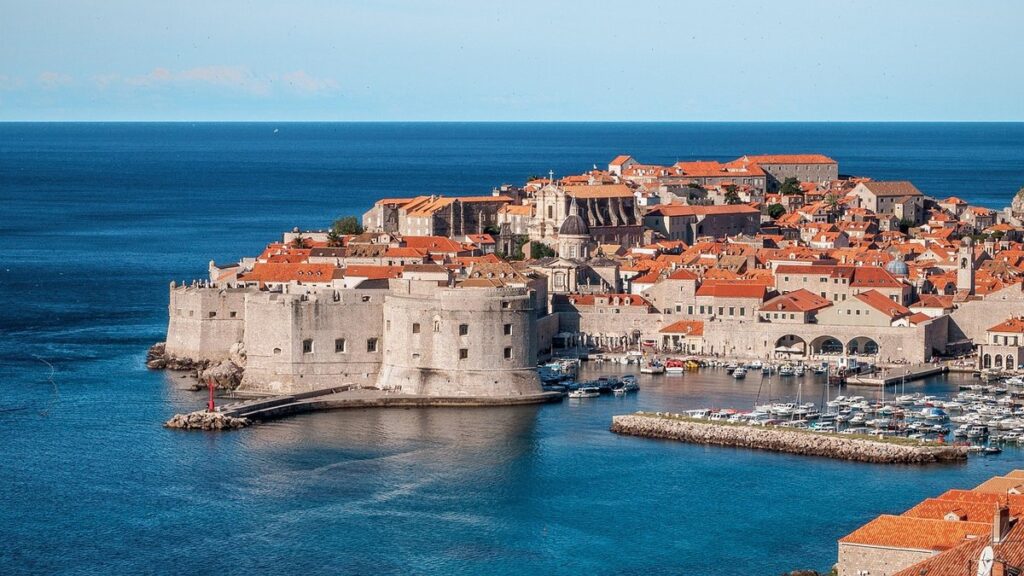
History of Dubrovnik’s City Walls
Dubrovnik’s city walls have been a testament to the city’s rich history and resilience for over 1,000 years, with various invasions and sieges shaping their design. We’ll take you through their storied past, from medieval construction to modern-day restoration efforts.
Early Beginnings: The Walls’ First Construction
The initial construction of Dubrovnik’s city walls dates back to the 10th century, during the early years of the Republic of Ragusa. The walls were built to protect the city from invading forces and pirate attacks, which posed a significant threat to its stability and growth. The primary materials used in their construction were stone, brick, and mortar, often sourced locally.
The first phase of wall construction occurred around 1333-1340, with the aim of safeguarding the city’s harbor and surrounding areas from potential threats. Over time, these initial walls were augmented with additional fortifications, including towers and bastions, to enhance their defensive capabilities. One notable feature of the early walls is their incorporation of existing structures, such as watchtowers and gatehouses.
To appreciate the skill and craftsmanship that went into building these ancient fortifications, consider a visit to the Revelin Fortress, one of the oldest parts of the city wall system. This historic site provides valuable insights into Dubrovnik’s defensive architecture during its medieval heyday.
Medieval Revamps and Additions
During the Middle Ages, Dubrovnik’s city walls underwent significant renovations and expansions. One notable addition was the incorporation of watchtowers along the fortifications’ length. These towers were strategically placed to provide a clear line of sight over the surrounding waters and neighboring buildings. The most prominent of these is the Minčeta Tower, which now serves as an iconic landmark.
New gates were also constructed during this period, including the Ploče Gate on the eastern side of the city. This gate played a crucial role in regulating trade and commerce between Dubrovnik and its neighboring territories. Its design reflects the medieval practice of emphasizing accessibility while maintaining security. In contrast to older sections of the walls, these additions demonstrate the growing influence of Gothic architecture on Dubrovnik’s urban landscape.
By incorporating watchtowers and new gates, the city’s medieval builders reinforced Dubrovnik’s defenses while adapting to shifting economic and cultural pressures. Today’s visitors can explore these features during their wall walk, gaining a deeper understanding of how Dubrovnik’s ancient fortifications evolved in response to its medieval context.
Ottoman Rule and Later Modifications
In 1202, Dubrovnik’s independence from Byzantium marked the beginning of a tumultuous period under Venetian rule. However, it was the Ottoman Empire’s invasion in the early 16th century that brought significant changes to the city’s defenses. The Ottomans laid siege to Dubrovnik on multiple occasions, with the longest lasting from 1537 to 1544. These sieges prompted a series of modifications and repairs to the walls.
One notable alteration was the addition of fortresses and watchtowers, such as the Fort Lovrijenac at the entrance to the old city. This fortress, known as “St. Lawrence,” guarded the western approach and served as a last line of defense against potential invaders. The Ottomans also introduced new defensive technologies, including arquebusiers’ platforms, which allowed for more effective crossfire.
Planning Your Wall Walk
To make the most of your Dubrovnik Wall Walk experience, it’s essential to plan ahead and know what to expect from each stop on this iconic route. From entrance points to notable landmarks, let’s break down the key details.
Choosing the Best Route: Guided Tours vs. Self-Guided Explorations
Guided tours of Dubrovnik’s old town walls offer a more structured and informative experience, with knowledgeable guides providing context on the city’s history, architecture, and strategic significance. These tours typically last around 1-2 hours and cost between 20-50 euros per person, depending on the operator and duration.
Self-guided walks, on the other hand, allow for greater flexibility and independence, enabling you to explore the walls at your own pace and revisit areas of interest. The costs are minimal, with a ticket price of around 200 kuna (around 25 euros) per person for access to the old town walls. However, without expert knowledge, it’s easy to miss significant landmarks or overlook important historical details.
While guided tours provide valuable insights and context, self-guided explorations offer an immersive experience that lets you connect with the ancient fortifications on a deeper level. If you’re short on time or want a more in-depth understanding of Dubrovnik’s history, a guided tour may be the better option. However, if you prefer to wander at your own pace and soak up the atmosphere, self-guided is a great choice.
Essential Preparation for a Safe and Enjoyable Walk
When walking along Dubrovnik’s ancient fortifications, it’s essential to prioritize your comfort and safety. Start by lacing up a pair of comfortable shoes or hiking boots with good grip – you’ll be doing plenty of walking on uneven stone surfaces. Bring at least two liters of water per person to stay hydrated in the hot Mediterranean sun, as well as snacks like energy bars, fruit, or trail mix to keep your energy levels up.
Don’t forget essential sun protection: a wide-brimmed hat, sunglasses with UV protection, and sunscreen with a high SPF rating. The Croatian summer sun can be intense, so be sure to reapply sunscreen regularly. It’s also a good idea to bring a lightweight rain jacket or poncho – Dubrovnik’s weather can be unpredictable.
Before setting out, familiarize yourself with the rules of the walk. While you’re free to explore most areas of the old city walls, some sections may be closed due to maintenance or private events. Take note of any signs or warnings posted along the way and respect local regulations.
Tips for Photographing the City Walls
When photographing Dubrovnik’s walls, it’s essential to capture the intricate details and grand architecture. For optimal results, use a camera with a wide-angle lens (between 10-24mm) to encompass the vast expanse of the fortifications. A tripod is also crucial for minimizing camera shake and ensuring sharp images.
In terms of composition, look for interesting angles and perspectives that highlight the walls’ unique features. Experiment with shooting from different heights, such as from a raised platform or from above the walls. This will add depth and visual interest to your photographs.
To avoid crowds during peak tourist season, consider visiting early in the morning or late in the evening when the sun is lower in the sky. These times also offer softer, more flattering light that will enhance your images. If you’re visiting during peak hours, try to position yourself near the wall’s entrance or exit points, where tourists tend to congregate less. Additionally, keep an eye out for interesting textures and details, such as stone carvings or rusty gates, which can add a layer of depth and character to your photographs.
Exploring the City Walls: Notable Landmarks and Features
As you make your way along Dubrovnik’s ancient city walls, keep an eye out for these iconic landmarks and unique features that have helped shape the city’s rich history. From imposing fortifications to stunning scenic spots.
The Ploče Gate and Other Access Points
The Ploče Gate and other main entrances to Dubrovnik’s city walls are not only functional entry points but also significant landmarks in their own right. The Ploče Gate, located on the western side of the old town, is one of the most impressive and historic gates within the walls. Built during the 16th century, it features a distinctive Gothic-Renaissance style archway adorned with the coat of arms of the Republic of Dubrovnik.
Nearby, visitors can explore the adjacent Fort Lawrence, which offers stunning views of the old town and the surrounding waters. The fort’s history is closely tied to that of the city walls, having served as a key stronghold during the Napoleonic Wars. Other notable landmarks near the Ploče Gate include the Franciscan Monastery and its museum, housing an impressive collection of artifacts and artworks from Dubrovnik’s rich cultural heritage.
When approaching these gates, be mindful of your surroundings, as they can be busy with tourists and locals alike. Consider visiting early in the morning or late in the afternoon to avoid crowds and fully immerse yourself in the historic atmosphere.
Fort Lovrijenac and Its Strategic Importance
Fort Lovrijenac is one of Dubrovnik’s most impressive fortifications and a crucial part of its medieval defenses. Constructed in 1635 by Venetian architect Marino Ghetaldi, it was intended to protect the city from land-based attacks. Strategically positioned on a rocky peninsula, Fort Lovrijenac controlled access to the old harbor and provided an additional line of defense for the ancient walls.
A small but well-designed fortification, Lovrijenac played a significant role in Dubrovnik’s history during the Ottoman invasion of 1646. Although it withstood the siege, the fort itself suffered damage from cannon fire. Today, visitors can explore its inner courtyard and climb to the top for panoramic views of the old city.
To fully appreciate Fort Lovrijenac’s strategic importance, consider stopping by on your wall walk route. Take a moment to admire its imposing presence and imagine the defensive system in place during the 17th century. As you move through the fort, note the remnants of the Venetian arsenal and think about how they contributed to Dubrovnik’s overall defensive capabilities.
Its well-preserved design makes Fort Lovrijenac an essential part of any wall walk itinerary, offering insight into Dubrovnik’s military past and architectural heritage.
The Revelin Fortress: A Former Maritime Defense
The Revelin Fortress stands as a testament to Dubrovnik’s complex maritime defense system. Originally constructed in the 14th century, it was designed to protect the city from naval attacks by controlling access to the Old Harbour and the nearby islands. The fortress’s strategic location allowed defenders to rain fire down upon any ships attempting to enter or leave the harbour.
Today, the Revelin Fortress is a partially reconstructed site, offering a glimpse into Dubrovnik’s storied past. As you explore this section of the walls during your walk, you’ll notice the mix of ancient and modern elements – a reminder that history is often reinterpreted and rebuilt upon. To access this part of the wall, follow the walking route that winds its way along the eastern side of the old city. The Revelin Fortress will be visible to your left as you make your way towards the Old Harbour. Be sure to take in the views from the nearby battlements – on a clear day, you can see across the Adriatic to the islands beyond.
Safety Precautions and Emergency Procedures
Before embarking on the Dubrovnik Wall Walk, it’s essential you’re aware of potential hazards and know what to do in case of an emergency. This section will outline key safety precautions and procedures.
Navigating Stairs, Ladders, and Uneven Terrain
The Dubrovnik wall walk is a stunning and historic experience, but it also requires caution and attention to potential hazards. As you navigate the ancient fortifications, be mindful of steep stairs and uneven terrain that can be slippery or crumbling in places. The wall’s architecture is a testament to its age, with narrow staircases, creaky wooden bridges, and worn stone surfaces that can be treacherous underfoot.
Old structures like these can pose a risk to safety, particularly for visitors who may not be familiar with the terrain. Be aware of your surroundings, keeping an eye out for signs indicating uneven or slippery areas, and take your time when ascending or descending stairs. It’s also essential to watch for loose stones or other hazards that could cause tripping or slipping.
In some sections, the wall walk is particularly steep or narrow, with walls barely wide enough for two people to pass comfortably. In these areas, consider taking regular breaks to rest and rehydrate. By being mindful of these potential hazards and taking necessary precautions, you can enjoy a safe and unforgettable experience on Dubrovnik’s historic wall walk.
What to Do in Case of an Emergency or Injury
In the event of an emergency or injury while walking on the Dubrovnik walls, it’s essential to remain calm and take immediate action. If you’re unable to walk due to a severe injury, try to signal for help by waving your arms or shouting loudly. You can also use your phone to call for assistance or alert nearby tourists.
In case of inclement weather conditions like strong winds or heavy rain, seek shelter immediately. Look for designated rest areas or alcoves where you can wait out the storm. If the conditions worsen, consider leaving the wall and exploring other parts of Dubrovnik’s old town.
It’s also crucial to be aware of your surroundings and keep an eye on fellow walkers, especially in crowded areas like narrow passages or stairs. If someone nearby is injured or experiencing difficulties, offer assistance if you can do so safely. Stay with the person until help arrives, but prioritize your own safety above all else. Keep a basic first-aid kit handy, including essentials like bandages and antiseptic wipes.
Additional Tips and Insights from Local Experts
To help you make the most of your Dubrovnik Wall Walk experience, we’ve gathered expert advice from local experts who have spent years exploring these ancient fortifications. Their insights will give you a deeper understanding of the city’s history and hidden gems.
Insider Knowledge: Hidden Gems and Secret Spots
Local residents and historians often share insider knowledge about hidden gems within Dubrovnik’s walls. For instance, some experts recommend exploring the narrow, winding passages that connect various sections of the fortifications. These passages, often overlooked by tourists, offer unique perspectives on the city’s architecture and provide a glimpse into the lives of the people who once inhabited the walls.
One such passage is located near the Revelin Fortress, where visitors can find a small, secluded garden filled with herbs and flowers. This tranquil oasis was originally used as a refuge for those seeking shelter from enemy attacks. Today, it remains a peaceful spot to pause during the walk, taking in the surrounding views of the Adriatic Sea.
To make the most of these hidden areas, consider exploring the walls early in the morning or late in the evening when the crowds have dissipated. Be sure to bring a map or guidebook to help navigate the complex network of passages and tunnels within the fortifications. By doing so, you’ll uncover a more authentic and nuanced understanding of Dubrovnik’s rich history and culture.
Best Time to Visit and Avoiding Crowds
Locals recommend visiting the city walls during the shoulder season, from April to June and September to October. These periods offer pleasant weather without the peak tourist crowds of July and August. You can expect smaller groups and shorter wait times for popular attractions within the old town.
During these seasons, you’ll still encounter some visitors, particularly families with children on summer breaks or early bird travelers seeking warmer temperatures. However, the relative calm allows for a more immersive experience amidst the ancient fortifications.
Avoid visiting during major festivals like Dubrovnik Summer Festival (July-August) and Dubrovnik Comic Con (October), as these events draw large crowds and may impact walk schedules. The latter typically takes place in October, coinciding with shoulder season’s end, so it’s essential to plan ahead if you’re interested in attending the festival alongside exploring the city walls.
Be aware that special events like the historic reenactment of the Dubrovnik Republic’s founding (May) may also increase visitor numbers.
Frequently Asked Questions
How Can I Take My Wall Walk at Night to Avoid Crowds?
You can take your wall walk at night by joining one of the guided tours that offer evening walks. These tours usually start in the late afternoon and continue into the evening, allowing you to explore the city walls without the crowds. Additionally, some tour operators may provide special lighting or audio guides that enhance your experience.
What if I Get Lost on the Wall Walk? Are There Maps Available?
Yes, there are maps available at various points along the wall walk, including at the main entrances and tourist information centers. You can also download a map of the walls on your smartphone before your visit. If you do get lost, don’t worry – you’ll eventually come across another group of tourists or a local who can point you in the right direction.
Can I Bring My Pet on the Wall Walk?
Yes, pets are allowed on the wall walk, but please be mindful of other visitors and keep your pet under control. Make sure to clean up after your pet and dispose of any waste properly. Some areas of the walls may also have restricted access due to repairs or maintenance, so be sure to check with a local guide or tourist information center for updates.
How Do I Handle Inclement Weather During My Wall Walk?
If it starts raining during your wall walk, don’t panic! Many sections of the walls are covered or offer sheltered areas. However, some parts may still be exposed to the elements. In case of strong winds or thunderstorms, follow local advice and take refuge in a nearby café or tourist information center until the weather improves.
Can I Bring a Stroller or Wheelchair on the Wall Walk?
While it’s technically possible to bring a stroller or wheelchair on the wall walk, some sections may be inaccessible due to uneven terrain or narrow staircases. It’s recommended that you contact local tour operators or tourist information centers in advance to confirm accessibility and make any necessary arrangements for your mobility aid.
