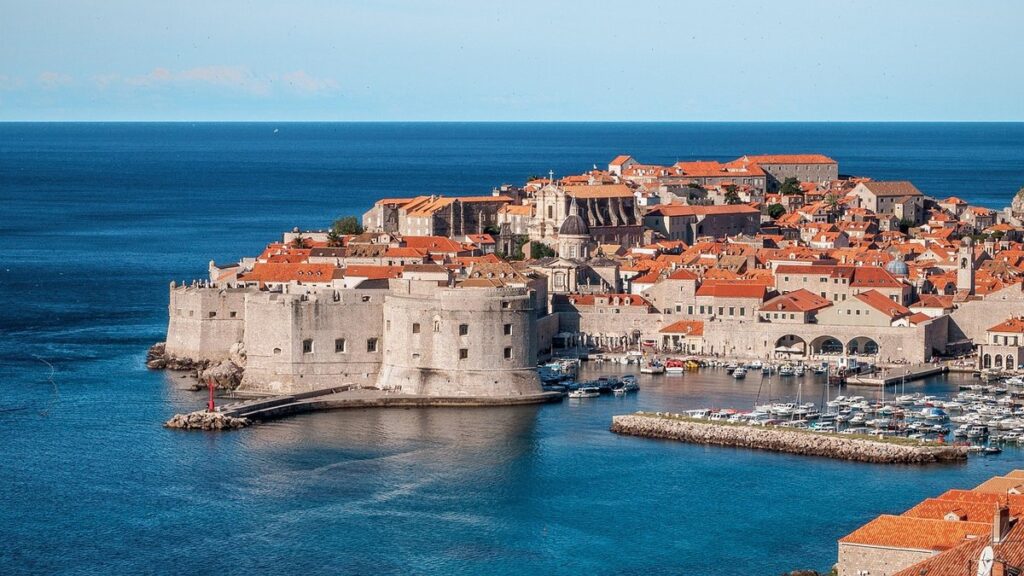
Dubrovnik is one of Croatia’s most breathtaking destinations, with its medieval walls, red-tiled roofs, and crystal-clear waters drawing visitors from all over the world. Yet, amidst the crowds and tour buses, it can be easy to miss out on the real essence of this ancient city. A well-planned city walk Dubrovnik is essential to truly experiencing the history, architecture, and culture that makes this place so unique.
By following a carefully curated route, you’ll discover hidden gems like the Franciscan Monastery’s stunning museum collection and the peaceful Stradun pedestrian zone. You’ll also learn about the city’s turbulent past, from its days as a powerful maritime republic to its siege in the 1990s. This comprehensive guide will show you how to plan your walking route, avoid the crowds, and make the most of your time in Dubrovnik – by the end of this article, you’ll be able to confidently lead yourself through the city’s labyrinthine streets and uncover its secrets.
Planning Your City Walk Adventure
Before you start your city walk adventure, let’s talk about planning a route that suits your interests and energy levels. We’ll help you map out a itinerary for an unforgettable experience in Dubrovnik.
Choosing the Right Time of Year
When planning your city walk adventure in Dubrovnik, timing is crucial to ensure an enjoyable experience. The best time to visit Dubrovnik for a city walk largely depends on your preferences regarding weather and seasonal events.
The peak tourist season, which typically falls between June and August, offers pleasant Mediterranean weather with warm temperatures ranging from 25°C to 30°C (77°F to 86°F). However, this period also means larger crowds, higher accommodation prices, and reduced availability of certain attractions. If you’re looking for a more relaxed atmosphere, consider visiting during the shoulder season, which spans from April to May or September to October. These periods offer mild temperatures, smaller crowds, and lower prices.
If you’re interested in attending Dubrovnik’s notable cultural events, plan your visit accordingly. The Dubrovnik Summer Festival, held in July and August, features a range of performances, including music, dance, and theater. Another event worth considering is the Dubrovnik Cathedral Festival, which takes place in October, showcasing classical music concerts within the historic walls of the old city. Be sure to check the dates for these events and plan your itinerary accordingly to make the most of your city walk experience.
Preparing Your Walking Route
When planning your walking route through Dubrovnik’s old town, it’s essential to have a clear understanding of the area’s layout and attractions. Start by obtaining a map of the old town, which can be picked up at the tourist information office or downloaded from the official City Walls of Dubrovnik website. This will give you an idea of the narrow streets and alleyways that make up the historic center.
The most popular walking route is along the ancient city walls, which offer breathtaking views of the Adriatic Sea. You can choose to walk the entire circuit, which takes around 2 hours, or break it down into smaller sections. The Dubrovnik City Walls app provides a self-guided tour with audio commentary and interactive maps. Alternatively, consider purchasing a guidebook that highlights the most significant landmarks and hidden gems within the old town.
Be mindful of your route during peak season (June to August) as some areas can become congested. Consider avoiding walking during the hottest part of the day (11 am – 3 pm) to avoid heat exhaustion. With careful planning, you’ll be able to navigate Dubrovnik’s charming streets and discover its secrets at a leisurely pace.
History and Architecture of Dubrovnik’s Old Town
As we wander through the narrow streets of Dubrovnik’s Old Town, its rich history and stunning architecture will soon become apparent. This ancient city’s past is etched in every stone façade, hidden corner, and majestic fortification.
A Brief History of Dubrovnik’s City Walls
Dubrovnik’s city walls have stood strong for centuries, with a history dating back to the 14th century when the Republic of Ragusa built its first defensive structures. Over the next several hundred years, these walls were continually expanded and fortified, becoming an integral part of the city’s architecture. By the 16th century, Dubrovnik’s walls had grown to encompass over a mile of coastline, with towers and fortifications strategically placed to protect against potential invaders.
The construction of the city walls was largely driven by the threat of attack from the Ottoman Empire. The walls were designed to withstand siege warfare and played a crucial role in defending the city during the Great Siege of 1646. While this siege ultimately led to the destruction of much of Dubrovnik, the city’s defenders fought bravely behind these walls.
The significance of Dubrovnik’s city walls lies not only in their defensive capabilities but also in their preservation of the city’s history and culture. Today, visitors can walk along the walls and enjoy stunning views of the old town and the surrounding Adriatic Sea.
Architectural Styles in Dubrovnik’s Old Town
Dubrovnik’s Old Town is a treasure trove of architectural styles, reflecting the city’s complex history and its position as a crossroads of Mediterranean cultures. As you wander through the narrow streets, you’ll encounter a mix of Gothic, Renaissance, and Baroque influences. The Dubravka Palace, for instance, features a stunning Gothic-Renaissance façade, while the Rector’s Palace boasts an impressive example of Late Gothic architecture.
One of the most striking examples of Baroque architecture in Dubrovnik is the Church of Saint Blaise. Its ornate interior and exterior decorations are a testament to the city’s 17th-century prosperity. Meanwhile, the Franciscan Monastery and its adjacent Museum of Modern Art showcase a more understated yet elegant Renaissance style.
To appreciate these architectural styles, take your time exploring the Old Town’s alleys and courtyards. Notice how each building seems to lean in, as if sharing secrets with its neighbors. Pay attention to the use of stone, arches, and ornate details, which not only reflect the city’s artistic heritage but also its resilience in the face of war, earthquakes, and other catastrophes.
Essential Attractions and Landmarks
City Walk Dubrovnik is home to a plethora of breathtaking attractions, from ancient city walls to scenic harbors. Let’s take a closer look at some must-visit landmarks along this stunning route.
Exploring the Walls Walk
The Walls Walk is a 2-kilometer stretch of ancient walls surrounding Old Town Dubrovnik. This pedestrian path offers breathtaking views of the Adriatic Sea and provides access to several historic sites within the city’s fortified walls. The route begins at Pile Gate, where you can purchase tickets for guided tours or opt for self-guided exploration.
As you walk along the eastern side of the walls, notice the unique combination of medieval architecture and fortifications. Stop by Fort Lovrijenac, a 14th-century stronghold located on a small peninsula jutting into the sea. Continue westward to the Dominican Monastery and Museum, which showcases an impressive collection of art and artifacts from Dubrovnik’s rich history.
Notable landmarks along the way include the Church of St. Blaise, the city’s patron saint, and the Rector’s Palace, a stunning example of Gothic-Renaissance architecture. Be mindful of your surroundings and pace yourself, as some areas within the walls can be quite steep or uneven. With over 30 towers and fortifications along this route, you’ll have ample opportunities to pause, take in the views, and appreciate Dubrovnik’s rich cultural heritage.
Visiting Stradun Street
Stradun Street is a historic pedestrian zone and one of Dubrovnik’s most iconic thoroughfares. The street dates back to the 14th century when it was built as a fortress wall that surrounded the old city, providing defense against invaders. Today, visitors can walk along the same cobblestone path, taking in the stunning views of the Adriatic Sea and the surrounding walls.
As you stroll down Stradun Street, notice the rich history embedded in its architecture. The street is lined with Gothic, Renaissance, and Baroque buildings that have been beautifully preserved over the centuries. Be sure to admire the Church of Saint Blaise, a stunning example of Dubrovnik’s medieval architecture, and visit the Franciscan Monastery, which houses one of the oldest pharmacies in Europe.
Take your time to explore Stradun Street, as it offers a unique glimpse into Dubrovnik’s rich history. Stop by local shops and cafes that line the street, offering everything from traditional Croatian souvenirs to delicious seafood dishes. With its picturesque surroundings and rich cultural heritage, Stradun Street is an essential destination for anyone exploring City Walk Dubrovnik.
Cultural Experiences in Dubrovnik
As you wander through Dubrovnik’s ancient streets, immerse yourself in the city’s rich cultural heritage, from historic festivals to traditional Croatian cuisine. Discover how to experience it all like a local.
Understanding Croatian Culture
Croatian culture is a rich tapestry of Mediterranean and Slavic influences. During your city walk, you can experience this unique blend firsthand through traditional food and festivals. Be sure to try some peka, a slow-cooked meat or vegetable dish wrapped in foil and baked in a wood-fired oven. This hearty meal is often served at family gatherings and special occasions.
You may also catch a glimpse of local festivities, such as the Dubrovnik Summer Festival, which takes place from July to August. This festival celebrates music, dance, and theater with performances held throughout the city’s historic buildings and streets. If you’re visiting in June or September, you might be lucky enough to witness the Dubrovnik City Walls Festival, a celebration of art, music, and food that takes place along the ancient fortifications.
When exploring Croatian culture during your city walk, remember to respect local traditions and customs. For example, it’s customary to greet locals with a kiss on each cheek, and to remove your shoes before entering someone’s home. By embracing these cultural nuances, you’ll be able to truly experience the essence of Dubrovnik’s unique heritage.
Attending a Performance at the Rector’s Palace
The Rector’s Palace, a 14th-century Gothic-Renaissance structure, has served as the seat of government for Dubrovnik’s Republic. Its original purpose was to provide a residence and office for the Rector, the chief administrator of the city-state. Today, it hosts various cultural events, including concerts, exhibitions, and performances.
The palace’s impressive interior features a grand hall with a beautifully restored 16th-century ceiling. Visitors can explore the complex, which now houses the Dubrovnik Museum, to learn about its history and significance. The complex is open to the public during regular museum hours, allowing visitors to appreciate its architectural beauty and historical importance.
When attending an event at the Rector’s Palace, consider visiting early to take in the stunning architecture and soak up the atmosphere of this historic site. The palace’s grandeur provides a unique backdrop for cultural performances, making it an unforgettable experience for attendees. Be sure to check the schedule of events and plan your visit accordingly, as events are often held during peak tourist season.
Safety and Logistics for City Walks
When strolling through Dubrovnik’s ancient walls, it’s essential to be prepared for the unexpected, so we’ll cover tips on staying safe and organized during your city walk adventure. This includes what to expect from traffic and pedestrian flow.
Staying Safe in Dubrovnik’s Old Town
When walking through Dubrovnik’s Old Town, it’s essential to be aware of your surroundings and take necessary precautions to stay safe. Crowded areas like Stradun, the main street, can get congested with tourists, especially during peak season. To avoid getting caught up in the throngs, try to visit popular attractions during off-peak hours or consider exploring lesser-known streets and alleys.
Hydration is also crucial, especially on hot summer days when temperatures often soar above 30°C (86°F). Make sure to carry a refillable water bottle with you and take regular breaks to rest in shaded areas. Be mindful of your belongings, as pickpocketing can be a problem in crowded tourist spots. Keep valuables secure and consider using a money belt or a secure bag.
Additionally, pay attention to street performers and vendors, who may use distractions to steal from unsuspecting tourists. If you’re planning to walk along the city walls or engage in water activities, follow safety guidelines and instructions provided by authorities or tour operators. By being mindful of these factors, you can enjoy a safe and enjoyable experience while exploring Dubrovnik’s stunning Old Town.
Navigating the City with Ease
Dubrovnik’s old town is a labyrinth of narrow streets and alleys, making it easy to get lost. To navigate with ease, start by familiarizing yourself with a map of the city. You can pick one up at the Dubrovnik Tourist Board or download a GPS-enabled app like Maps.me or Citymapper that provides offline maps and navigation.
As you walk, pay attention to street signs and look for plaques indicating important landmarks and historical sites. Keep in mind that many streets are one-way, so be sure to note which direction you’re heading. If you find yourself lost, don’t hesitate to ask locals for assistance. Many Dubrovnik residents speak excellent English, particularly younger generations who cater to tourists.
When asking for help, simply point to your map or a nearby landmark and explain where you’re trying to go. Locals will often provide directions, recommendations, or even escort you to your destination. Additionally, many cafes, restaurants, and shops have English-speaking staff who can offer guidance on navigating the city.
Frequently Asked Questions
Can I do the Walls Walk with Strollers or Wheelchairs?
Yes, many sections of the Walls Walk are wheelchair accessible and stroller-friendly. However, some areas may be narrow or have uneven surfaces, so it’s best to check in advance which parts can accommodate your needs.
How Do I Handle Crowds During Peak Season?
During peak season, expect large crowds on popular routes like Stradun Street. To avoid congestion, consider visiting early morning or late evening and using the city’s public transportation system to reduce walking distances between attractions.
Can I Use Public Transportation While in Dubrovnik?
Yes, Dubrovnik has an efficient public transportation system that connects major attractions, including buses that go up to the old town. You can buy tickets at newsstands or online for a day pass, which may be more convenient than navigating with maps.
What If I Get Lost or Need Help While Walking in Dubrovnik?
If you get lost, don’t worry; locals are friendly and helpful. They can guide you back on track or recommend shortcuts to your destination. Additionally, many cafes, shops, and tourist information centers have staff who speak multiple languages and can assist with any queries.
How Can I Experience Croatian Culture Beyond the Tourist Areas?
To genuinely experience local culture, try visiting farmers’ markets or joining a guided tour that focuses on traditional villages outside Dubrovnik’s old town. These experiences offer unique opportunities to engage with authentic Croatian customs and traditions beyond the usual tourist spots.