
Drawing can be a therapeutic escape from the stresses of daily life, but for many of us, the goal is not just to create something beautiful, but also to quiet our minds and tap into our creative potential. You may find that your usual drawing routine leaves you feeling anxious or self-critical, rather than relaxed and inspired. The good news is that mindful drawing offers a different approach – one that encourages presence, patience, and curiosity in the process of creating.
By incorporating mindfulness principles into your drawing practice, you can reduce stress and increase focus while cultivating a deeper connection to yourself and your art. In this guide, we’ll explore what it means to draw mindfully, and provide practical tips and exercises for getting started with this meditative practice. Whether you’re an experienced artist or just looking for a new way to unwind, mindful drawing can help you unlock your full creative potential while finding greater peace in the process.
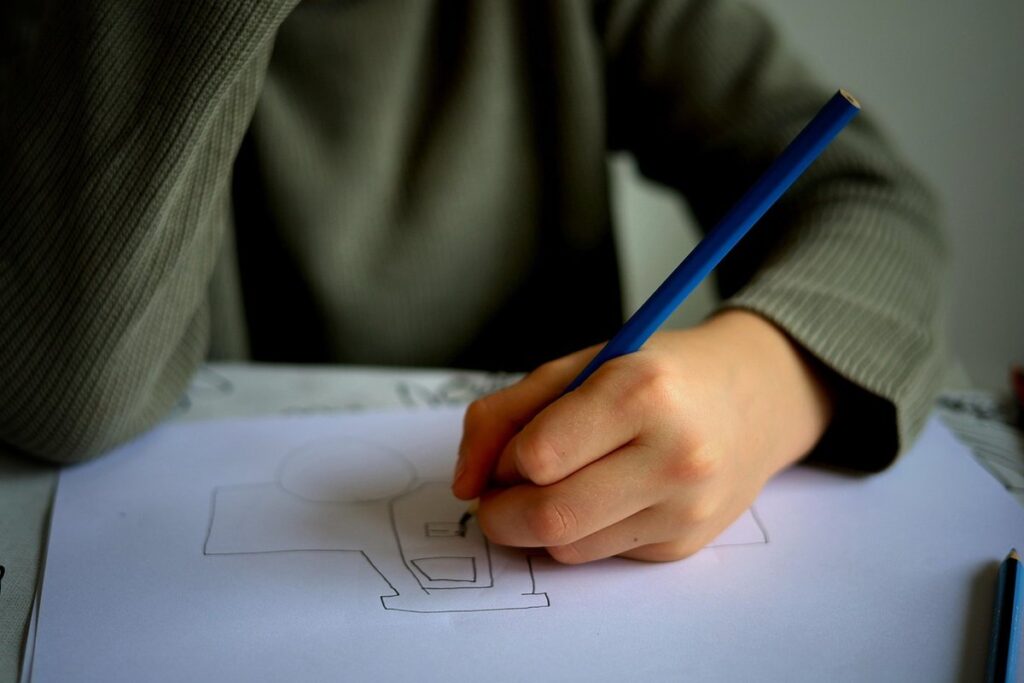
What is Mindful Drawing?
Mindful drawing encourages a non-judgmental approach to creating, allowing you to tap into your inner artist and enjoy the process of bringing your ideas to life. Let’s break down what this means in practice.
Understanding the Benefits of Mindfulness in Art
Mindful drawing can be a powerful tool for reducing stress and increasing focus. When we bring awareness to our breathing and bodily sensations while creating art, we calm our nervous system and quiet the mind. This allows us to stay present with each mark on the paper, rather than getting caught up in worries about perfection or time constraints.
Research has shown that mindfulness practices can decrease cortisol levels and blood pressure, while also improving mood and cognitive functioning. In the context of drawing, this means you’re more likely to immerse yourself in the creative process without distraction or anxiety. For example, you might find yourself becoming fully absorbed in the texture of your pencils or the flow of your ink, noticing the subtle sensations as your hand moves across the page.
To incorporate mindfulness into your drawing practice, try setting aside a few minutes each day for focused drawing without any goals or expectations. You can start by paying attention to your breath and letting go of tension in your body. Then, bring awareness to the sensations in your hands and arms as you move the pencil or brush across the paper.
The Science Behind Mindful Creativity
Research suggests that mindfulness meditation can alter brain activity patterns, particularly in areas responsible for attention and creativity. One key area affected is the default mode network (DMN), which normally governs mind-wandering tendencies. Studies have shown that regular mindfulness practice reduces DMN activity, allowing individuals to focus more intently on their work.
Mindful drawing, therefore, can be seen as an exercise in cultivating this focused attention. By dedicating yourself to the present moment and the task at hand, you may find your creativity and productivity increase. This is particularly relevant when faced with a blank sheet of paper: instead of succumbing to anxiety or self-criticism, mindfulness encourages you to observe your thoughts without judgment.
Neuroplasticity also comes into play here – the brain’s ability to reorganize itself in response to new experiences. Regular mindful drawing practice can shape both creative abilities and cognitive function. As research continues to uncover the interplay between mindfulness and artistic expression, one thing becomes clear: cultivating a mindful approach can significantly enhance your capacity for creative work.
Setting Up Your Mindful Drawing Practice
To get started with mindful drawing, you’ll want to set up a space and mindset that fosters creativity and calmness. This involves creating a dedicated workspace and letting go of expectations around your art.
Creating a Conducive Environment for Mindful Drawing
A cluttered and cramped space can easily distract from the meditative experience of mindful drawing. Consider dedicating a small area in your home to your practice, free from distractions and interruptions. This could be as simple as clearing a corner of your desk or designating a section of a wall for your drawings.
Proper lighting is also crucial. Natural light is ideal, so place yourself near a window if possible. If artificial lighting is necessary, opt for soft, warm tones that reduce glare on the paper. Avoid harsh overhead lights, which can create unflattering shadows and make it difficult to see subtle details in your work.
Comfortable seating is another essential component of a conducive environment. Invest in an ergonomic chair or cushion that allows you to sit with good posture for extended periods. Consider using a drawing board or lap tray to keep your paper at a comfortable height, reducing strain on your neck and shoulders. By creating a peaceful and inviting space, you’ll be able to fully immerse yourself in the process of mindful drawing.
Choosing the Right Tools for Mindful Expression
Drawing mindfully is about connection, not perfection. The right tools can amplify this experience. Consider using a range of materials to explore different textures and sensations on paper.
Experiment with graphite pencils for smooth, flowing lines or charcoal for expressive, gestural marks. Watercolor paints offer another route to fluid expression, allowing you to observe how water blends colors in unexpected ways.
Some artists find that traditional tools like fine-tip pens or brushes provide a sense of control, while others prefer the unpredictability of ink splatters or loose brushstrokes with sponges and cloths. Consider combining media – for instance, using colored pencils over watercolor washes to achieve nuanced color variations.
The mindful experience is not about achieving precise realism but embracing the unique qualities each tool and material brings. When you intentionally choose a specific set of tools, you’re setting an intention for your drawing practice – to engage fully with the present moment, exploring possibilities and letting go of expectations.
Establishing a Regular Routine for Mindful Drawing
To establish a regular routine for mindful drawing, start by scheduling it into your daily planner or calendar. Designate a specific time of day when you can commit to drawing without interruptions or distractions. This could be first thing in the morning, during your lunch break, or before bed.
Begin with small, manageable sessions – 15-30 minutes is sufficient to get started. As you become more comfortable with the practice, gradually increase the duration. It’s essential to establish a consistent routine, even if it’s just a few days a week, to make mindful drawing a habit.
Create an environment conducive to drawing mindfully by setting up a dedicated space for your art supplies and ensuring good lighting. Keep your materials within easy reach to minimize disruptions during sessions. Regularity is key; aim to draw at the same time every day or week to create a sense of continuity.
Consider incorporating mindful drawing into daily activities, such as during meditation or while waiting in line. These short moments can help you stay connected with your creative self and foster a deeper appreciation for the present moment.
Mindfulness Techniques for Enhanced Creativity
Let’s explore some simple yet powerful mindfulness techniques that will help you quiet your mind and tap into a flow state, unleashing your full creative potential as a drawist.
Focusing on the Process, Not the Outcome
When you’re focused on creating a perfect drawing, it’s easy to get caught up in worries about what others will think. You might worry that your lines are too wobbly, or your proportions are off. But when perfectionism takes over, creativity stalls. By letting go of the need for perfection and focusing on the process instead, you can tap into a more playful, exploratory mindset.
Try this exercise: set aside your usual goals for what the final product should look like, and instead focus on experimenting with different materials and techniques. Try using colored pencils to create intricate patterns, or layering paint to achieve unique textures. Allow yourself to make mistakes – in fact, intentionally seek them out as opportunities for discovery.
As you draw, pay attention to the sensations in your hands and fingers. Notice how the pencil glides across the paper, or how the brush dances with each stroke. By tuning into the physical sensations of creation, you’ll find that worries about perfection begin to fade away. The joy of drawing mindfully lies not in the end result, but in the process itself – so take your time, and savor the journey.
Being Present in the Moment Through Sensory Exploration
When you’re drawing mindfully, one way to cultivate presence is through sensory exploration. This involves tuning into the tactile and visual aspects of your artwork, rather than just focusing on creating a perfect representation of reality.
Start by paying attention to texture. Notice how different tools feel in your hand – the smoothness of a graphite pencil, the grittiness of charcoal, or the softness of a pastel stick. Experiment with combining textures to create interesting contrasts and visual interest. For example, layering rough charcoal over smooth watercolor paper can add depth and dimensionality to your work.
Notice too how colors interact with each other on the page. Pay attention to how warm and cool hues are distributed across your composition, and consider deliberately introducing subtle gradations of tone to create a sense of atmosphere or mood. Observe how light falls on different textures and colors, casting shadows and highlighting certain areas – this can be a powerful way to add depth and visual interest to your drawings. By engaging with the tactile and visual aspects of your artwork in this way, you can tap into a more mindful and creative flow.
Cultivating a Growth Mindset for Continued Improvement
Cultivating a growth mindset is essential for continued improvement as an artist. It’s about embracing challenges, persisting through frustrations, and viewing failures as opportunities to learn. When you focus on developing your skills, rather than creating perfect artwork, you’ll find motivation and inspiration follow naturally.
Set realistic goals for yourself, breaking them down into manageable tasks. For instance, if you’re struggling with perspective, dedicate a few days to practicing one aspect at a time – such as drawing receding lines or overlapping planes. This incremental approach helps build confidence and reduces the likelihood of becoming overwhelmed by your own expectations.
Celebrate small victories along the way, no matter how minor they may seem. Acknowledge each tiny step forward, even if it’s just mastering a new technique. When you focus on progress rather than perfection, you’ll find yourself more engaged in the creative process.
Overcoming Common Challenges in Mindful Drawing
As you cultivate a mindful drawing practice, it’s inevitable that you’ll encounter obstacles that test your patience and creativity. Let’s tackle some of the most common challenges that can derail your progress and find ways to overcome them.
Managing Self-Criticism and Perfectionism
Developing a compassionate approach to your artwork can be especially challenging when you’re prone to self-criticism and perfectionism. When you’re fixated on creating a flawless piece, you may feel anxious about making mistakes or taking risks. This mindset can stifle your creativity and make the drawing process feel more like a chore than an enjoyable experience.
To cultivate a more compassionate approach, try to separate your self-worth from your artwork. Remind yourself that it’s okay to create imperfect pieces – in fact, many masterpieces have been created through experimentation and iteration. When you notice yourself getting caught up in self-criticism, take a step back and ask yourself: “What would I say to a friend who made this same mistake?” This can help you develop a more kind and understanding attitude towards your own work.
Additionally, consider setting aside your finished pieces for a while before reviewing them. This allows you to approach your artwork with fresh eyes and appreciate it for what it is, rather than focusing on its perceived flaws. By adopting a more compassionate mindset, you’ll be able to enjoy the process of drawing mindfully and celebrate your unique creative expression.
Dealing with Distractions and Interruptions
When working on a mindful drawing practice, it’s easy to get sidetracked by external distractions. The phone buzzes, someone asks for a conversation, or the neighbor starts making noise outside – all these interruptions can pull you out of the present moment.
To minimize their impact, try designating your drawing space as an interruption-free zone. This might mean turning off notifications on your phone or asking family members to respect your worktime. You can also use physical barriers like a screen or a plant to block out visual distractions.
Another strategy is to anchor yourself in the present by paying attention to the sensations in your body while you draw. Notice the feeling of the pencil in your hand, the sensation of the paper beneath it, and the rhythm of your breath. When an interruption arises, gently acknowledge it and refocus on these bodily sensations. For example, if someone calls out from another room, take a deep breath in through the nose and out through the mouth, then return to your drawing, feeling the pencil’s weight in your hand.
Working Through Creative Blocks
When you’re stuck and can’t seem to put pencil to paper, it’s easy to get frustrated. But the good news is that creative blocks are a normal part of the drawing process. Many artists experience them from time to time, even those who have developed a consistent practice.
One technique for working through artist’s block is to shift your focus away from creating something perfect or finished. Instead, try freewriting – setting a timer for 10-15 minutes and allowing yourself to draw whatever comes to mind without stopping or worrying about the outcome. This helps loosen up your hand and gets you back in touch with the process of drawing itself.
Another approach is to change your environment. Sometimes, we just need a fresh perspective, and that can be as simple as moving from your usual drawing space to a different room, or even outdoors. Take a few minutes to observe your surroundings – notice the light, the textures, the colors around you. Let these observations guide your drawings, and see where they lead you.
Don’t worry if what comes out at first isn’t “good” by your standards. The goal here is not to create something beautiful or impressive but to get moving again and rediscover the joy of drawing.
Applying Mindful Drawing in Real-Life Situations
As you become more comfortable with mindful drawing, it’s time to bring this practice into everyday life by applying its principles to challenges and opportunities. You’ll find ways to stay present and creative even in unexpected situations.
Using Mindful Drawing as a Tool for Self-Care
When used intentionally as a self-care practice, mindful drawing can be an effective tool for managing stress and promoting relaxation. This is because the act of creating with intention and awareness requires focus on the present moment, distracting us from worries about the past or future.
To incorporate mindful drawing into your self-care routine, try setting aside time each day to draw without a specific goal or outcome in mind. Allow yourself to get lost in the process, experimenting with different strokes and marks without concern for creating a “good” piece of art. You might find it helpful to begin by simply observing the sensations in your hand as you hold a pencil or pen – notice any tension or release.
As you become more comfortable with this approach, consider exploring various drawing prompts designed to encourage relaxation, such as drawing shapes or patterns without lifting your tool from the paper, or creating simple still-life compositions using natural materials like leaves and branches. Remember that the goal is not to create a masterpiece but rather to cultivate awareness of your body and surroundings in the moment.
Bringing Mindfulness into the Classroom or Workplace
Introducing mindful drawing activities into educational or professional settings requires a thoughtful and intentional approach. Consider partnering with school administrators or HR departments to develop a pilot program that incorporates mindful drawing exercises during lunch breaks, staff meetings, or as part of employee wellness initiatives.
For educators, incorporating mindful drawing can be done in various ways. For instance, students can draw freely for 5-10 minutes while teachers guide them through gentle breathing exercises or lead a brief discussion on the present moment. Alternatively, you can design assignments that encourage students to apply mindfulness principles while drawing, such as creating artworks inspired by nature or depicting emotional states.
When introducing mindful drawing activities in a workplace setting, consider providing a quiet and comfortable space for employees to draw without distractions. You may also offer gentle prompts or themes to spark creativity, but emphasize the importance of following one’s intuition rather than striving for perfection. The goal is to cultivate a sense of calm and focus among participants, not to create elaborate artworks.
Using Mindful Drawing in Therapy and Healing Practices
Incorporating mindful drawing into therapeutic sessions or healing practices can be a powerful tool for promoting emotional expression and release. Mindful drawing encourages individuals to focus on the present moment, letting go of worries about skill level or perfection. This freedom allows clients to tap into their emotions and explore them in a non-verbal way.
Therapists may use mindful drawing as a warm-up exercise or as a means to access deeper states of consciousness. For instance, they might ask clients to draw whatever comes to mind without stopping or worrying about the outcome. This simple yet effective technique can help individuals process and release pent-up emotions, promoting a sense of calm and relaxation.
In some cases, mindful drawing may even be used in place of traditional talk therapy. By engaging with the creative process, individuals can tap into their subconscious mind and access deeper insights without feeling overwhelmed or resistant to verbal discussion. As therapists incorporate mindful drawing into their practice, they often report seeing clients become more engaged and invested in the therapeutic process, leading to improved outcomes and a greater sense of well-being.
Advanced Techniques for Deepening Your Mindful Drawing Practice
As you continue to cultivate mindfulness through drawing, it’s time to take your practice to the next level with techniques that enhance observation and creativity. We’ll explore ways to refine your mark-making skills and deepen connection with your art.
Experimenting with Different Materials and Media
When experimenting with different materials and media, consider their unique characteristics to achieve specific effects. Ink, for instance, is ideal for creating precise lines and details, while paint offers a more expressive and fluid experience. Digital tools can also be used to manipulate and blend colors in ways that would be difficult or time-consuming by hand.
Start by exploring the texture and weight of various materials. Try drawing with a brush dipped in ink, applying gentle pressure for smooth lines or increasing it for bold strokes. Alternatively, use a digital stylus to mimic traditional media or experiment with custom brushes and settings. Don’t be afraid to get messy – paint can add an organic quality to your work, but clean up is also essential.
Some materials, like charcoal or pastels, are designed specifically for expressive mark-making. Use them to create loose gestural drawings that focus on capturing the essence of a subject rather than its precise details. Consider layering different media to achieve interesting textures and effects – for example, using paint over ink or vice versa.
Exploring Expressive Gestures and Movement in Art
Expressive gestures and movement can transform a static drawing into a dynamic, emotionally resonant piece. When we incorporate movement into our art, it reveals the process of creation itself – not just the end result. Observing how lines flow from one gesture to the next helps us appreciate the subtleties of mark-making.
By allowing ourselves freedom in our gestural drawings, we can tap into the subconscious mind and access a deeper level of creativity. This isn’t about creating perfect or polished work; it’s about embracing imperfection and uncertainty. For instance, try drawing without looking at your paper for a few minutes – focus solely on the marks you’re making.
Incorporating movement also fosters mindfulness in the present moment. When we’re fully engaged with the act of drawing, our worries about technique or outcome fade away. We become absorbed in the sensation of holding the pencil, the pressure applied to the paper, and the flow of energy through each line. By letting go of control, we invite unexpected surprises and novel expressions into our art.
Creating a Personalized Mindful Drawing Practice Through Experimentation
As you continue to deepen your mindful drawing practice, it’s essential to experiment and tailor your approach to your unique needs and interests. This might involve exploring different mediums, such as watercolor or pastels, which can evoke distinct emotions and moods. You may also want to experiment with various themes, like still-life compositions or figurative studies, to find what sparks your creativity.
Consider keeping a sketchbook journal to track your progress, noting the techniques that work for you and those that don’t. This will help you refine your approach over time. For instance, if you find yourself consistently drawn to intricate details, try setting aside dedicated sessions for honing this skill. Conversely, if you’re feeling overwhelmed by complexity, simplify your compositions or focus on gestural drawing.
By embracing experimentation and adapting your practice to suit your preferences, you’ll cultivate a more engaging and fulfilling mindful drawing experience. This may involve incorporating movement, music, or even sensory activities like eating or gardening into your creative process. Be patient with yourself as you explore these new avenues – it’s through trial and error that we discover our unique expressions and voice in art.
Frequently Asked Questions
Can I start with mindful drawing without having any prior art experience?
Yes, because the benefits of mindful drawing are just as relevant for beginners as they are for experienced artists. The focus is on cultivating awareness and presence in the creative process, which can be developed regardless of skill level.
How do I balance my mindfulness practice with the need to produce artwork that meets certain standards or requirements?
It’s essential to find a middle ground between being present and mindful during the drawing process and still meeting the needs of your project or client. You might consider setting aside dedicated time for mindful drawing, where you can focus solely on the experience, and then transitioning to more goal-oriented work when necessary.
What if I’m struggling with self-criticism while practicing mindful drawing – how do I cultivate a more compassionate approach?
Begin by acknowledging that it’s okay to make mistakes and that they are an essential part of the learning and creative process. Practice observing your thoughts without judgment, and gently redirect your focus back to the present moment when you notice yourself getting caught up in criticism.
How can I adapt mindful drawing techniques for use with individuals who have physical or cognitive disabilities?
Adapting mindful drawing for different abilities involves recognizing that creativity knows no bounds and that the goal is not about creating a specific piece of art but about the process itself. This might involve using assistive technology, modifying tools to accommodate certain needs, or focusing on sensory experiences that are accessible to everyone.
Can I use digital tools in addition to traditional media for my mindful drawing practice?
Yes, because the essence of mindful drawing is not tied to a specific medium but rather about cultivating awareness and presence. Digital tools can offer unique benefits such as ease of editing, the ability to experiment with new materials virtually, and being more accessible for those with physical limitations.

