
Blueberries are one of the most nutrient-dense fruits out there, packed with antioxidants, vitamins, and minerals that make them an excellent addition to any meal. However, their delicate nature makes them prone to spoilage, which is where freezing comes in as a convenient solution for preserving their nutritional benefits. You may be wondering if it’s possible to freeze blueberries, and the answer is yes – but it requires some care to ensure they retain their flavor and texture. By learning how to freeze blueberries correctly, you can enjoy them year-round without worrying about their short shelf life. This article will cover the ins and outs of freezing blueberries, including the best methods for doing so, and explore convenient ways to incorporate them into your daily meals.
The Basics: Freezing Blueberries
Freezing blueberries is a great way to preserve their flavor and nutritional value, but you need to know how to do it right. Let’s start by covering the basics of freezing blueberries effectively.
Choosing the Right Blueberries
When it comes to freezing blueberries, selecting the right type is crucial for preserving their flavor and texture. Opt for highbush blueberries, as they tend to freeze better than lowbush varieties due to their larger size and thicker skin. Highbush berries also have a more even ripening process, which helps prevent spoilage during storage.
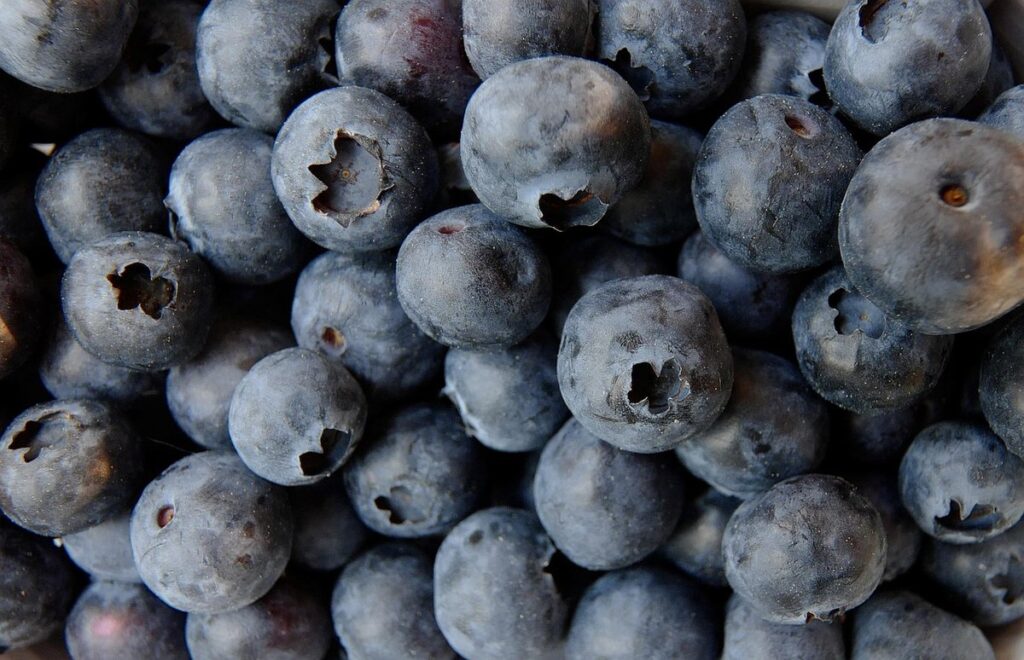
When shopping for fresh blueberries to freeze, look for plump, firm fruits with a powdery coating (called “bloom”). Avoid berries with visible mold, soft spots, or an off smell, as these can indicate rot. A good rule of thumb is to choose blueberries that are heavy for their size, as this indicates high water content and better freezing quality.
Some popular varieties to freeze include ‘Duke’, ‘Bluecrop’, and ‘Patriot’. These types typically have a balanced sweetness level and a firm texture that holds up well during the freezing process. When selecting fresh berries, consider the growing conditions and ripeness at the time of harvest to ensure you’re getting the best quality for freezing.
Preparing Blueberries for Freezing
To prepare blueberries for freezing, you’ll first want to wash them thoroughly. Fill a large bowl with cold water and gently submerge the blueberries. Swish the berries around to release any dirt or debris, then let them soak for 1-2 minutes. Afterward, lift the blueberries out of the water with a slotted spoon and transfer them to a clean kitchen towel.
Gently pat the blueberries dry with the towel to remove excess moisture. This step is crucial in preventing ice crystal formation during freezing, which can cause texture and flavor issues. If you’re planning to freeze your blueberries for baking or smoothies, they should be as dry as possible before storage. For other uses, such as making frozen blueberry syrup, a slightly damp surface may be acceptable.
Once the blueberries are dry, inspect them visually for any visible mold or mildew. Remove any affected berries and dispose of them to prevent spoilage. Next, you’ll need to sanitize your equipment and workspace to minimize contamination risks during the freezing process. Use a mixture of equal parts water and white vinegar to wipe down surfaces and utensils.
Common Mistakes When Freezing Blueberries
Proper washing is crucial before freezing blueberries. If you don’t remove dirt and debris, it can form ice crystals during the freezing process, causing the berries to become mushy and unappetizing. Rinse them gently with cold water, then pat dry with a clean towel or salad spinner to prevent excess moisture from affecting their texture.
Another mistake is using the wrong container for storing frozen blueberries. Plastic bags are not ideal as they can trap moisture, leading to freezer burn. Instead, use airtight containers or freezer-safe bags specifically designed for long-term storage. You can also portion them out in smaller amounts and freeze individual servings for easy thawing.
Some people assume that freezing blueberries requires pre-treatment with sugar syrup or lemon juice, but this is not necessary unless you plan to use them in baked goods or as a topping where flavor preservation is less critical. Be mindful of the freezer temperature – most home freezers operate between 0°F and 10°F (-18°C to -12°C). Store blueberries at 0°F (-18°C) for optimal texture retention.
When it’s time to thaw, simply transfer them to an airtight container in the refrigerator or leave them in their packaging on the kitchen counter.
The Benefits of Frozen Blueberries
One of the most significant advantages of freezing blueberries is that they retain their nutrients and flavor, making them a perfect addition to your favorite recipes year-round. We’ll explore this benefit in more detail below.
Nutritional Value
Frozen blueberries are a nutritious alternative to fresh ones, retaining most of their vitamins and minerals during the freezing process. The high water content of blueberries makes them more susceptible to degradation when stored at room temperature or frozen without proper care. However, with proper storage techniques, they can maintain up to 70% of their vitamin C content.
Vitamin K, an essential nutrient for blood clotting, is also preserved in frozen blueberries, losing only a small percentage during the freezing and thawing process. Additionally, frozen blueberries are rich in antioxidants like anthocyanins and phenolic acids, which have anti-inflammatory properties.
When freezing blueberries, it’s crucial to use flash freezing or individual quick freezing (IQF) methods to prevent the formation of ice crystals that can cause cell damage and nutrient loss. This process typically involves rapidly freezing the berries at -30°C (-22°F) or lower, resulting in a higher retention of nutrients compared to traditional freezer storage.
To maintain the nutritional value of frozen blueberries, store them in an airtight container or freezer bag, removing as much air as possible before sealing.
Convenience and Versatility
Having frozen blueberries on hand offers unparalleled convenience and versatility. These compact bundles of antioxidants can be easily added to a variety of recipes, from smoothies and oatmeal to muffins and scones. In the midst of meal prep or unexpected company, simply scoop out what you need without worrying about spoilage.
In baking, frozen blueberries are particularly valuable as they release their juices during the mixing process, adding natural sweetness and moisture to treats like cakes, cookies, and tarts. To incorporate them into a recipe, thaw frozen blueberries by leaving them at room temperature or soaking them in hot water for a few minutes. They can also be used straight from the freezer in recipes that rely on their texture, such as crumbles and crisps.
Beyond baking, frozen blueberries make an excellent addition to savory dishes like pork chops and game meats. Simply mix them into your favorite rub or marinade before cooking for an explosion of flavor. In addition to these uses, consider adding frozen blueberries to homemade granola or energy bars for a boost of antioxidants and sweetness.
Freezing Methods for Blueberries
Freezing blueberries is a great way to enjoy them year-round, but there are several methods you can use to achieve optimal results. We’ll cover the most effective freezing techniques for preserving your blueberry stash.
Air-Tight Containers or Zip-Top Bags
Air-tight containers are a popular choice for storing frozen blueberries due to their ability to maintain freshness. You can use glass or plastic containers with tight-fitting lids, such as Mason jars or Tupperware. Another option is zip-top bags, which provide an excellent seal and prevent freezer burn. When using air-tight containers, make sure they are completely filled to avoid empty spaces that can cause the berries to freeze together in a solid mass.
To ensure the best results with either method, it’s essential to remove as much air from the container or bag as possible before sealing. You can use a vacuum sealer for this purpose or simply press out as much air as you can by hand. Label the containers or bags with their contents and date, so you can easily identify them later. Frozen blueberries stored in air-tight containers will typically last for 8 to 12 months. When you’re ready to use them, simply transfer them to a bowl and let them thaw at room temperature. Avoid washing the berries before freezing, as excess moisture can cause them to become mushy.
Flash-Freezing
Flash-freezing is a critical step in preserving blueberries’ texture and preventing freezer burn. This process involves rapidly freezing the berries at very low temperatures, typically using liquid nitrogen or an ultra-low temperature freezer. By doing so, you can preserve the delicate texture and flavor of fresh blueberries.
In traditional freezing methods, water within the fruit forms ice crystals, which can cause the cell structure to break down and result in a soft, mushy texture. Flash-freezing, on the other hand, locks in moisture and prevents this breakdown, allowing frozen blueberries to retain much of their original texture.
The key benefit of flash-freezing is its ability to prevent freezer burn. This occurs when the surface of the fruit dehydrates due to air exposure during slow freezing. By quickly freezing blueberries, you minimize the risk of freezer burn and preserve their natural moisture content. To achieve optimal results, it’s essential to freeze blueberries as soon as possible after harvesting or purchasing them. This helps maintain their flavor and texture throughout the freezing process.
Blueberry Preservation Tips
To get the most out of your frozen blueberries, follow these essential tips on how to preserve them at their best. Proper storage will keep them fresh for months.
Storing Frozen Blueberries in the Freezer
When storing frozen blueberries, it’s essential to consider how you organize them for easy access and retrieval from the freezer. A well-planned storage system can save you time and effort when cooking with frozen blueberries.
One effective way to store frozen blueberries is by portioning them into airtight containers or freezer bags. This method allows you to freeze exactly what you need, reducing waste and making it easier to thaw only the desired amount. Label each container or bag with its contents and date, so you can easily identify how long they’ve been stored.
For larger quantities of frozen blueberries, consider using an ice cube tray. Fill each cube compartment with blueberry puree or a mixture of blueberries and sugar. Once frozen solid, transfer the cubes to a freezer-safe container or bag for long-term storage. This method is ideal for soups, smoothies, or baked goods that require a specific amount of blueberry flavor.
When storing frozen blueberries, avoid overcrowding your containers or bags, as this can lead to sticking and clumping. Leave enough space between each portion to allow for easy separation when needed.
Handling and Thawing
When working with frozen blueberries, it’s essential to handle them carefully to prevent damage and maintain their quality. To thaw frozen blueberries, you can leave them in room temperature for a few hours or refrigerate them overnight. However, if you’re short on time, you can also thaw them quickly by submerging the container in cold water.
When using frozen blueberries in cooked dishes, such as muffins, cakes, and smoothies, it’s best to add them directly from the freezer without thawing first. This helps preserve their texture and flavor. However, if you’re planning to use them fresh, it’s recommended to thaw and pat dry the berries with a paper towel before using.
When thawed, blueberries can be used in recipes immediately or stored in an airtight container in the refrigerator for up to three days. To check if frozen blueberries have gone bad, look for signs of mold, sliminess, or off odors. If you notice any of these issues, it’s best to discard the berries and purchase fresh ones.
Potential Drawbacks of Frozen Blueberries
Freezing blueberries can be a convenient way to enjoy them year-round, but it’s not without its drawbacks. Let’s take a closer look at some potential issues you might encounter when freezing these tiny superfoods.
Texture Changes
Freezing blueberries can cause a noticeable change in texture. When thawed, frozen blueberries may become softer and more fragile than their fresh counterparts. This is because water inside the berries forms ice crystals that damage the cell structure, leading to a loss of firmness.
The extent of texture changes varies depending on factors like storage time and freezing method. Blueberries frozen for an extended period or using incorrect techniques might exhibit more pronounced textural differences. In contrast, those flash-frozen immediately after harvesting tend to retain their texture better.
When working with frozen blueberries, it’s essential to adjust your expectations regarding their texture. Using them in baked goods, smoothies, or as a topping can mask minor texture changes. However, if you plan to use frozen blueberries as a fresh garnish or ingredient where appearance matters, it’s best to thaw and pat dry the berries carefully before using them.
Keep in mind that some frozen blueberry products, like those intended for baking or cooking, may be specifically processed to minimize texture changes.
Flavor Effects
Freezing and thawing blueberries can have an effect on their flavor, with some people reporting a slightly bitter taste after freezing. This is usually due to the breakdown of cell walls during the freezing process, which releases enzymes that can cause this bitterness. Another possible issue is the loss of sweetness, as water-soluble compounds like glucose and fructose can be lost through the formation of ice crystals.
To minimize flavor effects, it’s essential to freeze blueberries properly. This includes washing them first to remove any dirt or bacteria that could affect their taste. You should also dry them thoroughly before freezing, either by air-drying or using a clean towel. Freezing the berries at 0°F (-18°C) or below can help preserve their flavor better than higher temperatures.
When thawing frozen blueberries, it’s best to use cold water or a refrigerated setting. Avoid microwaving, as this can cause uneven heating and further damage to the fruit’s cell structure. Even with proper freezing and thawing techniques, some flavor changes may still occur. However, these effects are usually minor and temporary, and the blueberries should still be safe to eat and use in cooking.
Reusing and Repurposing Frozen Blueberries
If you’ve frozen blueberries, don’t worry if some are past their prime – we’ll show you creative ways to reuse them in sweet treats. From smoothies to baked goods, possibilities abound!
Ideas for Using Frozen Blueberries in Cooking
Frozen blueberries can be used to make a variety of baked goods, such as muffins, cakes, and scones. When using frozen blueberries in baking, it’s essential to adjust the liquid content accordingly. Typically, you’ll need less liquid when using frozen berries due to their concentrated form. As an example, if a recipe calls for 1 cup of fresh blueberries, use about 2/3 to 3/4 cup of frozen blueberries and reduce the liquid by 1-2 tablespoons.
Frozen blueberries also work well in smoothies and blended drinks. They can be used as a topping or mixed into the drink itself for added flavor and nutrition. In addition, they can be incorporated into oatmeal or yogurt parfaits for a healthier breakfast option.
For savory dishes, frozen blueberries can add natural sweetness to salads, such as spinach salad with feta cheese and balsamic vinaigrette. Another idea is using them in homemade BBQ sauce or marinades for chicken or pork. Simply thaw the frozen blueberries and blend them into your desired recipe for a unique flavor combination.
Tips for Incorporating Frozen Blueberries into Daily Meals
Adding frozen blueberries to oatmeal or yogurt is a simple way to boost nutritional content. Frozen berries retain most of their antioxidants and fiber when stored properly. For breakfast, sprinkle 1/4 cup of frozen blueberries over muesli or add them to smoothies for an extra dose of vitamins C and K.
Incorporating frozen blueberries into baked goods is another option. Use them in place of fresh berries in muffin recipes or mix them with sugar and lemon zest for a topping on pancakes or waffles. When using frozen blueberries, reduce the amount of liquid in the recipe by 2-3 tablespoons to account for their moisture content.
Frozen blueberries also make a great addition to homemade energy balls or no-bake bites. Mix them with rolled oats, nut butter, and honey to create bite-sized snacks that are perfect for on-the-go. When choosing frozen blueberries for these recipes, look for those labeled as “unsweetened” or “unflavored” to avoid added sugars.
FAQs About Freezing Blueberries
If you have questions about freezing blueberries, we’ve got answers! This section covers some of the most frequently asked questions about preserving fresh blueberries in the freezer.
Common Questions Answered
Freezing blueberries is a convenient way to preserve them for future use in baking and cooking. When stored properly, frozen blueberries typically retain their flavor and texture. However, they can become damaged if not handled correctly.
One common question is how long frozen blueberries last. If you’ve frozen fresh or frozen blueberries without washing or prepping them, they’ll generally last 8-12 months in the freezer. It’s essential to note that frozen berries don’t go bad; instead, their quality may degrade over time. This can be due to ice crystal formation inside the cells, making them mushy.
Some people wonder if you can refreeze thawed blueberries. Unfortunately, this isn’t recommended. When you thaw frozen blueberries, they release moisture and become more susceptible to bacterial contamination. Refreezing these berries will cause additional water to form during the freezing process, further damaging their texture and flavor. It’s best to use thawed blueberries immediately or incorporate them into a recipe.
To minimize quality loss when freezing blueberries, make sure to rinse and dry them before storage. This helps remove any dirt, bacteria, or other contaminants that could cause issues down the line. You can also consider freezing individual portions of blueberry mixture in ice cube trays for easy use in smoothies or baked goods.
Frequently Asked Questions
Can I Refreeze Frozen Blueberries?
When refreezing blueberries that have previously thawed, it’s best to use them immediately or within a day of thawing. Re-freezing and re-thawing can affect texture and flavor quality.
How Do I Know if My Frozen Blueberries Have Gone Bad?
Frozen blueberries typically last for 8-12 months when stored properly in an airtight container. Check for visible mold, slime, or off odors before using; if you’re unsure, it’s best to err on the side of caution and discard them.
Will Freezing Affect the Antioxidant Properties of Blueberries?
Freezing blueberries generally helps preserve their nutrient content, including antioxidants. However, prolonged storage (beyond a year) might lead to some loss of these beneficial compounds due to enzymatic activity during thawing and reheating.
Can I Use Frozen Blueberries in Baked Goods Without Thawing Them First?
While you can use frozen blueberries directly in baked goods like muffins or cakes, they may distribute unevenly and affect texture. For the best results, consider defrosting them first to allow for even distribution throughout your recipe.
Is it Okay to Store Frozen Blueberries Near Strong-Smelling Foods in My Freezer?
To maintain flavor quality, store frozen blueberries away from strong-smelling foods like onions or fish. This will prevent any potential transfer of odors or flavors during freezing and storage.

