
Planning a camping trip can be daunting, especially for those new to outdoor adventures. One of the biggest challenges is deciding on the right gear and finding suitable campsites that balance fun with safety. But with so much to explore, it’s essential to get it right from the start. A well-equipped camper needs the right gear essentials, such as a reliable tent, comfortable sleeping bag, and portable stove for cooking meals. Meanwhile, outdoor enthusiasts are drawn to nature-based campsites that offer a chance to disconnect from urban life and reconnect with nature. In this guide, we’ll cover everything you need to know about camping activities, from selecting the perfect gear to choosing the best campsites for a fun and safe experience. By the end of this article, you’ll be well-prepared to plan your next camping trip.
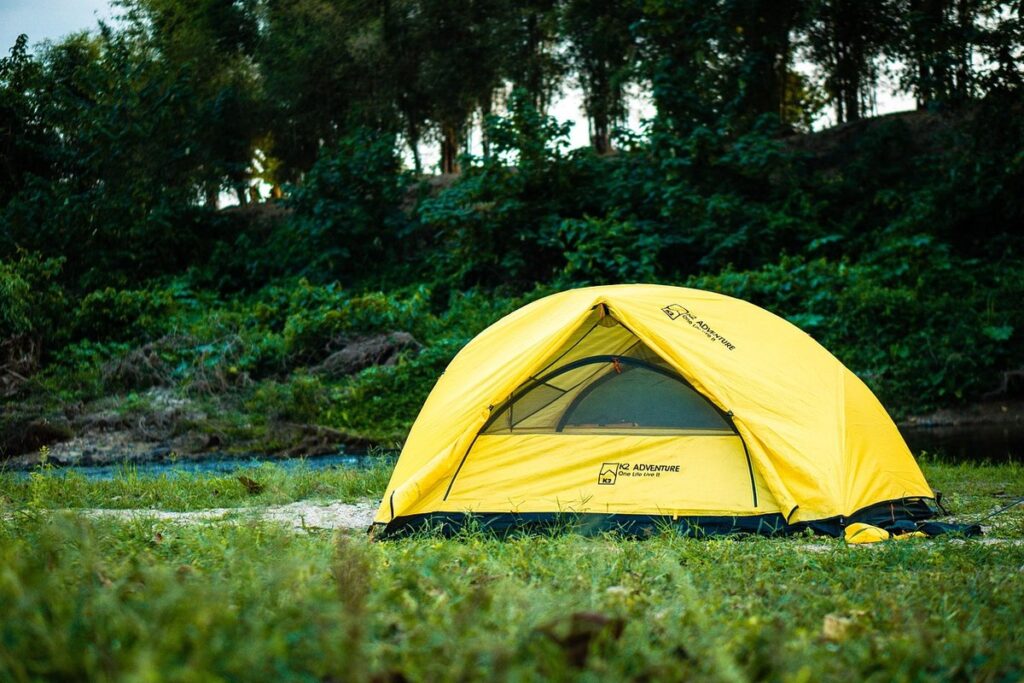
Preparing for Your Camping Trip
Before you head out on your camping adventure, make sure you’re prepared with the right gear and knowledge to ensure a safe and enjoyable trip. This includes planning ahead and packing wisely, so let’s take care of that now.
Choosing the Right Campsite
When choosing a campsite, several factors come into play. Proximity to amenities is crucial for comfort and convenience. Look for campsites with access to flush toilets, showers, and potable water. Some popular options include national parks, state parks, and private campgrounds.
Terrain difficulty should also be considered. If you’re new to camping or bringing children along, choose a flat and level site to avoid potential hazards. On the other hand, more experienced campers may prefer a site with some elevation for better views.
Availability of services is another key factor. Some campsites offer Wi-Fi, electrical hookups, or even cell phone reception. If you plan on working remotely or need to stay connected, research campsites that meet your needs.
Online tools and apps can be invaluable when researching campsites. Websites like ReserveAmerica and Recreation.gov allow you to filter by amenities, terrain difficulty, and availability of services. Mobile apps like Campgrounds by Allstays and FreeCampsites.net also provide valuable information on campsite locations, reviews, and ratings.
When using online tools, consider multiple sources to get a comprehensive view of the campsite. Read reviews from other campers to gauge the site’s conditions and any potential issues.
Packing Essential Gear
When packing for a camping trip, it’s essential to bring the right gear to ensure a safe and enjoyable experience. Start by prioritizing shelter and sleeping bags, as these are critical components of a comfortable campsite. Choose a tent that is waterproof and spacious enough for all campers, and select sleeping bags with sufficient insulation for the expected temperature range.
Cooking equipment should also be at the top of your packing list, including a portable stove or camping grill, fuel, and cooking utensils. Don’t forget to pack a water filter or purification tablets to ensure access to clean drinking water. Personal hygiene items, such as toilet paper, hand sanitizer, and biodegradable soap, are also crucial for maintaining health and cleanliness.
To pack light while still being prepared, consider the following tips: pack clothing that can be layered for different weather conditions, choose multi-purpose tools instead of separate items, and roll or compress gear to maximize storage space. Aim to pack only what you need, and avoid overstuffing your backpack or tent.
Outdoor Activities for All Skill Levels
Whether you’re a seasoned camper or just starting out, this guide is designed to provide outdoor activities suitable for all skill levels and interests. From gentle hikes to adrenaline-pumping adventures, there’s something for everyone.
Hiking and Trail Navigation
Before you hit the trails, it’s essential to understand how to assess trail difficulty and plan routes accordingly. Look for signs or markings indicating the trail’s length, elevation gain, and potential hazards like water crossings or steep drop-offs. You can also check online resources or consult with park rangers for more information about the trail.
When planning your route, consider factors like time constraints, physical ability, and weather conditions. Make sure to bring a map and compass (and know how to use them), as well as a GPS device or app with up-to-date maps and trail data. Familiarize yourself with basic navigation techniques, such as reading contours on a map and identifying landmarks.
To get an idea of what’s ahead, study the terrain and look for signs of previous hikers, like footprints or erosion patterns. If you’re new to hiking, consider starting with shorter, more gradual trails to build your endurance. Always let someone know where you’re headed and when you plan to return, and don’t be afraid to turn back if conditions become too challenging.
Here are some key things to look for on a trail map:
• Contour lines: These indicate steepness and elevation gain
• Elevation markers: Check the highest and lowest points along the route
• Symbols: Look for signs indicating hazards like water crossings or wildlife habitats
Water Sports and Activities
When it comes to water activities on a camping trip, you have several options. Swimming is a great way to cool off after a hike or to relax by the campsite. However, make sure to check if swimming is allowed at the campsite and follow any rules or regulations.
Kayaking or canoeing allow you to explore nearby lakes, rivers, or coastal areas while getting some exercise. Rent or bring your own equipment, depending on the length of your trip and your budget. When kayaking, always wear a properly fitting life jacket and be mindful of water conditions, such as strong currents or shallow waters.
Fishing is another popular water activity that can provide a relaxing experience and even a meal. Be sure to check local fishing regulations, obtain any necessary permits, and follow catch-and-release guidelines if you plan to release your catch.
Some other water activities include snorkeling, paddleboarding, or simply exploring the shoreline for interesting rocks or shells. Regardless of which activity you choose, always prioritize safety by wearing appropriate gear and being aware of your surroundings.
Nature-Based Campsites and Wildlife Viewing
When it comes to immersing yourself in nature, few experiences compare to camping amidst breathtaking scenery and spotting local wildlife. We’ll explore some fantastic nature-based campsites and share expert tips for successful wildlife viewing while camping.
Finding Nature-Based Campsites
When searching for nature-based campsites, you should prioritize those with designated wildlife viewing areas or nearby natural habitats. Research online platforms like recreation.gov or ReserveAmerica to find campsites within national or state parks that offer opportunities for bird-watching, stargazing, or wildlife observation.
Look for campsites located near water sources, such as lakes, rivers, or coastlines, which often attract a variety of wildlife. Consider visiting during peak seasons or migration periods when animal activity is more pronounced. Some examples of nature-based campsites include those with:
• Bird blinds or viewing platforms
• Wildlife corridors or observation trails
• Dark-sky preserves for stargazing
• Nearby botanical gardens or arboretums
To research and book these sites, use keywords like “birding campsite” or “dark sky camping” when searching online. Check the campsite’s website or contact their customer service to confirm availability of wildlife viewing areas and any specific rules or regulations.
Wildlife Viewing and Safety Tips
When observing wildlife at campsites, it’s essential to identify species correctly. Start by familiarizing yourself with common campsite residents, such as deer, rabbits, and birds. Use field guides or mobile apps like iNaturalist to help with identification. Keep a safe distance from animals – typically 25-30 feet – to avoid startling them.
Maintaining a safe distance also helps prevent disturbing habitats. Avoid approaching or feeding wildlife, as this can lead to dependence on humans and disrupt their natural behavior. Be mindful of your surroundings and keep an eye out for signs of disturbance, such as trampled vegetation or abandoned nests.
General safety tips include being aware of your body language, avoiding sudden movements, and keeping a clean campsite to prevent attracting wildlife. Store food and trash properly, using bear-resistant containers when necessary. When walking through campsites, stay on designated trails and avoid wandering into dense vegetation, where animals may be hiding.
To further minimize interactions with wildlife, consider the time of day: dawn and dusk are typically when animals are most active. By being prepared and aware of your surroundings, you can coexist safely with wildlife at campsites.
Group Camping and Team-Building Activities
When it comes to camping, getting your team together for some fun-filled activities can be a great way to bond over shared adventures. This is where group camping games come in – think trust exercises and campfire challenges.
Planning Group Campsites
When planning group campsites, setting clear goals is essential to ensure everyone’s needs are met and expectations are managed. Consider the size of the group, age range, and any physical limitations or special requirements. Think about what activities you want to facilitate and whether a specific campsite will support those plans.
Next, choose activities that cater to diverse skill levels and interests. Consider team-building exercises like scavenger hunts, group games, or volunteer work at the campsite. These not only promote bonding but also help foster a sense of community responsibility.
To manage logistics, establish a clear communication plan with your group. Decide on meal planning, food preparation, and equipment distribution responsibilities. Make sure to discuss and agree upon rules for noise levels, waste management, and campfire etiquette.
Some essential items to consider when scouting potential campsites include:
- Accessibility for the elderly or people with disabilities
- Availability of restrooms, showers, and potable water
- Proximity to amenities like grocery stores, hospitals, or emergency services
- Cell phone reception and internet connectivity
- Any local regulations or restrictions on group sizes, noise levels, or activities
Team-Building Activities and Challenges
When planning team-building activities for a camping trip, it’s essential to choose exercises that promote collaboration and bonding while minimizing logistical challenges. One popular option is the trust walk, where participants are blindfolded and led through an obstacle course by their teammates. This activity encourages communication, trust, and problem-solving.
Another effective exercise is the scavenger hunt, which can be tailored to fit the campsite’s unique environment. Create a list of items for teams to find or challenges to complete within a set time limit. This activity fosters teamwork, strategic thinking, and adaptability.
For more structured challenges, consider implementing a “survival” scenario where teams must work together to start a fire, build a shelter, or purify water using minimal equipment. These activities promote resourcefulness, creativity, and collaboration under pressure.
To facilitate a fun and engaging experience, remember to:
- Set clear rules and objectives for each activity
- Provide necessary materials and equipment in advance
- Encourage team members to take on different roles and responsibilities
- Offer guidance and support without being overly intrusive
By incorporating these team-building exercises into your camping trip, you can create a memorable and enjoyable experience for all participants.
Nighttime Activities and Campfire Etiquette
As you settle into your campsite under the stars, it’s essential to know how to make a great impression around the campfire and enjoy nighttime activities that create lasting memories. We’ll cover some key guidelines for a fun and respectful experience.
Setting Up the Perfect Campfire
When it comes to setting up a campfire, choosing the right firewood is crucial. Opt for hardwoods like oak, maple, and ash, as they burn longer and hotter than softwoods. Avoid using pressure-treated wood or anything with nails or other metal fragments, as these can release toxic fumes when burned.
Constructing a fire pit is also essential to ensure your campfire stays contained. You can dig a shallow pit in the ground, create a ring of rocks, or use a portable fire ring. Make sure it’s at least 15 feet away from any flammable materials and overhanging branches.
Local regulations often dictate specific rules for campfires, including burn bans during dry periods. Familiarize yourself with these guidelines before setting up your campfire. Some campsites may also have designated fire pits or rings, so be sure to use those instead of creating a new one.
To maintain a safe and enjoyable campfire, keep a bucket of water nearby and have a fire extinguisher on hand. Monitor the wind direction and adjust the size of your flames accordingly. Finally, fully extinguish your campfire before leaving it unattended by dousing it with water and stirring the ashes to ensure everything is cool to the touch.
Nighttime Hiking and Stargazing
When embarking on a nighttime hike, it’s essential to prioritize safety. This means bringing a reliable source of light, such as a headlamp or flashlight, and wearing bright clothing to increase visibility. However, it’s also crucial to minimize light pollution when stargazing. To do this, choose a campsite with minimal artificial lighting in the surrounding area.
Plan your stargazing sessions for optimal viewing times – typically between 10 pm and 2 am when the stars are at their brightest. Bring binoculars or a portable telescope to get a closer look at celestial bodies. Consider downloading a stargazing app that can help you identify constellations and planets in real-time.
Spending time under the stars has been shown to have numerous benefits for mental health and relaxation. The darkness can help regulate your circadian rhythms, reducing stress and anxiety. Moreover, gazing up at the vast expanse of the universe can foster a sense of perspective and awe, promoting a deeper appreciation for nature. To make the most of your stargazing experience, find a comfortable spot to sit or lie down, and take a moment to simply observe the stars in silence.
Frequently Asked Questions
Can I bring my pet on a camping trip?
Yes, many campsites allow pets but be sure to check the campsite’s pet policy and follow any specific rules or regulations. It’s also essential to keep your pet safe and healthy by providing adequate food, water, and shelter.
What if I’m planning a large group camping trip with people of varying skill levels?
When planning a group camping trip, consider the skill levels and interests of all participants when choosing activities and campsites. Also, designate experienced leaders for each activity to ensure everyone’s safety and enjoyment.
How do I deal with inclement weather during my camping trip?
Be prepared for unexpected weather changes by packing a rain jacket, waterproof gear, and knowing how to set up a tent in various conditions. If the situation worsens, consider seeking shelter at a nearby building or returning to your vehicle if it’s safe to do so.
Can I use a portable stove instead of building a campfire?
Yes, portable stoves are often a more convenient option for cooking and can be just as effective as campfires in certain situations. However, check local regulations regarding the use of gas stoves and follow proper safety guidelines when operating them.
What if I encounter wildlife while hiking or at my campsite?
Maintain a safe distance from wildlife to avoid startling or disturbing them. If you encounter an aggressive animal, try to slowly back away without turning your back on it, and seek assistance from park rangers or other authorities if necessary.

