
A cluttered and chaotic bedroom can be a major source of stress, making it difficult to unwind after a long day. You might find yourself lying awake at night, feeling restless and anxious, due in part to the overwhelming atmosphere that surrounds you. The truth is, your bedroom should be a sanctuary – a peaceful retreat where you can escape the demands of daily life. That’s why creating a calming bedroom environment through thoughtful decor choices is crucial for better sleep quality and reduced stress. In this article, we’ll explore how to achieve just that by incorporating soothing color schemes, natural textures, and patterns into your space. We’ll also cover practical tips on minimizing clutter and maximizing comfort, so you can wake up feeling refreshed and rejuvenated every morning.
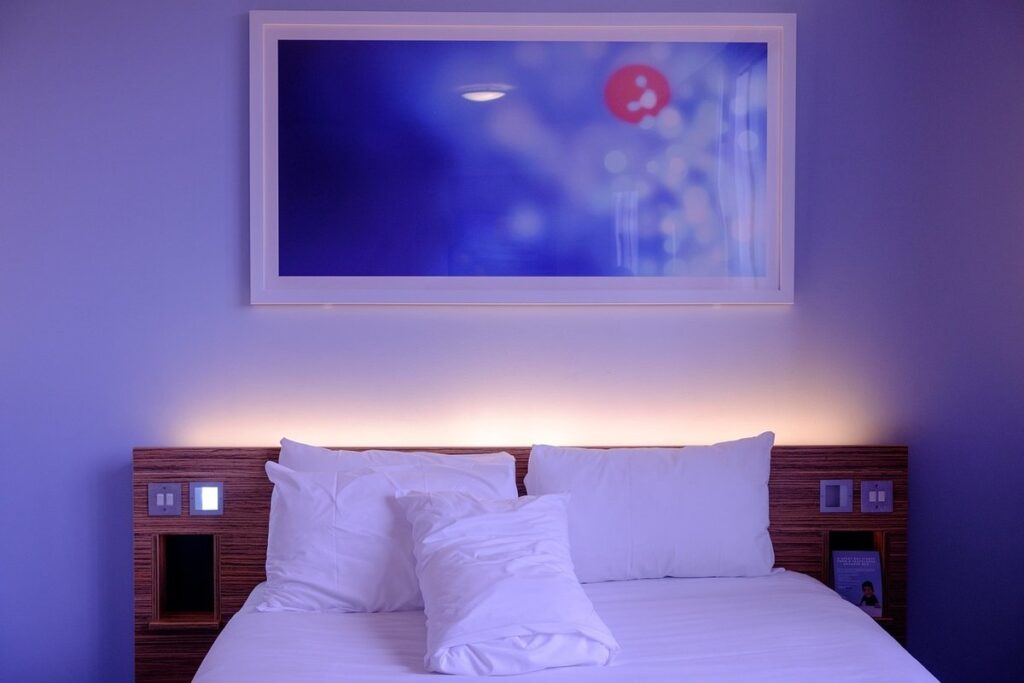
Understanding the Importance of Calming Bedroom Decor
A peaceful bedroom is more than just a haven for rest, it’s also a sanctuary for rejuvenation and calm. We’ll explore why calming decor is essential to creating a sleep-conducive environment.
Benefits of a Calming Bedroom Environment
A calming bedroom environment has a profound impact on both physical and mental well-being. By creating a peaceful atmosphere, you can improve sleep quality significantly. When the bedroom is calm, the body’s natural sleep-wake cycle is allowed to function optimally, leading to deeper, more restful sleep. This, in turn, reduces stress and anxiety levels, making it easier to fall asleep and stay asleep.
A calming environment also increases relaxation, allowing you to unwind after a long day. With a calm bedroom, you can reduce muscle tension, slow down your heart rate, and quiet the mind. This is because the brain associates the bedroom with rest and relaxation, making it easier to disconnect from the stresses of daily life.
In addition, a calming bedroom environment can also have a positive impact on mental health. By creating a peaceful space, you can reduce symptoms of depression and anxiety disorders. The right lighting, color scheme, and textures all contribute to a sense of calmness, helping to regulate emotions and promote feelings of serenity.
Common Mistakes to Avoid in Calming Bedroom Design
Avoiding loud colors, busy patterns, and cluttered spaces is crucial to creating a peaceful atmosphere in your bedroom. One common mistake is choosing a bold, bright color scheme for the walls or bedding. While a pop of color can be invigorating, it can also overwhelm the senses and make it difficult to relax.
Busy patterns, such as florals or geometrics, can also detract from a calming environment. These patterns can create visual noise that makes it hard to unwind. Instead, opt for solid colors, subtle textures, or soft, organic patterns like botanical prints.
Cluttered spaces are another design pitfall to avoid. A cluttered bedroom can feel suffocating and stressful, making it challenging to fall asleep or stay asleep. Keep surfaces clear of personal items, clothes, and knick-knacks, and consider implementing storage solutions like dressers, closets, or under-bed storage.
When choosing furniture, prioritize clean lines, minimalist shapes, and a neutral color palette. Avoid statement pieces that draw attention away from the calming atmosphere you’re trying to create. By avoiding these common design pitfalls, you can cultivate a peaceful sanctuary in your bedroom where you can rest and recharge.
Setting the Foundation: Essential Elements for a Calming Bedroom
To create a peaceful sanctuary, you’ll want to start by setting the foundation with essential elements that promote relaxation and calmness in your bedroom. This includes choosing soothing colors and textures.
Choosing a Soothing Color Scheme
When selecting a soothing color scheme for your bedroom, it’s essential to consider how different colors can influence your mood and promote relaxation. Blues, for instance, are often associated with feelings of calmness and tranquility, making them an excellent choice for a calming bedroom environment. Shades like light blue, sky blue, or navy blue can help create a sense of serenity.
Greens, particularly pale and muted tones, also have a soothing effect on the mind and body. They can bring a sense of balance and harmony to your bedroom space. Consider using soft sage, moss, or seafoam green for a calming ambiance. Neutral tones like beige, cream, or pale gray can provide a subtle backdrop for relaxation, allowing you to focus on other calming elements in the room.
When choosing a color scheme, remember that it’s not just about individual colors but also their combinations and harmonies. Experiment with different palettes to find what works best for you. For example, pairing soft blue with pale green or neutral tones can create a restful atmosphere. Avoid bold or bright colors, as they can stimulate the senses and disrupt relaxation.
Lighting Design for Relaxation
Soft table lamps and floor lamps can create pools of warm light that promote relaxation. Consider placing them near reading nooks or cozy seating areas to encourage unwinding before bed. String lights, on the other hand, offer a softer, more ambient glow that can envelop the entire room. Placing them above beds or around windows can help create a sense of calm.
When it comes to adjusting light levels, most people find it difficult to sleep in bright environments. Dimming overhead lighting or using table lamps with adjustable arms can help you tailor the light level to your preferences. Aim for a gentle glow that’s not too harsh or overpowering – typically around 10-20% of the room’s maximum brightness.
To further enhance relaxation, consider using warm-toned bulbs (2700K-3000K) instead of cool-toned ones (3500K-4100K). Warm lighting tends to promote a sense of coziness and calmness. Experiment with different light fixtures and bulb types to find the perfect combination that works for you.
Incorporating Calming Textures and Patterns
Soft furnishings, rugs, and wallpaper can greatly enhance a bedroom’s calming atmosphere by incorporating soothing textures and patterns that promote relaxation. Let’s explore how to create a peaceful ambiance through thoughtful textile choices.
Natural Fibers and Fabrics
When it comes to creating a calming bedroom environment, incorporating natural fibers and fabrics can have a profound impact on promoting relaxation. Cotton, linen, and bamboo are excellent choices for their soothing effects and versatility. These breathable materials allow for airflow, which helps regulate body temperature and promotes a restful night’s sleep.
For bedding, consider using cotton or bamboo sheets with a soft, woven texture. Linen is another great option, especially during the warmer months when its natural cooling properties can be particularly beneficial. When selecting curtains or drapes, opt for linen or cotton in a light, airy fabric that filters natural light without blocking it out completely.
In upholstery, look for pieces made from natural fibers like wicker, rattan, or woven wood. These materials bring a sense of organic texture and visual interest to the space while maintaining a calming atmosphere. Consider pairing these elements with soothing patterns and colors to create a harmonious balance in your bedroom design. By incorporating natural fibers and fabrics, you can cultivate a peaceful sanctuary that promotes relaxation and rejuvenation.
Soothing Pattern Options for a Calming Bedroom
Botanical prints featuring serene landscapes and soft florals can bring a calming ambiance to your bedroom. These patterns often incorporate natural elements like leaves, branches, and flowers, which can help create a sense of tranquility. For example, a watercolor-style botanical print of a peaceful garden scene can be a soothing addition to your wall decor.
Subtle geometric patterns, such as gentle chevrons or soft herringbone designs, can also promote relaxation when used in moderation. These patterns add visual interest without overwhelming the senses. To balance patterns with solid colors, start by choosing a dominant color scheme and then introduce patterned elements that complement it. For instance, pair a botanical print with a soothing blue wall paint and cream-colored furniture.
When selecting patterned textiles for your bedding or curtains, consider incorporating calming colors like light gray, pale green, or soft blue. These hues can help reduce visual stimulation and promote relaxation. Remember to balance bold patterns with solid-colored accents to avoid overwhelming the senses. By thoughtfully incorporating soothing patterns into your bedroom decor, you can create a peaceful sanctuary that promotes restful sleep and rejuvenation.
Creating a Sense of Nature Indoors
Bring the outdoors in by incorporating natural elements into your bedroom decor, such as lush greenery and calming botanical prints. This simple trick can have a profound impact on your sleep.
Bringing the Outdoors In
Incorporating natural elements into your bedroom design can have a profound impact on creating a sense of calm and connection to nature. One way to do this is by bringing the outdoors in through the use of plants, wood accents, and stone features. For example, adding a few well-placed potted plants or a statement piece like a living wall can not only purify the air but also create a visually soothing focal point.
Natural materials like reclaimed wood and river rocks can add warmth and texture to your bedroom, while also creating a sense of organic connection to nature. Consider using these elements as accent pieces, such as a wooden headboard or a stone nightstand, to create visual interest without overwhelming the space.
When selecting natural elements for your bedroom, remember that less is often more. A few carefully chosen pieces can have a greater impact than a cluttered collection of items. For instance, a single statement piece like a beautiful piece of driftwood or a glass vase filled with branches can be just as effective in creating a sense of calm as a large collection of plants.
Using Nature-Inspired Patterns and Artwork
Nature-inspired patterns and artwork can be a powerful tool for evoking feelings of serenity and relaxation in the bedroom. The natural world has long been a source of inspiration for art and design, from the soothing colors of a sunset to the intricate patterns found in leaves and flowers.
When it comes to incorporating nature-inspired patterns and artwork into your bedroom decor, consider using designs that mimic the gentle curves of waves or the soft petals of flowers. These organic shapes can help create a sense of calm and tranquility, drawing the eye away from stress and anxiety.
Some popular options include botanical prints, watercolor illustrations, and nature-inspired textiles such as leaf-patterned bedding or forest-green throw pillows. You can also bring the outdoors in with photographs of serene landscapes or still-life arrangements featuring natural elements like pinecones or branches.
When selecting nature-inspired patterns and artwork, remember to choose pieces that reflect your personal style and preferences. Consider the overall aesthetic you want to create in your bedroom – do you want a peaceful retreat or a calming oasis? By thoughtfully incorporating nature-inspired patterns and artwork into your design, you can create a space that promotes relaxation and rejuvenation.
Minimizing Clutter and Maximizing Comfort
Let’s face it, clutter can quickly turn a serene bedroom into a chaotic mess. To truly create a peaceful sanctuary, we need to tackle the clutter that’s holding us back from relaxation.
The Importance of Decluttering for a Calming Bedroom
Clutter can significantly disrupt relaxation and promote stress in the bedroom. A cluttered space can make it difficult to unwind and prepare for sleep, leading to a restless night’s rest. Moreover, clutter can also create a sense of overwhelm, making it challenging to focus on calming activities.
When decluttering your bedroom, start by going through each item carefully. Ask yourself if it serves a purpose or brings you joy. Be ruthless – if it doesn’t meet either criterion, consider letting it go. Consider the 80/20 rule: 80% of the time, you likely only use 20% of your belongings.
When organizing bedroom spaces, utilize storage solutions that keep clutter at bay. Invest in a bed with built-in storage or use a stylish dresser to corral clothes and accessories. Keep surfaces clear by storing items like books, magazines, and decorative objects in closed containers or on high shelves. Regularly tidy up by setting aside time each week for maintenance. This will help maintain your bedroom’s calm atmosphere and ensure that you can relax easily. By keeping clutter under control, you’ll be able to create a peaceful sanctuary that promotes restful sleep and relaxation.
Adding Comfortable Seating and Storage Options
Incorporating comfortable seating areas and storage solutions is crucial for creating a calming bedroom environment. A plush ottoman or bench can provide a cozy spot to sit and relax, while also serving as additional storage for linens, out-of-season clothing, or personal items. Look for pieces with clean lines, soft cushions, and a neutral color palette that complements the overall aesthetic of your bedroom.
When selecting seating, consider investing in a storage ottoman with a hinged top or a bench with built-in drawers. These can help keep clutter at bay and maintain a sense of calm. You can also repurpose an old trunk or chest as a storage unit, adding a touch of character to the room while keeping belongings organized.
Some popular options for comfortable seating include a reading nook with a storage bench, a window seat with built-in cushions, or a statement piece like a velvet armchair. When choosing a piece, prioritize comfort and functionality over style, ensuring it becomes a haven for relaxation rather than a cluttered space.
Final Touches: Accessories and Finishing Elements
Now that we’ve laid the groundwork for a peaceful sanctuary, it’s time to add the finishing touches that bring your calming bedroom decor together perfectly. This is where accessories like vases and throw pillows come into play.
Selecting Calming Scents and Fragrances
When it comes to promoting relaxation and reducing stress, certain scents can be particularly effective. Lavender and vanilla are two popular choices for calming bedroom decor. The sweet, soothing aroma of lavender has been shown to slow down heart rates and promote better sleep. Vanilla, on the other hand, is often associated with feelings of comfort and tranquility.
To incorporate these calming scents into your bedroom, consider using essential oils in a diffuser or applying them directly to your skin (diluted with a carrier oil). You can also burn candles made from natural wax and infused with these fragrances. However, be mindful of the potential for strong scents to overwhelm the senses; opt for gentle, subtle options instead.
Some popular ways to use calming scents in the bedroom include adding a few drops of lavender essential oil to your pillowcase or mixing vanilla-scented oils with other relaxing blends. When choosing candles, look for those made from high-quality wax and without artificial fragrances. By thoughtfully selecting calming scents and incorporating them into your bedroom design, you can create a peaceful sanctuary that fosters relaxation and rejuvenation.
Adding Soft Music and White Noise Options
Soft music and white noise machines can be potent tools for creating a peaceful ambiance in the bedroom. These sounds can mask background noises that might disrupt your sleep, such as traffic or snoring partners, and replace them with soothing melodies or calming tones.
When choosing soft music options, consider selecting nature-inspired sounds like rain or ocean waves. You can also opt for classical music or instrumental pieces specifically designed to promote relaxation. Some popular streaming services offer curated playlists for sleep and meditation that you can access through smart speakers or mobile apps.
For white noise machines, look for devices with adjustable sound levels and multiple soundscapes, such as fan sounds or thunderstorms. These features allow you to customize the ambiance to your liking and adapt it to different situations. Some high-end models even come equipped with built-in timers and scheduling capabilities to ensure a consistent sleep environment.
To get started, identify the primary noise sources that disturb your sleep and choose soft music or white noise options specifically designed to counter those sounds. Experiment with different volumes and settings to find the perfect balance for your needs.
Frequently Asked Questions
What if I already have a lot of bold colors and patterns in my bedroom – how can I transition to calming decor without completely redoing the space?
You can start by incorporating calming elements into your existing design. For example, you could add a few plants or a vase with soothing flowers to bring in a natural element. You could also try repainting one wall in a calming color or swapping out bold patterns for more subtle ones on bedding and curtains.
Can I use artificial plants as a substitute for real ones if I’m not good at keeping plants alive?
Yes, artificial plants can be a great option if you’re not able to care for real plants. Look for high-quality artificial plants that mimic the look and feel of real ones, and arrange them in a way that creates a natural, effortless look.
How do I balance my love of bold artwork with the need for calming decor in the bedroom?
You can create a sense of calm around bold artwork by balancing it with more subdued elements. For example, you could hang a large piece of art over a bed or dresser and then fill the rest of the room with calming colors and textures.
What if I live in a small apartment or dorm room – how can I create a peaceful atmosphere when space is limited?
You don’t need a lot of square footage to create a peaceful atmosphere. Consider using wall-mounted shelves or storage units to keep clutter at bay, and opt for compact furniture pieces that promote relaxation, such as a hammock chair or a floor pillow.
Can I use essential oils in my bedroom if I have pets or allergies?
Yes, you can still use essential oils in your bedroom even with pets or allergies. Look for hypoallergenic essential oils that are pet-friendly and consider using a diffuser instead of applying oils directly to surfaces.

