
Art journals offer a unique space to experiment with mixed media collages, painting, and other techniques that can help boost your creativity. You may find yourself struggling to express yourself through traditional forms of art, but an art journal provides a liberating experience where you can let go of perfectionism and simply create. With its flexible format, an art journal allows you to incorporate various materials like paper scraps, fabric, or found objects, making each piece truly one-of-a-kind. Whether you’re looking to explore new techniques or simply need inspiration to get started, discovering fresh art journal ideas is key to unlocking your full creative potential. This article will provide a range of inspiring ideas and tips to help you express yourself through mixed media collages and other forms of art, allowing you to take your art journaling skills to the next level by the time you finish reading.
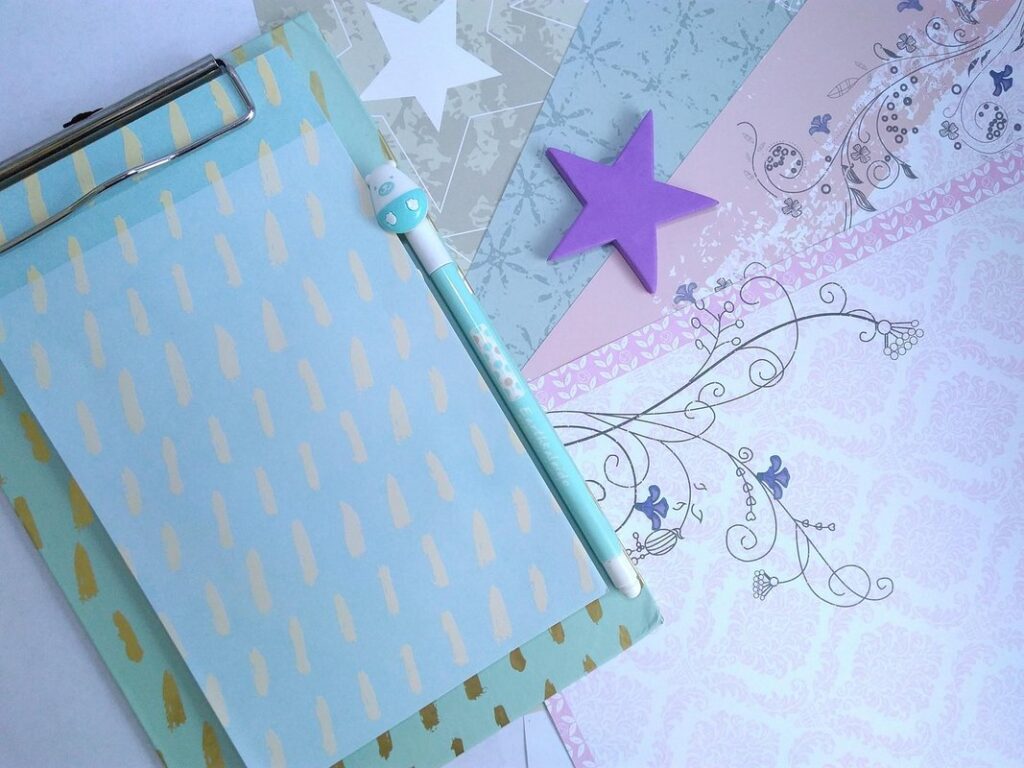
Getting Started with Art Journaling
If you’re new to art journaling, starting with a clear understanding of its basics is essential, so let’s begin by covering the fundamentals. This will set the stage for exploring more advanced techniques and ideas in later sections.
Understanding the Basics of Art Journaling
Art journaling is a unique and versatile form of self-expression that allows you to combine visual arts, writing, and personal reflection. It’s an excellent way to tap into your creativity, release stress, and explore new ideas without worrying about perfection or technique. Many artists and creatives find that art journaling helps them clarify their thoughts, emotions, and experiences.
When done regularly, art journaling can have a profound impact on both mental and emotional well-being. By committing your thoughts and feelings to paper, you may notice improvements in focus, motivation, and overall self-awareness. You’ll also develop a greater appreciation for the process of creating, rather than just the end result. To get started with art journaling, try setting aside 10-15 minutes each day to simply play with different materials, colors, and textures. Don’t worry about what you create – focus on the experience itself.
Some essential supplies include a dedicated notebook or sketchbook, a range of paints, markers, and colored pencils, glue, scissors, and other embellishments. Experiment with layering, blending, and collaging to achieve unique effects. Remember, art journaling is a journey, not a destination – so don’t be afraid to make mistakes or try new things!
Choosing the Right Art Journal for You
When it comes to choosing an art journal, there are numerous options available, each with its unique characteristics. Consider the size of the journal you need: compact journals are ideal for on-the-go creativity, while larger ones offer more space for experimentation and expression. Think about the material that suits your work style – leather-bound journals provide a luxurious feel, while paperback or spiral-bound options are more practical.
You’ll also want to consider the format of your art journal. Do you prefer a dedicated sketchbook with a grid or a blank page, or would you rather have a mix of both? Perhaps you’re looking for a journal with perforated pages for easy removal and display. Some art journals come with built-in pockets or inserts, which can be great for storing small ephemera or notes.
Ultimately, choose an art journal that reflects your personal style and artistic goals. Don’t feel pressured to stick with one specific brand or type – explore different options until you find the one that feels right to you. Even if it means starting over in a new journal, remember that each book offers a fresh opportunity for growth and exploration.
Setting Up Your Art Journal Workspace
A cluttered and uninspiring workspace can stifle creativity, making it harder to dive into your art journal. To create an inspiring environment, start by dedicating a specific area for your art journaling practice. This could be a desk, table, or even a corner of a room that’s free from distractions.
Consider the lighting in your chosen space. Natural light is ideal, but if that’s not possible, invest in a good quality desk lamp to illuminate your work. Soft, warm light can help you focus and create a calming atmosphere.
Next, gather essential supplies within easy reach. This might include art journals, paints, brushes, pens, and any other materials you regularly use. Keep frequently used items like scissors, glue, and tape organized in small containers or trays to save time and reduce clutter.
Finally, make your workspace personal by adding elements that inspire you. Hang up a few favorite art pieces, display a collection of inspiring quotes, or place a vase with fresh flowers nearby. By creating an inviting space, you’ll be more inclined to sit down, pick up your journal, and start creating.
Exploring Different Techniques and Media
From paint splatters to paper collage, we’ll explore a range of creative techniques that can add texture and interest to your art journal pages. Get ready to experiment!
Mixed Media Collage Ideas
When working with mixed media collages in your art journal, you can incorporate a variety of materials to create unique and visually appealing pieces. Start by experimenting with different types of paper, such as watercolor paper, scrapbook paper, or newspaper. Cut the paper into various shapes and sizes to add texture and interest.
Consider incorporating fabric scraps, lace, or ribbons to add depth and dimension to your collage. You can also use found objects like buttons, keys, or other small trinkets to create a sense of narrative or whimsy. To combine these materials effectively, try layering them on top of each other using glue, decoupage medium, or even stitching.
Some specific techniques to explore include creating collages with a focal point – like a large piece of paper or a prominent object – and then building around it with smaller elements. You can also experiment with asymmetrical compositions or use collage to create the illusion of movement or energy in your art journal pages.
Painting and Drawing in Your Art Journal
When painting and drawing directly into your art journal, it’s essential to consider color theory and composition. Start by choosing a dominant color scheme that resonates with your theme or mood. This will help create cohesion throughout your spread. Consider the 60-30-10 rule: allocate 60% of the page to a primary color, 30% to a secondary hue, and 10% to an accent color. This balance will keep your artwork visually appealing.
For painting, use a range of brushstrokes – smooth, textured, or bold – to add depth and interest. Experiment with layering techniques, allowing each coat to dry before adding more paint. For drawing, pay attention to line weight and value contrast. Vary the thickness and darkness of your lines to create visual hierarchy.
To avoid overpowering your journal pages, use a limited color palette and reserve bold strokes for focal points. Consider sketching loose compositions or gestural drawings to loosen up and explore different mark-making techniques. Remember, the beauty of art journaling lies in its imperfections – don’t worry about mistakes; they often lead to happy accidents that enhance your artwork’s authenticity.
Incorporating Nature and Found Objects
Incorporating natural elements and found objects into your art journal pages can add depth and meaning to your work. One way to do this is by collecting items from nature, such as leaves, twigs, and rocks, and using them as collage materials or embeding them in paint or medium.
You can also use everyday objects like buttons, lace, or fabric scraps to create textures and interest on your pages. Consider incorporating objects that hold personal significance or emotional resonance, like ticket stubs from memorable events or fragments of old photographs.
To effectively incorporate found objects, start by selecting items that resonate with your theme or current project. Arrange them thoughtfully on your page, considering balance and negative space. You can also use adhesives like decoupage medium or gel medium to attach the objects securely.
When working with natural materials, be mindful of their texture and fragility. For example, delicate leaves may not withstand heavy paint or medium, so plan accordingly. Experiment with combining different textures and materials to create visually appealing contrasts. By embracing the unique qualities of found objects and natural elements, you can add a new layer of storytelling and authenticity to your art journal pages.
Creating Themed and Project-Based Art Journals
Let’s explore ways to create unique art journals that spark creativity by focusing on specific themes, projects, and ideas to inspire your artistic expression. You can use these prompts as a starting point to bring your vision to life.
Themed Art Journal Ideas
Travel can be a rich source of inspiration for art journaling. Think about the places you’ve visited and the emotions they evoke. You might create a journal that documents your travels, incorporating ticket stubs, postcards, or photographs. Alternatively, focus on a specific aspect of travel, such as landmarks, food, or people. For example, you could devote an entire spread to your favorite city’s street art.
Nature is another theme with endless possibilities. You can explore the seasons, documenting the changes in plants and animals that occur throughout the year. Or, focus on a particular ecosystem, like a forest or ocean. Consider incorporating natural materials like leaves, twigs, or sand into your journal pages. Abstract concepts like emotions, memories, or dreams can also be explored through art journaling. Create a spread that represents a specific feeling or memory, using colors and textures to evoke the desired mood.
Some examples of themed art journal ideas include:
- Documenting a year in the life of your garden
- Creating a “dreamscapes” journal with surreal landscapes
- Focusing on a particular cultural tradition or holiday
When working with these themes, remember that the goal is to spark creativity and inspire new ideas. Don’t be afraid to experiment and try new things – after all, art journaling is about process over product.
Project-Based Art Journaling
When working on a project-based art journal, it’s essential to create a cohesive body of work. This means setting clear goals and objectives for your project from the outset. Consider what theme or subject matter you want to explore, and how you can break it down into manageable sections or pages.
To ensure cohesion, use a consistent visual language throughout your project. This might include choosing a specific color palette, typography, or texture that resonates with your theme. For example, if you’re working on a nature-inspired art journal, you could incorporate earthy tones and natural textures like leaves or twigs.
As you work through each section of your project, ask yourself how the individual pages contribute to the overall narrative. Consider using a common layout or design element to tie everything together. This might be as simple as using a particular border or incorporating a recurring symbol or motif. By maintaining consistency and attention to detail, you can create a visually stunning and cohesive project that tells a compelling story.
Incorporating Photography and Digital Elements
Incorporating photography and digital elements can add a new dimension to your art journal pages. Start by experimenting with printing out photographs and incorporating them into your artwork using adhesives, paints, or other mediums. Consider scanning or photographing objects that hold personal significance, such as ticket stubs or postcards, to include in your journal.
Digital tools like Canva, Adobe Photoshop, or Procreate can also be used to create digital art specifically for your journal. You can design custom illustrations, typography, or textures and then print them out or project them onto your journal pages using a light box or projector. To take it a step further, use a smartphone app to capture and edit images directly in your journal.
When incorporating digital elements, keep the following tips in mind: save your digital artwork as high-resolution files; use acid-free paper for printing to prevent damage over time; and experiment with different formats, such as Polaroids or instax photos, for unique textures.
Experimenting with Advanced Techniques
Take your art journaling skills to the next level by experimenting with techniques that push boundaries and explore new textures, colors, and layering methods.
From collaged paper to resin inlays, we’ll showcase a range of innovative approaches to add depth and interest to your artwork.
Resist and Stencil Techniques
Resist techniques involve applying a barrier between your art journal page and the paint or ink you’re about to add. This can be done using varnish, gel medium, or even household items like wax paper or plastic wrap. Experiment with different resist methods to achieve unique textures and patterns.
One popular resist technique is the “wax resist” method. Apply a layer of beeswax or paraffin wax to your art journal page, then paint over it using acrylics or watercolors. The wax will resist the pigment, creating interesting patterns and textures when you scrape it off. Try using a palette knife or a credit card to remove the wax.
Stencils can also be used to create intricate designs and patterns in your art journal. You can purchase stencils specifically designed for art journaling or create your own using acetate sheets or even coffee filters. Use stencil brushes or sponges to apply paint through the stencil, experimenting with different techniques like layering or blending colors.
Some popular stencil materials include foam, cardstock, and even household items like old credit cards or bottle caps. Don’t be afraid to experiment with different textures and patterns – it’s all about having fun and exploring new creative possibilities!
Watercolor and Acrylic Painting in Your Art Journal
When working with watercolor and acrylic paint directly in your art journal, it’s essential to understand their unique characteristics. Watercolor paint is transparent and fluid, making it ideal for capturing subtle washes and soft textures. Acrylic paint, on the other hand, is opaque and versatile, allowing for bold colors and thick textures.
To begin, start with a primed or gesso-coated page to prevent bleeding and create a stable surface. Watercolor paper is a good choice for watercolor painting, while acrylic paint can be used on a variety of surfaces. When layering paint, consider the order in which you apply each medium: typically, it’s best to start with a wash or underpainting followed by additional layers.
Some key considerations when painting in your art journal include using masks or stencils to contain colors and prevent them from bleeding outside their intended boundaries. Regularly test your paint on a scrap piece of paper to understand how it behaves on different surfaces. By experimenting with watercolor and acrylic paints, you can unlock new possibilities for texture, color, and composition in your art journal.
Creating Dimension and Texture with Layering
When layering materials in your art journal, you can create a sense of depth and visual interest by varying the texture and dimension of each element. Start with a base layer, such as gesso or acrylic paint, to provide a smooth surface for subsequent layers. Next, add a mid-layer using materials like paper pulp, tissue paper, or even fabric scraps – these will create a tactile experience when handled.
To enhance texture, incorporate elements that have a distinct surface quality, such as modeling paste, heavy gel medium, or uncooked rice paste. Apply these mediums thickly to achieve raised areas and create visual interest. Consider adding some loose weave or rough textures from materials like burlap or cheesecloth for an organic feel.
Experiment with layering different types of paper, too – try combining smooth pages with textured ones, or using patterned paper as a background element. When layering, remember to work in thin layers and let each layer dry before adding the next to prevent muddying the surface. This slow-building process allows for unique textures to emerge, making your art journal pages feel rich and dimensional.
Overcoming Creative Blocks and Staying Inspired
We’ve all been there – stuck for ideas and struggling to put pen to paper. In this next part, we’ll explore practical tips for overcoming creative blocks and staying inspired in your art journaling journey.
Tips for Overcoming Art Journaling Frustration
When frustration sets in, it’s easy to feel like abandoning your art journal altogether. But with a few simple strategies, you can overcome these common challenges and get back to creating. One major hurdle is perfectionism – the pressure to create flawless artwork can be overwhelming. To combat this, try setting realistic expectations for yourself. Allow for mistakes and imperfections in your art journal pages. Remember that it’s okay if your drawings aren’t proportional or if your paintings don’t turn out as expected.
Another challenge many art journalers face is comparing their work to others. Social media platforms can be particularly problematic, showcasing the polished creations of other artists. To avoid this pitfall, focus on your own unique vision and style. Create in a way that feels authentic to you, rather than trying to emulate someone else’s approach.
Additionally, consider these three tips for overcoming art journaling frustration:
• Set aside dedicated time each day or week to create without distractions.
• Experiment with new techniques and materials to reignite your passion.
• Practice self-compassion and remind yourself that every artist experiences creative blocks.
Finding Inspiration and Staying Motivated
When you’re feeling stuck or uninspired in your art journaling practice, it’s essential to refocus and reignite your creative spark. One way to do this is by exposing yourself to new sources of inspiration. Try browsing through social media platforms like Instagram or Pinterest, where you can discover a wealth of art journaling ideas and techniques from fellow artists.
Another approach is to take a break from your journal and engage in other creative activities that bring you joy, such as painting, drawing, or writing. This can help clear your mind and stimulate new ideas. You might also consider collaborating with friends or joining an online community, where you can share your work, receive feedback, and learn from others.
Some artists find it helpful to set aside a specific time each day or week for art journaling, which helps create a sense of routine and accountability. Others prefer to work on art journal pages in short, focused intervals, taking breaks to recharge their creative energy. Experiment with different approaches to discover what works best for you.
Creating a Routine and Sustaining Your Practice
Establishing a regular art journal practice can be challenging, but it’s essential for sustained creativity. Set aside a specific time each day or week to dedicate to your art journal, even if it’s just 15-20 minutes. This consistent routine helps you stay focused and ensures that your creative energy is directed towards your art journal.
Develop a pre-journaling ritual to signal the start of your practice. This could be as simple as making a cup of tea or playing soothing music. Having a clear transition between your daily activities and art journal time helps you get into a creative mindset.
Create a schedule that works for you, rather than trying to fit into someone else’s ideal routine. Be flexible – some days will be better than others, and it’s okay to take breaks when needed. Don’t worry if your early attempts feel forced or unproductive; with consistent effort, you’ll begin to find your groove.
Remember that the goal is progress, not perfection. Focus on enjoying the process rather than striving for a specific outcome. As you develop your routine, you’ll start to notice improvements in your skills and confidence – but most importantly, you’ll stay inspired to continue exploring your creativity.
Frequently Asked Questions
Can I Use Watercolor Paints in My Art Journal Without Them Bleeding Through?
Yes, it’s possible to use watercolor paints in your art journal without bleeding through. To achieve this, use a high-quality paper that is designed specifically for mixed media and water-based techniques, such as cotton or linen blend. You can also experiment with layering techniques, allowing each layer to dry before adding more paint.
How Do I Incorporate Digital Elements into My Art Journal Pages Without Overwhelming the Space?
To incorporate digital elements without overwhelming your art journal pages, start by using them sparingly and in small doses. Experiment with printing out small images or textures on transparency paper, which can be layered over other materials for added depth. Consider scanning or photographing your artwork to include as part of the digital process.
What if I’m Just Starting Out and My Art Journal Pages Look Messy and Uninspired?
It’s common for beginners to feel overwhelmed by the creative possibilities in art journaling, leading to messy pages. Don’t worry – this is a normal part of the learning curve! To avoid frustration, begin with simple techniques like collaging or using stencils. As you gain confidence, experiment with more complex methods.
Can I Use My Art Journal as a Tool for Mindfulness and Meditation Practice?
Yes, art journaling can be an excellent way to cultivate mindfulness and meditation practice. Try incorporating prompts that encourage reflection, gratitude, or self-care into your pages. Experiment with using different materials, such as colored pencils or markers, to create calming and soothing artwork.
Is It Okay If My Art Journal Doesn’t Turn Out Exactly as Planned?
Absolutely! One of the most liberating aspects of art journaling is embracing imperfections and unexpected outcomes. Don’t stress if your pages don’t look exactly like you envisioned – instead, focus on the process, and see where it takes you. Sometimes, the best artwork emerges from mistakes and happy accidents.

