
Waking up to harsh morning light can be jarring, especially when you’re trying to sleep in on weekends. Alarm clocks with built-in lights have become increasingly popular, but their benefits are not without drawbacks. For instance, exposure to bright lights in the morning can disrupt your circadian rhythms and make it harder to fall asleep the following night. On the other hand, waking up to a soft, gentle glow can help signal to your body that it’s time to rise. In this article, we’ll explore the benefits and drawbacks of alarm clock no light designs, including how they can improve sleep quality and overall health. We’ll also provide guidance on choosing the right one for you, so you can start waking up feeling more refreshed and energized. By the end of this article, you’ll be able to make an informed decision about whether an alarm clock with a gentle glow is the best choice for your morning routine.
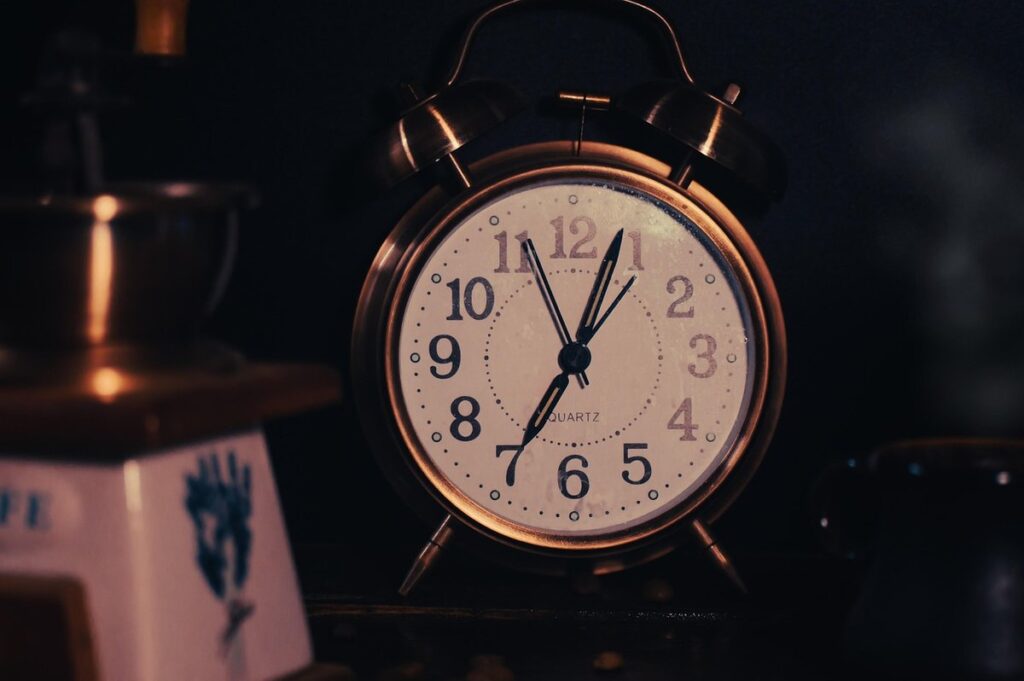
Understanding the Concept of Alarm Clock No Light
Alarm clocks without lights can be confusing, as they don’t give you a visual cue to wake up. Let’s take a closer look at how this type of alarm works.
What is an Alarm Clock No Light?
An alarm clock no light is a simple yet effective solution for those who want to sleep in complete darkness. This type of alarm clock does not have a built-in backlight or display, allowing users to maintain an uninterrupted dark environment while they sleep. Unlike traditional alarm clocks with glowing displays, an alarm clock no light does not emit any light, making it ideal for people who value complete darkness.
The absence of a backlight is often a deliberate design choice rather than a technical limitation. Manufacturers have developed alternative methods to signal the time or set alarms, such as using vibrating motors or gentle sounds that do not disrupt sleep. These designs cater specifically to individuals who prioritize darkness during their sleep period, which research suggests can improve sleep quality and overall health.
When shopping for an alarm clock no light, consider looking for products labeled as “no backlight” or “display-free.” Some models may also be marketed specifically as being designed for use in complete darkness.
Importance of Sleeping in Darkness
Sleeping in total darkness has numerous benefits for our bodies and brains. One of the primary advantages is improved sleep quality. When we’re surrounded by even a small amount of light, our brain can’t fully relax and enter deep sleep. This leads to lighter, less restorative sleep, which can leave us feeling groggy and unrefreshed in the morning. By contrast, sleeping in complete darkness allows our body to produce melatonin, the hormone that regulates our sleep-wake cycles, without interference.
In addition to better sleep quality, total darkness also helps regulate our circadian rhythms. Exposure to artificial light, especially in the evening, can trick our brain into thinking it’s still daytime, making it harder to fall asleep and stay asleep. By eliminating all sources of light from our bedroom, we can signal to our body that it’s time to sleep, leading to a more natural sleep-wake cycle.
To maximize these benefits, try to create an environment that is as dark as possible. Use blackout curtains or shades to block out any external light, and avoid using electronic devices with screens before bedtime, which emit blue light that can suppress melatonin production. By making a few simple changes to our sleep environment, we can improve the quality of our sleep and wake up feeling more refreshed and alert.
Types of Alarm Clock No Light Available in the Market
There are various types of alarm clock no light available, each offering unique features and benefits for those who need to wake up without any visual disturbances. Let’s take a closer look at these options.
Mechanical Alarm Clocks with No Light
Mechanical alarm clocks without a light display are designed to be simple, analog time-telling devices that rely on manual winding to operate. They typically feature a series of gears and a balance wheel to regulate their accuracy. One advantage of mechanical alarm clocks with no light is their ability to save battery life – since they don’t require any electricity, you won’t need to worry about replacing batteries or recharging them.
Some popular models of mechanical alarm clocks without lights include the Timex Weekender and the Bulova Analog Alarm Clock. These clocks are often preferred by those who value a low-tech approach to time-telling and want to avoid the distractions that can come with digital displays.
When choosing a mechanical alarm clock with no light, consider looking for features such as adjustable volume and a clear, easy-to-read face design. You may also want to opt for a model with a built-in snooze function or a gradual wake-up feature, which can help you ease into your morning routine.
Digital Alarm Clocks without Backlight
Digital alarm clocks without a backlight are ideal for those who prioritize complete darkness during sleep. These devices typically have an LCD display with low contrast settings, which allows users to see the time and other essential information in minimal light. However, since they lack a backlight, it can be challenging to read them in a completely dark room.
One of the benefits of digital alarm clocks without a backlight is that they help create an environment conducive to melatonin production. Melatonin is a hormone that regulates our sleep-wake cycles, and exposure to light during sleep can suppress its release. By using a digital alarm clock with minimal display visibility, you can create a dark environment that allows your body to produce melatonin more effectively.
Some examples of digital alarm clocks without backlight include the Timex Ironman 30- Lap Digital Watch and the Casio F-91W. These devices are simple, affordable, and designed for users who want to avoid exposing themselves to bright displays during sleep. When choosing a digital alarm clock with no backlight, consider the display’s contrast settings and whether it suits your needs in terms of visibility and darkness.
How to Choose the Right Alarm Clock No Light for Your Needs
Choosing the right alarm clock no light can be overwhelming, especially if you have specific needs such as sleep disorders or sensitivity to darkness. Let’s discuss how to make an informed decision that suits your lifestyle perfectly.
Considering Personal Preferences
When choosing an alarm clock no light, personal preferences should play a significant role. You may prefer a 12-hour time format over the standard 24-hour format, for instance. Some people also have strong opinions about alarm sounds – do you like gentle beeps or loud, jarring tones? Others might find certain tones disturbing or anxiety-inducing.
Consider your daily routine and how it intersects with your sleep schedule. If you’re a night owl, you might prefer an alarm clock that allows for flexible wake-up times or offers customizable snooze intervals. On the other hand, if you have an early morning commute, you’ll want an alarm that can get you up on time without fail.
Some people also prioritize features like Bluetooth connectivity or USB charging ports when selecting an alarm clock no light. Others might value simplicity and avoid any unnecessary bells and whistles. Ultimately, your individual preferences will dictate the type of alarm clock that suits your needs best. Take the time to assess what matters most to you in a morning wake-up device and choose accordingly.
Evaluating Alarm Clock Features
When choosing an alarm clock without a light display, it’s essential to consider several key features. Battery life is a crucial aspect, as you’ll need to ensure the device remains functional throughout the night without requiring frequent recharging or battery replacements. Look for alarm clocks with long-lasting batteries, such as those that can run on standard AA or AAA cells for up to six months.
Another vital feature is the snooze function, which allows you to temporarily silence the alarm and return to sleep. Consider an alarm clock with a gradual wake-up option, where the sound gradually increases in volume over a set period, helping you wake up more comfortably. The size of the device is also important, as it should fit conveniently on your bedside table without taking up too much space.
For optimal performance, consider the following:
- A battery life of at least six months
- A snooze function with gradual wake-up option
- Compact design to save bedside space
These features will ensure that your alarm clock no light meets your needs and provides a seamless waking experience.
Tips for Adjusting to an Alarm Clock No Light
Adjusting to a light-free alarm clock can be tough, especially if you’re used to waking up to natural light. To make it easier, we’ll share some practical tips for adjusting your morning routine.
Gradual Adjustment to Complete Darkness
When switching to an alarm clock no light, it’s essential to gradually adjust to waking up in complete darkness. This process helps your body and brain adapt to the absence of a backlight, reducing initial discomfort and promoting better sleep quality.
To begin, start by setting your alarm clock no light to turn on about 15 minutes before your usual wake-up time. This gentle transition allows you to gradually acclimate to the dark environment without feeling abruptly woken. Over the next few days or a week, incrementally decrease the amount of time between the alarm going off and waking up.
For example, if you typically wake up at 6:00 AM, try setting your alarm for 5:45 AM on the first day, then adjust it to 5:30 AM the following day. This incremental adjustment helps your brain adjust to waking up in darkness, making it easier to fall back asleep during the night and improving overall sleep quality.
Aim to reach a wake-up time with zero exposure to light within two weeks. Be patient and flexible – everyone’s adaptation process is different. Listen to your body and adjust the transition period as needed to ensure a smooth adjustment to waking up in complete darkness.
Strategies for Overcoming Initial Discomfort
When transitioning to a completely dark sleep environment, it’s not uncommon for individuals to experience initial discomfort. This can manifest as difficulty waking up, feeling groggy, or even experiencing anxiety about being in complete darkness. To overcome these challenges, several strategies can be employed.
One approach is to gradually adjust to the darkness by starting with small increments of light reduction. For instance, you might begin by using a dim red light for a few days before transitioning to an alarm clock no light. This allows your body to adapt to the new environment more comfortably.
Another strategy involves establishing a consistent sleep schedule and creating a relaxing bedtime routine. This can help signal to your brain that it’s time to sleep, making it easier to wake up in complete darkness. You might also consider using white noise machines or earplugs to block out any external distractions that could interfere with your ability to fall asleep.
Additionally, some individuals find it helpful to establish a morning routine that involves exposure to natural light as soon as possible after waking. This can help regulate circadian rhythms and improve alertness in the short-term.
The Impact of Alarm Clock No Light on Sleep Quality and Circadian Rhythms
Research suggests that alarm clock no light can have a significant impact on your sleep quality and circadian rhythms, which is crucial for overall health. How does this affect your body’s natural wake-up time?
Scientific Research on the Benefits of Complete Darkness
Research has shown that sleeping in complete darkness can have a significant impact on both sleep quality and circadian rhythms. A study published in the journal Sleep found that exposure to even dim light during sleep can suppress melatonin production, leading to lighter, less restorative sleep. In contrast, sleeping in total darkness allowed participants to produce higher levels of melatonin, resulting in improved sleep quality.
Other studies have demonstrated the importance of complete darkness for circadian rhythm regulation. For example, a study conducted by the National Sleep Foundation found that exposure to artificial light in the evening can shift the body’s natural sleep-wake cycle, leading to difficulties falling asleep and staying asleep. In contrast, sleeping in a completely dark environment helped participants’ bodies maintain their natural rhythms.
Some of the key findings from these studies include:
- Sleeping in complete darkness can improve melatonin production by up to 30%
- Exposure to artificial light during sleep can reduce melatonin levels by as much as 50%
- Complete darkness can help regulate circadian rhythms and improve overall sleep quality
How Alarm Clock No Light Can Improve Overall Health
Using an alarm clock without a light display can contribute to improved overall health by reducing the risk of sleep disorders and promoting better energy levels. One significant benefit is the potential reduction in melatonin suppression, which occurs when exposure to artificial light sources disrupts the body’s natural production of this hormone. Melatonin plays a crucial role in regulating sleep-wake cycles, and suppressing its production can lead to insomnia, daytime fatigue, and other sleep-related issues.
Research has shown that complete darkness before bedtime allows the body to produce melatonin more efficiently, leading to improved sleep quality and duration. Additionally, waking up to an alarm clock without a light display can help regulate circadian rhythms, which are essential for maintaining a healthy energy balance throughout the day. By eliminating the stimulating effects of artificial light in the morning, individuals can experience increased alertness and vitality.
To maximize these benefits, it’s essential to establish consistent sleep habits, including using blackout curtains or shades to ensure complete darkness during sleep.
Frequently Asked Questions
Can I use an alarm clock no light with a phone or tablet?
Yes, most alarm clocks without lights have USB ports or Bluetooth connectivity, allowing you to connect your phone or tablet for additional features. This can be a convenient way to access apps and alarms on a separate device while keeping your bedroom dark.
What if I’m not comfortable waking up in complete darkness at first? Is it normal?
Yes, it’s common to feel initial discomfort when transitioning to an alarm clock without light. Gradually adjusting to the new environment by starting with partial darkness or using a dim red nightlight can help alleviate this issue. Be patient and allow your body to adjust.
Can I still use my favorite smartphone alarm app with an alarm clock no light?
Yes, most alarm clocks without lights have Bluetooth connectivity, allowing you to sync your phone’s alarm app directly to the device. This way, you can continue using your preferred app while enjoying the benefits of complete darkness in bed.
What if I travel frequently and need a portable alarm clock that doesn’t disturb others?
When choosing an alarm clock no light for travel, consider compact designs with soft sound options or vibration alerts, which are less likely to disturb others. You may also look into travel-specific features like power banks or cable organizers to ensure your device is fully functional during your trip.
Can using an alarm clock without a light display improve my sleep quality in the short term?
Yes, incorporating complete darkness into your sleep environment can have immediate benefits for sleep quality. By reducing exposure to artificial light and promoting melatonin production, you may experience improved sleep duration, reduced restlessness, and enhanced overall well-being within a few days of using an alarm clock no light.

