
Living in a cluttered space can be overwhelming, making it difficult to focus on what truly matters. You might feel stuck between keeping everything “just in case” and knowing you need to simplify your life. Becoming a minimalist at home isn’t about getting rid of all possessions; it’s about creating a more organized environment that aligns with your values and priorities. By paring down unnecessary items, establishing mindful consumption habits, and implementing effective organizing strategies, you can create space for what truly adds value to your life. This guide will walk you through the process of becoming a minimalist at home, covering decluttering strategies, organizing tips, and practical advice on how to maintain a clutter-free space that promotes peace of mind. By the end of this article, you’ll have a clear understanding of how to simplify your living space and create a more organized, intentional home.
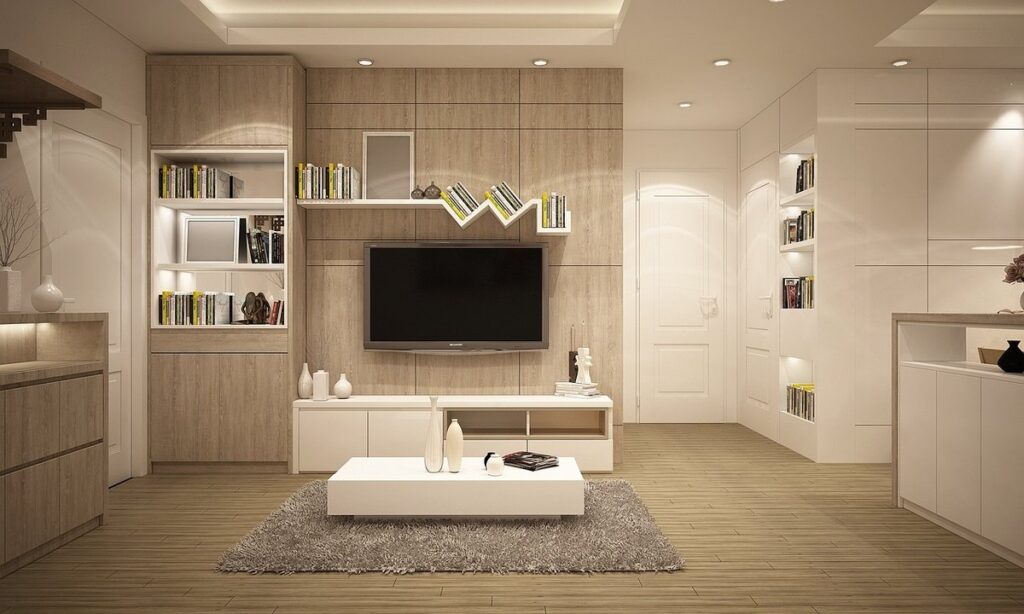
Understanding the Benefits of Minimalism
Living minimally can have a profound impact on your mental and physical well-being, leading to reduced stress levels and increased productivity at home. Let’s start by exploring the benefits that make minimalism so appealing.
Defining Minimalism and Its Importance
Minimalism is often misunderstood as a radical rejection of material possessions, but its core principles are actually centered around intentionality and clarity. The concept of minimalism has been around for decades, but it’s gained momentum in recent years due to growing concerns about consumerism, sustainability, and mental well-being.
At its heart, minimalism is about stripping away the non-essential and focusing on what truly adds value to one’s life. It’s not just about getting rid of stuff, but also about cultivating a mindset that values experience over material possessions. In many ways, minimalism is a response to the overwhelming pace and pressure of modern life.
The importance of minimalism lies in its potential to free us from emotional attachment to clutter, reduce stress, and create space for what truly matters. By embracing minimalism, individuals can simplify their lives, increase productivity, and cultivate a greater sense of mindfulness and purpose. In practice, this might mean adopting the “one-in-one-out” rule, where an item is removed or donated every time a new one is brought into the home.
Overcoming Emotional Attachments to Possessions
One of the biggest obstacles to embracing minimalism is emotional attachment to possessions. Many people hold onto items because they remind them of happy memories, serve as a symbol of status, or provide a sense of security. However, these attachments can be rooted in misconceptions about the importance and value of material possessions.
Consider this: when you assign emotional significance to an object, its usefulness is no longer solely determined by its functionality. Instead, it becomes tied to sentimental value, which can make letting go incredibly difficult. To overcome this attachment, try reframing your relationship with possessions. Ask yourself if each item truly brings joy or serves a practical purpose in your daily life.
You can also try practicing gratitude for what you already have, rather than constantly desiring more. For instance, appreciate the comfort of your favorite chair or the convenience of your well-organized kitchen. By shifting your focus away from external validation and toward the intrinsic value of possessions, you’ll find it easier to let go of those that no longer serve a purpose in your life.
A simple exercise to help you detach is to take a photo of an item before letting it go. This can make it easier to part with sentimental objects, as you’re able to hold onto the memory rather than the physical object itself.
Assessing Your Current Lifestyle and Space
To begin embracing minimalism, take a close look at your daily habits and surroundings to identify areas where you can simplify. This means examining your living space as well as your daily routines.
Taking Inventory of Your Belongings
When taking inventory of your belongings, start by categorizing items into broad groups such as clothing, furniture, kitchenware, and books. Walk through each room, and make a mental note or write down every item that catches your eye. This includes everything from toiletries to decorative trinkets.
As you collect this information, be honest with yourself about the condition and functionality of each item. Ask if it’s still serving its intended purpose or if it’s merely taking up space. Consider the last time you used certain items, such as seasonal decorations or out-of-season clothing. Be ruthless – if you haven’t touched something in a year or more, it’s likely safe to let go.
To streamline this process, designate a specific area for inventory-taking, like a table or countertop. Use boxes, bins, or bags to separate items into “keep,” “donate,” and “discard” piles. As you work through each category, take note of the number of items in each pile. This will give you a clear understanding of what you have, where it’s going, and how much space you’ll be freeing up by embracing minimalism.
Identifying Clutter Hotspots and Problem Areas
When assessing your home’s cluttered areas, it’s essential to identify hotspots where messes tend to accumulate. Common trouble spots include closets, garages, and kitchens. Closets are notorious for harboring out-of-season clothing, shoes, and accessories that take up valuable space. To tackle this area, start by removing everything from the closet and sorting items into categories – keep, donate, sell, or discard.
In the garage, clutter often manifests as stacks of boxes, tools, and sports equipment. Designate a section for each type of item, using storage bins and hooks to maximize vertical space. This will help maintain order and prevent future messes. Kitchens are another area prone to clutter, with countertops often crowded by appliances, gadgets, and food items. Regularly clear off countertops, wiping down surfaces and storing infrequently used items in cabinets or on high shelves.
To maintain these spaces over time, schedule regular tidying sessions – weekly for the kitchen, bi-weekly for closets, and monthly for garages. This will help prevent clutter from building up again. By tackling these problem areas systematically, you’ll be better equipped to maintain a clutter-free home that supports your minimalist lifestyle.
Decluttering Strategies for a Smooth Transition
Now that you’ve assessed your cluttered spaces and set intentions, it’s time to create a plan for efficiently letting go of what no longer serves you. This next step is all about developing effective decluttering strategies.
The One-In-One-Out Rule: A Simple yet Effective Approach
The one-in-one-out rule is a straightforward yet powerful decluttering strategy. It’s simple: for every new item you bring into your home, get rid of an old one to make space. This approach helps maintain a balanced level of possessions and prevents clutter from building up again.
To apply the one-in-one-out rule effectively, consider implementing it as soon as you acquire something new. For instance, when shopping for clothes, get rid of an old outfit that no longer fits or suits your style. When buying kitchen gadgets, donate or discard a similar item that’s been collecting dust on a shelf. By adopting this mindset, you’ll be more mindful of your consumption habits and encourage yourself to let go of items that are no longer serving you.
For example, if you purchase a new book, consider donating an old one to make space on your shelves. If you bring home a new piece of artwork, remove an item from the wall that’s been there for years but doesn’t quite resonate with you anymore. By maintaining this balance, you’ll be able to enjoy your possessions without feeling overwhelmed by clutter.
Sorting and Categorizing: Tools for Efficient Decluttering
Sorting and categorizing belongings is a crucial step in decluttering, as it simplifies decision-making and makes the process more manageable. Begin by creating clear categories: keep, donate, sell, and discard. This will help you quickly determine what to do with each item.
To create these categories, consider the 4-box method: use four boxes or bins labeled with your chosen categories. As you sort through items, place each one in the corresponding box. For example, if you’re unsure about keeping a book, ask yourself if it’s been read in the past year. If not, put it in the donate box.
Another technique is the “hanger trick”: hang clothes with the hook facing the opposite direction. When you wear an item, hang it back up with the hook facing the normal direction. At the end of the season, consider donating or discarding items that are still hung backwards. This helps identify which garments are truly worn and loved.
When sorting, focus on one area at a time to maintain momentum and avoid feeling overwhelmed. By creating clear categories and using techniques like the 4-box method and hanger trick, you’ll make decluttering more efficient and effective.
Organizing Your Space for Maximum Effectiveness
Now that you’ve purged your space of unnecessary items, it’s time to organize what remains in a way that maximizes productivity and reduces stress. We’ll show you how to create a streamlined environment.
Maximizing Storage Capacity Without Sacrificing Style
When it comes to maximizing storage capacity without sacrificing style, you can’t rely on bulky shelves and cabinets. Instead, opt for slim-profile solutions like wall-mounted hooks, floating shelves, and compact drawers. These space-saving designs not only keep clutter at bay but also add a touch of sophistication to your space.
Consider investing in multi-functional furniture pieces that serve more than one purpose. For instance, a storage ottoman can double as a coffee table or additional seating. Similarly, a desk with built-in storage can help keep workspace clutter under control. Look for items with clean lines and minimal ornamentation – busy patterns and excessive detailing can detract from the overall aesthetic.
Some key considerations when selecting storage solutions include material, size, and finish. Choose durable materials that can withstand regular use, such as solid wood or metal. Measure your space carefully to ensure you choose pieces that fit comfortably without overwhelming the area. Finally, consider a neutral color palette or finish that will blend seamlessly with existing decor.
When evaluating storage options, remember that functionality should take precedence over form. Avoid cluttering your space with decorative trinkets and excessive ornamentation in favor of clean lines and unobtrusive design.
Creating Zones for Work, Relaxation, and Socializing
Creating separate zones within your home for different activities has numerous benefits. By designating specific areas for work, relaxation, and socializing, you can enhance productivity, reduce stress, and foster meaningful connections with others.
For example, a dedicated workspace can help you stay focused by minimizing distractions and keeping essential tools within reach. Consider assigning a corner of your living room or a home office to this purpose. To optimize the space, invest in a comfortable chair and a compact desk that suits your needs.
In contrast, a relaxation zone should promote calmness and serenity. Create a cozy reading nook with plush pillows, soft lighting, and a selection of calming books or magazines. By designating this area as a retreat from the world, you’ll be more likely to unwind and recharge after a long day.
Socializing zones are also essential for building connections with family and friends. Convert your dining table into a social hub by adding decorative elements that encourage conversation, such as candles or a vase with fresh flowers. Alternatively, create an outdoor seating area where you can host gatherings or simply enjoy quality time with loved ones.
Maintaining Minimalism in Daily Life
Now that you’ve decluttered your space, maintaining a minimalist lifestyle requires intentional habits and routines to keep clutter at bay. Let’s look at how to make these practices a part of your daily life.
Mindful Consumption: Strategies for Avoiding Impulse Purchases
To cultivate a mindful relationship with consumer goods, it’s essential to develop strategies for avoiding impulse purchases. One effective approach is to implement a 30-day waiting period before buying non-essential items. This allows you time to reflect on whether the purchase aligns with your values and needs.
Another strategy is to practice “shopping bans.” Designate specific categories or stores as off-limits, forcing you to think critically about each purchase. For instance, banning shopping at department stores can help you avoid impulse buys.
It’s also crucial to assess the emotional drivers behind your purchases. Ask yourself if you’re buying due to boredom, stress, or a desire for social status. Identifying these patterns can help you develop more intentional consumption habits.
Regularly reviewing your receipts and tracking your spending can provide valuable insights into your purchasing behavior. This exercise helps you recognize areas where you may be prone to impulse buys and make adjustments accordingly.
By implementing these strategies, you can cultivate a more mindful approach to consumerism, reducing the likelihood of unnecessary purchases and staying true to your minimalist values.
Regular Maintenance and Review: Keeping Your Space Clutter-Free
To maintain a clutter-free space, regular maintenance and review are crucial. This involves scheduling decluttering sessions to keep your belongings organized and in check. Set aside time each week to tidy up, perhaps 10-15 minutes daily or one hour on the weekend. Create a routine that works for you, whether it’s cleaning as you go, dedicating an afternoon to organization, or making decluttering a part of your weekly schedule.
Consider implementing a regular review process to evaluate what’s working and what areas need attention. Go through each room and category of belongings (e.g., books, clothes) every few months, sorting items into three piles: keep, donate/sell, and discard. Be ruthless – if you haven’t used something in the past year, it’s likely safe to let it go.
To stay accountable, share your decluttering goals with a friend or family member and ask them to hold you to it. Alternatively, join a local minimalism group or online community for support and motivation. Remember that maintaining minimalism is an ongoing process; it takes time and effort to develop new habits but yields long-term benefits in reduced stress and increased productivity.
Overcoming Setbacks and Staying Committed
We’ve all been there: you start strong, but life gets in the way and your minimalist momentum stalls. Let’s discuss how to overcome these setbacks and stay committed to a more simplified lifestyle.
Common Challenges Minimalists Face and How to Overcome Them
When adopting a minimalist lifestyle, it’s common to face challenges that test one’s commitment. Feeling overwhelmed by the sheer amount of stuff to sort through is a significant hurdle for many individuals. To overcome this, break down the task into smaller, manageable chunks. Focus on one area or category at a time, such as decluttering a single room or sorting through clothing.
Another challenge minimalists face is letting go of sentimental items. This can be particularly difficult when it comes to items that hold emotional value, like family heirlooms or gifts from loved ones. In these situations, consider taking a photo of the item and letting it go, rather than holding onto the physical object itself. Alternatively, create a digital archive where you can store memories associated with sentimental items.
It’s also essential to establish clear criteria for what stays and what goes. Ask yourself if each item brings you joy, serves a practical purpose, or has significant sentimental value. Be honest with yourself, and don’t be afraid to let go of items that no longer serve a purpose in your life.
Celebrating Progress and Embracing a Mindful Lifestyle
Celebrating small victories is crucial to maintaining momentum on your minimalist journey. It’s easy to get caught up in the idea of achieving a perfectly decluttered space, but neglecting to acknowledge progress along the way can lead to burnout and frustration. Instead, take time to appreciate the little wins – like freeing up space for a new bookshelf or finally having a clutter-free kitchen counter.
To cultivate this mindset, try adopting a mindful approach to life. Focus on experiences and relationships rather than material possessions. For instance, plan a dinner party with friends instead of buying expensive decorations. Prioritize quality time with loved ones over accumulating more stuff. This shift in perspective will help you appreciate the value of what truly matters.
To make it easier, schedule regular “celebration days” to reflect on your progress and identify areas for improvement. Take photos of your newly decluttered spaces or write about your accomplishments in a journal. These small acknowledgments will keep you motivated and inspired to continue simplifying your life. By acknowledging progress along the way, you’ll be better equipped to navigate setbacks and stay committed to your minimalist goals.
Frequently Asked Questions
How Often Should I Review and Declutter My Space After Becoming a Minimalist?
Reviewing and decluttering your space is an ongoing process. Schedule regular maintenance sessions, such as quarterly or bi-annually, to maintain momentum and ensure clutter doesn’t accumulate again. This will also help you stay accountable and make intentional decisions about what stays and what goes.
Can I Apply the One-In-One-Out Rule to Non-Material Items Like Memories and Experiences?
While the one-in-one-out rule is primarily used for physical possessions, it can be adapted to other areas of your life. For instance, if you feel overwhelmed by memories or experiences, consider implementing a “one- memory-out” approach, where you let go of an old memory by writing it down and then releasing it. This will help you focus on what’s truly important.
What If I Have Limited Space or Budget to Implement Minimalist Strategies?
Minimalism isn’t just about getting rid of stuff; it’s also about being intentional with the space and resources you have. Start small by implementing tiny habits, like decluttering one area at a time or repurposing items instead of buying new ones. As your space and budget allow, scale up your minimalist efforts.
How Do I Balance Minimalism with Being Prepared for Emergencies or Unforeseen Circumstances?
While minimalism encourages living with fewer possessions, it’s essential to have some essentials on hand in case of emergencies. Focus on storing only what you truly need and can use, such as a backup power source, first aid kit, or emergency funds. This way, you’ll maintain your minimalist lifestyle while being prepared for unexpected situations.
Can I Apply Minimalist Principles to Other Areas of My Life, Like Work or Relationships?
Yes, the principles of minimalism can be applied to various areas of your life, not just physical possessions. By applying a more intentional and mindful approach, you can simplify complex systems, prioritize what’s truly important, and cultivate healthier relationships with work, money, time, and yourself.
Is It Possible to Be a Minimalist Without Giving Up Comfort or Luxury?
While minimalism often involves letting go of material comforts, it’s not about sacrificing comfort entirely. Focus on cultivating experiences and relationships that bring you joy, rather than relying solely on material possessions. By redefining what “comfort” means to you, you can maintain your minimalist lifestyle without giving up the things that truly matter.

