
The Bibliothèque Nationale de France in Paris is more than just a repository of books, it’s a treasure trove of knowledge that has been shaping education and research for centuries. As one of the largest and most prestigious libraries in the world, it boasts an impressive collection of over 30 million items, including rare manuscripts, ancient texts, and modern literature. With its stunning architecture and rich history, the Paris library is not only a hub of academic activity but also a cultural icon that attracts visitors from around the globe. In this comprehensive guide, we’ll delve into the fascinating story behind the Bibliothèque Nationale de France, exploring its impact on education and research, as well as its role in preserving French culture and promoting knowledge sharing globally. By the end of this article, you’ll have a deeper understanding of the Paris library’s significance and how it continues to inspire new generations of scholars and learners.
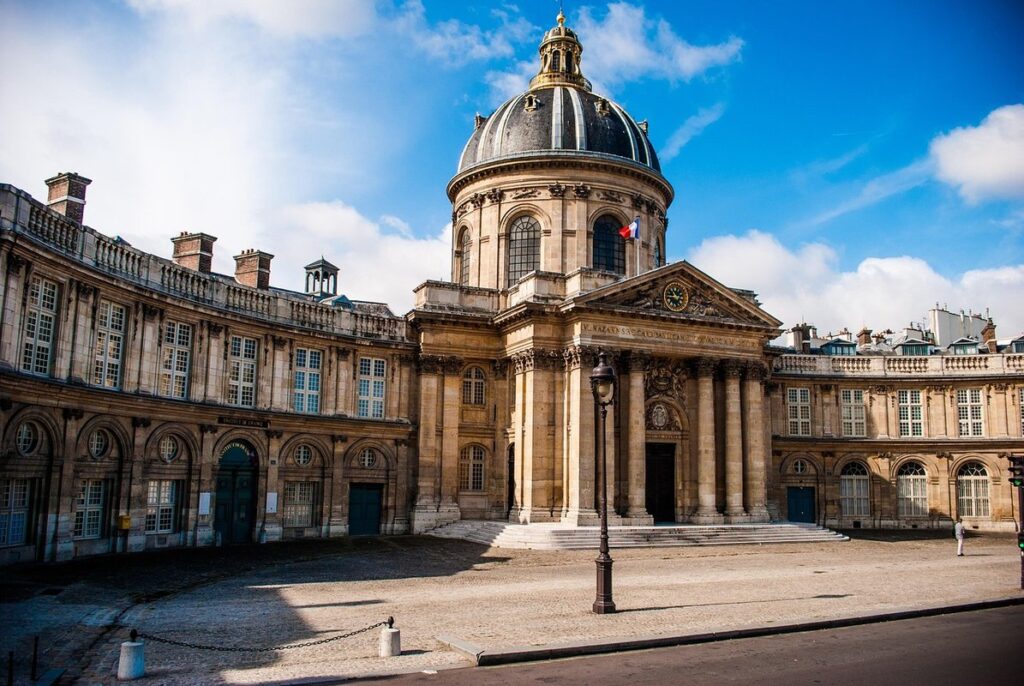
History and Significance
As you’ve learned so far, there’s more to the Paris Library than meets the eye. This next part of our journey takes us through its rich history and significance in French culture.
Early Beginnings: The Establishment of the Bibliothèque Nationale de France
In 1698, King Louis XIV founded a library to serve as a repository for rare books, marking the beginning of what would eventually become the Bibliothèque Nationale de France (BnF). This royal library was established to collect and preserve valuable manuscripts and printed materials, setting the stage for the BnF’s enduring legacy. The king’s initiative was driven by a desire to showcase French culture and intellectual prowess.
Initially housed in the Louvre Palace, the library grew rapidly, with its collection expanding to include ancient texts, illuminated manuscripts, and rare books from across Europe. As the repository of royal knowledge, it attracted scholars and intellectuals who sought access to these precious resources. The BnF’s early focus on collecting and preserving rare materials laid the groundwork for its future role as a national institution, dedicated to promoting French culture and intellectual inquiry.
The establishment of the royal library in 1698 marked a significant milestone in French cultural history, demonstrating the nation’s commitment to education, scholarship, and artistic expression. This early foundation would ultimately shape the BnF into the vibrant cultural hub it is today, offering an unparalleled wealth of knowledge and resources to researchers, students, and the public alike.
Evolution Over Time: From Royal Library to National Institution
Over time, the Bibliothèque Nationale de France (BnF) transformed from a royal institution to a national one, adapting to the country’s changing needs and values. Initially, it was founded as the Royal Library in 1368 by King Charles V, primarily serving the monarchs of France. This collection of manuscripts and books reflected the interests of the ruling class, with a focus on literature, history, and theology.
As the French Revolution swept through the country, the BnF’s purpose expanded to serve the nation as a whole. In 1791, it was renamed the National Library and began acquiring materials that represented France’s rich cultural heritage. The library’s collections grew exponentially during this period, incorporating books, manuscripts, and prints from across the continent.
Throughout its evolution, the BnF has remained committed to preserving and promoting France’s intellectual legacy. Its development into a national institution was marked by significant milestones, including the construction of new buildings and the establishment of various departments dedicated to cataloging and research.
Modern Developments: The Renovation and Expansion of the Richelieu Site
The renovation and expansion of the Richelieu site is a testament to the library’s commitment to modernization and innovation. Completed in 2016, the $1 billion project transformed the historic building into a state-of-the-art facility that meets the evolving needs of researchers, students, and scholars.
The revamped site features an increased reading area of over 40,000 square meters, providing ample space for users to study, research, and collaborate. The updated design also includes advanced conservation facilities, allowing for the preservation of rare materials in a controlled environment. Moreover, the renovation introduced cutting-edge technology, including improved Wi-Fi connectivity, digital signage, and energy-efficient systems.
The modernization efforts have had a significant impact on the library’s operations. With increased storage capacity and advanced cataloging systems, researchers can now access a wider range of materials more efficiently. Additionally, the updated design has enhanced the overall user experience, creating a welcoming and inclusive environment for visitors from diverse backgrounds. By embracing innovation and technology, the BnF continues to solidify its position as a leading cultural institution in Paris.
Architecture and Design
The Paris Library’s architecture and design elements are a crucial part of its identity, reflecting the city’s rich history and cultural heritage. From grand staircases to intricately carved details, every aspect is a work of art.
The Building’s Layout and Features
The building’s layout is designed to facilitate a seamless transition between workspaces and reading areas. The grand reading rooms are among the most iconic features of the BnF. These spacious areas are equipped with long wooden tables, comfortable seating, and natural light pouring in through large windows. Visitors can choose from several reading rooms, each offering a unique atmosphere and ambiance.
The layout also includes dedicated study spaces for researchers, students, and professors. These quiet areas provide a peaceful environment for focused work, often accompanied by the soft murmur of nearby conversations. In contrast, the more vibrant Galleries area offers an energetic space for collaboration and socialization. This well-designed layout caters to diverse needs and preferences, ensuring that visitors can find their ideal spot to learn, work, or relax.
The building’s features extend beyond its interior design, too. The exterior façade is a striking example of contemporary architecture, with sleek glass walls and a minimalist aesthetic. This modern design not only creates an imposing presence in the city but also minimizes environmental impact through sustainable materials and energy-efficient systems.
Iconic Elements: The Reading Rooms, Galleries, and Exhibitions
The reading rooms, galleries, and exhibitions within the Paris Library are designed to inspire contemplation, creativity, and connection with the vast knowledge they contain. The grand reading room, often referred to as the “Bibliothèque Salle des Reserves,” is a masterpiece of neoclassical architecture with soaring ceilings, intricately carved wooden details, and abundant natural light. This majestic space invites users to immerse themselves in the world’s literary treasures.
The library’s galleries showcase temporary exhibitions that highlight various aspects of French culture, from art and literature to science and history. These exhibitions not only enrich the user experience but also foster a sense of community by bringing people together around shared interests. For example, an exhibition on 19th-century French art might include works by renowned artists like Monet or Renoir.
The temporary exhibitions are curated by the library’s expert staff in collaboration with external partners, ensuring that each display is both informative and visually stunning. These events often attract visitors from all walks of life, creating a unique atmosphere within the library that is both contemplative and dynamic.
Sustainability and Innovation: Green Building Features and Technologies
The Bibliothèque nationale de France (BnF) has made significant strides in sustainability and innovation, integrating green building features and technologies into its design. One notable example is the use of natural light throughout the building, which reduces the need for artificial lighting and decreases energy consumption. Large windows and skylights allow for ample daylight to enter, illuminating the reading rooms and galleries.
The BnF has also implemented a sophisticated climate control system that adjusts temperature and humidity levels based on occupancy and time of day. This approach ensures that resources are used efficiently while maintaining comfortable conditions for visitors and staff.
In addition to these measures, the library has incorporated sustainable materials in its construction and renovations. For instance, reclaimed wood is used for furniture and decorations, reducing waste and promoting a sense of history within the space.
The BnF’s commitment to sustainability extends beyond its physical building features. The institution has also invested in renewable energy sources, such as solar panels on the roof, which generate electricity and reduce the library’s carbon footprint.
Collections and Resources
The Paris Library offers a wealth of resources for book lovers, including rare manuscripts, historical documents, and unique collections that showcase French culture and history.
Rare Books and Manuscripts: The Library’s Treasures
Among its vast holdings, the Bibliothèque nationale de France (BnF) boasts an unparalleled collection of rare books and manuscripts. This treasure trove includes the works of renowned authors such as Victor Hugo and Gustave Flaubert, alongside ancient texts like the 13th-century illuminated manuscript known as the “Très Riches Heures du Duc de Berry.” These irreplaceable items are not only significant for their cultural value but also for their historical context.
One notable example is the BnF’s collection of Gallican manuscripts from the 8th century. These texts, written in Latin and Old French, provide valuable insights into the development of the French language and its relationship with other European languages. Visitors can explore these manuscripts firsthand through digitized copies available on the library’s website.
The BnF also houses an impressive assortment of rare books, including a first edition of Voltaire’s “Candide” (1759) and a beautifully illustrated edition of Gustave Flaubert’s “Madame Bovary” (1857). These artifacts serve as tangible connections to France’s rich literary heritage.
Digital Collections: Online Access and Resources
The Paris Library’s digital collections offer a wealth of online resources for researchers, students, and the general public. Visitors can access e-books, articles, and databases through the library’s website, including over 10 million digitized items from its rich print collections. These digital materials are easily searchable by keyword or title, making it simple to locate specific information.
One notable resource is Gallica, the library’s online platform that provides free access to a vast array of texts, images, and other materials. Users can browse through various categories, such as history, literature, and science, or search for specific topics like art or music. Additionally, the library offers online exhibitions and digital collections on its website, featuring items from its own archives, as well as those loaned by partner institutions.
For remote access, users can register for a reader’s card on the library’s website, which provides temporary borrowing privileges and access to online materials. This feature allows scholars and researchers to access resources from anywhere in the world, making it an invaluable tool for international collaboration and research.
Multilingual Support: Language Collections and Translation Services
The BnF’s language collections are a vital resource for researchers and scholars worldwide. With over 40% of its holdings in languages other than French, including vast collections of ancient texts, rare manuscripts, and modern literary works, the library caters to diverse linguistic needs. The Romance Languages department alone boasts an impressive array of materials in Spanish, Italian, Portuguese, and Romanian.
In addition to its extensive language collections, the BnF offers a range of translation services. These include expert consultations with linguists and philologists, as well as specialized databases for accessing translated texts. For instance, the library’s French-German dictionary collection is unparalleled in scope and depth, making it an invaluable resource for scholars working on Franco-German literary exchanges.
For users who require assistance with language-related research, the BnF provides a variety of tools and resources. These include online language learning platforms, multilingual databases, and bibliographic guides. The library’s website also features a dedicated section on linguistic resources, where users can find information on language-specific materials, research methods, and recommended readings.
User Experience and Community Engagement
As you explore the Paris Library, it’s clear that user experience is woven into every aspect of its design, from cozy reading nooks to vibrant community events. Let’s take a closer look at what makes this library such a welcoming space for all visitors.
Reading Rooms and Study Spaces: A Haven for Researchers and Students
The reading rooms and study spaces at the Paris Library are carefully designed to provide a conducive environment for researchers and students to focus on their work. These quiet areas are equipped with comfortable seating, ample natural light, and state-of-the-art technology, including free Wi-Fi and power outlets throughout.
Some of the most notable features of these spaces include the Richelieu reading room, which boasts an impressive 2,000 square meters of floor space and a stunning glass roof. This room is perfect for researchers who need to spread out their materials or work on complex projects. Other areas are designed specifically for students, with group study tables and collaborative whiteboards.
To support the diverse needs of users, the library also offers private study rooms that can be reserved in advance. These rooms are equipped with meeting facilities, audio-visual equipment, and ergonomic furniture to ensure a comfortable learning experience. By providing a range of spaces tailored to different preferences and work styles, the Paris Library aims to foster an inclusive environment where students and researchers can excel in their pursuits.
Events and Exhibitions: Cultural Programs and Activities
Throughout the year, the Bibliothèque nationale de France (BnF) hosts a diverse range of cultural programs and activities that cater to various interests and ages. The library’s exhibition spaces are transformed into vibrant showcases for art, history, literature, and science. Temporary exhibitions often feature works from renowned artists, while others delve into the library’s vast collections, making its treasures accessible to a broader audience.
Some notable examples include the annual “Livre sur les Quais” festival, which brings together authors, publishers, and book lovers along the Seine River; the “Nuit Blanche” event, where the library stays open late for visitors to explore exhibitions and interactive installations under the stars. These events not only reflect the BnF’s commitment to cultural enrichment but also its role as a hub for creative expression.
The library’s calendar is filled with activities designed to engage diverse audiences. From concerts and lectures to workshops and book clubs, there’s something for everyone. The BnF’s website provides up-to-date information on events and exhibitions, allowing visitors to plan their visit according to their interests.
Accessibility and Inclusivity: Efforts to Make the Library More Accessible
The library has made significant strides in ensuring accessibility and inclusivity for all users. One notable effort is the implementation of audio descriptions and sign language interpretation for exhibitions and events, making it easier for visitors with visual or hearing impairments to engage with the content. Additionally, the library provides wheelchair-accessible entrances, ramps, and elevators throughout the building.
Multilingual support is also a priority, with materials and resources available in multiple languages, including English, Spanish, German, Italian, and Portuguese. This allows non-French speakers to navigate the collections and resources with ease. The library’s website and online platforms are also designed to be accessible, with features like screen reader compatibility and high contrast modes.
The library offers a range of services to support users with disabilities, including assistive technology training, braille and large print materials, and adaptive equipment for studying and research. These initiatives aim to create an inclusive environment where everyone can access knowledge and enjoy the cultural offerings of the library.
Impact on Education and Research
The Paris Library has been a game-changer for students, researchers, and scholars from around the world, offering unparalleled access to knowledge. Let’s explore how it impacts education and research efforts globally.
The BnF as a Hub for Academic Research
The BnF’s vast collections and expertise make it an indispensable resource for researchers. It collaborates closely with universities, offering custom research services and providing access to its extensive holdings. The library’s digital platform allows users to search and request materials from across the country, facilitating national and international collaborations. This partnership model is particularly evident in the BnF’s participation in pan-European initiatives like the European Library Gateway.
To give you a sense of the breadth of resources available, consider this: the BnF receives over 1 million requests for materials each year. With its collections spanning thousands of years of human knowledge, from ancient manuscripts to cutting-edge digital research tools, it’s no wonder that scholars rely on the library as a hub for academic inquiry.
The BnF also hosts workshops and training sessions for researchers, teaching them how to use its vast holdings and advanced technologies effectively. By investing in these initiatives, the library not only supports individual projects but also contributes to the overall advancement of knowledge in France and beyond.
Student Programs and Initiatives: Fostering Knowledge and Critical Thinking
The Paris Library offers a range of student programs and initiatives designed to promote knowledge, critical thinking, and literacy among young learners. One notable example is the BnF’s partnership with local schools to develop customized educational resources and workshops. These programs focus on developing essential research skills, such as information literacy and critical analysis.
In addition, the library provides access to digital resources and online tutorials that cater specifically to students’ needs. For instance, the BnF’s “Digital Classroom” platform offers interactive tools and multimedia content for teaching languages, history, and culture. The library also collaborates with universities and research institutions to create innovative educational programs and projects.
Some notable initiatives include the “Bibliothèque Jeunesse” program, which provides reading materials and literacy support for children from disadvantaged backgrounds. Another example is the “Sciences et Lettres” project, which offers workshops and online resources for students in science and literature fields. These programs demonstrate the Paris Library’s commitment to promoting education, critical thinking, and cultural awareness among its young users.
Cultural Exchange and Diplomacy: The BnF’s Role in International Cooperation
The BnF’s international collaborations and cultural exchange programs have a significant impact on France’s diplomatic efforts. By fostering global understanding and cooperation, these initiatives contribute to the library’s mission of promoting knowledge and culture.
One notable example is the BnF’s participation in the European Library Network (ELINET). This collaborative effort brings together 48 national libraries from across Europe to share resources, expertise, and best practices. The BnF serves as a hub for this network, providing access to its vast collections and facilitating international research collaborations.
The library also engages in cultural exchange programs with institutions in Africa, Asia, and the Americas. These partnerships enable researchers and students to explore each other’s cultures and share knowledge on topics such as history, literature, and art. For instance, the BnF has partnered with the National Library of China to create a joint digital platform for rare book collections.
These international collaborations not only enrich the library’s collections but also promote cultural understanding and diplomacy. By engaging in these endeavors, the BnF demonstrates its commitment to global cooperation and knowledge sharing.
Frequently Asked Questions
Can I access the Paris library’s digital collections remotely?
Yes, the Bibliothèque Nationale de France provides online access to its resources, including e-books, articles, and databases. Users can access these collections through the library’s website or mobile app, making it possible to research and study from anywhere in the world.
How do I navigate the Paris library’s vast collection of rare books and manuscripts?
The Bibliothèque Nationale de France has an extensive cataloging system that allows users to search for specific materials by title, author, subject, or keyword. Additionally, the library offers guided tours and workshops for researchers and students to learn how to navigate its collections.
What if I don’t speak French? Can I still use the Paris library’s resources?
Yes, the BnF provides multilingual support through its language collections and translation services. Users can access translated texts, databases, and online resources in several languages, including English, Spanish, German, and more. Additionally, many library staff members speak multiple languages and can assist users with their queries.
How do I get involved in the Paris library’s cultural programs and activities?
The Bibliothèque Nationale de France hosts various cultural events, exhibitions, and workshops throughout the year. Users can check the library’s website or social media channels for upcoming events and register online to participate. Additionally, the library offers volunteer opportunities for students and researchers to get involved in its programming and initiatives.
Can I request materials from other libraries through the Paris library’s interlibrary loan service?
Yes, the BnF participates in international loan agreements with other major libraries around the world. Users can request materials not available in the library’s collections through its interlibrary loan service, which will arrange for the delivery of requested items within a few weeks.

