
Paris postcards have been a staple of French culture for over a century, capturing the essence of the city’s charm and beauty. From the iconic Eiffel Tower to the charming streets of Montmartre, these small pieces of art have been delighting collectors and enthusiasts alike. But what makes Paris postcards so valuable? Is it their rarity, condition, or market demand that drives their worth? For those interested in collecting or simply learning more about this unique aspect of French history, understanding the evolution of Paris postcards is crucial to making informed decisions. This article will explore the origins of Paris postcards in the late 19th century and take a closer look at the trends and tips for collectors today, including how to identify valuable pieces and capitalize on market demand by the time you finish reading.
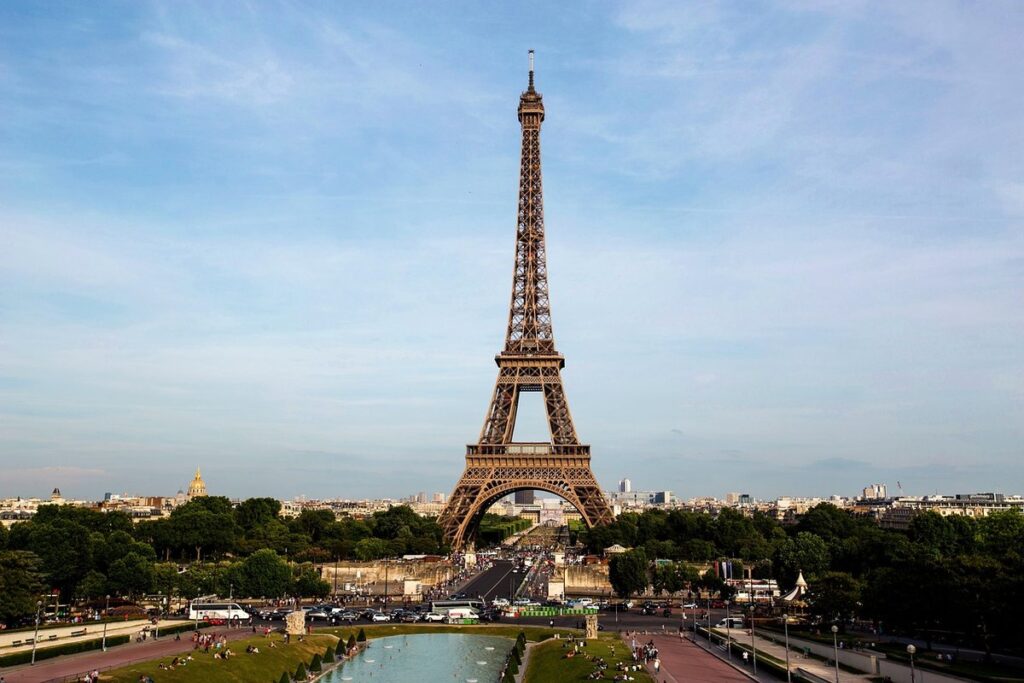
A Brief History of Paris Postcards
Paris postcards have been a staple of French culture for over a century, offering a glimpse into the city’s rich history and artistic heritage. Let’s take a step back in time to explore their fascinating evolution.
Origins of Parisian Postcard Culture
Postcard collecting emerged in Paris during the late 19th century as a popular pastime among tourists and locals alike. Early publishers like Fauvel & Co. and J.B. Baillard, played a significant role in popularizing postcards featuring iconic Parisian landmarks such as Notre-Dame Cathedral and the Eiffel Tower. These early designs often incorporated traditional French motifs, including fleur-de-lis and berets.
One of the key factors contributing to the rise of postcard culture was the introduction of color lithography, which allowed for mass production of high-quality images. This innovation enabled publishers to produce a wide range of designs, from realistic depictions of Parisian architecture to more fanciful illustrations of street performers and cabarets. By the early 1900s, postcards had become a staple souvenir among tourists, with many vendors selling them on street corners and at train stations.
As postcard collecting gained popularity, it also attracted the attention of artists, who began experimenting with innovative designs and techniques. The rise of art nouveau and belle époque styles in postcard design reflected the artistic movements of the time, further solidifying Paris’s reputation as a hub for creative expression.
Evolution of Postcard Printing Techniques
Advances in printing technology played a crucial role in the mass production of high-quality postcards. In the early days of postcard printing, engravings and etchings were used to create intricate designs. However, these methods were time-consuming and limited in their ability to produce large quantities.
The introduction of lithography in the mid-19th century marked a significant turning point. This process allowed for mass production of images with greater detail and nuance. The technique involved applying ink to stone plates, which were then used to print multiple copies of an image.
As printing technology continued to evolve, chromolithography became widely adopted in the late 19th and early 20th centuries. This method enabled the creation of vibrant, multicolored images on postcards. Publishers took advantage of this capability to produce elaborate designs that showcased the beauty of Parisian landmarks and cityscapes.
The widespread adoption of photomechanical printing techniques further improved image quality and reduced production costs in the early 20th century. This allowed for the mass production of high-quality postcards with greater consistency and accuracy, contributing to their enduring collectibility and artistry.
Artistic Styles on Paris Postcards
Paris postcards have been a beloved way for artists to showcase their unique styles and interpretations of the City of Light. From Impressionist watercolors to bold Art Nouveau designs, each style offers a glimpse into the artistic trends of its time.
Belle Époque and Art Nouveau Influences
The Belle Époque and Art Nouveau influences on early 20th-century Paris postcards are a defining feature of their aesthetic. This period saw the rise of artists like Alphonse Mucha, who brought his characteristic flowing lines and organic motifs to postcard design. Publishers such as Éditions des Temps et des Arts also played a significant role in popularizing Art Nouveau styles on postcards. Notably, these publishers frequently featured women’s portraits with elaborate floral arrangements or other naturalistic elements.
The result was a distinctive look that emphasized elegance and refinement. Postcard collectors should be on the lookout for examples of Mucha’s work, as well as those by other notable artists like Gustave Doré and Lucien Bély. The key to identifying genuine Art Nouveau postcards lies in their attention to detail: intricate borders, flowing lines, and a general sense of organic movement are all hallmarks of the style.
Some notable characteristics of Belle Époque and Art Nouveau-influenced Paris postcards include:
• Intricate borders featuring floral patterns or other natural motifs
• Flowing lines and curved shapes in lettering and illustration
• Emphasis on elegance, refinement, and luxury
• Frequent use of pastel colors and subtle gradations
The Role of French Impressionism in Postcard Design
French Impressionist artists like Claude Monet and Pierre-Auguste Renoir popularized capturing light and color in their works. Postcard publishers adapted these techniques for mass-produced postcards, often featuring soft, dreamy landscapes and cityscapes. One notable example is the work of Henri Rivière, an artist associated with the Nabis movement, who designed a series of Impressionist-style postcards for the publisher A. Chéramy in the late 19th century.
These postcards showcased Rivière’s use of loose brushstrokes and vibrant color to convey a sense of atmosphere and mood. His designs often featured iconic Parisian landmarks like Notre-Dame Cathedral, as well as more intimate scenes of everyday life along the Seine River. When collecting Impressionist-style postcards, look for artists who employed similar techniques, such as soft focus, muted colors, and an emphasis on capturing light effects.
Some key illustrators to seek out include Rivière’s contemporaries, like Edouard Vuillard and Maurice Denis. These artists’ works often featured subtle color gradations and delicate line work, which were well-suited for the smaller format of postcards.
Collecting Paris Postcards: Tips and Strategies
If you’re interested in collecting Paris postcards, start by understanding the different types of cards available, from vintage to modern editions. Knowing what to look for will make your search more efficient.
Condition, Rarity, and Edition Size
When evaluating Paris postcards for their collectible value, condition, rarity, and edition size play crucial roles. A postcard’s condition can significantly impact its price. Look for cards with minimal wear, creases, or fading. The presence of a hinge or staples can also affect the card’s value. Some collectors may prefer unrestored cards, while others prefer those that have been expertly restored.
Rarity is another factor to consider. Limited edition prints, print runs, and special releases can make certain postcards highly sought after by collectors. For example, the 1900 World’s Fair in Paris saw the production of numerous postcards featuring iconic landmarks like the Eiffel Tower. Cards from this era, particularly those with unique designs or artist signatures, can command high prices.
Edition size is also essential to consider. Postcards printed in large quantities may hold less value than those produced in smaller batches. Some publishers, however, would intentionally print a few hundred copies of an image to create the illusion of scarcity and boost demand. Researching the publisher’s history and the specific postcard’s production numbers can help you determine its edition size and potential value.
Popular Themes and Illustrations to Look For
When collecting Paris postcards, certain themes and illustrations can significantly enhance their collectibility. Look for postcards featuring iconic Parisian landmarks like the Eiffel Tower, Notre-Dame Cathedral, and the Louvre Museum. Scenes of charming streets, quaint cafes, and bustling markets are also highly sought after.
Illustrations by renowned artists such as Henri de Toulouse-Lautrec and Alphonse Mucha can greatly increase a postcard’s value. The work of these artists is characterized by intricate details and ornate designs, making them particularly appealing to collectors. Other popular illustrations include those depicting everyday Parisian life, such as street vendors, horse-drawn carriages, and women in traditional clothing.
Postcards with unique or unusual themes can also command high prices. These might include depictions of Parisian nightlife, such as cabarets and music halls, or scenes from famous events like the 1889 World’s Fair. When evaluating a postcard’s collectibility, consider its rarity, condition, and edition size in addition to its thematic appeal.
The Art of Creating Paris Postcards
Whether you’re a seasoned collector or just starting your postcard journey, creating authentic Parisian postcards requires a delicate balance between artistry and accuracy. We’ll explore the techniques that make these charming cards truly special.
Traditional Techniques vs. Modern Digital Methods
Traditional printmaking methods have been a cornerstone of Paris postcard production for centuries. Woodcuts and lithography were commonly used to create intricate designs and detailed illustrations. These techniques required manual labor, patience, and skill, resulting in unique, handcrafted prints. For example, the iconic 19th-century postcards featuring Gustave Doré’s etchings showcased the artist’s mastery of wood engraving.
In contrast, modern digital methods have streamlined the design process, allowing for faster production times and greater control over image quality. Digital tools enable artists to create high-resolution images with precision and accuracy. However, this shift has also led to a loss of some traditional techniques’ unique qualities, such as texture and imperfection. Some contemporary postcard makers still choose to incorporate elements of traditional printmaking into their work, blending old and new methods to achieve distinctive results.
When selecting a Paris postcard, consider the aesthetic appeal and historical significance of both traditional and digital prints. Look for hand-painted or etched details that showcase the artist’s skill and craftsmanship.
Collaborations Between Artists and Publishers
Successful collaborations between artists and publishers have contributed significantly to the evolution of Paris postcards. A notable example is the partnership between artist Henri Rivière and publisher Paul Vauchelet during the late 19th century. Rivière, a prominent artist of the time, worked closely with Vauchalet’s publishing house to create limited-edition prints that showcased his unique lithographic style.
The collaboration resulted in the production of over 100 postcards featuring iconic Parisian landmarks, such as the Eiffel Tower and Notre-Dame Cathedral. The partnership not only demonstrated the artist’s ability to adapt traditional techniques for mass production but also highlighted the importance of publisher-artist collaborations in shaping the visual identity of postcard art.
Other notable examples include partnerships between artists like Paul Signac and Henri Matisse with publishers who specialized in postcards. These collaborations often involved a deep understanding of each other’s creative vision, as well as a willingness to experiment with new techniques and designs. By examining these successful partnerships, collectors can gain insight into the creative process behind Paris postcards and develop a deeper appreciation for the artistry involved.
Paris Postcard Collectors: Community and Resources
For those interested in joining a community of Paris postcard enthusiasts, we’ll explore the resources available for collectors to connect, share, and learn together. This includes online forums, local groups, and marketplaces.
Online Forums and Social Media Groups
Joining online forums and social media groups dedicated to Paris postcard collecting is an excellent way to connect with fellow enthusiasts, gain knowledge, and find rare cards. Collectors share their collections, provide condition reports, and discuss the provenance of specific prints. These platforms are also ideal for trading cards, as members often post “wanted” lists or swap duplicates.
On Facebook groups like “Paris Postcard Collectors” or specialized forums like the French Postcards Collectors Group on Google Groups, you can find discussions about print runs, plate variations, and artist signatures. Members also share their discoveries of hard-to-find titles or rare editions, often with high-quality images. To get started, search for groups that match your interests and join the ones with active participation.
Some popular online platforms to explore include:
- Facebook Groups dedicated to Paris postcard collecting
- Specialized forums like the French Postcards Collectors Group on Google Groups
- Reddit’s r/parispostcards community
When participating in these online communities, remember that clear photos and detailed descriptions are essential for facilitating trades or sales. Be respectful of other members’ collections and avoid making lowball offers or engaging in disputes over card values. By being considerate and open-minded, you can build meaningful relationships with fellow collectors and expand your knowledge of Paris postcards.
Museums, Galleries, and Auction Houses Showcasing Postcards
Many Parisian museums, galleries, and auction houses regularly showcase postcards as part of their exhibitions. These institutions often highlight rare and significant collections to promote awareness about the art form’s history and cultural significance. The Musée Carnavalet, for instance, has featured exhibitions on the evolution of postcard printing techniques and the role of postcards in Parisian popular culture.
The Grand Palais has also hosted exhibitions dedicated to vintage postcards, showcasing their artistic value alongside other forms of French graphic art. At these events, visitors can see firsthand how postcard artists experimented with innovative techniques and styles during the Belle Époque era.
Auction houses like Christie’s and Sotheby’s have sold rare and valuable Parisian postcards, often fetching high prices due to their condition, rarity, or historical significance. When attending exhibitions or auctions featuring postcards, collectors should be prepared to carefully examine each item for its artwork, printing technique, and any notable signatures or inscriptions.
Some notable exhibitions include the ‘Postcard Century’ show at the Musée des Arts Décoratifs in 2010 and the ‘Paris Postcard Collection’ exhibition at the Bibliothèque nationale de France in 2007.
The Economic Value of Paris Postcards
For many collectors, the value of a postcard lies not only in its rarity but also in its monetary worth. We’ll examine the factors that contribute to the economic value of these vintage souvenirs.
Factors Affecting Market Demand and Prices
Market forces influencing the value of rare and collectible Paris postcards are multifaceted. Condition is a crucial factor: mint-condition postcards with minimal wear and tear can significantly impact resale prices. Rarity also plays a significant role, as limited-edition prints or those issued in small quantities often command higher prices. Edition size is another important consideration – postcards produced in larger runs may be more accessible but less valuable than their rare counterparts.
The popularity of certain themes and illustrations can drive demand and prices up. For instance, vintage postcards featuring iconic Parisian landmarks like the Eiffel Tower or Notre-Dame Cathedral are highly sought after by collectors. The reputation of the publisher is also a key factor – well-established companies with a history of producing high-quality postcards often see their items appreciate in value over time.
The state of the art market can fluctuate, and trends may shift quickly. For example, if a particular style or artist becomes popular among collectors, prices for related postcards may rise. Conversely, a decline in demand for certain types of postcards can cause their value to drop.
Tips for Selling or Trading Your Collection
When selling or trading your Paris postcard collection, consider the condition and rarity of each card. Clean, pristine cards with minimal wear are generally more valuable than those with creases, tears, or water damage. Research the edition size to determine whether a particular card is scarce or common; smaller print runs often increase demand.
Look for cards featuring popular themes like iconic landmarks, street scenes, or cultural events. Illustrations by well-known artists, such as Pierre Reverdy or Lucien Boucher, can also command higher prices. Be cautious when selling rare or high-value items through online marketplaces, where authenticity and provenance may be difficult to verify.
Before trading cards with other collectors, ensure you’re getting a fair exchange based on the cards’ individual values. Consider using a pricing guide like the Scott Standard Postage Stamp Catalogue or the Michel Handbuch für Sammler as a reference point. When parting with your collection, keep detailed records of each card’s provenance and any relevant documentation to build trust with potential buyers.
Conclusion: Preserving Paris’s Visual Heritage Through Postcards
As we conclude our exploration of Paris postcards, it’s clear that these small, collectible cards play a significant role in preserving the city’s visual heritage. By capturing the essence of Paris’ iconic landmarks, charming streets, and picturesque scenes, postcards provide a tangible connection to the past. For collectors, enthusiasts, and historians alike, postcards serve as a window into the city’s evolution over time. When handled with care and stored properly, these fragile artifacts can remain intact for generations to come.
To maximize their preservation potential, it’s essential to handle postcards gently, avoiding direct sunlight exposure and moisture. Store them in acid-free materials, such as archival-quality folders or albums, keeping them away from extreme temperatures. By doing so, you’ll help ensure that Paris’ visual heritage is safeguarded for years to come.
Frequently Asked Questions
Can I display my Paris postcard collection in a museum or gallery?
Yes, some museums and galleries accept donations of collectible postcards for exhibition. Research local institutions that align with your collection’s theme and era to explore potential partnerships.
How do I determine the authenticity of a vintage postcard?
Verify the publisher’s stamp, printing techniques, and any notable signatures or markings. Compare your card with known examples from reputable sources to ensure accuracy. Consider consulting with an expert or joining online forums for guidance.
What if my Paris postcard has water damage – can it still be valuable?
Condition is crucial when evaluating a postcard’s value. If the damage is minor and doesn’t affect the image, the card may still retain some collectible worth. Assess the extent of the damage and research similar cards with comparable condition to inform your decision.
Can I use digital tools to restore or enhance my postcards?
Yes, various software programs can help you remove dust, scratches, or fading from images. Be cautious not to over-process or alter the original artwork, as this may decrease the card’s value. Test different methods on a small area first to avoid damaging the surface.
Are there any online platforms specifically designed for buying and selling Paris postcards?
Yes, specialized marketplaces like eBay, Etsy, and postcard-focused forums connect buyers and sellers worldwide. Be sure to research reputable sellers, read reviews, and understand platform fees before making a purchase or sale.

