
Ecological restoration is a vital process that helps revive degraded ecosystems, promoting biodiversity and ecosystem health. For many communities, restoring natural habitats is not just an environmental necessity but also a way to preserve cultural heritage and promote sustainable development. However, restoring entire ecosystems can be a daunting task, especially for small-scale initiatives with limited resources. A closer look at successful ecological restoration projects reveals that effective methods often involve combining large-scale efforts with individual actions, such as planting native species or creating wildlife corridors. This article will explore various approaches to ecological restoration, from large-scale projects to small-scale initiatives, and examine how individual actions can contribute to ecosystem health and biodiversity. By the end of this piece, you’ll have a clear understanding of effective methods for promoting ecosystem health through ecological restoration.
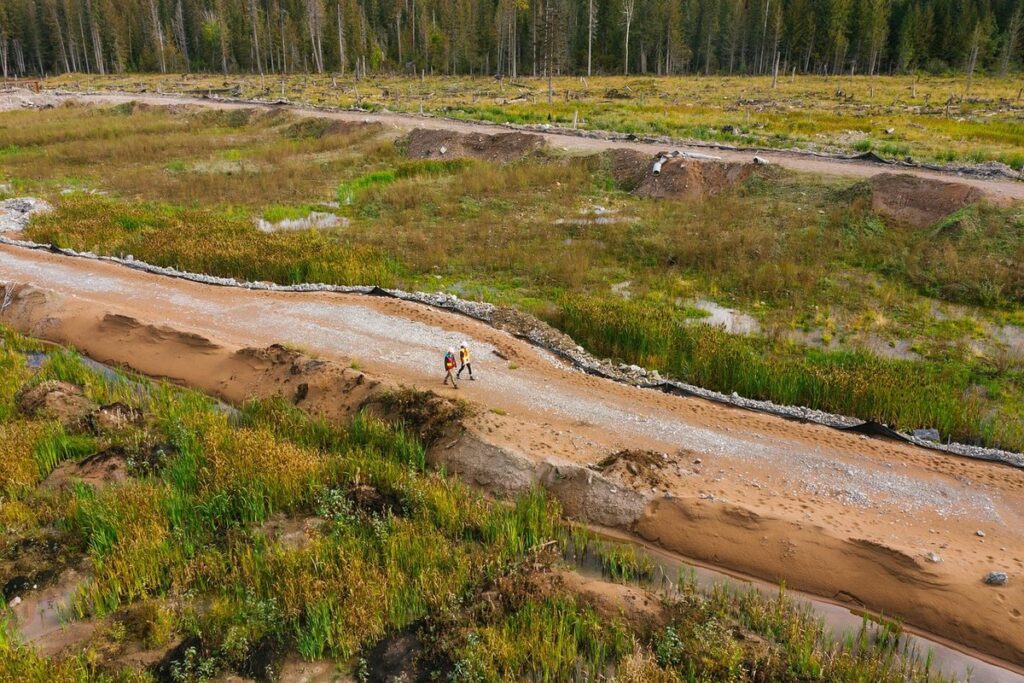
Understanding Ecological Restoration
Ecological restoration is a complex process that requires a deep understanding of ecosystems, their interconnectedness, and the delicate balance of species within them. Let’s explore how restorationists approach this intricate work to revive damaged environments.
Defining Ecological Restoration
Ecological restoration is a process aimed at returning damaged or degraded ecosystems to a healthier, more sustainable state. This involves not only repairing physical damage but also addressing the underlying causes of degradation. The importance of ecological restoration lies in its ability to mitigate climate change, protect biodiversity, and preserve ecosystem services essential for human well-being.
Restoration ecology focuses on understanding how ecosystems function and respond to disturbance. By studying these processes, practitioners can identify effective methods for restoring degraded habitats. Goals of ecological restoration vary depending on the specific context but often include rehabilitating native species populations, improving water quality, and enhancing soil health.
A key aspect of ecological restoration is its emphasis on site-specific solutions rather than one-size-fits-all approaches. Practitioners must consider local climate, geology, and biological characteristics when developing a restoration plan. For example, in arid regions, prioritizing drought-resistant plant species may be crucial for long-term success. In contrast, areas with high rainfall might focus on stabilizing soils to prevent erosion. By tailoring restoration efforts to the unique needs of each site, ecological practitioners can maximize the chances of successful outcomes.
The Need for Ecological Restoration
Human activities have been the primary drivers of ecosystem degradation, leading to the loss of biodiversity and ecological resilience. Deforestation, urbanization, and intensive agriculture are major contributors to habitat destruction and fragmentation, pushing many species to the brink of extinction. Climate change exacerbates these impacts by altering temperature and precipitation patterns, further straining ecosystems that are already under pressure.
The consequences of ecosystem degradation are far-reaching, with cascading effects on human well-being. Soil erosion, increased flooding, and reduced water quality are just a few examples of the environmental costs. Moreover, the loss of ecosystem services such as pollination, pest control, and nutrient cycling has significant economic implications. For instance, a study found that the decline of pollinators due to habitat destruction resulted in annual losses of over $200 billion globally.
To address these issues, it’s essential to recognize the critical role of ecological restoration in maintaining ecosystem health. By rehabilitating degraded ecosystems, we can restore biodiversity, improve water and air quality, and promote sustainable land use practices.
Types of Ecological Restoration
There are several approaches to ecological restoration, and understanding these different types is key to choosing the best method for a specific project. Let’s explore some of the most common approaches being used today.
Large-Scale Restoration Projects
Large-scale restoration projects are complex endeavors that aim to revitalize entire ecosystems. Successful examples include reforestation programs, such as China’s Great Green Wall initiative, which has planted over 66 billion trees since 1978. This project not only reduced desertification but also improved air quality and increased biodiversity.
Wetland restoration is another large-scale effort, like the Everglades Restoration Project in Florida, USA. This $10.9 billion endeavor aims to restore water flow and habitats for native species. By removing invasive species and reintroducing native plants, the project has already seen improvements in water quality and wildlife populations.
Habitat reconstruction is also a key aspect of large-scale restoration. For example, the Yellowstone National Park’s wolf reintroduction program successfully restored the park’s ecosystem balance. The re-established wolves prey on elk herds, which in turn reduces vegetation overgrowth and allows native plants to flourish.
These projects demonstrate that large-scale restoration can have far-reaching benefits for both ecosystems and local communities. By adopting a holistic approach, incorporating multiple stakeholders, and setting realistic timelines, such initiatives can lead to tangible improvements in ecosystem health.
Small-Scale Restoration Initiatives
Small-scale restoration initiatives can have a significant impact on local ecosystems. These projects often involve community-led efforts, such as organizing clean-up events, creating school gardens, or implementing backyard conservation practices. By engaging individuals and communities in restoration activities, small-scale initiatives can foster a sense of ownership and responsibility for the environment.
Community-led projects can be particularly effective when they focus on specific problems or goals, such as reducing stormwater runoff or increasing local biodiversity. For example, a group of residents might come together to create a rain garden in an urban park, which helps absorb excess water and filters pollutants from stormwater.
School gardens provide another valuable opportunity for small-scale restoration. By incorporating native plants, trees, and wildlife habitats into schoolyard landscapes, educators can teach students about ecological principles while promoting hands-on learning experiences. Backyard conservation efforts, such as creating bird-friendly habitats or using rain barrels, can also contribute to local ecosystem health when implemented collectively by a community.
Small-scale initiatives often require minimal resources and can be tailored to specific environmental challenges in an area.
Ecological Restoration Methods
Restoring damaged ecosystems requires a range of techniques, from reintroducing native species to revitalizing soil health. We’ll explore some effective methods for bringing balance back to nature.
Native Species Reintroduction
Native species reintroduction is a crucial component of ecological restoration, allowing damaged ecosystems to recover and regain their natural balance. The process begins with selecting suitable species that can thrive in the restored habitat. This involves identifying native plant and animal species that were previously present in the area and have adapted to local conditions.
Before releasing selected species into the restored habitat, preparation is essential. Habitat preparation may include restoring soil quality, creating suitable microhabitats for plants or animals, and reintroducing natural disturbance regimes such as fire or flood cycles. This groundwork ensures a safe and welcoming environment for the reintroduced species.
Once released, post-release monitoring is vital to assess the success of native species reintroduction. This includes tracking population growth, observing behavioral adaptations, and monitoring ecosystem processes like nutrient cycling and water flow. Regular monitoring helps identify areas where additional restoration efforts may be necessary and informs adjustments to habitat management strategies. Effective post-release monitoring enables ecologists to make data-driven decisions and optimize restoration outcomes.
Erosion Control and Soil Stabilization
Soil degradation and erosion can significantly hinder ecological restoration efforts. To prevent soil loss and promote sustainable vegetation growth, several erosion control techniques are employed. One common method is the use of geotextiles – permeable fabrics that allow water to pass through while preventing soil displacement. These fabrics can be installed on slopes or embankments to stabilize the soil.
Another technique involves the creation of terraces or contour planting. By breaking up steep slopes into smaller, manageable sections, the risk of erosion is reduced. This approach also allows for more efficient use of water and nutrients. In some cases, hydroseeding may be used – a process where a mixture of seeds, mulch, and fertilizer is applied to the soil using a specialized machine.
To further stabilize the soil, root barriers can be installed. These physical barriers prevent roots from growing in unwanted areas, thereby reducing competition for resources and promoting more efficient use of space. In certain situations, it may also be necessary to implement measures such as riprap or check dams to control water flow and mitigate erosion risks.
Monitoring and Maintenance
Monitoring a restored ecosystem is crucial to ensure its long-term health, so let’s discuss the key strategies for maintaining these delicate systems. Regular assessments help identify potential issues before they become major problems.
Establishing Baseline Conditions
Establishing baseline conditions is a critical step in monitoring and maintaining a restored ecosystem. This involves collecting data on the pre-restoration state of the site to create a foundation for measuring progress and making adjustments as needed. Pre-restoration monitoring typically includes assessing the physical environment, such as soil quality and topography, as well as the biological components, like plant and animal species.
Measurements can include factors like pH levels, nutrient content, and water flow rates. This information helps identify areas that require targeted restoration efforts. For example, if a site has low soil fertility, additional organic matter may be added to support vegetation growth. Similarly, if certain native species are absent, reintroduction programs can be implemented.
Post-restoration monitoring is equally essential to track progress over time and make necessary adjustments. This might involve regular surveys of plant communities, counts of animal populations, or water quality testing. A baseline dataset helps identify what changes have occurred and whether they align with project goals. By regularly tracking these metrics, restoration practitioners can refine their strategies and ensure the restored ecosystem is thriving in a sustainable way.
Long-Term Maintenance Strategies
Regular monitoring is essential for determining whether restoration efforts are yielding desired results. This involves tracking changes in ecosystem health, biodiversity, and other key indicators over time. For example, a study on restored wetlands found that maintaining a consistent water flow helped maintain healthy vegetation, while irregular flows led to die-off. Habitat management also plays a critical role in long-term success. This can include tasks like controlling invasive species, preventing erosion, and maintaining optimal nutrient levels.
Community engagement is another vital component of long-term maintenance strategies. Involving local stakeholders in restoration efforts helps ensure that the project remains relevant and effective over time. For instance, a community-led initiative in a rural area successfully maintained a restored wildlife corridor by organizing regular clean-up events and monitoring water quality. Regular communication between restoration teams and the local community can help identify potential issues before they become major problems.
In addition to these strategies, it’s essential to develop a comprehensive maintenance plan that outlines specific tasks, timelines, and responsible parties. This plan should be tailored to the unique needs of each restoration project and updated regularly to reflect changing conditions.
Case Studies and Success Stories
As we’ve explored various methods for restoring damaged ecosystems, let’s take a look at real-world examples of successful ecological restoration projects that demonstrate tangible results. From wetlands to forests, these case studies showcase what works.
Successful Restoration Projects
Successful restoration projects demonstrate the potential for healing damaged ecosystems. Take the example of the Elbe River restoration project in Germany, where a collaborative effort between local authorities and environmental groups restored 1,200 hectares of wetlands along the river’s banks. This initiative not only improved water quality but also increased biodiversity by reintroducing native species such as otters and beavers.
In Australia, the removal of invasive weeds and reintroduction of native vegetation have transformed degraded grasslands into thriving ecosystems at the Mallee Clays project. The project has also provided habitat for endangered animals like the malleefowl.
The Sonoran Desert landscape in Arizona was revitalized through a restoration effort focused on removing non-native plants and reintroducing native species. This project demonstrated that even in arid environments, careful management can lead to significant ecological improvements.
These examples highlight key elements of successful restoration projects: collaboration among stakeholders, targeted species reintroduction, and removal of invasive species. By examining real-world successes, it’s clear that tailored approaches can yield lasting benefits for ecosystems.
Lessons Learned from Failure
Failed restoration projects offer valuable insights into what not to do. In one notable example, a large-scale wetland restoration effort ended in partial failure due to inadequate water management. The project team had underestimated the amount of water required for the newly planted vegetation, leading to drought stress and reduced plant survival rates.
A common mistake is underestimating the complexity of ecological systems. Restoration projects often involve multiple stakeholders with competing interests, which can hinder effective decision-making. For instance, a restoration effort may be delayed or compromised due to disagreements between local authorities, landowners, and conservation groups.
Another critical lesson learned from failure is the importance of monitoring and adapting to changing conditions. In a partially successful reforestation project, the team failed to account for soil erosion, which led to significant loss of planted trees. Regular monitoring and adjustments to planting schedules or soil stabilization techniques could have mitigated these losses.
Practitioners can learn from these examples by prioritizing comprehensive planning, stakeholder engagement, and adaptive management strategies in their own restoration efforts.
Conclusion and Future Directions
As we conclude our exploration of ecological restoration, let’s consider the next steps forward, where your newfound knowledge can make a tangible impact on damaged ecosystems.
Recap of Key Takeaways
As we conclude our exploration of ecological restoration, it’s essential to distill the key takeaways and emphasize their significance. The importance of healing damaged ecosystems cannot be overstated: human activities have ravaged natural habitats, threatening biodiversity, water cycles, and even climate stability.
Key among these is the understanding that individual actions can collectively make a substantial difference. By incorporating ecological restoration practices into daily life, whether through community projects or personal initiatives, you contribute to a larger momentum toward ecosystem recovery. This might involve supporting local conservation efforts, participating in citizen science projects, or making environmentally conscious lifestyle choices.
Relevant case studies have demonstrated the efficacy of holistic approaches that combine native species reintroduction, erosion control, and long-term maintenance strategies. These projects not only restore degraded areas but also provide valuable lessons for future initiatives. To promote ecosystem health, it’s crucial to engage communities in restoration efforts and foster a culture of environmental stewardship.
Incorporating these principles into your daily life can have far-reaching impacts, from supporting local biodiversity to mitigating the effects of climate change. By working together and embracing ecological restoration as a collective responsibility, we can create a more resilient future for our planet.
Call to Action
You have the knowledge and inspiration to make a positive impact on damaged ecosystems. Now it’s time to take action. Ecological restoration is not just a professional endeavor; it’s also a collective responsibility. By working together, we can accelerate progress and achieve meaningful results.
Consider volunteering with local organizations that specialize in ecological restoration projects. Not only will you contribute to hands-on conservation efforts, but you’ll also gain valuable experience and insights from experts in the field. Alternatively, support organizations through donations or sponsorships, which enable them to continue their vital work.
To make a more significant impact, incorporate eco-friendly practices into your daily life. This might involve reducing plastic use, conserving water, or choosing sustainable products for your home. These small actions may seem insignificant on their own, but collectively they can drive systemic change. Start by evaluating your lifestyle and identifying areas where you can make adjustments. By doing so, you’ll become part of a broader movement working towards healing damaged ecosystems.
Frequently Asked Questions
Can I apply ecological restoration principles to urban areas?
Ecological restoration can be applied in various settings, including urban areas. However, it’s essential to adapt restoration methods to the specific urban context, considering factors like limited space, high human impact, and existing infrastructure. Focus on small-scale initiatives, such as green roofs, community gardens, or urban tree planting projects.
How do I measure success in a restoration project?
Success in ecological restoration is often measured by tracking changes in ecosystem health, biodiversity, and overall resilience. Monitor indicators like vegetation cover, species richness, soil quality, and water flow. Establish baseline conditions before starting the project and regularly assess progress through surveys, monitoring stations, or citizen science initiatives.
Can I use non-native species in my restoration project?
While native species reintroduction is a crucial aspect of ecological restoration, it’s not always feasible or necessary to use only native species. However, ensure that any non-native species you introduce are carefully selected and do not outcompete native species for resources. Consider the risks of invasive species and weigh them against potential benefits in specific contexts.
What if I’m working with limited funding – can I still implement ecological restoration?
Ecological restoration doesn’t require extensive financial resources to be effective. Start small, prioritize community engagement, and leverage volunteer labor whenever possible. Focus on simple yet impactful actions like habitat creation, invasive species removal, or citizen science initiatives. These efforts can lay the groundwork for more comprehensive projects in the future.
How do I balance competing interests in a restoration project – e.g., between environmental concerns and human needs?
Ecological restoration often involves balancing multiple stakeholders’ interests and needs. Engage with local communities, conduct thorough impact assessments, and develop inclusive decision-making processes to address these challenges. Consider collaborating with organizations that specialize in conflict resolution or stakeholder engagement to ensure the project’s long-term success and sustainability.
What if I’m faced with failed restoration efforts – can I still learn from them?
Yes. Failed or partially successful restoration projects provide valuable lessons for future initiatives. Analyze what went wrong, identify common mistakes, and apply these insights to improve future projects. Share knowledge and experiences through case studies, workshops, or conferences to help others avoid similar pitfalls and achieve better outcomes.

