
When you’re planning your next meal, do you reach for canned or frozen vegetables? While both options have their advantages, there are significant differences between them that can affect the taste, texture, and nutritional value of your dishes. Canned vegetables have been a staple in many households for decades, providing a convenient way to preserve fresh produce year-round. However, some people may be concerned about the potential loss of nutrients during the canning process or the impact on the environment due to the energy required for manufacturing. On the other hand, frozen vegetables are often touted as a healthier alternative, retaining more of their natural vitamins and minerals. In this article, you’ll learn how to make informed choices between canned and frozen vegetables based on your cooking needs and preferences, including comparisons of nutrition, texture, and environmental impact.
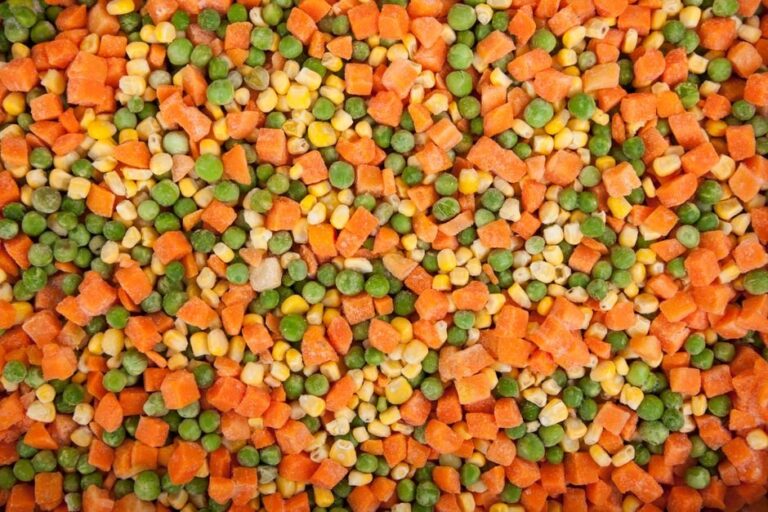
Understanding the Basics
Let’s start by getting familiar with the fundamental differences between canned and frozen vegetables, including their processing methods and nutritional profiles. This lays the groundwork for our in-depth comparison.
What are Canned and Frozen Vegetables?
Canned vegetables are preserved using a process called canning, which involves packing vegetables into airtight containers and heating them to kill off bacteria and other microorganisms. This method allows for long-term storage without refrigeration, making it ideal for shipping and distribution. Commonly canned vegetables include beans, corn, peas, and tomatoes.
Frozen vegetables are preserved by quickly freezing the produce at very low temperatures to stop spoilage. This method helps retain nutrients and texture better than canning, as water inside the cells doesn’t have time to expand and cause damage. Frozen vegetables often retain their bright color and crunchiness when thawed. Popular frozen options include broccoli, cauliflower, and green beans.
Both canned and frozen vegetables are convenient for home cooks because they’re available year-round and don’t require frequent shopping trips. They can be used in a variety of dishes, from soups to stir-fries, and often need only a quick reheat or thawing before use.
Key Differences Between Canned and Frozen
When it comes to texture and flavor, canned and frozen vegetables exhibit notable differences. Canned vegetables tend to be softer and more prone to overcooking due to their high water content. In contrast, frozen vegetables typically retain more of their natural crunch and firmness. This texture difference is also influenced by the canning process, which involves high heat and pressure that can break down cell walls.
Flavor-wise, canned vegetables often have a blander taste compared to their fresh counterparts. However, many brands now offer a range of flavors and seasonings to enhance the taste experience. Frozen vegetables, on the other hand, tend to retain more of their natural flavor profiles. This is because freezing preserves the vegetables at peak freshness, locking in their nutrients and flavor compounds.
In terms of nutrient retention, canned vegetables often suffer from losses during processing. The heat and water used in canning can break down or destroy some vitamins and minerals. Frozen vegetables, while not immune to nutrient loss, generally fare better due to the quick-freezing process that helps preserve more of their natural nutrients.
Nutritional Comparison
When comparing canned and frozen vegetables, their nutritional value is a crucial aspect to consider. Let’s take a closer look at how these two preservation methods affect the nutrient levels of your favorite veggies.
Vitamin and Mineral Content
Both canned and frozen vegetables retain a significant amount of their original vitamin and mineral content. However, some nutrients are more susceptible to loss during processing than others. Water-soluble vitamins like vitamin C and B vitamins are generally lost at higher rates due to leaching into the cooking water or being broken down by heat.
Frozen vegetables tend to hold onto these water-soluble vitamins better than canned ones because they’re typically blanched before freezing, which helps preserve their nutrient content. On the other hand, canned vegetables may lose some of these vitamins during the canning process, especially if they’re cooked for a longer period or at higher temperatures.
However, canned vegetables often retain more heat-stable nutrients like vitamin A and folate since these are less affected by heat. For instance, canned tomatoes are often rich in lycopene, an antioxidant form of vitamin A that’s particularly beneficial for heart health and cancer prevention.
To minimize nutrient losses when consuming either type, it’s essential to cook vegetables briefly and with minimal water.
Antioxidant Levels in Canned vs Frozen
When it comes to antioxidant levels, both canned and frozen vegetables can be rich sources of these essential compounds. However, research suggests that frozen vegetables tend to retain more antioxidants than their canned counterparts. This is because freezing typically involves quick flash freezing, which helps preserve the delicate balance of antioxidants present in the vegetables.
Studies have shown that frozen vegetables like broccoli, spinach, and berries often contain higher levels of anthocyanins, carotenoids, and other beneficial phytochemicals compared to their canned versions. On the other hand, canned vegetables may lose some of these antioxidants due to the canning process, which involves high temperatures and prolonged storage times.
A small study published in the Journal of Food Science found that frozen broccoli contained up to 50% more vitamin C than its canned counterpart. Similarly, a review of several studies on antioxidant retention in fruits and vegetables concluded that freezing generally preserved 80-90% of antioxidants, while canning resulted in losses ranging from 20-40%. By choosing frozen options or opting for flash-steaming instead of traditional canning methods, consumers can help maximize the health benefits associated with these nutrient-rich foods.
Cooking and Preparation
When it comes to incorporating canned and frozen vegetables into your meals, proper cooking and preparation techniques can greatly impact their texture and flavor. We’ll explore the best ways to cook each type of vegetable.
Preparing Canned Vegetables
When preparing canned vegetables, it’s essential to rinse them under cold running water to remove excess salt and preservatives. This step can make a significant difference in the flavor profile of your dish. You should also drain excess liquid from the can before using the vegetables.
To enhance flavor, try adding aromatics like garlic, ginger, or onions while cooking canned vegetables. These ingredients not only add depth but also help to mask any metallic taste that may be present due to the canning process. For example, sautéing sliced carrots with minced garlic and a pinch of cumin can bring out their natural sweetness.
When it comes to texture, some canned vegetables like beans or peas are already tender and can be used directly in recipes. However, others like corn or green beans may benefit from being heated through in a pan with a bit of oil or butter. This helps to restore their natural texture and make them more palatable.
In general, it’s best to treat canned vegetables as you would fresh ones, using them in recipes where they can shine. Avoid overcooking or underseasoning, as this can lead to disappointing results. By following these simple tips, you can elevate the flavor and texture of your dishes made with canned vegetables.
Cooking with Frozen Vegetables
When cooking with frozen vegetables, it’s essential to follow some best practices to ensure they retain their texture and flavor. First, check the packaging for specific thawing instructions, as different methods can affect the final product. Generally, you can thaw frozen vegetables by leaving them in room temperature or by microwaving according to package directions.
Once thawed, frozen vegetables are ready to use in most recipes, but some might require slight adjustments. For example, frozen spinach will be softer and more prone to cooking down than fresh spinach, so adjust your recipe accordingly. Frozen peas and carrots can be used as a one-for-one substitute for their fresh counterparts in many dishes.
To incorporate frozen vegetables into your meals, consider the cooking method and time required. Steaming or sautéing are good options, as they help preserve texture and flavor. When using frozen vegetables in casseroles or soups, add them towards the end of cooking to prevent overcooking and maintain their nutritional value. By following these guidelines, you can successfully cook with frozen vegetables and enjoy their convenience while retaining their quality.
Texture and Flavor Profiles
When comparing canned vs frozen vegetables, it’s essential to consider how they affect the texture and flavor of your final dish. Let’s take a closer look at what you can expect from each option.
Canned Vegetable Texture and Taste
Canned vegetables often have a softer, more uniform texture compared to their fresh counterparts. This is due to the heat from the canning process, which breaks down some of the cell walls and makes the vegetables more palatable for long-term storage. However, this tenderization can also lead to a loss of crunch and texture that many consumers prefer.
In terms of taste, canned vegetables are generally blander than their fresh or frozen counterparts. This is because the high heat used in the canning process can destroy some of the delicate flavor compounds found in raw vegetables. Additionally, the acidity level of the canning liquid (usually water or a salt-based brine) can mask any existing flavors.
Some canned vegetables may have added preservatives to extend their shelf life, which can further affect their taste and texture. For example, green beans might retain some crunch, but their flavor can be overpowered by excessive sodium from the brine.
When shopping for canned vegetables, look for products that are labeled as “no salt added” or “low-sodium” to minimize this issue. You can also try cooking canned vegetables with aromatic spices or herbs to enhance their flavor profile.
Frozen Vegetable Texture and Taste
Frozen vegetables tend to retain more of their natural texture and crunch compared to canned options. This is because the freezing process typically occurs within hours of harvesting, which helps preserve the vegetable’s cell structure. As a result, frozen vegetables like broccoli and carrots often remain firm and snappy, making them ideal for adding texture to salads or using in stir-fries.
In contrast, canned vegetables may become softer and more mushy due to the heat from the canning process. However, some types of frozen vegetables, such as peas and corn, may become slightly softer during freezing and thawing. But even these will generally retain their flavor and nutrients better than canned options.
One benefit of frozen vegetables is that they can be easily cooked from a raw state, which helps preserve their texture and color. For example, you can steam or sauté frozen broccoli without added liquid, allowing it to cook evenly and maintain its crunch. To get the most out of your frozen vegetables, choose products that have been flash-frozen or individually quick-frozen (IQF), as these methods help preserve texture and flavor.
Environmental Impact
When it comes to choosing between canned and frozen vegetables, one crucial factor is the environmental impact of each option. We’ll examine the eco-friendliness of both types in detail.
Water Usage in Canning vs Freezing
Canning is a more water-intensive process than freezing. To can vegetables, they must be boiled to kill off bacteria and other microorganisms, which requires a significant amount of hot water. In contrast, frozen vegetables are typically blanched briefly before being flash-frozen, using less water overall.
The environmental implications of this difference in water usage cannot be overstated. According to the United States Environmental Protection Agency (EPA), it takes approximately 1 gallon of water to produce a single serving of canned vegetables, compared to just 0.27 gallons for frozen vegetables. This discrepancy may seem small, but it adds up when considering the massive scale of commercial vegetable production.
To put this in perspective, if you were to can your own vegetables at home, you could expect to use around 2-3 times more water than if you were freezing them. While this difference may not be significant for occasional home cooks, it can have a substantial impact when scaled up to industrial levels.
Packaging Waste from Canned vs Frozen
When it comes to packaging waste, canned and frozen vegetables have distinct profiles. Canned vegetables typically come in tin cans made from steel or tinplate, which are often lined with a protective coating to prevent corrosion. These cans are then sealed using a lid or crown that is also made of metal. While recyclable, tin cans can be heavy on resources due to their metal composition and the energy required for processing.
In contrast, frozen vegetables are usually packaged in plastic bags or containers, which are often made from polyethylene or other flexible plastics. These materials are generally lighter and more energy-efficient than tin cans but can still contribute to waste if not disposed of properly. Furthermore, the production and transportation of frozen vegetables often involve additional packaging materials such as cardboard boxes and ice packs.
To minimize packaging waste, consider buying canned vegetables in bulk or opting for brands that use biodegradable or recyclable materials. When it comes to frozen vegetables, choose products packaged in reusable containers or bags made from natural fibers like cotton or bamboo. By making these small changes, you can reduce your environmental footprint and contribute to a more sustainable food system.
Choosing Between Canned and Frozen Vegetables
When it comes to stocking your pantry, you’re faced with a decision: should you reach for canned or frozen veggies? Let’s weigh the pros of each.
Factors to Consider When Selecting
When deciding between canned and frozen vegetables, several key factors come into play. Personal taste preferences are a significant consideration, as some individuals may prefer the softer texture of cooked canned vegetables while others enjoy the crunchier texture of frozen options.
Cooking needs also play a crucial role in this decision. If you’re planning to use the vegetables in a recipe that requires a long cooking time, such as stews or soups, canned vegetables can be a convenient option since they’re already pre-cooked. On the other hand, if you need to cook the vegetables quickly, frozen options may be a better choice.
Storage space and shelf life are also important factors to consider. Canned vegetables have a longer shelf life than frozen options, which typically require storage in the freezer at 0°F (-18°C) or below. However, canned goods take up more physical space on your pantry shelves due to their larger size.
Another consideration is budget. Generally speaking, frozen vegetables are cheaper than canned ones, especially when purchasing them in bulk. Nevertheless, it’s essential to weigh this cost difference against the quality and nutritional value of each option.
Lastly, consider any dietary restrictions or preferences you may have. For instance, if you follow a vegan diet, look for canned vegetables that are free from animal by-products or opt for frozen options that are labeled as vegan-friendly. By taking these factors into account, you can make an informed decision about which type of vegetable to choose for your next meal.
Frequently Asked Questions
Can I Substitute Canned and Frozen Vegetables in Recipes Equally?
Yes, you can substitute canned and frozen vegetables in recipes, but keep in mind that the texture and flavor may differ slightly due to the preservation methods. Frozen vegetables typically retain more nutrients and have a fresher taste, while canned vegetables are often softer and more adaptable to certain cooking methods.
How Do I Choose Between Canned and Frozen Vegetables for Specific Recipes?
Consider the recipe’s requirements: if it needs precise texture or flavor control, choose frozen vegetables; for recipes where texture isn’t crucial (e.g., soups, stews), canned options are often sufficient. Also, think about your personal taste preferences and nutritional goals.
What If I Want to Use Both Canned and Frozen Vegetables in the Same Recipe?
You can combine both types in a recipe, but be mindful of their distinct textures and flavors. For instance, adding frozen vegetables towards the end of cooking ensures they retain their nutrients and texture, while canned options can be used earlier on for added convenience.
Is There an Environmental Impact Difference Between Buying Canned or Frozen Vegetables Locally vs Out-of-Season?
Yes, locally sourced frozen vegetables typically have a lower carbon footprint due to reduced transportation needs. However, if you live in an area where seasonal produce isn’t available, opt for out-of-season frozen vegetables instead of relying on imported canned options.
Can I Use Reusable Containers or Bags for Frozen Vegetables Instead of Disposing Plastic Packaging?
Yes, reusable containers and bags are viable alternatives for storing frozen vegetables. Simply ensure the containers fit your freezer’s capacity and that you can safely thaw and re-freeze them without compromising food quality.

