
Homemade ranch seasoning mix is often overlooked as a DIY project, but with just a few simple ingredients, you can make your own custom blend. Store-bought mixes are pricey and may contain preservatives or unwanted additives that can quickly add up in cost and impact flavor. Making your own homemade ranch seasoning mix allows for complete control over the ingredients and customization of flavors to suit your taste preferences. By following our easy recipe guide, you’ll learn how to make a fresh and flavorful blend that’s perfect for salads, dips, and other recipes. This article will walk you through a straightforward process for creating your own homemade ranch seasoning mix from scratch, covering the essential components and tips for adjusting flavors to your liking.
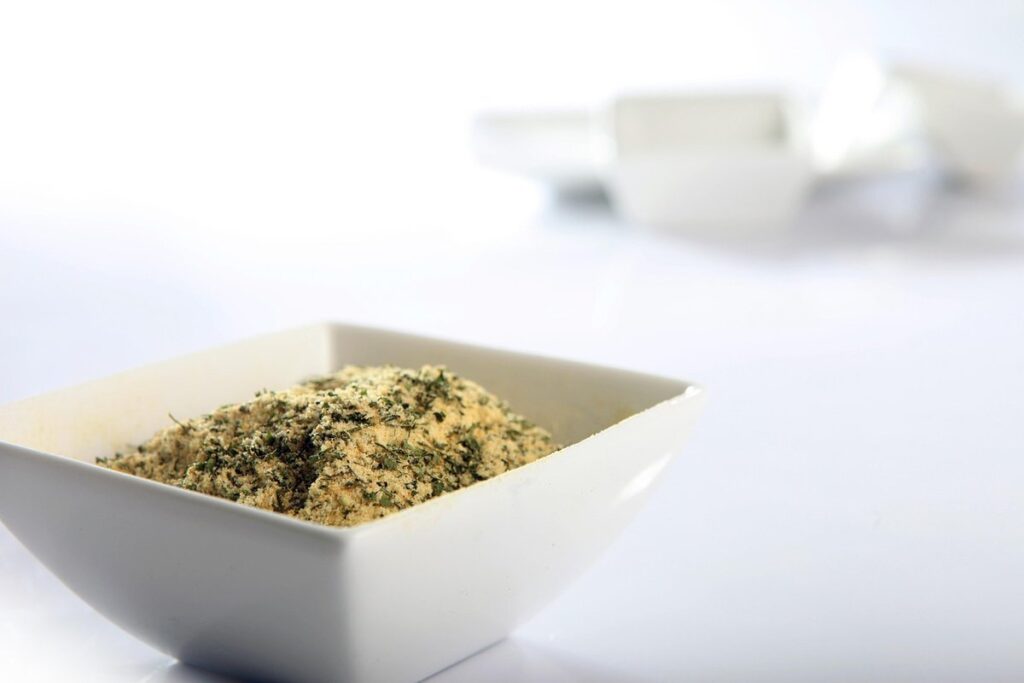
Understanding the Basics of Ranch Seasoning
When it comes to making homemade ranch seasoning mix, understanding the basic ingredients and their proportions is key to achieving that perfect flavor. Let’s break down what makes a great ranch seasoning blend.
What is Ranch Seasoning?
Ranch seasoning is a blend of herbs and spices designed to add a rich, savory flavor to various dishes. It typically consists of a combination of ingredients like dried parsley, dill weed, garlic powder, onion powder, salt, and black pepper. The exact composition can vary depending on the brand or recipe.
In cooking, ranch seasoning is commonly used as a dip for vegetables, chips, or crackers. You’ll often find it in stores pre-mixed with buttermilk or sour cream to create a creamy dressing. Ranch seasoning also functions well as a marinade for chicken or steak, enhancing their flavor and aroma during the cooking process.
Some people use ranch seasoning as an all-purpose seasoning blend, sprinkling it over salads, baked potatoes, or roasted vegetables. This is because its flavor profile is versatile enough to complement a wide range of ingredients without overpowering them. However, be cautious not to overdo it, as too much ranch seasoning can lead to an overly salty taste.
Ranch seasoning’s popularity stems from its ability to evoke the classic flavors associated with American cuisine, particularly in the context of comfort food and casual dining.
History of Ranch Seasoning
Ranch seasoning has a fascinating history that spans several decades. Born from a mix developed by Steve Henson and his wife, Lorraine, at their Dude Ranch in Santa Barbara, California, in the 1950s. The original recipe was made with fresh herbs like parsley, dill, and chives, which were combined with spices to create a unique flavor profile.
In the early days, ranch seasoning was primarily used as a dip for vegetables and crackers, but its popularity soon grew. By the 1970s, it became a staple in many American households, particularly after Hidden Valley Ranch began mass-producing the mix. The brand’s success can be attributed to its clever marketing strategy, which included partnering with food manufacturers to include their seasoning mix in various products.
Today, ranch seasoning is a ubiquitous condiment found in most supermarkets and pantries across the United States. Its versatility has led to numerous variations and blends, catering to different tastes and dietary requirements. Despite this, homemade versions of ranch seasoning are gaining traction due to their customizable nature and potential health benefits.
Ingredients and Their Roles
As you mix together your homemade ranch seasoning blend, it’s essential to understand the role each ingredient plays in creating that signature flavor. Let’s break down what makes up this tasty mix.
The Key Components of Ranch Seasoning
A classic ranch seasoning mix typically consists of a blend of dried herbs, spices, and seasonings. The essential ingredients include parsley, dill weed, chives, garlic powder, onion powder, salt, black pepper, and paprika. Of these, parsley and dill weed provide the signature fresh flavor, while chives add a slightly sweet undertone.
The type and proportion of each ingredient can vary depending on personal preference or regional variations. Some recipes may include additional ingredients like dried thyme or oregano to enhance depth and complexity. When selecting your own herbs and spices, consider their aroma and intensity: for example, using high-quality garlic powder will yield a more robust flavor than lower-grade alternatives.
In addition to these dried components, a few key wet ingredients can also elevate the mix’s overall character. For instance, adding a small amount of buttermilk or sour cream powder can introduce a rich, creamy note that complements the herbal flavors.
Customizing Your Mix with Additional Ingredients
When it comes to customizing your homemade ranch seasoning mix, the possibilities are endless. You can start by adding extra garlic powder if you’re a fan of bold flavors or reduce the amount if you prefer a milder taste. Experimenting with different types of herbs is another great way to give your mix a unique twist. For example, you could try substituting dried thyme for some of the parsley or using fresh dill instead of dried.
You can also customize your mix by adjusting the proportions of salt and sugar. If you prefer a less salty taste, simply reduce the amount of salt or omit it altogether. Conversely, if you like a bit of sweetness in your ranch seasoning, add a pinch more sugar to balance out the flavors. Some other ingredients that pair well with traditional ranch seasoning include onion powder, paprika, and cayenne pepper. Feel free to get creative and experiment with different combinations to find the perfect blend for your taste buds.
Here are some simple ways to modify your mix:
- Add an extra 1/2 teaspoon of garlic powder or onion powder
- Substitute 1 tablespoon of chopped fresh herbs (like parsley, dill, or chives) for 1 teaspoon of dried herbs
- Use a pinch more sugar or omit the salt altogether to adjust the flavor balance
Benefits of Making Your Own Ranch Seasoning
Making your own ranch seasoning mix at home can save you a significant amount of money on store-bought packets. Plus, you get to control the flavor and ingredients used in your homemade blend.
Cost-Effective Solution
Making your own ranch seasoning mix is a cost-effective solution compared to buying pre-made mixes. A single packet of store-bought ranch seasoning can range from $1 to $3, and you often need multiple packets for a recipe or as a seasoning for everyday use. In contrast, the ingredients to make a large batch of homemade ranch seasoning mix are relatively inexpensive: dried parsley ($2 per ounce), dried dill weed ($2 per ounce), garlic powder ($1.50 per ounce), onion powder ($1.50 per ounce), salt ($1 per pound), and black pepper ($1 per pound). These prices assume you’re purchasing the ingredients in bulk, which is a common practice for home cooks.
To put this into perspective, consider that making your own ranch seasoning mix can save you around 75% of the cost compared to buying pre-made mixes. For example, if you make a large batch of homemade ranch seasoning mix with these prices, it would cost approximately $5-$6 per pound. With one packet of store-bought mix costing $2-$3 and typically yielding about 1/4 cup (a rough estimate), you’d need at least four packets to equal the same amount made from scratch.
Control Over Ingredients and Flavor Profile
When you make your own ranch seasoning mix from scratch, you gain control over the ingredients and their proportions. This allows you to choose organic or non-GMO options for the dried herbs like parsley, dill weed, and chives. You can also opt for natural sources of garlic powder instead of relying on artificial preservatives found in some commercial mixes.
By selecting your own spices, such as onion powder, salt, and black pepper, you can adjust the flavor balance to suit your taste preferences. If you prefer a stronger onion flavor or milder saltiness, it’s simple to make these adjustments. You can also consider using different types of salt, like Himalayan pink salt or sea salt, for added depth.
Incorporating fresh herbs into your homemade mix is another way to customize the flavor profile. For example, you could add a handful of chopped fresh dill or parsley leaves to give your ranch seasoning a bright, fresh taste. By taking control of the ingredients and their proportions, you can create a blend that perfectly suits your palate and dietary needs.
Simple Recipe for Homemade Ranch Seasoning Mix
To make homemade ranch seasoning mix, you’ll need just a few simple ingredients and some basic spices that are probably already in your pantry. This easy recipe yields a flavorful blend perfect for snacking and cooking.
Basic Recipe with Measured Ingredients
To make a classic ranch seasoning mix from scratch, you’ll need the following ingredients. Combine 2 tablespoons of dried parsley, 1 tablespoon of dried dill weed, 1 tablespoon of garlic powder, 1 tablespoon of onion powder, 1 teaspoon of salt, and 1/2 teaspoon of black pepper in a small bowl.
For the seasoning mix to have a well-balanced flavor, it’s essential that you use high-quality ingredients. Freshly ground spices will give your mix a more vibrant taste compared to pre-ground ones. You can also customize this recipe by adding other herbs or spices according to your preference.
If you want to make a larger batch of ranch seasoning mix, simply multiply the quantities of each ingredient. This basic recipe makes about 1/4 cup of mix, which is enough for four to six servings. Keep in mind that homemade ranch seasoning mix will typically have a more intense flavor than store-bought versions due to the absence of preservatives and additives.
Store your homemade ranch seasoning mix in an airtight container at room temperature for up to 6 months.
Variations on the Basic Recipe
To give your homemade ranch seasoning mix a unique twist, consider modifying the basic recipe. One way to do this is by swapping out individual ingredients for alternatives with distinct flavor profiles. For instance, you can substitute dried parsley with dill weed or basil for a Mediterranean-inspired taste. If you’re looking to reduce sodium levels in your mix, try using salt-free seasoning blends or reducing the amount of salt called for in the recipe.
Another approach is to incorporate herbs and spices that pair well with ranch flavor. Some options include garlic powder, onion powder, paprika, or cayenne pepper. Feel free to experiment with different combinations to create a blend that suits your taste preferences.
Some common dietary restrictions can also be accommodated by adjusting the basic recipe. For example, if you’re cooking for someone with gluten intolerance, ensure that all ingredients are gluten-free. You may need to replace traditional garlic powder or onion powder with their gluten-free counterparts.
When modifying the basic recipe, remember to adjust the proportions of each ingredient according to your taste preferences. This will help you achieve a balanced flavor profile in your homemade ranch seasoning mix.
Tips and Tricks for Using Your Homemade Ranch Seasoning Mix
Now that you have your homemade ranch seasoning mix, let’s talk about how to use it effectively in various dishes to maximize flavor. Here are some expert tips to get you started!
Substitution in Recipes
When substituting homemade ranch seasoning for store-bought mixes in recipes, it’s essential to consider the flavor profile and intensity of the dish. Dips like spinach and artichoke or French onion often rely on a more robust ranch flavor, so you may need to adjust the amount used accordingly. In contrast, lighter applications like salad dressings or marinades for delicate fish might require a milder approach.
As a general rule, start by substituting half of the recommended store-bought mix with your homemade blend and taste as you go. This allows you to fine-tune the flavor balance without over-seasoning. For example, if a recipe calls for 2 tablespoons of store-bought ranch seasoning, try using 1 tablespoon of your homemade mix and adjust from there.
Keep in mind that homemade ranch seasoning can be more potent than commercial mixes due to its concentrated nature. Be mindful of this when substituting, especially in recipes where flavor balance is crucial. With a little experimentation and adjustment, you’ll find that your homemade ranch seasoning mix can elevate even the most familiar dishes with ease.
Storage and Shelf Life
Proper storage is crucial for maintaining the flavor and shelf life of your homemade ranch seasoning mix. Transfer the mix to an airtight container, such as a glass jar with a tight-fitting lid, after you’ve made it. This will help protect the spices from light, moisture, and air, which can cause them to lose their potency.
Store the container in a cool, dry place like a pantry or cupboard. Avoid storing it near heat sources, ovens, or stovetops, as this can cause the mix to degrade faster. If you live in a humid climate, consider keeping the container in the refrigerator to slow down spoilage.
As for shelf life, homemade ranch seasoning mix typically lasts for 6-12 months when stored properly. However, if you notice any visible signs of degradation, such as clumping or mold, it’s best to err on the side of caution and discard the mix. For optimal flavor, use your homemade mix within 3-6 months.
To extend shelf life even further, consider dividing the mix into smaller portions and freezing them in ice cube trays. Once frozen, transfer the cubes to a freezer-safe container or bag for easy access and storage. This way, you can thaw only what you need and maintain the flavor and aroma of your homemade ranch seasoning mix.
Advanced Applications of Homemade Ranch Seasoning Mix
Now that you have a versatile homemade ranch seasoning mix, let’s see how you can use it to take your cooking and baking to the next level by elevating everyday dishes.
Using It as a Marinade or Rub
When using your homemade ranch seasoning mix as a marinade or rub, you can add depth and richness to meats, poultry, or seafood. A simple way to get started is by mixing 2-3 tablespoons of the seasonings with 1/4 cup of olive oil, then brushing it onto chicken breasts before grilling. The acidity in buttermilk can also enhance the flavors when used as a marinade; try combining 1 cup of buttermilk with 2 tablespoons of ranch seasoning mix and letting your chicken or fish sit for at least 30 minutes.
You can also use the seasonings dry as a rub by sprinkling it directly onto meat before cooking. This method is particularly effective on steaks or chops, where you want to add intense flavor without overpowering the natural taste. To avoid over-seasoning, remember that a little goes a long way – start with a light coating and adjust to taste.
When using your homemade ranch seasoning mix in this manner, keep in mind that it can be quite salty due to its dry ingredients. Balance out the flavors by pairing it with acidic or sweet elements, like citrus juice or honey. Experimenting with different combinations will help you develop your own signature flavor profiles.
Incorporating into Other Recipes
You can get creative with your homemade ranch seasoning mix by incorporating it into other recipes beyond salads and dips. Consider adding a pinch to soups for an extra depth of flavor. For example, a creamy tomato soup or a broth-based chicken noodle soup would benefit from the tangy, savory taste of ranch seasoning.
When making stews or braises, you can use ranch seasoning as a dry rub on your meat before cooking, or sprinkle it in towards the end of cooking to add a rich flavor. Casseroles are also an excellent place to incorporate ranch seasoning – simply mix it into the cheese sauce or sprinkle it over the top before baking.
Some other ideas for incorporating ranch seasoning into your meals include using it as a topping for baked potatoes, adding it to roasted vegetables like broccoli or cauliflower, or mixing it into your favorite macaroni and cheese recipe. Remember that you can always adjust the amount of ranch seasoning to suit your taste preferences – so don’t be afraid to experiment and find new ways to use this versatile mix.
Conclusion
In conclusion, making homemade ranch seasoning mix is a straightforward process that requires minimal effort and yields maximum flavor. With just a few common ingredients and some basic mixing skills, you can create a customized blend that suits your taste preferences. This guide has walked you through the essential components of a great homemade ranch seasoning mix, including the key spices, herbs, and powders that contribute to its signature flavor.
To recap, here are the core elements to keep in mind when crafting your own mix: Start with a base of dried parsley, dill weed, and garlic powder. Add a pinch of salt and black pepper to enhance depth and umami flavor. Finally, balance out the blend with a touch of onion powder and paprika. Remember that the beauty of homemade seasoning lies in its adaptability, so feel free to experiment and adjust proportions to your liking.
By taking control of your ranch seasoning mix, you’ll not only save money but also enjoy unparalleled flavor customization. Don’t be afraid to get creative and try new combinations – after all, it’s just a pinch of this and that until you find the perfect balance.
Frequently Asked Questions
Can I Use My Homemade Ranch Seasoning Mix as a Gift?
Yes, your homemade ranch seasoning mix makes a thoughtful gift for friends and family who love cooking. Simply package it in an airtight container and attach a recipe card with suggested uses. Consider adding a personal touch by including a handwritten note or a small packet of dried herbs.
How Long Does Homemade Ranch Seasoning Mix Stay Fresh?
Homemade ranch seasoning mix typically stays fresh for 6-12 months when stored properly in an airtight container at room temperature. If you live in a humid climate, consider storing it in the fridge to prolong its shelf life. Always check the mix for freshness before using it by sniffing and tasting.
Can I Substitute Different Types of Salt in My Homemade Ranch Seasoning Mix?
Yes, you can substitute different types of salt in your homemade ranch seasoning mix, such as sea salt or kosher salt, depending on your personal preference. Keep in mind that each type of salt will change the flavor profile slightly, so adjust the amount used accordingly.
How Do I Know If My Homemade Ranch Seasoning Mix is Too Salty?
If you find that your homemade ranch seasoning mix is too salty, start by reducing the amount used in your recipe. You can also try adding a small amount of sugar or honey to balance out the flavor. Remember that it’s easier to add more salt than it is to remove excess salt, so start with small adjustments.
Can I Use My Homemade Ranch Seasoning Mix as a Base for Other Seasonings?
Yes, you can use your homemade ranch seasoning mix as a base for other seasonings by adding or substituting different herbs and spices. For example, you could create a garlic parmesan seasoning by adding dried garlic and parmesan cheese to the mix. Experiment with different combinations to find unique flavor profiles.

