
As the leaves change colors and the air grows crisper, many of us find ourselves drawn to the sense of renewal that comes with the fall season. But what does this time of year really mean in our lives? Beyond its natural cycles and cultural traditions, fall has a way of stirring up deep emotions and reflections about balance, gratitude, and spiritual growth. You may be wondering how to tap into the transformative energy of fall and make the most of its lessons. In this article, we’ll explore the significance of fall in life, from its symbolic connection to letting go and new beginnings to its rich cultural heritage and practices that promote mindfulness and self-reflection. By the end of this journey, you’ll have a deeper understanding of how to cultivate balance, gratitude, and spiritual renewal during this pivotal season.
Embracing the Change: Understanding the Psychology of Fall
As you transition into fall, it’s natural to feel a sense of nostalgia and introspection wash over you. This emotional shift is rooted in our psyche’s response to nature’s cyclical changes.
The Cycle of Life and Death
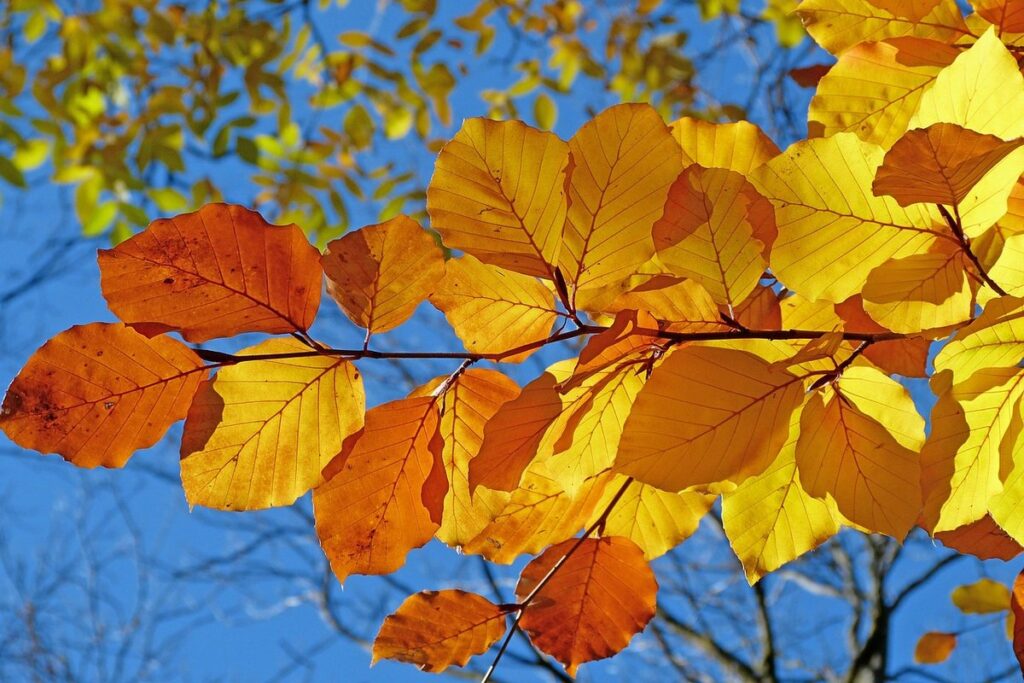
As fall unfolds, the natural world presents a poignant reminder of life’s cycle: growth, decay, and rebirth. Plants wither away, their vibrant hues surrendering to earthy tones, yet amidst this decline, new life begins to emerge. Seeds buried beneath the soil wait patiently for spring’s warmth to stir them anew.
This metaphor can be applied to personal growth and change. Consider the seasons of your own life: have you been holding onto something that no longer serves you? Fall’s cyclical nature invites us to release the old, just as trees shed their leaves. This process is not about destruction, but transformation – making way for fresh perspectives and experiences.
To apply this metaphor in your own life, reflect on what’s ready to be released: relationships, habits, or goals that have run their course. Allow yourself to let go, even if it feels daunting. Remember, the dying of one thing is always followed by the birth of another. As you surrender to fall’s cycle, create space for new growth and renewal to take root. By embracing this natural process, you’ll find a sense of liberation and possibility.
Letting Go of the Past
As fall’s themes of decluttering and simplification unfold, they serve as a powerful reminder to release past regrets and emotions that no longer serve us. This process is not about erasing memories or suppressing feelings but rather about acknowledging what’s holding you back and letting it go.
Consider the physical act of raking leaves: just as fallen leaves must be cleared away to make room for new growth, so too can we clear out emotional clutter by confronting and releasing past pain. This might involve writing a letter (even if you don’t intend to send it) or having an imaginary conversation with someone who’s been weighing on your mind.
In the same way that fall’s harvest season celebrates the abundance of what remains after pruning, we too can focus on cultivating gratitude for the present moment and the future possibilities. By acknowledging what no longer serves us, we create space for new experiences, relationships, and opportunities to emerge. This act of letting go allows us to move forward with a renewed sense of purpose and clarity.
The Season of Harvest: Gratitude and Abundance
As the final leaves fall from the trees, autumn’s harvest season invites us to reap what we’ve sown. This idea of gathering and appreciating the fruits of our labor is not limited to physical crops; it can also be applied to cultivating gratitude and abundance in our lives. By focusing on what we have, rather than what we lack, we can shift our perspective and nurture a sense of contentment.
Practicing gratitude in everyday moments, such as sharing a meal with loved ones or appreciating the warmth of a cup of coffee, can help us cultivate abundance. This mindset allows us to see the value in each experience, relationship, and accomplishment. By doing so, we create space for more good things to enter our lives.
To incorporate this idea into your daily life, try reflecting on three things you’re grateful for each day before bed. It could be as simple as a beautiful sunset or a supportive friend. This practice helps rewire your brain to focus on the positive aspects of your life, allowing you to reap the rewards of abundance and gratitude that autumn’s harvest season embodies. By embracing this mindset, you’ll find yourself more resilient and better equipped to handle life’s challenges.
The Cultural Significance of Fall
Fall has a profound impact on our collective psyche, evoking feelings of coziness and nostalgia as nature transforms into a kaleidoscope of warm hues. Let’s explore how this season influences culture worldwide.
Traditions and Celebrations Around the World
Fall is a season rich in cultural traditions and celebrations, reflecting the themes of harvest, gratitude, and renewal. From the spooky festivities of Halloween to the vibrant lights and decorations of Diwali, these events showcase the diversity and creativity of human expression.
In many parts of the world, fall is associated with harvest festivals that celebrate the bounty of the land. In Japan, for example, Obon is a Buddhist holiday that honors the spirits of ancestors, often marked by lantern-making and family gatherings. Similarly, in India, Navratri is a nine-day celebration of dance, music, and worship, culminating in the joyous festival of Dussehra.
Other notable fall celebrations include the Mexican Day of the Dead (Día de Muertos), which honors loved ones who have passed away with altars, offerings, and feasting. In Ireland, Samhain marks the end of the harvest season and is believed to be a time when the veil between the living and dead is at its thinnest.
These celebrations often involve food, music, dance, and merriment, but also serve as reminders of the cycle of life and death, and the importance of gratitude and remembrance.
Symbolism in Literature and Art
Fall has long been a powerful symbol in literature and art, evoking themes of decay, renewal, and nostalgia. Authors such as John Steinbeck and William Faulkner have used the changing seasons to explore the human experience, often associating fall with decline and loss. In his novel “The Grapes of Wrath,” Steinbeck employs the imagery of barren landscapes and wilting crops to convey the struggles faced by migrant workers during the Great Depression.
In contrast, some artists use fall as a backdrop for themes of renewal and transformation. Mark Rothko’s abstract paintings, for example, often feature rich, vibrant colors reminiscent of fall foliage. These works invite viewers to contemplate the cyclical nature of life and death, encouraging reflection on what is lost and what can be reborn.
Literary examples of fall symbolism can be seen in poetry as well. The imagery of fallen leaves and fading light has inspired countless poets, from Robert Frost to Sylvia Plath. By examining these works, readers can gain a deeper understanding of how the season’s themes can be applied to their own lives, fostering a sense of introspection and personal growth.
The Science Behind Fall: Environmental and Biological Processes
Fall is more than just a picturesque season, it’s also driven by complex environmental processes that shape our climate and ecosystems. Let’s examine how these natural forces come together to create this unique time of year.
Photosynthesis and the Waning Light
As daylight hours dwindle during fall, plants undergo a significant shift in their photosynthetic process. In the summer months, plants thrive under long days and warm temperatures, using sunlight to fuel growth through photosynthesis at an optimal rate. However, as the days shorten and nights grow cooler, plants must adapt to conserve energy.
During this time, they produce less chlorophyll, the green pigment essential for photosynthesis, allowing hidden pigments like anthocyanin and carotenoids to become visible. This change affects plant growth in several ways: reduced water absorption, slower leaf expansion, and a decrease in root development. As plants conserve energy, their growth rate slows, preparing them for dormancy.
This shift in photosynthetic activity has implications for our own well-being during fall. With shorter days and reduced sunlight, many people experience decreased energy levels and productivity. To mitigate this effect, it’s essential to establish a consistent routine that balances work and rest, allowing your body to adjust to the changing light cycle. Consider adjusting your daily schedule to incorporate more morning sunlight exposure or using light therapy lamps to supplement natural light. By acknowledging the interconnectedness of plant and human energy cycles, we can better navigate the ebbs and flows of fall’s waning light.
Animal Migration Patterns
As summer’s warmth fades, many animals embark on incredible journeys to escape harsh winter conditions. Birds are perhaps the most iconic fall migrants, with over 200 species traveling from their breeding grounds to warmer climates. Some, like the arctic tern, migrate an astonishing 44,000 miles each year, crossing entire continents in search of sustenance and shelter.
Insects also undergo remarkable migrations, often flying thousands of miles to reach their wintering grounds. The monarch butterfly’s journey from Canada to Mexico is a notable example, with generations of butterflies making the treacherous trek each fall. These insects rely on precise timing and adaptations like stored energy reserves to sustain themselves during their journeys.
To survive these epic migrations, animals have evolved remarkable strategies. Some store fat reserves or slow down their metabolisms to conserve energy, while others migrate in large groups for mutual protection. Understanding these incredible feats of endurance can inspire us to appreciate the resilience and adaptability of life on Earth. By recognizing the intricate connections between our own lives and those of other creatures, we may find new perspectives on the meaning and significance of fall.
The Impact of Fall on Mental Health
As fall arrives, many people experience a shift in their mood and energy levels, but did you know that it can also have a profound impact on our mental health? This season’s unique atmosphere can either soothe or exacerbate existing issues.
Seasonal Affective Disorder (SAD) and Depression
Seasonal Affective Disorder (SAD) is a type of depression that occurs during the fall and winter months when daylight hours are shorter. Many people experience SAD as a result of reduced sunlight exposure, which can disrupt their mood-regulating hormones. The lack of sunlight triggers a decrease in serotonin production, leading to feelings of sadness, lethargy, and disinterest in activities.
Symptoms of SAD may include social withdrawal, changes in appetite or sleep patterns, and fatigue. If left untreated, SAD can worsen over time, making it essential to seek professional help. Light therapy is a common treatment for SAD, where patients expose themselves to bright artificial light to mimic natural daylight. This helps regulate their circadian rhythms and boost serotonin levels.
Other treatments may include medication, therapy, or a combination of both. In addition to these medical interventions, incorporating small changes into daily routines can also help alleviate symptoms. For example, taking short breaks outside during the day, even on cloudy days, can make a significant difference. By acknowledging the impact of SAD and taking proactive steps, individuals can better manage their mental health during the fall season.
Coping with Loss and Grief in Fall
Fall’s themes of letting go and change can be particularly harsh for those already grappling with loss or grief. The season’s emphasis on release and new beginnings can feel overwhelming, especially when you’re still processing a painful event. You might find yourself drawn into the melancholy that often accompanies fall’s fading light.
The changing colors and falling leaves can serve as poignant reminders of what’s been lost. This can lead to feelings of nostalgia and longing, making it harder to cope with your emotions. One way to navigate this challenge is by acknowledging and validating your feelings. Allow yourself to process your grief at your own pace, without trying to fit into the season’s expectations.
Incorporate small acts of self-care into your daily routine, such as taking a walk in nature or practicing gentle stretches. These small moments can help you find some peace amidst the turmoil. You might also consider reaching out to loved ones or a support group for extra comfort and understanding. By being kind to yourself and acknowledging fall’s unique emotional demands, you can begin to find a sense of balance and healing during this season.
Navigating the Emotional Turmoil of Fall
As fall settles in, you may find yourself feeling a mix of emotions – nostalgia for summer’s warmth and excitement for the new season ahead. Let’s explore how to navigate these feelings together.
Managing Expectations and Stress
As fall sets in, it’s common to feel a sense of overwhelm. The increased pace of life, coupled with shorter days and cooler temperatures, can leave even the most resilient individuals feeling stressed and anxious. To mitigate these feelings, it’s essential to set realistic goals for yourself during this season.
Start by prioritizing self-care activities that bring you joy and relaxation. This might be as simple as taking a warm bath, reading a book, or practicing yoga. Schedule time for these activities into your daily routine, just as you would any other important task. Be mindful of your commitments and learn to say “no” when necessary.
Additionally, consider breaking down larger tasks into smaller, manageable chunks. This will help prevent feelings of overwhelm and allow you to focus on one thing at a time. For example, if you’re preparing for the holidays, start by making a list of everything that needs to be done, and then tackle each item one by one.
By prioritizing self-care and setting realistic goals, you can better navigate the emotional turmoil of fall and find peace amidst the chaos.
Finding Balance in a Busy Season
When fall arrives, many people feel overwhelmed by the sense of urgency that comes with it. The season’s emphasis on harvest and preparation can create a feeling of perpetual busyness, making it difficult to maintain balance between work, social life, and personal responsibilities.
To manage expectations and stress during this time, prioritize your tasks and focus on what’s truly essential. Be realistic about what you can accomplish in a given day or week, and learn to say no to non-essential commitments. This might mean delegating tasks at work, setting boundaries with friends and family, or taking breaks from social media.
Consider implementing the “stop-start-continue” approach: stop doing things that drain your energy, start new habits that promote balance, and continue activities that bring you joy. For example, you might stop checking work emails outside of work hours, start a daily meditation practice to reduce stress, and continue enjoying seasonal activities like hiking or apple picking.
By being intentional with your time and energy, you can find a sense of equilibrium during the busy fall season.
The Spiritual Significance of Fall: Reflection, Renewal, and Rebirth
As we settle into the cozy warmth of fall, let’s explore how this season invites us to reflect on our past year, release what no longer serves us, and rebirth ourselves anew. Fall’s spiritual significance is rooted in its cyclical rhythm of letting go and growing again.
Themes of Letting Go and Releasing Ego
In many spiritual traditions, fall is seen as a time for release and surrender. As nature lets go of its lush foliage and vibrant blooms, we’re encouraged to do the same with our attachment to ego and material possessions. This theme of letting go can be applied to various spiritual practices, such as meditation and yoga. By releasing our attachment to external validation and recognition, we can tap into a deeper sense of inner peace and self-awareness.
One way to cultivate this mindset is through the practice of non-attachment. This doesn’t mean giving up everything you own or achieving some kind of “zero possessions” status, but rather being mindful of your desires and letting go of those that no longer serve you. For example, if you’re holding onto a grudge against someone, try to release that energy by acknowledging the hurt it’s causing you. This can be as simple as writing down what you want to let go of in a journal or sharing it with a trusted friend.
By releasing our attachment to ego and material possessions, we create space for new experiences, relationships, and personal growth to emerge. It’s a process that requires patience, self-awareness, and an openness to change.
Preparing for Winter: Reflecting on Intentions and Goals
As fall’s harvest season comes to a close, it’s time to reflect on what you’ve accomplished and where you’re headed. Use this opportunity to set new priorities and make amends with past mistakes or unfinished business. Start by examining your intentions – what do you want to achieve in the coming months? Be specific: instead of “be healthier,” aim for a daily 30-minute walk or three servings of vegetables per day.
Consider how fall’s themes of letting go and release can help you clear out distractions and focus on what truly matters. Identify areas where you’ve been holding on too tightly – whether it’s a toxic relationship, an unfulfilling job, or a bad habit. Take concrete steps to release these burdens: block time in your calendar for self-care, start researching new career paths, or seek support from friends and family.
In preparation for winter’s quiet and introspection, take stock of your goals and intentions. What do you hope to achieve before the new year begins? Break down large objectives into smaller, manageable tasks – this will help you stay on track and make progress even in the midst of chaos.
Frequently Asked Questions
Can I apply the themes of fall to my life even if I don’t live in a region with distinct autumn seasons?
Yes, you can still find meaning and significance in the themes of fall, regardless of your geographical location. Many cultures celebrate harvest festivals or have traditions that relate to renewal and gratitude, which can be adapted to fit your personal experiences and circumstances.
How do I know when it’s time to let go of past regrets and emotions during fall?
Pay attention to your emotional state and notice when you’re holding onto negative patterns or relationships. Ask yourself if they’re still serving a purpose in your life. If not, consider letting go and making space for new growth and experiences.
What if I’m struggling with seasonal affective disorder (SAD) during fall, but I also have a busy work schedule? How can I balance my mental health needs with my responsibilities?
Prioritize self-care by setting realistic goals and taking regular breaks to rest and recharge. Consider discussing your needs with your employer or manager to find ways to accommodate your SAD symptoms while still meeting your job requirements.
Can the themes of fall be applied to relationships, such as letting go of toxic connections or nurturing positive ones?
Yes, the idea of harvest and abundance can be applied to relationships by focusing on cultivating gratitude and appreciation for the people who bring value and joy into your life. Consider releasing attachments to toxic relationships or those that no longer serve you.
How do I know if I’m truly prepared for winter’s challenges after reflecting on my intentions and goals during fall?
Reflect on your progress and see how far you’ve come since setting new priorities and making amends in the fall season. Ask yourself if you have a clear plan in place to tackle winter’s challenges, and make any necessary adjustments before the season begins.

